Introduction: Why Digestion Is Central to a Child’s Health
Many parents in Singapore notice that their child experiences:
- Poor appetite
- Bloating
- Constipation or loose stools
- Frequent illness
From both a biomedical and Traditional Chinese Medicine perspective, these are often linked to child digestion problems.
In TCM, digestion is governed by the Spleen and Stomach system, which is naturally immature in children. This means:
- Children digest food less efficiently
- They are more sensitive to diet and routine
- Digestive imbalance can affect immunity, growth, and energy
At EMW TCM Singapore, we approach paediatric health through a root-cause, systems-based framework, focusing on:
- Digestive strength
- Nutrient absorption
- Gut health
- Lifestyle patterns
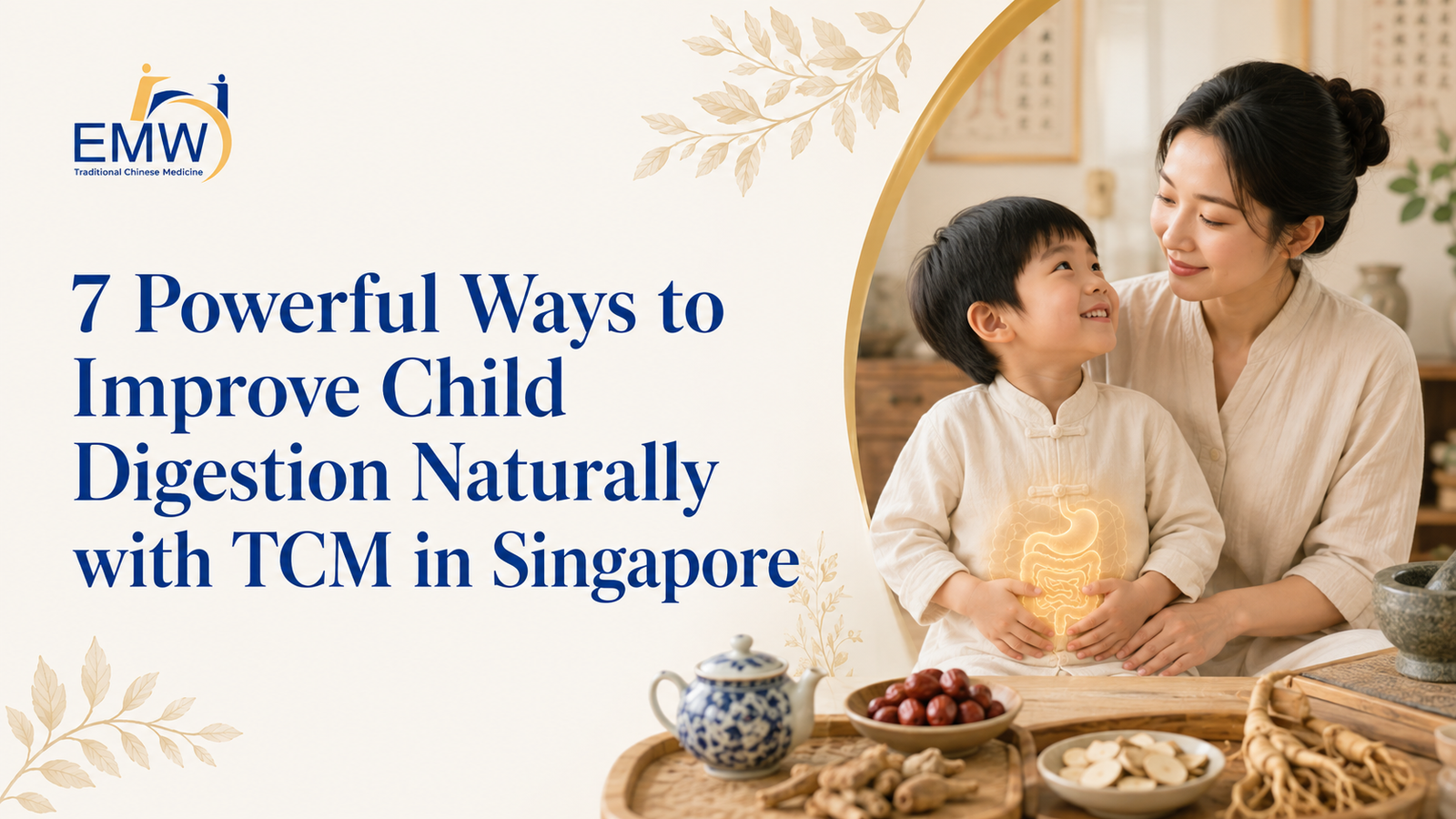
This article outlines 7 powerful ways to improve child digestion naturally in a safe and practical way.
The TCM View: Wei Qi and the Child's Developing Constitution
1. Prioritise Warm, Cooked Foods
In TCM, children’s digestion is described as “delicate and developing.” Cold or raw foods can weaken digestive function.
Common triggers:
- Cold drinks
- Ice cream
- Raw salads
Why it matters:
Cold foods may reduce digestive efficiency, leading to:
- Bloating
- Poor appetite
- Loose stools
How to improve child digestion naturally:
- Serve warm, cooked meals
- Limit cold foods, especially in younger children
- Use soups and porridge for easier digestion
2. Establish Regular Meal Timing
Irregular eating patterns can disrupt digestion.
Children who snack constantly or skip meals may develop:
- Poor appetite
- Weak digestion
- Erratic energy levels
How to improve child digestion naturally:
- Maintain consistent meal times
- Avoid excessive snacking between meals
- Allow time for proper digestion
This helps regulate digestive enzymes and appetite signals.
3. Support Gut Health Through Diet
Modern research highlights the importance of the gut microbiome in digestion and immunity.
In children, gut imbalance may contribute to:
- Bloating
- Food sensitivities
- Irregular stools
How to improve child digestion naturally:
- Include fibre-rich foods like vegetables and whole grains
- Limit processed foods and excess sugar
- Encourage a varied diet
You can learn more here:
4. Avoid Overfeeding
Many well-meaning parents encourage children to “eat more” for growth.
However, overeating can weaken digestion.
Signs of overfeeding:
- Bloating after meals
- Reduced appetite at next meal
- Sluggish digestion
How to improve child digestion naturally:
- Respect your child’s hunger cues
- Offer appropriate portion sizes
- Avoid forcing meals
In TCM, overfeeding burdens the Spleen and leads to digestive stagnation.
5. Encourage Gentle Physical Activity
Movement supports digestion by:
- Stimulating gut motility
- Improving circulation
- Regulating appetite
Children who are sedentary may experience more child digestion problems.
How to improve child digestion naturally:
- Encourage outdoor play
- Limit prolonged screen time
- Maintain daily movement routines
6. Support Digestive Strength with TCM Food Therapy
Certain foods are traditionally used to strengthen digestion in children.
Examples:
- Pumpkin
- Sweet potato
- Rice porridge
- Carrots
Benefits:
- Easy to digest
- Supports energy production
- Gentle on the gut
How to improve child digestion naturally:
- Incorporate these foods regularly
- Focus on simple, balanced meals
- Avoid overly complex or heavy dishes
7. Address Stress and Routine Disruptions
Children are sensitive to changes in routine and environment.
Stress can affect digestion through the gut-brain axis, leading to:
- Reduced appetite
- Abdominal discomfort
- Irregular bowel movements
How to improve child digestion naturally:
- Maintain consistent daily routines
- Ensure adequate sleep
- Provide a calm eating environment
Why Child Digestion Problems Should Not Be Ignored
Digestive health affects more than just comfort.
It influences:
- Nutrient absorption
- Immune function
- Growth and development
- Energy levels
Persistent child digestion problems may indicate deeper imbalances that benefit from a structured approach.
Download Our Cough Relief Pediatric Acupressure Handbook!

When Should You Bring Your Child to EMW TCM?
Consider evaluation if your child:
- Has four or more respiratory infections per year
- Takes more than two weeks to recover from each illness
- Has chronic runny nose or persistent cough between infections
- Has documented allergic rhinitis, eczema, or asthma
- Is on frequent antibiotics without lasting improvement
- Is a poor eater with low energy and slow weight gain
At EMW TCM, we commonly treat:
- Poor appetite
- Selective eating
- Recurrent bloating
- Chronic constipation
- Loose stools
- Post-antibiotic gut imbalance
- Functional abdominal pain
- Stress-related digestive upset
Singapore’s competitive schooling environment means even Primary 1 children experience stress-related appetite changes.
Research confirms that stress alters gut motility and microbiota composition.
Karl JP et al. Effects of psychological stress on gut microbiota. DOI: 10.1038/s41598-018-35068-3
By addressing both emotional and digestive aspects, we provide whole-child care.
Why Parents Choose EMW TCM Instead of Other Clinics
Parents consistently share several reasons:
1. We specialise in children
Pediatric dosing, pediatric diagnosis, pediatric techniques.
2. We prioritise food and lifestyle first
Not every child needs herbs.
3. We avoid adult treatment models
Children are not small adults.
4. We use gentle methods
Acupressure and herbal plasters are often sufficient.
5. We collaborate with medical doctors
Safety comes first.
6. We educate parents
Consultations include practical guidance, not just prescriptions.
This is what makes the way TCM treats pediatric digestive issues at EMW TCM different from general TCM practice.
Safety and Evidence Considerations
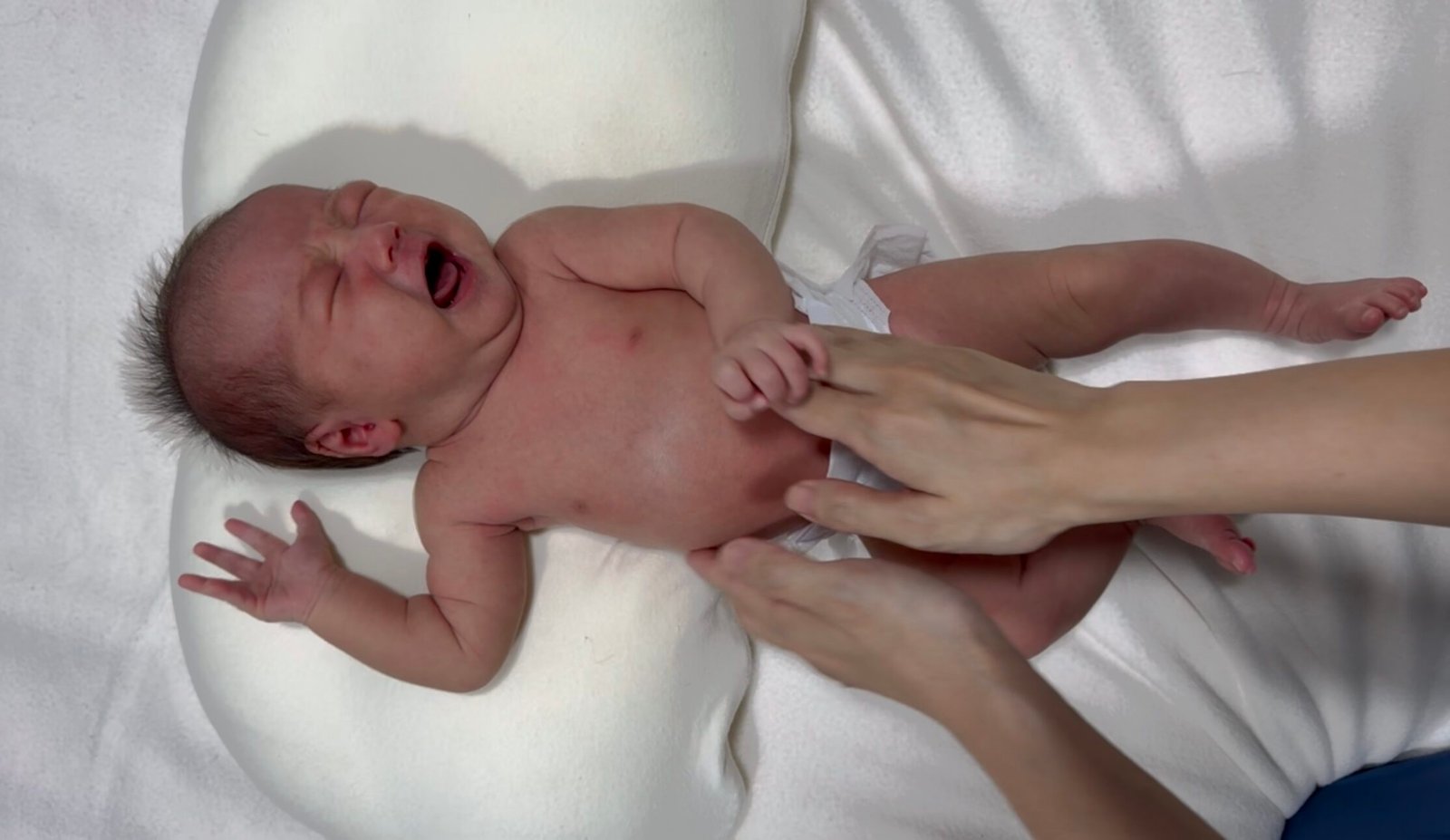
Is Tuina Massage Safe for Babies?
When performed by trained pediatric TCM practitioners, Tuina is considered low risk. Pressure is light, sessions are short, and techniques are adapted to the baby’s tolerance.
What Does Research Say?
Studies suggest that pediatric massage and Tuina-like interventions may help reduce crying duration and improve gastrointestinal function in infants.
- A systematic review found that massage therapy reduced crying time in infants with colic (DOI: 10.1542/peds.2006-2384).
- Research on infant massage has demonstrated modulation of vagal tone and improved gastric motility (DOI: 10.1016/S0140-6736(02)07363-8).
- Studies on TCM-based pediatric manual therapy suggest benefits for functional digestive disorders (DOI: 10.1016/j.ctim.2013.03.002).
While more high-quality trials are needed, the existing literature supports the safety and potential benefit of gentle manual therapies when used appropriately.
Singapore Context: Why This Matters Locally
In Singapore, many infants face:
- Early childcare exposure
- High parental stress levels
- Tight schedules affecting feeding rhythms
These factors can exacerbate colic and reflux symptoms. EMW TCM takes local lifestyle realities into account, offering realistic guidance that fits modern Singaporean families.
When Should Parents Seek Help?
Consider consultation if your child has:
- Persistent poor appetite
- Hard stools more than twice weekly
- Loose stools lasting more than two weeks
- Recurrent abdominal pain
- Frequent bloating
- Digestive issues affecting growth or mood
Early correction is easier than long-term repair.
Digestive health is the foundation of growth, immunity, and emotional balance.
When done properly, TCM treats pediatric digestive issues in a way that:
- Respects developmental physiology
- Supports microbiome maturation
- Avoids over-medication
- Empowers parents
- Complements conventional care
At EMW TCM in Singapore, our mission is simple: protect childhood while supporting health.
Our TCM Physicians
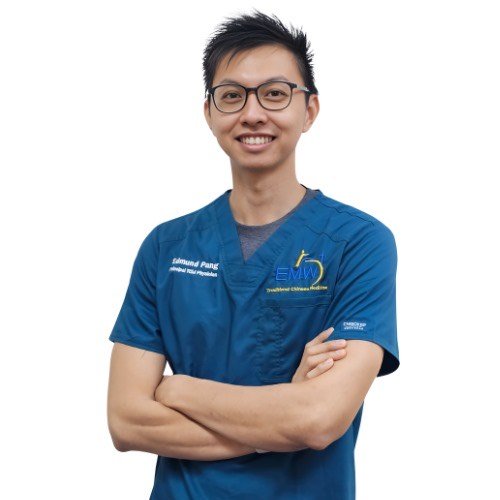
Principal TCM Physician
- M.Med(TCM Gynaecology)
- B.Sc(Hons) Biomedical Sciences
- Dip. Naturopath
- Ayurvedic Therapist(500hrs)
- Registered TCM Physician (Singapore MOH)

Senior TCM Physician
- M.Med(TCM Acupuncture & Moxibustion)
- B.Sc(Hons) Biomedical Sciences
- Certified Aromatherapist
- Registered TCM Physician (Singapore MOH)

TCM Physician
- M.Med(TCM Gynaecology)
- B.Sc(Hons) Biomedical Sciences
- Registered TCM Physician (Singapore MOH)
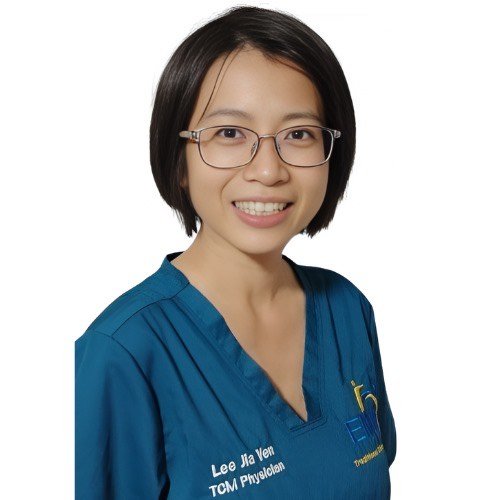
TCM Physician
- B.Med(TCM)
- B.Sc(Hons) Biomedical Sciences
- International Board-Certified Lactation Consultant (IBCLC)
- Registered TCM Physician (Singapore MOH)