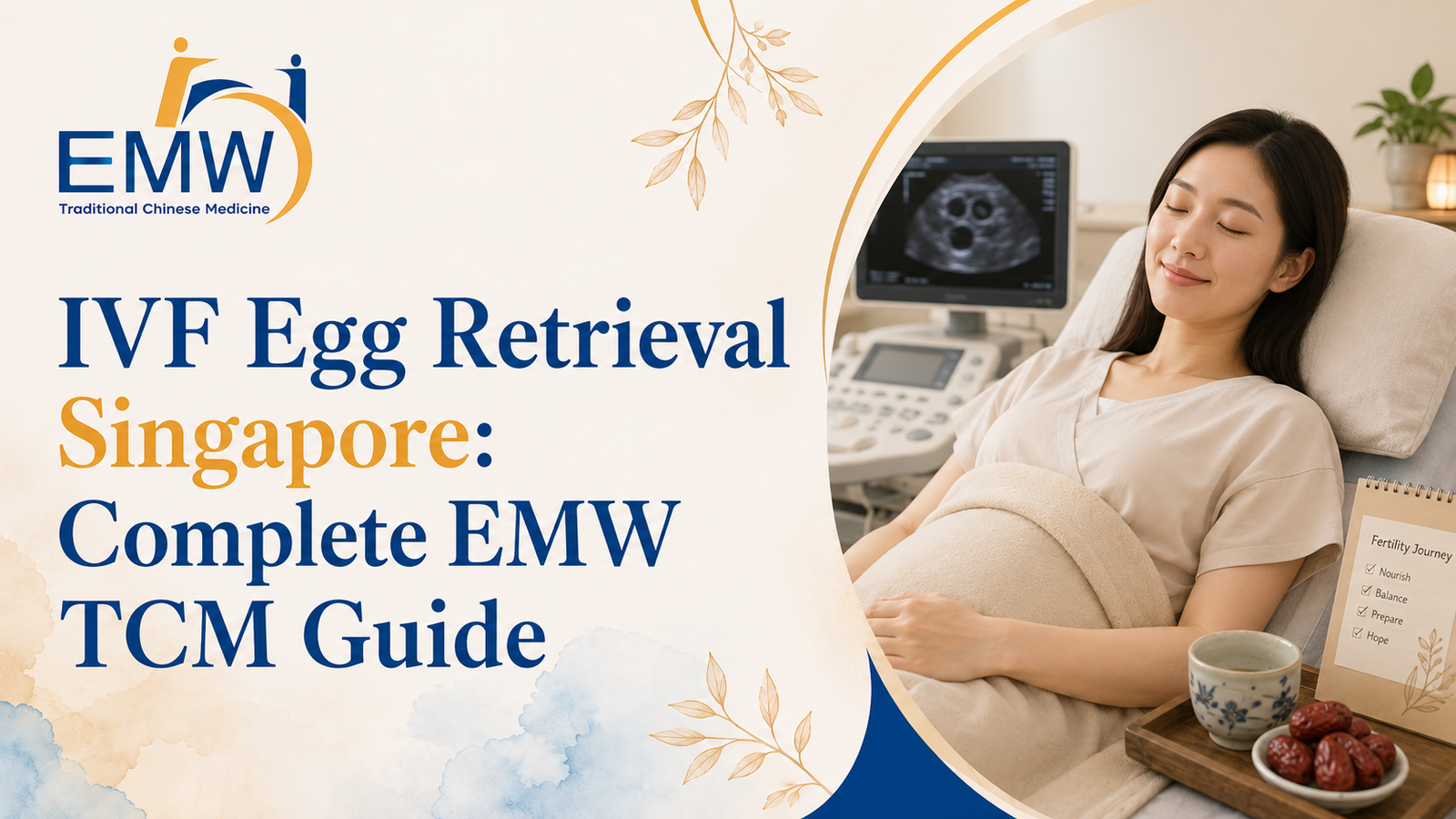
IVF Egg Retrieval Singapore: Everything You Need to Know About ER With EMW TCM
You have completed the injections, attended repeated scans, watched your follicles grow and rearranged your schedule around blood tests and medication timings.
Now the egg retrieval date is approaching.
For many women, this is the point when IVF suddenly feels very real. Questions begin piling up:
How many eggs will be collected?
Will they be mature?
What should I eat before retrieval?
Should I continue acupuncture?
Is the bloating normal?
What happens if no eggs are found?
How long will recovery take?
And perhaps the biggest question of all: have I done enough?
This IVF egg retrieval Singapore guide was created to answer those questions clearly. It combines the medical process of ovarian stimulation and oocyte retrieval with EMW TCM’s physician-led approach to acupuncture, fertility nutrition, symptom support, recovery and emotional care.
Traditional Chinese Medicine does not replace IVF, change your medication dosage or control how many eggs your doctor retrieves. Its role is complementary. A carefully timed TCM plan may support sleep, digestion, stress regulation, physical comfort and the wider internal environment in which IVF takes place.
Just as importantly, responsible TCM care must recognise its limits. Your fertility specialist remains responsible for your stimulation protocol, medication, trigger shot, egg collection procedure, laboratory fertilisation and management of complications such as ovarian hyperstimulation syndrome.
The Quick Answer
IVF egg retrieval Singapore usually involves 8 to 14 days of ovarian stimulation, regular ultrasound and blood monitoring, a precisely timed trigger injection and transvaginal egg collection under sedation. The exact protocol varies according to ovarian reserve, age, diagnosis and response to medication.
EMW TCM support may begin before stimulation and continue through selected points of the stimulation phase. Treatment is adjusted according to scan findings, symptoms, medication timing and whether a fresh transfer or freeze-all cycle is planned.
The aim is not to promise more eggs. The aim is to help patients enter egg retrieval feeling physically supported, well informed and medically safe.
What Is Egg Retrieval?
Egg retrieval, also called oocyte pick-up, oocyte retrieval or egg collection, is the procedure used to collect eggs from ovarian follicles during an IVF cycle.
In a natural menstrual cycle, the ovaries usually develop one dominant follicle. During IVF, hormonal medication is used to encourage multiple follicles to grow at the same time. This gives the fertility laboratory access to more eggs, although not every follicle will contain an egg and not every egg collected will be mature.
Once the follicles have reached an appropriate stage, a trigger injection is administered to support final egg maturation. Egg collection is generally scheduled about 36 hours later.
During the procedure, an ultrasound probe is inserted vaginally. A fine needle attached to the probe passes through the vaginal wall and into the ovarian follicles. Follicular fluid is collected and passed to the embryology laboratory, where the team identifies any eggs within it.
KK Women’s and Children’s Hospital explains that egg collection is performed with an ultrasound-guided needle and mild sedation. Patients are usually observed for a few hours before going home. is only one stage of IVF. After retrieval, the eggs must still pass through several developmental checkpoints:
- An egg must be found within the follicular fluid.
- The egg must be mature enough for fertilisation.
- Fertilisation must occur.
- The fertilised egg must continue developing.
- The embryo must reach a suitable stage for transfer or freezing.
- A transferred embryo must implant and continue developing.
This is why the number of follicles seen on a scan is not the same as the number of embryos available later.
The IVF Egg Retrieval Timeline
Although every IVF protocol is different, the retrieval journey usually follows five broad stages.
Stage 1: Pre-IVF assessment
Before starting injections, your fertility specialist may review:
- Age and reproductive history
- Anti-Müllerian hormone, or AMH
- Antral follicle count
- FSH and other hormone results
- Previous ovarian response
- PCOS, endometriosis or ovarian surgery
- Semen analysis
- Uterine and fallopian tube findings
- General health and medication history
This information helps the IVF team select the stimulation protocol and starting medication dose.
At EMW TCM, the pre-IVF consultation may also review menstrual flow, cycle length, cramps, spotting, sleep, digestion, bowel movements, stress, energy, temperature patterns, tongue and pulse findings. Relevant blood tests, scan findings, semen reports and previous IVF outcomes may also be considered.
Learn more about EMW’s overall approach through our TCM fertility service in Singapore and women and fertility centre.
Stage 2: Ovarian stimulation
Hormone injections stimulate multiple follicles to develop. Ultrasound scans and blood tests allow the fertility team to monitor the response and adjust medication where necessary.
This stage is often physically and emotionally demanding. Patients may experience:
- Abdominal fullness
- Bloating
- Breast tenderness
- Headache
- Fatigue
- Constipation
- Mood changes
- Sleep disturbance
- Bruising around injection sites
- Anxiety before scans
Not every symptom means something is wrong. However, rapidly worsening bloating, breathing difficulty, severe pain or reduced urination should not be dismissed as a normal part of IVF.
Stage 3: The trigger injection
When the follicles are ready, the IVF clinic gives precise instructions for the trigger injection. The trigger supports final maturation of the eggs before collection.
Timing matters. The injection must be taken at the exact time instructed by the fertility clinic. Do not alter the timing because of work, sleep, acupuncture appointments or other commitments.
The trigger-to-retrieval interval is commonly around 36 hours, although your clinic’s specific instructions always take priority. Egg collection
You will usually be asked to fast before the procedure. Follow the fasting and medication instructions provided by your hospital or fertility centre.
Sedation is commonly used. Because sedation can affect alertness and judgement, arrange for someone to accompany you home and do not drive after the procedure.
Stage 4: Fertilisation and recovery
The laboratory will assess egg maturity and proceed with conventional IVF fertilisation or intracytoplasmic sperm injection, commonly known as ICSI, depending on the couple’s treatment plan.
The embryology team normally provides an update regarding fertilisation after retrieval. Further updates depend on whether embryos are being observed to Day 3, Day 5 or another stage.
Meanwhile, the ovaries and surrounding tissues need time to recover from both the hormonal stimulation and the procedure.
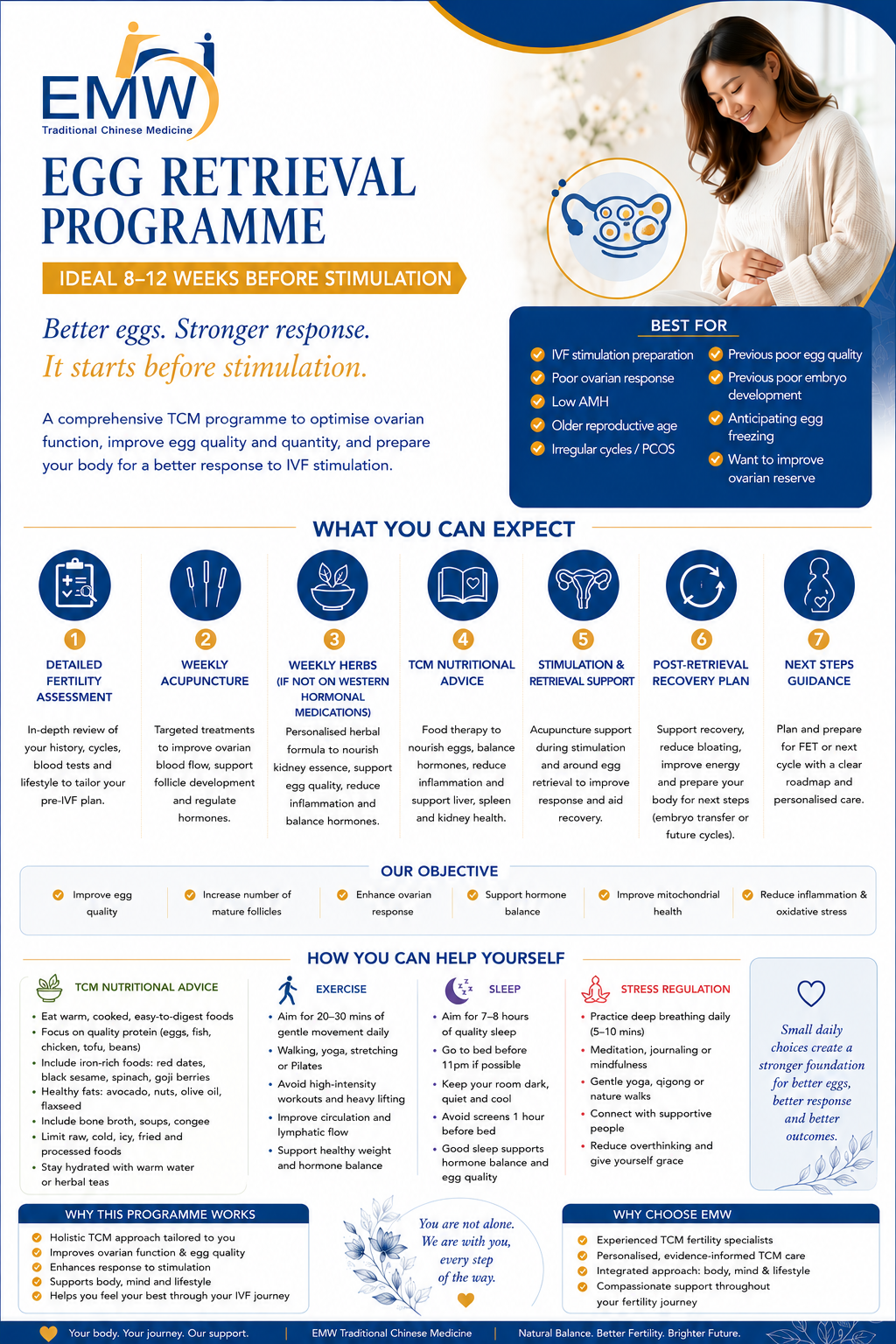
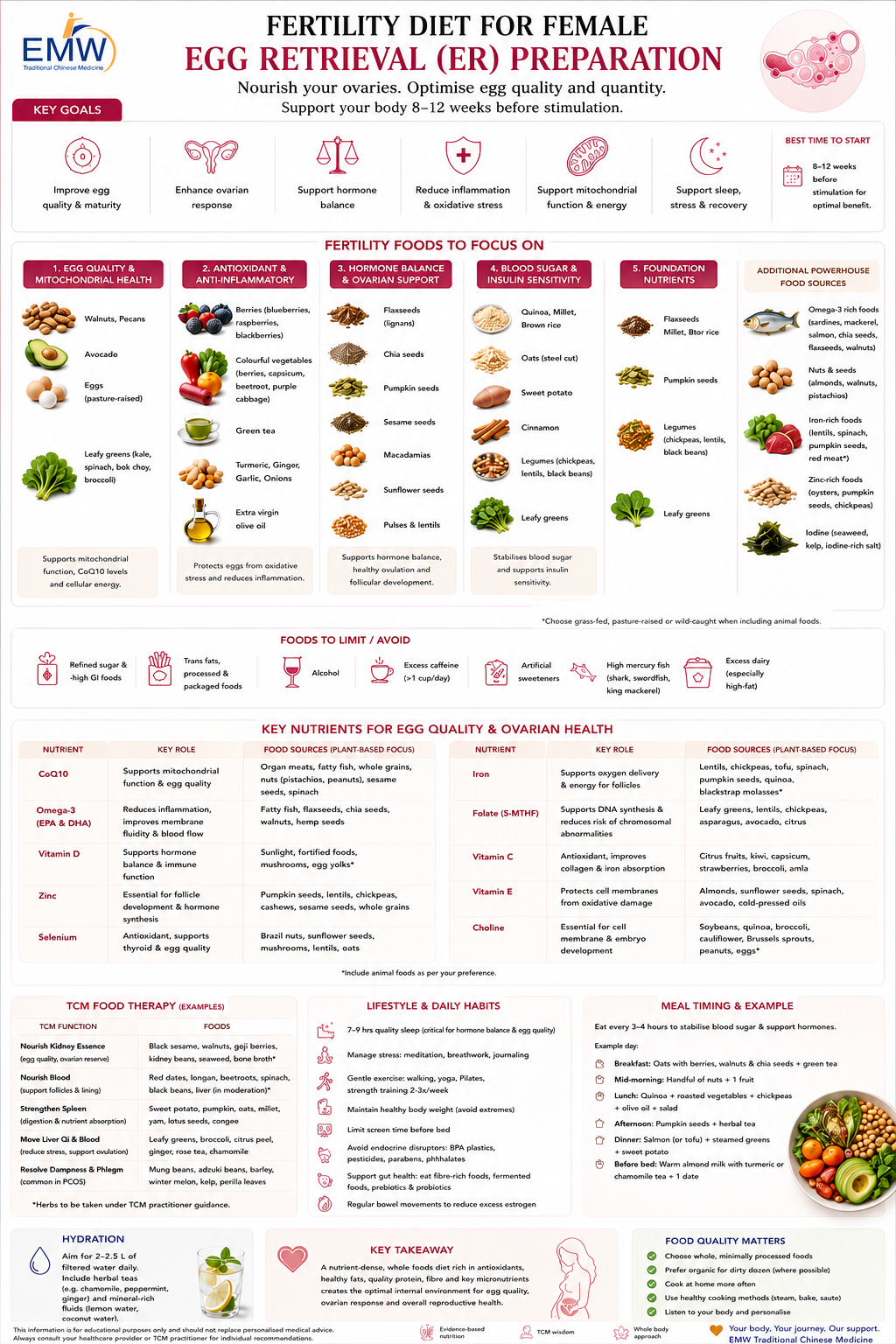
Egg Retrieval TCM Master Guide
Press the image to zoom in. If you like such infographics, we have a ‘3 ways to superboost your fertility’ PDF guide – Actionable steps that can help to support your reproductive health right away. You can sign up for free here: https://emwtcm.podia.com/3-ways-to-boost-your-fertility
How EMW TCM Supports IVF Egg Retrieval Singapore Patients
EMW TCM uses a stage-based approach rather than repeating one standard acupuncture treatment throughout the entire IVF cycle.
The treatment plan may change according to:
- Whether stimulation has started
- Follicle growth and scan findings
- Physical symptoms
- Previous ovarian response
- PCOS, low AMH or endometriosis
- The trigger date
- The scheduled retrieval date
- Risk of ovarian hyperstimulation
- Whether a fresh transfer is planned
- Whether all embryos will be frozen
- The patient’s energy, digestion, sleep and stress response
This individualisation is central to EMW’s TCM IVF acupuncture support.
Before Starting IVF Stimulation
Where time permits, preparation may begin eight to twelve weeks before stimulation. This does not mean that starting later is useless. It simply allows more time to address issues that cannot be changed overnight.
A pre-IVF plan may focus on:
- Establishing more consistent sleep
- Improving bowel regularity
- Correcting restrictive or inadequate eating
- Supporting blood sugar stability
- Reducing smoking and alcohol exposure
- Reviewing supplements
- Treating menstrual pain or excessive bleeding
- Supporting emotional resilience
- Assessing the male partner
- Coordinating TCM treatment with the IVF timeline
Patients who have experienced a poor response, immature eggs, poor fertilisation or low embryo development may benefit from reviewing the previous cycle in detail rather than assuming that every problem is caused by “poor egg quality”.
For a deeper discussion, read:
- How to improve egg quality naturally
- How TCM supports egg quality
- TCM strategies for low AMH and ovarian reserve
- Lifestyle and fertility nutrition for IVF
Age remains an important predictor of egg number, chromosome status and IVF outcome. TCM cannot reverse reproductive age or manufacture new eggs. The more realistic objective is to address modifiable health factors while the fertility specialist manages the medical treatment.
During Ovarian Stimulation
Once stimulation begins, care becomes more conservative and closely aligned with the IVF clinic’s schedule.
A typical EMW plan may include strategically timed acupuncture sessions before the trigger shot. The exact number and frequency depend on how much notice is available, how quickly follicles are growing and how the patient feels.
EMW’s current clinical approach generally aims for up to three sessions before the trigger shot where scheduling and medical circumstances permit. This is not a fixed requirement. Some patients may receive fewer sessions, while others may begin treatment before stimulation.
Acupuncture during this phase may be considered for supportive goals such as:
- Promoting relaxation
- Supporting sleep
- Managing neck, shoulder or jaw tension
- Supporting digestive comfort
- Reducing the feeling of heaviness or stagnation
- Helping the patient cope with repeated scans and uncertainty
- Addressing individual TCM patterns
Research into acupuncture and IVF remains mixed. Some recent reviews report possible improvements in pregnancy outcomes with particular treatment schedules, but evidence quality has generally been rated low, and study protocols vary considerably. An earlier systematic review found no significant improvement in clinical pregnancy when acupuncture was performed around egg collection. Acupuncture should therefore be presented as complementary support, not a guaranteed method of increasing egg numbers or live birth. ut the evidence in:
- Acupuncture for IVF success: what science and TCM say
- Benefits of acupuncture for IVF support in Singapore
- How TCM supports fertility during IVF and IUI
- When to schedule fertility acupuncture
After the Trigger Shot
Once the trigger shot has been administered, the priority is following the fertility clinic’s instructions and avoiding unnecessary intervention.
At EMW TCM, patients who have completed the planned pre-retrieval treatments usually do not need another routine acupuncture session after the trigger solely for the sake of “doing more”.
The ovaries are enlarged and the retrieval timing is fixed. This is not the moment to introduce strong new treatments, supplements, herbal formulas, abdominal massage, intense moxibustion or strenuous exercise.
Rest, regular meals, hydration according to medical advice and correct medication timing become more important than squeezing in another procedure.
After Egg Retrieval
Routine acupuncture immediately after retrieval is not necessary for every patient.
EMW may consider post-retrieval treatment when:
- The patient has significant discomfort but has been medically assessed
- Constipation or digestive discomfort is affecting recovery
- A fresh embryo transfer is planned
- The fertility clinic has ruled out a complication
- Treatment can be performed gently and appropriately
Otherwise, patients may rest after retrieval and resume treatment in the next menstrual cycle or according to their fresh-transfer plan.
Acupuncture must never delay medical assessment when symptoms suggest bleeding, infection, ovarian torsion or OHSS.
Can Chinese Herbal Medicine Be Taken During Egg Retrieval?
Chinese herbal medicine should not be taken randomly during IVF.
The appropriate answer depends on:
- The herbs involved
- The IVF medication protocol
- Ovarian response
- Liver and kidney function
- Bleeding risk
- Existing medical conditions
- Whether retrieval or transfer is approaching
- Whether the fertility specialist has raised concerns
At EMW TCM, herbal medicine may be considered during the pre-IVF preparation period. During active stimulation, retrieval and embryo-transfer phases, herbs are used conservatively and may be paused.
Patients should not assume that a herbal product is safe simply because it is labelled “natural”, “fertility support” or “blood tonic”. Strong Blood-moving, warming, purgative or hormone-active products may be inappropriate at particular stages.
Bring a full list of herbs, supplements and medications to both your fertility specialist and TCM physician. Do not hide complementary treatments from either healthcare provider.
What Should You Eat Before Egg Retrieval?
There is no single food that determines whether an egg will be mature or whether fertilisation will occur.
A sensible pre-retrieval diet should support:
- Adequate energy intake
- Protein intake
- Stable blood sugar
- Bowel regularity
- Micronutrient sufficiency
- Hydration
- Digestive tolerance
- General metabolic health
A Mediterranean-style eating pattern, rich in vegetables, legumes, whole grains, fish, olive oil, nuts and minimally processed foods, has been studied in people undergoing assisted reproduction. Some studies report associations with improved outcomes, while others do not. Recent systematic reviews describe the evidence as promising but inconsistent and largely observational. tients do not need to become obsessed with a perfect “IVF diet”. The goal is a sustainable nutritional pattern, not a last-minute fertility cleanse.
Practical foods before retrieval
Depending on individual tolerance, meals may include:
- Eggs, fish, chicken, tofu, tempeh or legumes
- Cooked green vegetables
- Pumpkin, carrot and sweet potato
- Brown rice, oats, quinoa or other whole grains
- Berries and other fruits
- Nuts and seeds
- Olive oil, avocado and other unsaturated fats
- Soups, broths and congee
- Iron-containing foods
- Folate-rich vegetables
- Adequate fluids according to your clinic’s advice
Patients with significant bloating, nausea or loose stools may tolerate smaller and more frequent cooked meals better than large raw salads, cold smoothies or heavy fried food.
Read EMW’s fertility nutrition and IVF guide for a more detailed framework.
What to limit
It is generally sensible to limit:
- Alcohol
- Smoking and vaping exposure
- Highly processed food
- Very high sugar intake
- Excessive caffeine
- Crash dieting
- Prolonged fasting
- Unprescribed fertility supplements
- Sudden detox programmes
- Large quantities of unfamiliar herbal drinks
Avoid turning food into another source of IVF anxiety. One imperfect meal does not ruin an egg retrieval cycle.
Why Choose EMW TCM for Egg Retrieval Support?
1. IVF-stage-based planning
Treatment is adjusted according to pre-IVF preparation, stimulation, trigger, retrieval, transfer and recovery. EMW does not apply the same protocol at every stage.
2. Physician-led assessment
Treatment is provided by registered TCM physicians who review both TCM findings and relevant biomedical information. EMW’s team includes physicians trained in biomedical sciences, TCM gynaecology, acupuncture and related women’s health disciplines. tic claims
EMW does not promise a specific egg number, embryo number or pregnancy outcome.
4. Coordination with medical treatment
Fertility medication, scans, trigger timing and retrieval instructions always remain under the fertility specialist.
5. Whole-person care
Consultations consider sleep, digestion, bowel movements, menstrual history, stress, nutrition, physical symptoms and the male partner, not only AMH.
6. Conservative care during sensitive phases
Herbs and treatment intensity are adjusted or paused when active IVF treatment makes a more cautious approach appropriate.
7. Local Singapore care
EMW TCM is located at 360 Orchard Road, International Building #02-05/06, Singapore 238869. Current services, appointments and fees can be reviewed through the EMW pricing page and EMW TCM website. g Retrieval Singapore Checklist
Eight to twelve weeks before stimulation
- Review previous IVF results
- Review semen analysis
- Stop smoking
- Limit alcohol
- Build a sustainable eating pattern
- Correct known iron, vitamin D or other deficiencies with medical guidance
- Improve sleep consistency
- Treat constipation and significant digestive symptoms
- Begin TCM preparation where appropriate
- Inform all practitioners about medication and supplements
During stimulation
- Take injections exactly as prescribed
- Attend scans and blood tests
- Update your TCM physician after scans
- Choose gentle movement
- Eat regular meals
- Monitor bowel movements
- Stay alert to rapidly worsening symptoms
- Avoid starting new herbs or supplements without approval
After the trigger
- Record the exact injection time
- Follow fasting instructions
- Stop strenuous exercise
- Do not arrange unnecessary treatments
- Prepare transport and recovery food
After retrieval
- Rest
- Do not drive
- Follow medication instructions
- Monitor bleeding, pain, swelling, breathing and urination
- Contact your IVF clinic for red flags
- Wait for the embryology update
- Avoid judging the cycle before maturity and fertilisation results are available
Frequently Asked Questions About IVF Egg Retrieval Singapore
1. How long does ovarian stimulation take?
Ovarian stimulation commonly takes around 8 to 14 days, but the length depends on your protocol and response. Your specialist determines the trigger date based on scans, blood results and follicular development.
2. How long does egg retrieval take?
The collection procedure itself is usually relatively short, but preparation, sedation and recovery add time. Follow your fertility centre’s instructions regarding arrival and discharge.
3. Is egg retrieval painful?
Sedation or anaesthesia is commonly used. Some patients experience pelvic discomfort, cramping or bloating afterwards. Severe or worsening pain requires medical advice.
4. How many eggs should be retrieved?
There is no universally ideal number. Age, ovarian reserve, diagnosis, follicle count and treatment goals all matter. More eggs can provide more opportunities, but a high response may also increase OHSS risk.
5. Why were fewer eggs collected than follicles seen?
Not every follicle contains an egg. Some eggs may also be immature or difficult to retrieve. Follicle count is an estimate, not a guaranteed egg count.
6. Can acupuncture increase the number of eggs retrieved?
There is no reliable evidence that acupuncture guarantees a higher egg count. It may be used as complementary support for relaxation, sleep, digestive comfort and individual TCM patterns.
7. When should I start acupuncture before retrieval?
Where possible, begin before IVF or early in stimulation. At EMW, treatment is adjusted to the stimulation and scan schedule, with up to three strategically timed sessions before the trigger where appropriate.
8. Do I still need acupuncture after my trigger shot?
Usually not solely because retrieval is approaching. Once the trigger has been administered, correct timing, rest and following medical instructions take priority.
9. Can I do acupuncture immediately after retrieval?
It is not routinely necessary. Treatment may be considered for selected patients after complications have been excluded, particularly when a fresh transfer is planned or supportive symptom care is appropriate.
10. Can I take TCM herbs during stimulation?
Do not take herbs without individual assessment. EMW may pause herbal medicine during active stimulation, retrieval or transfer depending on the medication protocol and clinical situation.
11. What should I eat before egg retrieval?
Choose balanced meals containing protein, cooked vegetables, minimally processed carbohydrates, healthy fats and adequate fluids. Avoid crash diets and sudden detox programmes.
12. Should I drink coconut water after retrieval?
Small amounts may be acceptable for some patients, but coconut water is not a treatment for OHSS. Do not force large quantities. Follow the fertility clinic’s hydration and electrolyte advice.
13. Can I exercise during stimulation?
Gentle walking may be acceptable early in stimulation. As the ovaries enlarge, avoid running, jumping, heavy lifting and twisting unless your fertility clinic advises otherwise.
14. Can I go to work the next day?
Some patients feel well enough, while others need additional rest. The decision depends on the procedure, sedation, symptoms and nature of your work.
15. Is spotting normal after retrieval?
Light spotting can occur. Heavy bleeding, worsening pain, faintness or feeling unwell requires urgent medical advice.
16. How do I know whether bloating is normal or OHSS?
Mild stable bloating can be common. Contact your clinic when bloating worsens rapidly or occurs with severe pain, vomiting, breathlessness, diarrhoea or reduced urine output.
17. Does low AMH mean no eggs will be retrieved?
No. Low AMH often predicts a lower ovarian response but does not mean that retrieval is impossible. Your age, antral follicle count and previous response provide additional information.
18. Are many eggs always better?
Not necessarily. Egg maturity, fertilisation and embryo development are also important. A very high response may increase OHSS risk.
19. Does PCOS improve IVF success because there are more follicles?
Not automatically. PCOS may produce more follicles, but maturity, metabolic health, embryo development and OHSS risk still require careful management.
20. Does the male partner need treatment before retrieval?
Male health matters because sperm contributes to fertilisation and embryo development. Ideally, sperm health should be reviewed before the retrieval cycle rather than only on collection day.
21. When will I know how many eggs fertilised?
The fertility clinic or embryology team commonly provides an update after assessing fertilisation, often the following day. Exact communication schedules vary by centre.
22. What happens if none of the eggs fertilise?
Your fertility specialist and embryologist should review egg maturity, sperm quality, the fertilisation method and laboratory observations. This information can guide decisions for a future cycle.
23. When will my next period come after retrieval?
Timing varies according to the trigger, medications, whether a transfer occurred and individual response. Ask your fertility clinic what to expect for your protocol.
24. Can I try naturally after egg retrieval?
This depends on your medical instructions, ovarian size, recovery, transfer plan and reason for IVF. Do not assume intercourse is safe immediately after retrieval.
25. Is IVF egg retrieval Singapore treatment different at public and private centres?
The core medical stages are similar, but medication protocols, appointment systems, laboratory practices, costs and communication schedules vary. Follow the instructions from your own assisted reproduction centre.
Conclusion
Egg retrieval is a major IVF milestone, but it is not an exam that you pass or fail.
You cannot control every follicle, egg or embryo. You can control whether you understand your treatment, take medication correctly, seek help for warning signs and care for your body without falling into extreme or unproven practices.
A responsible IVF egg retrieval Singapore plan combines good reproductive medicine with realistic complementary support.
At EMW TCM, the aim is to help patients prepare for retrieval through individualised assessment, cycle-aligned acupuncture, nutrition, lifestyle guidance and conservative treatment during medically sensitive stages.
We do not promise more eggs.
We help you approach the cycle with greater clarity, physical support and a plan that respects both TCM principles and modern fertility care.
Explore:
- EMW TCM IVF acupuncture support
- Seven steps before egg retrieval
- TCM fertility Singapore
- Fertility nutrition for IVF
- Acupuncture for IVF success
- EMW fertility articles
- EMW pricing
For an individual fertility assessment, contact EMW TCM or arrange an in-clinic consultation with one of our registered TCM physicians.
Extended Readings
AMH vs AFC: 7 Essential Differences Every Fertility Patient Should Understand
AMH vs AFC: 7 Essential Differences Every Fertility Patient Should Understand You receive your fertility results. AMH: low. Then you go for an ultrasound. The doctor counts more follicles than…
Read More
Failed IVF Cycle: 7 Critical Questions to Ask Before Trying Again
Failed IVF Cycle: 7 Critical Questions to Ask Before Trying Again IVF did not work. But what does “did not work” actually mean? Was the cycle cancelled because only one…
Read More
No Blastocyst After IVF: 7 Critical Reasons Embryos May Stop Developing
No Blastocyst After IVF: 7 Critical Reasons Embryos May Stop Developing Egg retrieval is finished. You may have started with what seemed like a reasonable number of eggs. Some…
Read More
Recurrent Implantation Failure: 7 Critical Reasons IVF Transfers May Fail in Singapore
Recurrent Implantation Failure: 7 Critical Reasons IVF Transfers May Fail in Singapore You went through the injections. The scans. Egg retrieval. Fertilisation. Embryo development. Perhaps even genetic testing. Then came…
Read More
How EMW TCM Help Your Fertility
From a biomedical perspective, acupuncture for fertility improves ovarian and uterine blood flow, regulates the hypothalamic-pituitary-ovarian axis, lowers cortisol, reduces inflammation, and supports hormonal balance. These effects complement TCM principles and help enhance egg development, implantation, and reproductive function.
1. Comprehensive Assessment
Your first consultation includes:
Cycle assessment
Digestion and hormonal review
Energy and stress evaluation
Sleep and lifestyle factors
Male fertility screening when relevant
2. Evidence-Based TCM Diagnosis
Qi stagnation
Blood deficiency
Spleen Qi weakness
Kidney Yin/Yang imbalance
Liver Qi constraint
Dampness and inflammation
3. Personalised Fertility Treatment Plan
Weekly fertility acupuncture
Customised herbal formulas
Stress reduction strategies
Lifestyle recommendations
TCM Acupuncture for Fertility Treatments
Acupuncture, one of the most researched TCM fertility tools, has been found to influence several physiological pathways related to reproduction.
A review published in Fertility and Sterility (2019) reported that acupuncture may improve blood flow to the uterus and ovaries, modulate stress hormones, and enhance endometrial receptivity. Another meta-analysis in Integrative Medicine Research (2021) concluded that acupuncture used alongside conventional fertility treatment can improve pregnancy outcomes and reduce anxiety levels in women undergoing IVF.
From a clinical standpoint, acupuncture helps regulate the hypothalamic-pituitary-ovarian axis, improving hormone balance and menstrual regularity. It can also reduce cortisol levels, encouraging the parasympathetic or “rest-and-rebuild” state which supports implantation and early pregnancy.
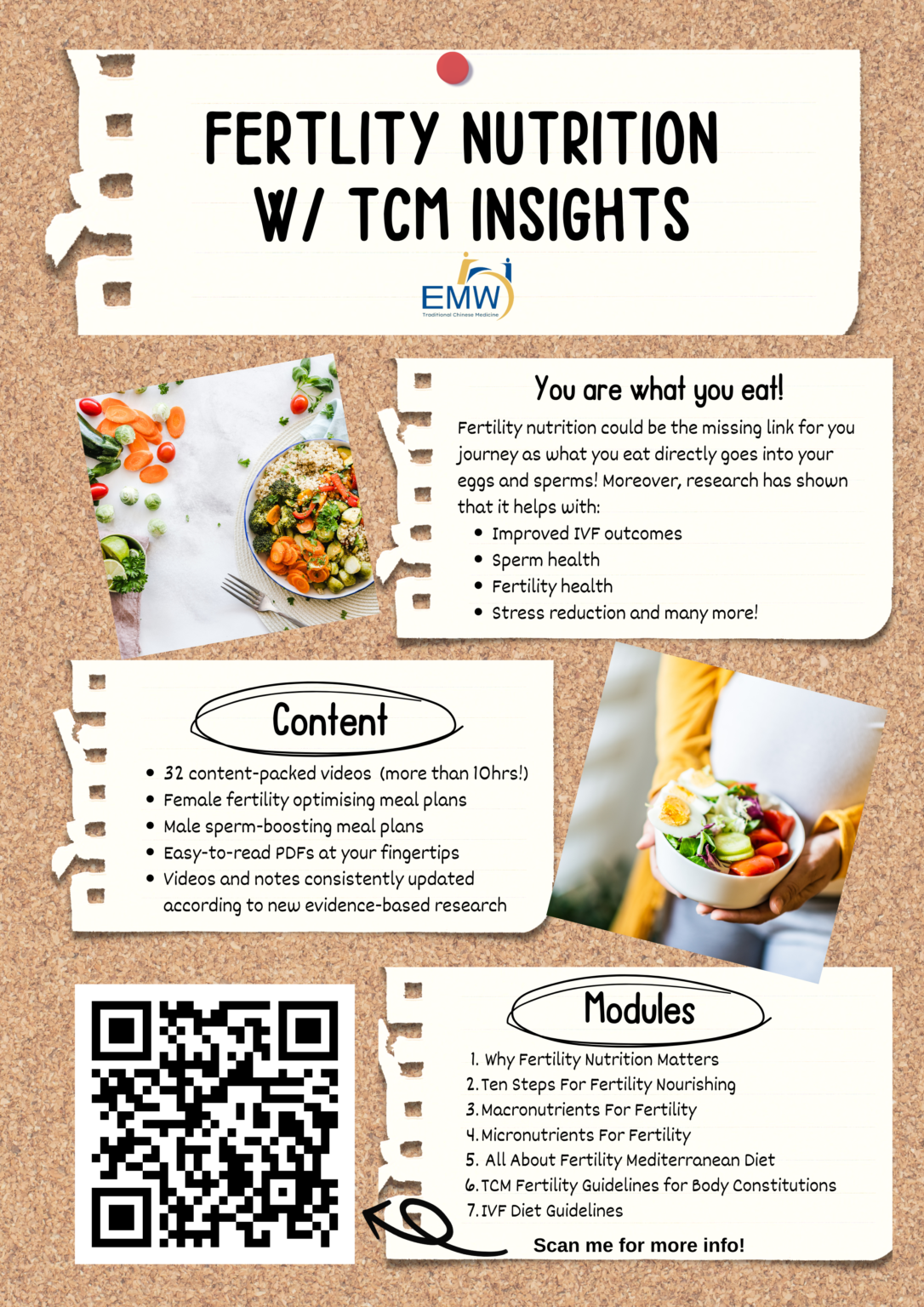
Our Flagship Ebook & Video Course
When to Seek Professional TCM Fertility Help
Fertility is not just a matter of age or hormones. It is a reflection of the body’s internal harmony. Traditional Chinese Medicine provides an integrative and natural way to restore this balance, supporting both physical and emotional readiness for conception.
At EMW TCM Singapore, our team of experienced physicians brings together centuries-old wisdom and modern evidence to guide your fertility journey. Whether you are trying naturally or preparing for IVF, we are here to help you create the best internal environment for new life to begin.
If you have been trying to conceive for more than six to twelve months, experience irregular menses, painful periods, or have been diagnosed with PCOS, endometriosis, or low sperm count, consider a consultation. Professional TCM fertility care aims to correct the underlying imbalance rather than simply forcing ovulation or hormone production.
Check out our links below to book your fertility consultation and begin your holistic journey toward conception.
EMW TCM Clinics
International Building Branch
360 Orchard Road, International Building #02-05/06
Singapore 238869
Book Your Appointment With Us Here: +65 89585869
Our Physicians
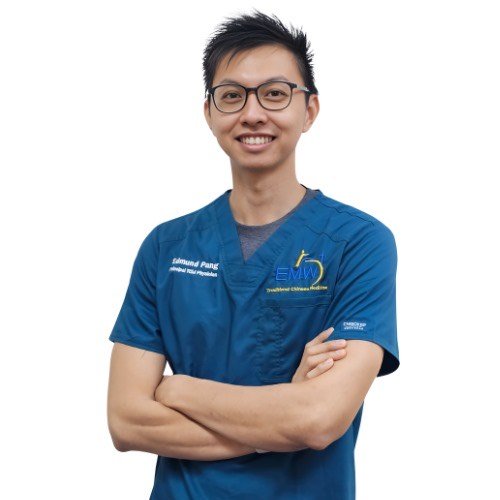
Principal TCM Physician
- M.Med(TCM Gynaecology)
- B.Sc(Hons) Biomedical Sciences
- Dip. Naturopath
- Ayurvedic Therapist(500hrs)
- Registered TCM Physician (Singapore MOH)
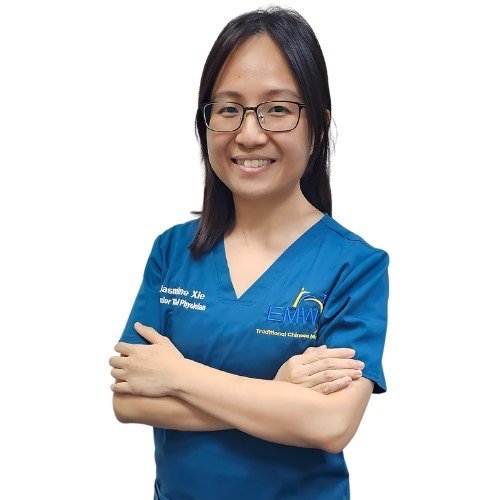
Senior TCM Physician
- M.Med(TCM Acupuncture & Moxibustion)
- B.Sc(Hons) Biomedical Sciences
- Certified Aromatherapist
- Registered TCM Physician (Singapore MOH)

TCM Physician
- M.Med(TCM Gynaecology)
- B.Sc(Hons) Biomedical Sciences
- Registered TCM Physician (Singapore MOH)
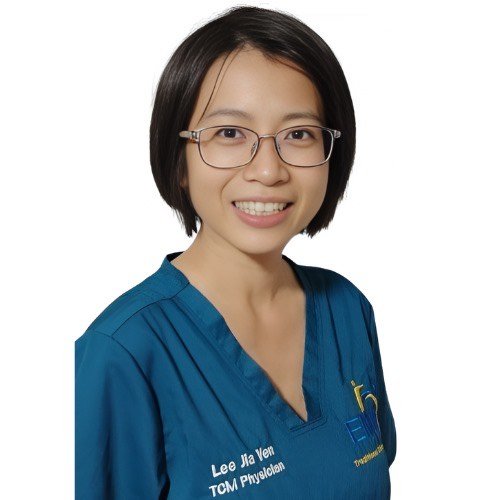
TCM Physician
- B.Med(TCM)
- B.Sc(Hons) Biomedical Sciences
- International Board-Certified Lactation Consultant (IBCLC)
- Registered TCM Physician (Singapore MOH)
References
- Chao JC et al. Antioxidant effects of Lycium barbarum polysaccharides. J Sci Food Agric. 2006. DOI: 10.1002/jsfa.2362
- Stener-Victorin E et al. Reduction of uterine artery blood flow impedance. Hum Reprod. 1996. DOI: 10.1093/oxfordjournals.humrep.a019187
- May-Panloup P et al. Mitochondrial biogenesis and oocyte quality. Hum Reprod Update. 2016. DOI: 10.1093/humupd/dmw006
- Stener-Victorin E & Wu X. Acupuncture effects on the reproductive system. Auton Neurosci. 2010. DOI: 10.1016/j.autneu.2009.12.001
- Tamura H et al. Melatonin and female reproduction. J Obstet Gynaecol Res. 2014. DOI: 10.1111/jog.12317