Why Are My IVF Eggs Immature? 7 Reasons Behind a Low Egg Maturity Rate
You have just completed your IVF egg retrieval.
Your doctor tells you that 12 eggs were collected. After all those injections, scans and appointments, you finally feel a little relieved.
Then the embryology report arrives.
Only 5 eggs were mature enough for ICSI.
Seven were immature.
It can be difficult to understand how 12 retrieved eggs have suddenly become just 5 usable eggs. You may wonder whether your follicles were too small, whether the trigger injection was given at the wrong time, or whether something is wrong with your egg quality.
These are questions we often hear from patients going through IVF.
The important thing to understand is that the number of eggs retrieved and the number of mature eggs are not the same.
Having immature eggs in IVF can happen for several reasons. Some relate to the stimulation and trigger protocol, while others involve how the ovaries and eggs respond to treatment.
Before planning another retrieval, it helps to identify which part of the process may have contributed to the outcome.
Quick answer: Why Are Some Eggs Immature After IVF Retrieval?
Eggs need to complete a series of developmental changes before they are ready for fertilisation.
In ICSI cycles, embryologists assess whether the retrieved eggs have reached the mature metaphase II (MII) stage.
Some eggs are still at an earlier stage when collected.
The possible reasons include uneven follicle growth, trigger timing, individual responses to fertility medication, PCOS and, occasionally, problems with the egg maturation process itself.
Immature eggs in IVF do not automatically mean that you have poor egg quality or that your next IVF cycle will produce the same result.
Your fertility specialist will need to review the entire stimulation cycle to understand what may have happened.
Understanding IVF Egg Maturity: What Do GV, MI and MII Mean?
When you receive your embryology report, you may see terms such as GV, MI and MII.
These describe different stages of egg maturation.
| Stage | What It Means | Can It Be Used for Routine ICSI? |
|---|---|---|
| GV (Germinal Vesicle) | The egg remains at an early immature stage | No |
| MI (Metaphase I) | The egg has started maturing but has not completed the first meiotic division | Not yet |
| MII (Metaphase II) | The egg has reached the mature stage, usually indicated by the presence of the first polar body | Yes |
During ovarian stimulation, fertility medications encourage several follicles to develop at the same time.
However, not every follicle grows at the same rate, and not every egg reaches maturity together.
For ICSI, the embryologist usually assesses egg maturity after removing the surrounding cumulus cells.
In conventional IVF, eggs are handled differently, and maturity may not be reported in exactly the same way.
How Is Egg Maturity Rate Calculated?
Suppose your embryology report shows:
- 12 eggs retrieved
- 5 mature MII eggs
- 4 MI eggs
- 3 GV eggs
Your maturity rate would be:
5 ÷ 12 × 100 = 41.7%
That means approximately 42% of the retrieved eggs were mature at the time of assessment.
This is a lower proportion than many patients would hope for, but the figure alone does not explain why it happened.
Your fertility specialist will need to consider the follicle measurements, stimulation protocol, trigger injection and previous treatment history.
It is also worth knowing that a mature MII egg is not necessarily a genetically normal egg. Maturity is only one part of the process required for successful fertilisation and embryo development.
1. Your Follicles May Have Grown at Different Speeds
This is one of the first things worth reviewing after an egg retrieval.
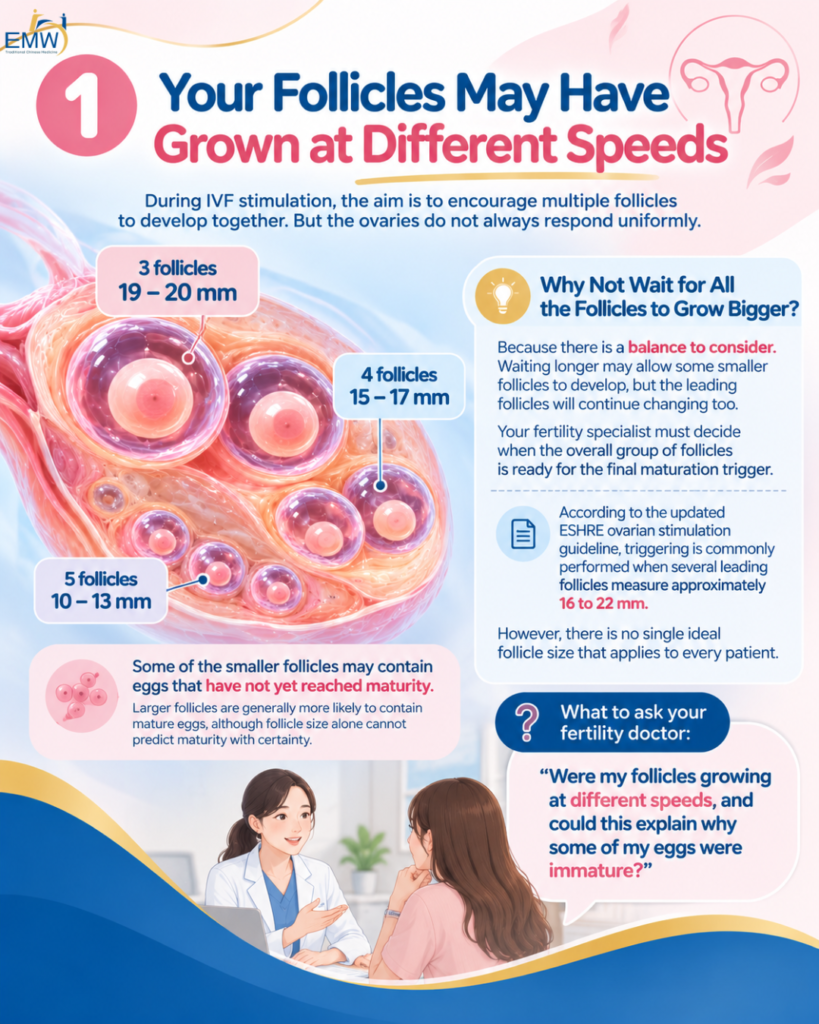
During IVF stimulation, the aim is to encourage multiple follicles to develop together.
But the ovaries do not always respond uniformly.
For example, your final ultrasound might show:
- 3 follicles measuring 19 to 20 mm
- 4 follicles measuring 15 to 17 mm
- 5 follicles measuring 10 to 13 mm
Some of the smaller follicles may contain eggs that have not yet reached maturity.
Larger follicles are generally more likely to contain mature eggs, although follicle size alone cannot predict maturity with certainty.
Why Not Wait for All the Follicles to Grow Bigger?
Because there is a balance to consider.
Waiting longer may allow some smaller follicles to develop, but the leading follicles will continue changing too.
Your fertility specialist must decide when the overall group of follicles is ready for the final maturation trigger.
According to the updated ESHRE ovarian stimulation guideline, triggering is commonly performed when several leading follicles measure approximately 16 to 22 mm.
However, there is no single ideal follicle size that applies to every patient.
What to ask your fertility doctor:
“Were my follicles growing at different speeds, and could this explain why some of my eggs were immature?”
2. The Trigger Injection May Have Been Given Before Some Eggs Were Ready
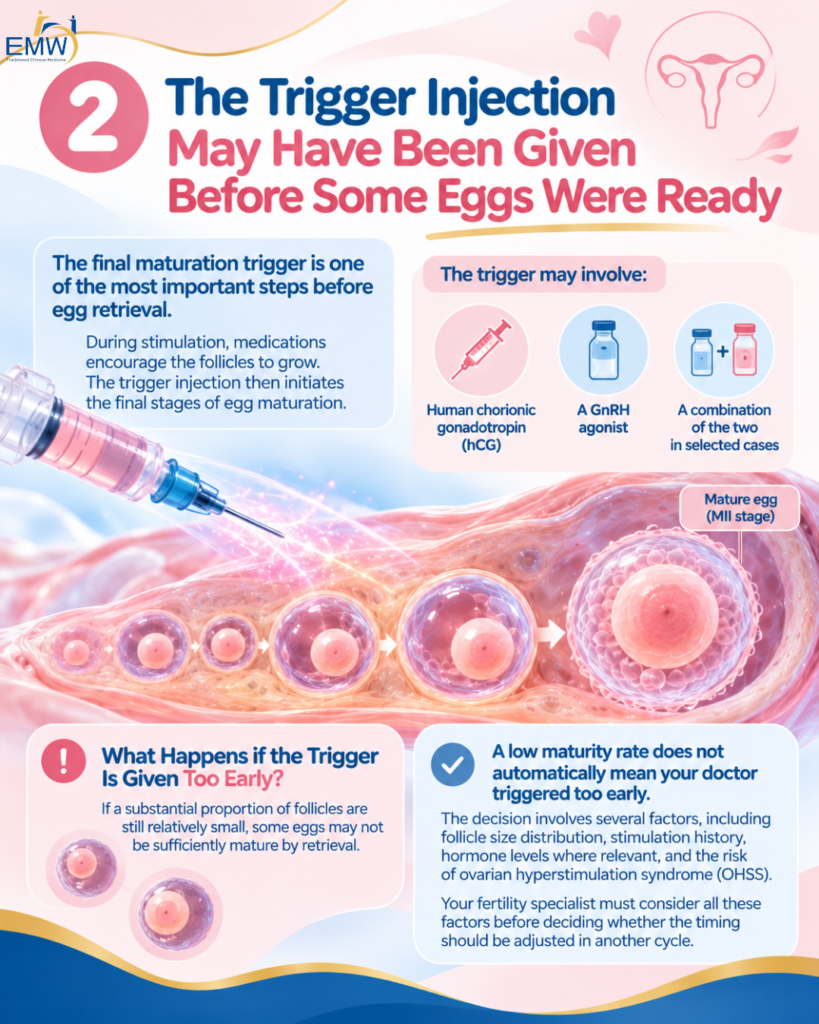
The final maturation trigger is one of the most important steps before egg retrieval.
During stimulation, medications encourage the follicles to grow.
The trigger injection then initiates the final stages of egg maturation.
Depending on the IVF protocol, the trigger may involve:
- Human chorionic gonadotropin (hCG)
- A GnRH agonist
- A combination of the two in selected cases
After the trigger, eggs undergo important changes that allow them to progress towards the MII stage.
What Happens if the Trigger Is Given Too Early?
If a substantial proportion of follicles are still relatively small, some eggs may not be sufficiently mature by retrieval.
However, a low maturity rate does not automatically mean your doctor triggered too early.
The decision involves several factors, including follicle size distribution, stimulation history, hormone levels where relevant, and the risk of ovarian hyperstimulation syndrome (OHSS).
Your fertility specialist must consider all these factors before deciding whether the timing should be adjusted in another cycle.
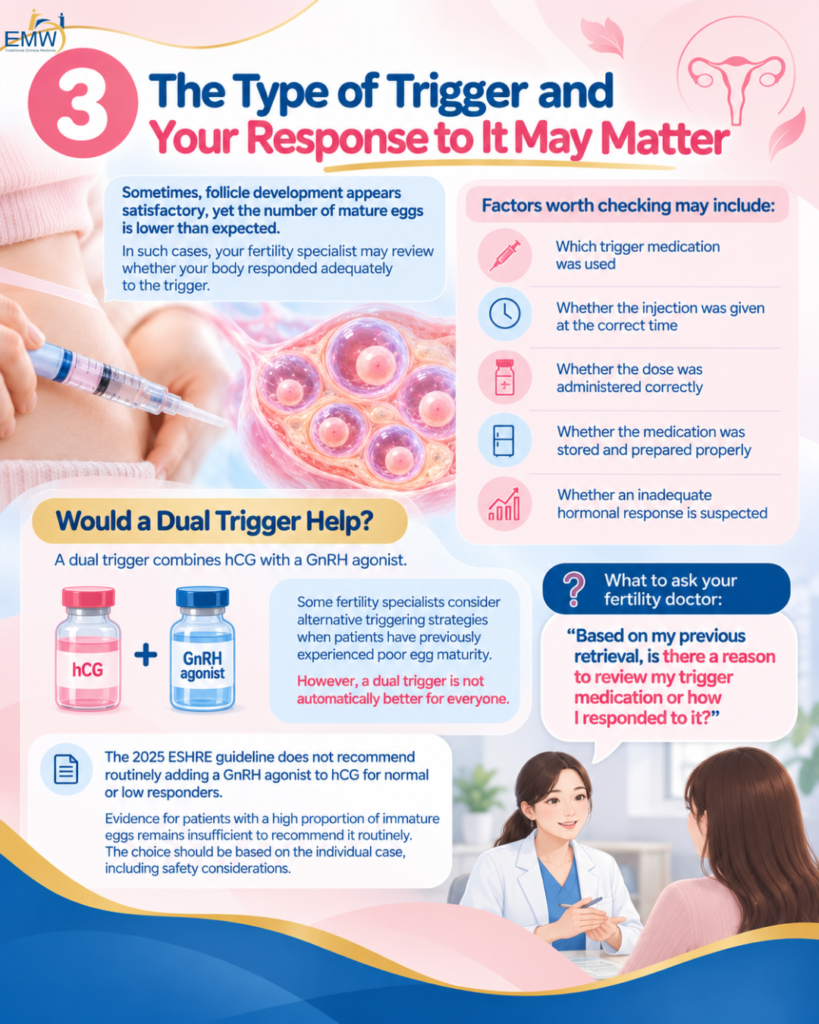
3. The Type of Trigger and Your Response to It May Matter
Sometimes, follicle development appears satisfactory, yet the number of mature eggs is lower than expected.
In such cases, your fertility specialist may review whether your body responded adequately to the trigger.
Factors worth checking may include:
- Which trigger medication was used
- Whether the injection was given at the correct time
- Whether the dose was administered correctly
- Whether the medication was stored and prepared properly
- Whether an inadequate hormonal response is suspected
Would a dual trigger help?
You may have heard of a dual trigger, which combines hCG with a GnRH agonist.
Some fertility specialists consider alternative triggering strategies when patients have previously experienced poor egg maturity.
However, a dual trigger is not automatically better for everyone.
The 2025 ESHRE guideline does not recommend routinely adding a GnRH agonist to hCG for normal or low responders. Evidence for patients with a high proportion of immature eggs remains insufficient to recommend it routinely.
The choice should be based on the individual case, including safety considerations.
What to ask your fertility doctor:
“Based on my previous retrieval, is there a reason to review my trigger medication or how I responded to it?”
4. The Time Between Trigger Injection and Egg Retrieval Is Important
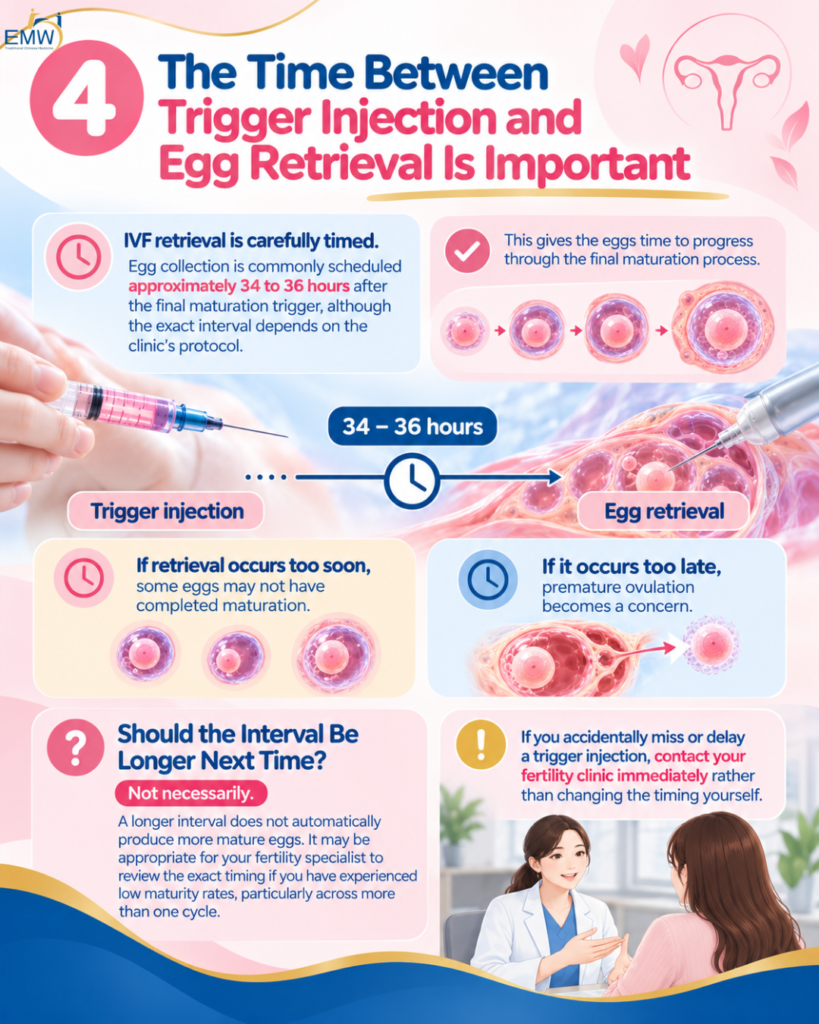
IVF retrieval is carefully timed.
Egg collection is commonly scheduled approximately 34 to 36 hours after the final maturation trigger, although the exact interval depends on the clinic’s protocol.
This gives the eggs time to progress through the final maturation process.
If retrieval occurs too soon, some eggs may not have completed maturation.
If it occurs too late, premature ovulation becomes a concern.
Should the Interval Be Longer Next Time?
Not necessarily.
A longer interval does not automatically produce more mature eggs.
It may be appropriate for your fertility specialist to review the exact timing if you have experienced unexpectedly low maturity rates, particularly across more than one cycle.
But this is not something patients should adjust independently.
If you accidentally miss or delay a trigger injection, contact your fertility clinic immediately rather than changing the timing yourself.
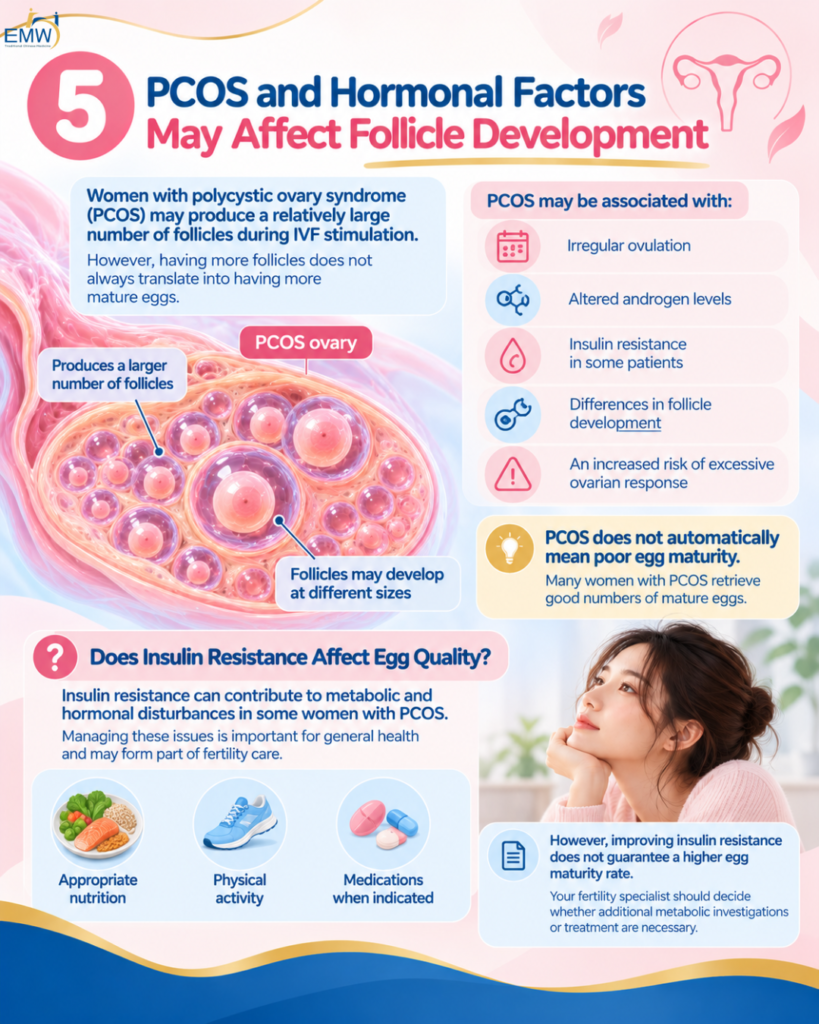
5. PCOS and Hormonal Factors May Affect Follicle Development
Women with polycystic ovary syndrome (PCOS) may produce a relatively large number of follicles during IVF stimulation.
However, having more follicles does not always translate into having more mature eggs.
PCOS may be associated with:
- Irregular ovulation
- Altered androgen levels
- Insulin resistance in some patients
- Differences in follicle development
- An increased risk of excessive ovarian response
Some women with PCOS develop follicles of noticeably different sizes, making it more challenging to decide when to trigger.
However, PCOS does not automatically mean poor egg maturity. Many women with PCOS retrieve good numbers of mature eggs.
Does Insulin Resistance Affect Egg Quality?
Insulin resistance can contribute to metabolic and hormonal disturbances in some women with PCOS.
Managing these issues is important for general health and may form part of fertility care.
This may involve appropriate nutrition, physical activity and medications when indicated.
However, improving insulin resistance does not guarantee a higher egg maturity rate.
Your fertility specialist should decide whether additional metabolic investigations or treatment are necessary.
6. Your Ovarian Reserve, Age and Stimulation Response May Play a Role
Patients often assume that low AMH means they will produce immature eggs.
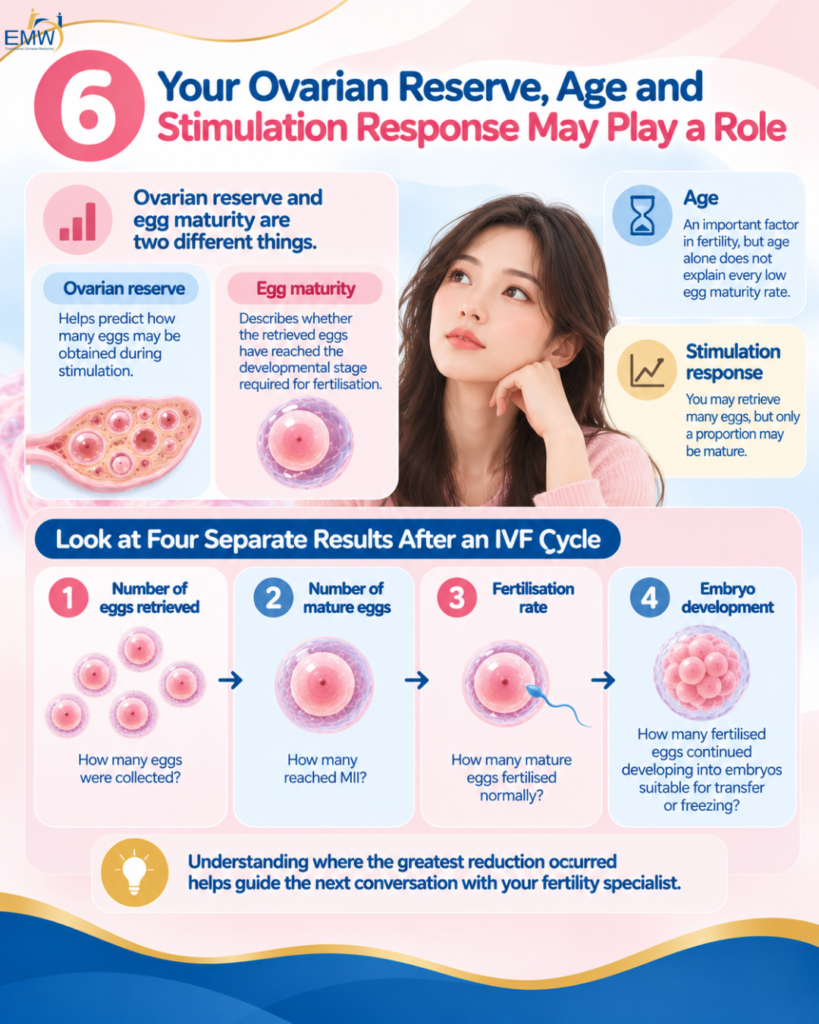
But ovarian reserve and egg maturity are two different things.
Ovarian reserve helps predict how many eggs may be obtained during stimulation.
Egg maturity describes whether the retrieved eggs have reached the developmental stage required for fertilisation.
For example, a woman with diminished ovarian reserve may retrieve only three eggs, but all three may be mature.
Another woman may retrieve 15 eggs, yet only a proportion have reached MII.
Does Age Affect Egg Maturity?
Age is an important factor in fertility, particularly because chromosomal abnormalities become more common as women get older.
However, age alone does not explain every low egg maturity rate.
It is important to distinguish egg maturity from the egg’s wider developmental potential.
After an IVF cycle, I would encourage patients to look at four separate results.
1. Number of eggs retrieved
How many eggs were collected?
2. Number of mature eggs
How many reached MII?
3. Fertilisation rate
How many mature eggs fertilised normally?
4. Embryo development
How many fertilised eggs continued developing into embryos suitable for transfer or freezing?
A reduction at each stage may suggest different issues.
For example, retrieving only two eggs from six developing follicles is not the same problem as retrieving six eggs but finding only two mature.
Similarly, retrieving six mature eggs but having only one fertilise is a different concern.
Understanding where the greatest reduction occurred helps guide the next conversation with your fertility specialist.
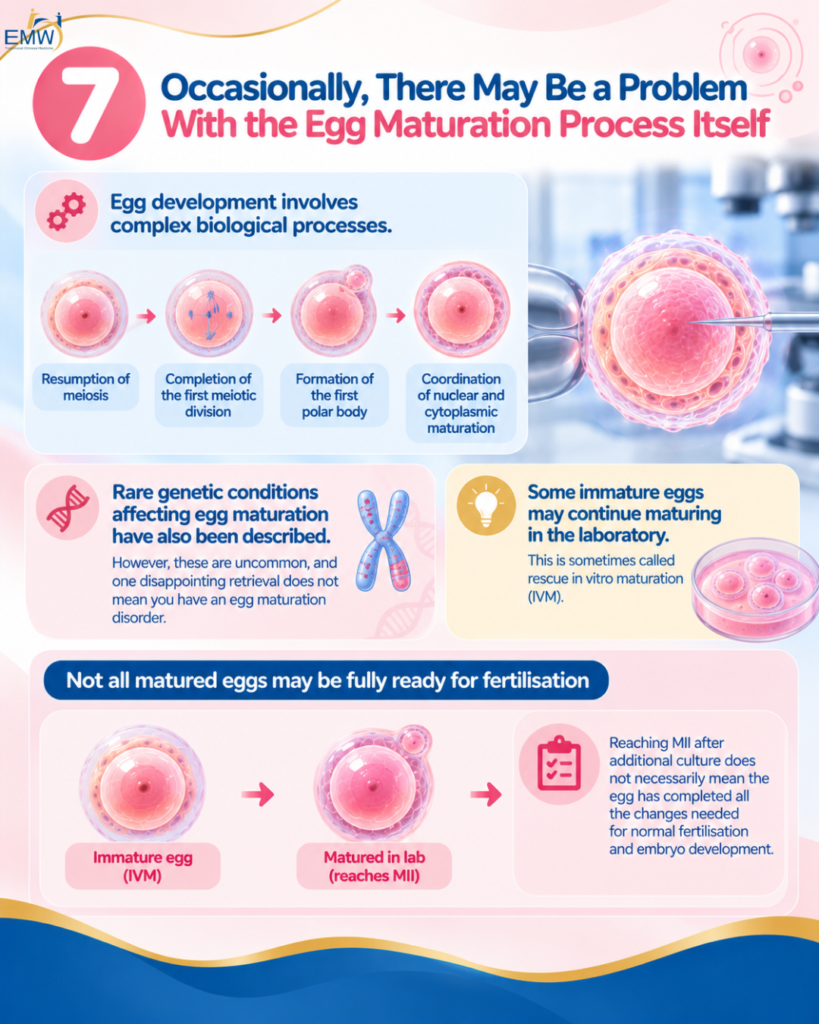
7. Occasionally, There May Be a Problem With the Egg Maturation Process Itself
Some patients repeatedly retrieve a high proportion of immature eggs despite apparently appropriate follicle growth, stimulation and triggering.
When this happens, the fertility specialist may consider whether there is an intrinsic problem affecting egg maturation.
Egg development involves complex biological processes, including:
- Resumption of meiosis
- Completion of the first meiotic division
- Formation of the first polar body
- Coordination of nuclear and cytoplasmic maturation
Rare genetic conditions affecting oocyte maturation have also been described.
However, these are uncommon, and one disappointing egg retrieval does not mean you have an egg maturation disorder.
Can Immature Eggs Become Mature in the Laboratory?
Some immature eggs may continue maturing in the laboratory.
This is sometimes called rescue in vitro maturation.
However, an egg reaching MII after additional culture does not necessarily mean it has completed all the changes required for normal fertilisation and embryo development.
The American Society for Reproductive Medicine notes that nuclear and cytoplasmic maturation must be appropriately coordinated.
Your embryology laboratory can explain whether any immature eggs were cultured further and whether they became suitable for treatment.
How Does Traditional Chinese Medicine Understand Low Egg Maturity?
TCM approaches reproductive health differently from Western medicine.
In TCM theory, the Kidney system is associated with reproductive development, while the Liver and Spleen systems are involved in the regulation of Qi, Blood and other functions.
The Chong and Ren meridians are also traditionally associated with menstruation and reproduction.
However, these concepts are not direct equivalents of ovarian hormones, follicle size or laboratory measures of egg quality.
At EMW TCM, we do not assume that every patient with low egg maturity has the same TCM diagnosis.
Two women may have similar IVF results but very different menstrual patterns, digestive health, energy levels and accompanying symptoms.
Their TCM treatment plans may therefore differ.
Kidney Essence Deficiency (肾精不足)
Within TCM, Kidney Essence is associated with reproductive growth and development.
A patient with a relevant Kidney deficiency pattern may present with fertility difficulties alongside fatigue, lower back soreness, menstrual irregularities or other constitutional signs.
TCM treatment principle: Nourish Kidney Essence and support the underlying deficiency pattern when appropriate.
This does not mean TCM has been proven to restore ovarian reserve or correct chromosomal abnormalities.
Liver Qi Stagnation (肝气郁结)
Some patients experience breast tenderness before menstruation, abdominal bloating, irritability or menstrual discomfort.
In TCM, these symptoms may suggest Liver Qi Stagnation when considered alongside the full assessment.
TCM treatment principle: Soothe Liver Qi and regulate Qi movement.
Acupuncture may be used to help manage suitable symptoms and support relaxation during the IVF preparation period.
Spleen Qi Deficiency With Dampness (脾虚湿盛)
This pattern may be considered in patients experiencing digestive weakness, bloating, fatigue, loose stools or a sensation of heaviness.
Some patients with PCOS may present with this pattern, although PCOS itself is not equivalent to Spleen deficiency or Dampness.
TCM treatment principle: Strengthen Spleen Qi and address Dampness according to the individual’s clinical presentation.
Dietary guidance and appropriate TCM treatment may be considered during fertility preparation.
Blood Stasis (血瘀)
Patients experiencing painful periods, dark menstrual blood or clots may have features consistent with Blood Stasis in TCM.
TCM treatment principle: Regulate Qi and Blood and address Stasis when clinically appropriate.
Treatment must be modified according to the stage of fertility treatment. Strongly blood-moving herbs or techniques may be unsuitable when pregnancy is possible.
How EMW TCM Supports Patients Preparing for Another IVF Retrieval
For patients concerned about immature eggs in IVF, EMW TCM offers individualised fertility acupuncture, appropriate herbal treatment and lifestyle guidance alongside their IVF specialist’s care.
Our approach is not simply to recommend a few acupuncture sessions before retrieval.
We first want to understand what happened during the previous cycle and how the patient is doing overall.
1. We Review Your Previous IVF Results
During your initial consultation, our physician may review:
- Your age and fertility history
- AMH and antral follicle count (AFC)
- Previous ovarian stimulation protocols
- Number of follicles before retrieval
- Number of eggs retrieved
- Number of mature MII eggs
- Fertilisation and embryo development
- Previous IVF or ICSI outcomes
- Relevant conditions such as PCOS or endometriosis
- Menstrual cycle, bleeding and pain
- Sleep, stress and digestive symptoms
These details help us understand your current fertility treatment stage and develop an appropriate complementary care plan.
They do not replace your fertility specialist’s assessment of medication response, trigger timing or embryology results.
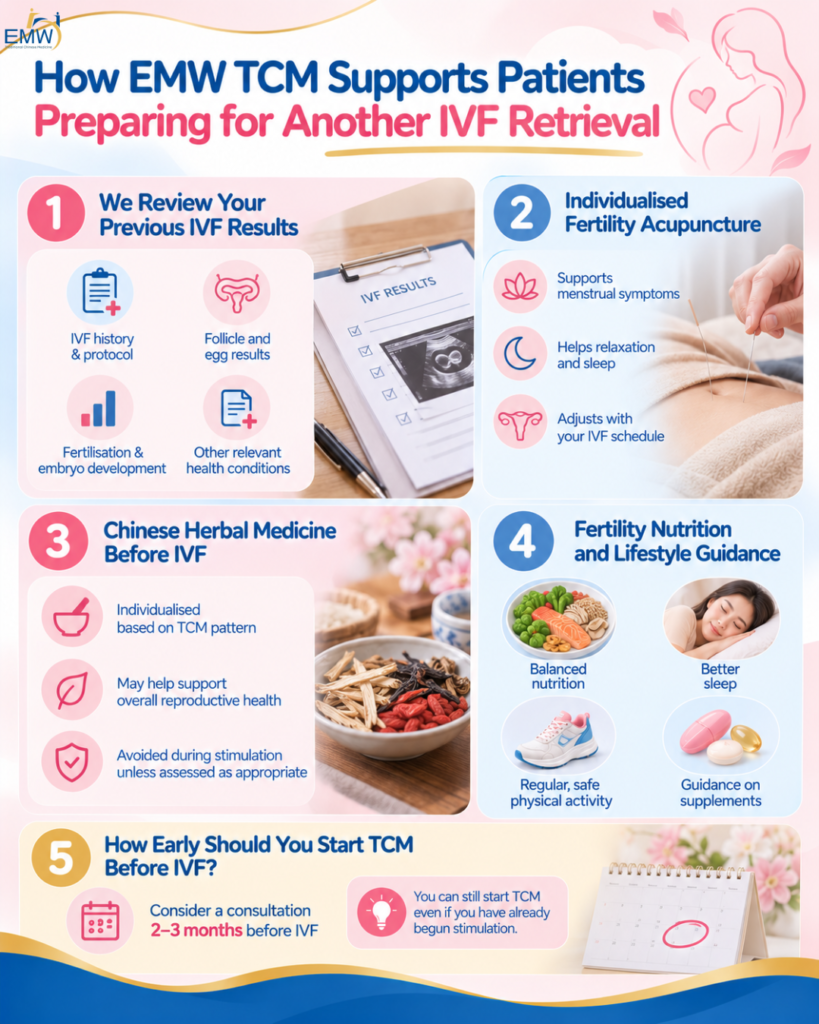
2. Individualised Fertility Acupuncture
At EMW TCM, acupuncture treatment is planned around the patient’s symptoms, TCM diagnosis and IVF schedule.
For some patients, we may recommend acupuncture twice weekly during the first two weeks, followed by weekly sessions depending on progress and clinical needs.
During the preparation period, treatment may focus on menstrual discomfort, sleep disturbances, relaxation and other relevant symptoms.
As ovarian stimulation begins, the treatment approach is adjusted according to the patient’s response and upcoming retrieval date.
We also take into account enlarged ovaries, abdominal discomfort and the risk of OHSS.
Can Acupuncture Improve Egg Maturity?
Research has investigated acupuncture in fertility treatment, but there is currently insufficient reliable evidence that it increases the percentage of mature MII eggs.
Similarly, acupuncture has not been shown consistently to improve live birth rates during IVF.
At EMW TCM, we therefore position acupuncture as complementary care rather than a guaranteed method of improving egg numbers, egg maturity or pregnancy outcomes.
3. Chinese Herbal Medicine Before IVF
Chinese herbal medicine may be considered during the preparation phase when appropriate.
The prescription depends on the TCM pattern.
For example, treatment may focus on nourishing Kidney Essence, supporting Qi and Blood, regulating Liver Qi or addressing digestive weakness.
However, we do not prescribe the same fertility formula to every patient.
Certain herbs may interact with medications or be inappropriate during ovarian stimulation and possible pregnancy.
At EMW TCM, herbal medicine is generally avoided during active ovarian stimulation and around embryo transfer unless specifically assessed as appropriate and coordinated with the fertility specialist.
There is also insufficient high-quality evidence that Chinese herbs reliably increase the number of mature eggs retrieved.
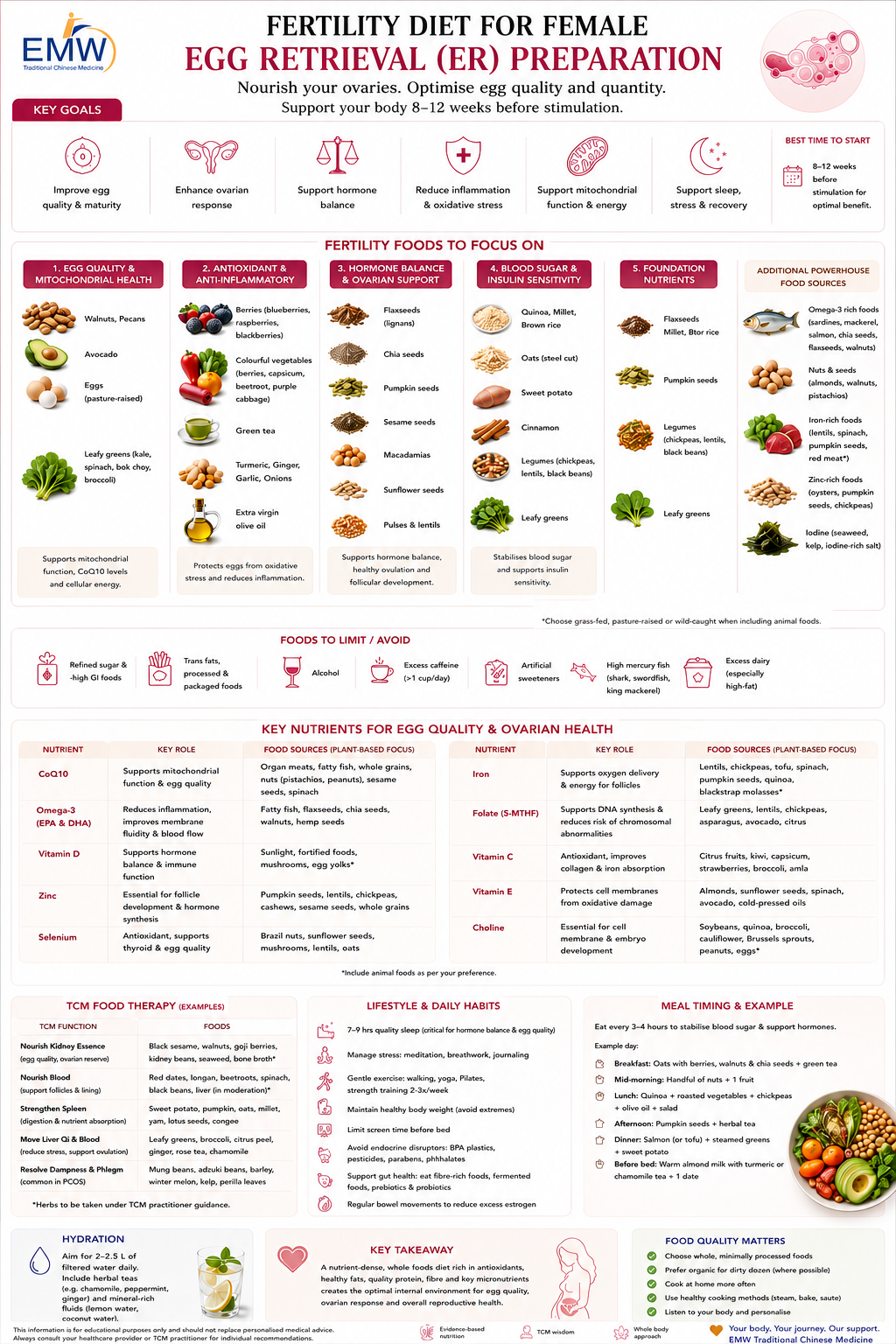
4. Fertility Nutrition and Lifestyle Guidance
Patients preparing for another IVF cycle often ask what they should eat and which supplements they should take.
There is no single food or supplement that can guarantee more mature eggs.
However, taking care of your general health remains worthwhile.
Protein intake
Include suitable sources of protein in your daily meals, such as eggs, fish, poultry, tofu, yoghurt or legumes.
Balanced meals
Aim for regular meals that provide vegetables, whole grains, healthy fats and sufficient energy.
Patients with PCOS or insulin resistance may require more individualised nutritional advice.
Sleep
Try to maintain consistent sleep and wake times. If sleep has been particularly poor during IVF, discuss practical ways to improve it.
Physical activity
Regular, comfortable movement is beneficial for general health.
During ovarian stimulation, your fertility clinic may advise avoiding vigorous exercise or activities involving significant abdominal twisting because the ovaries can become enlarged.
Supplements
Supplements such as CoQ10 are commonly discussed during fertility preparation.
However, evidence that these reliably improve IVF live birth outcomes or correct low egg maturity remains uncertain.
Do not start DHEA or other hormonal supplements without advice from your fertility specialist.
5. How Early Should You Start TCM Before IVF?
If your next stimulation cycle has not been scheduled, you may consider a TCM consultation several weeks before treatment.
Some patients choose to begin around two to three months before IVF, allowing more time for regular appointments, symptom management and lifestyle adjustments.
This is a practical preparation period, not a proven requirement for egg maturation.
If you have already started stimulation, our physicians can still assess whether complementary care is appropriate at your current stage.
There is no need to postpone an otherwise suitable IVF cycle solely to complete a certain number of acupuncture sessions.
Seven Questions to Ask Before Your Next Egg Retrieval
If your previous cycle produced fewer mature eggs than expected, these are useful questions to bring to your IVF review.
- How many eggs were MII, MI and GV? This tells you exactly how many eggs had reached each maturation stage.
- What were the follicle sizes on trigger day? Were the follicles growing relatively evenly, or was there a wide variation?
- Was the trigger medication appropriate? Ask whether the medication choice, dose or response warrants review.
- Was the trigger-to-retrieval interval appropriate? Your fertility specialist can review the timing of both steps.
- Would a different stimulation protocol be useful? This depends on your previous response and medical history.
- Has this happened in more than one IVF cycle? Repeated low maturity rates may warrant closer investigation.
- Are there any medical conditions that should be addressed before another cycle? These might include relevant metabolic, hormonal or reproductive factors.
A detailed review of your previous cycle is generally more useful than changing several treatments without identifying a clear reason.
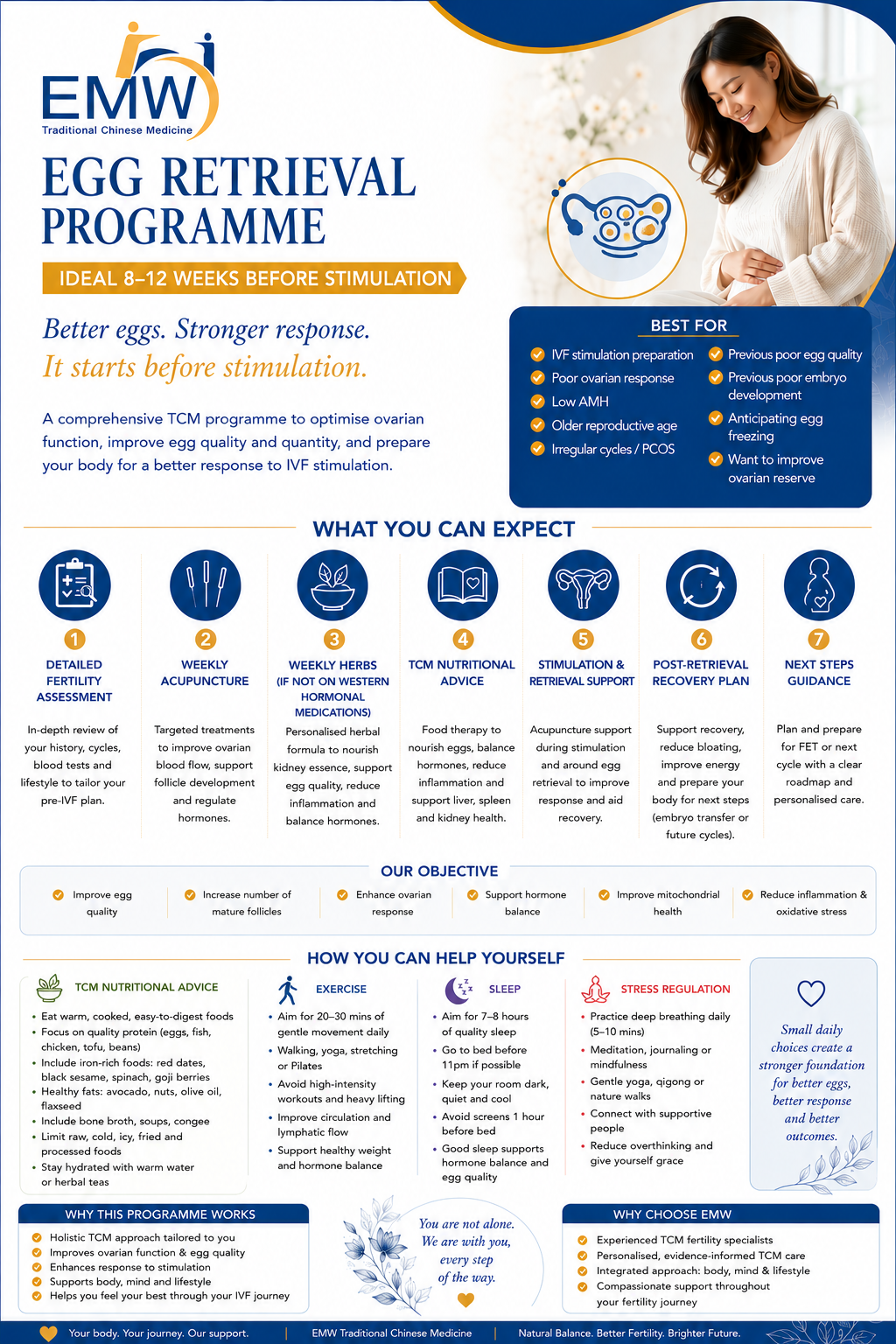
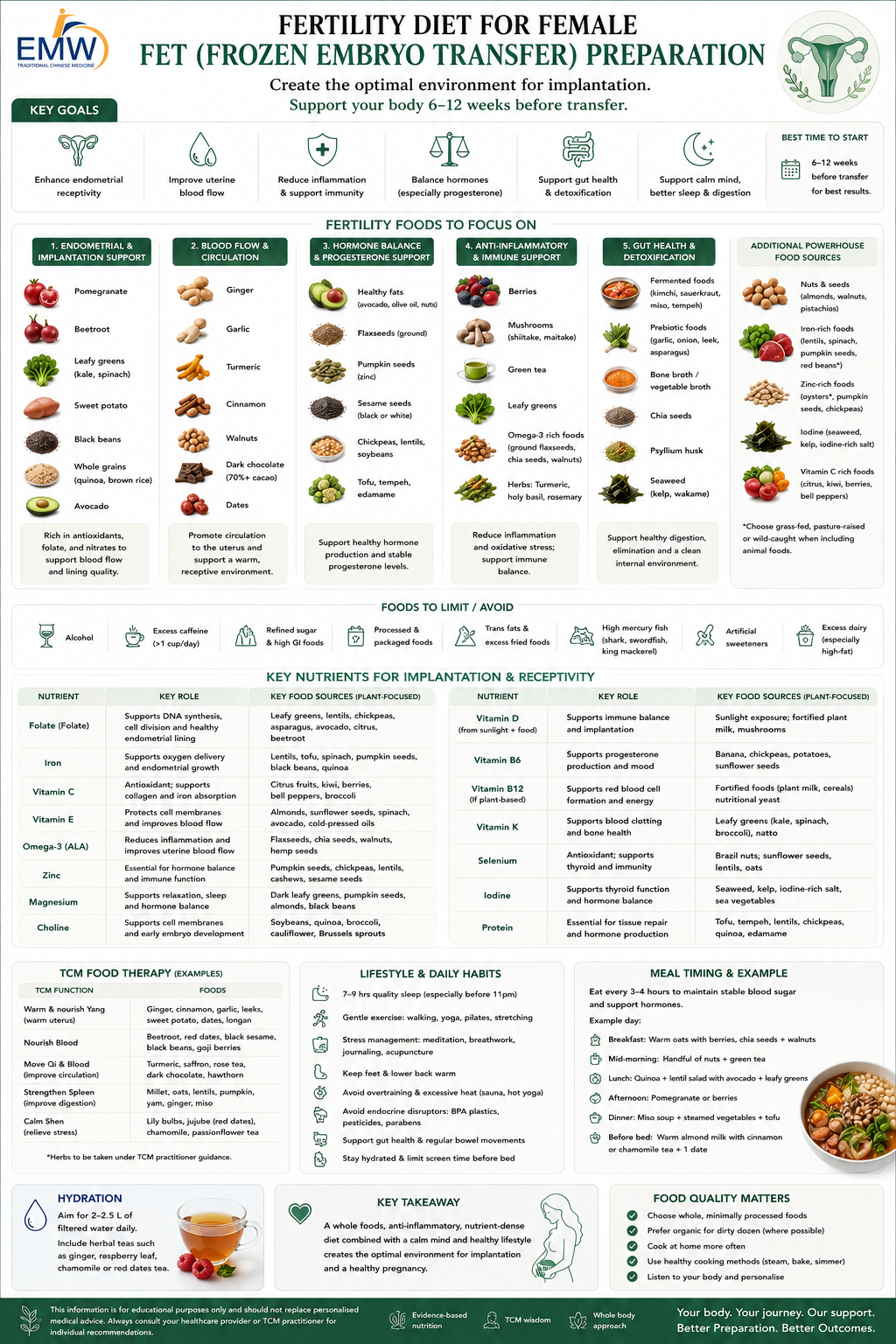
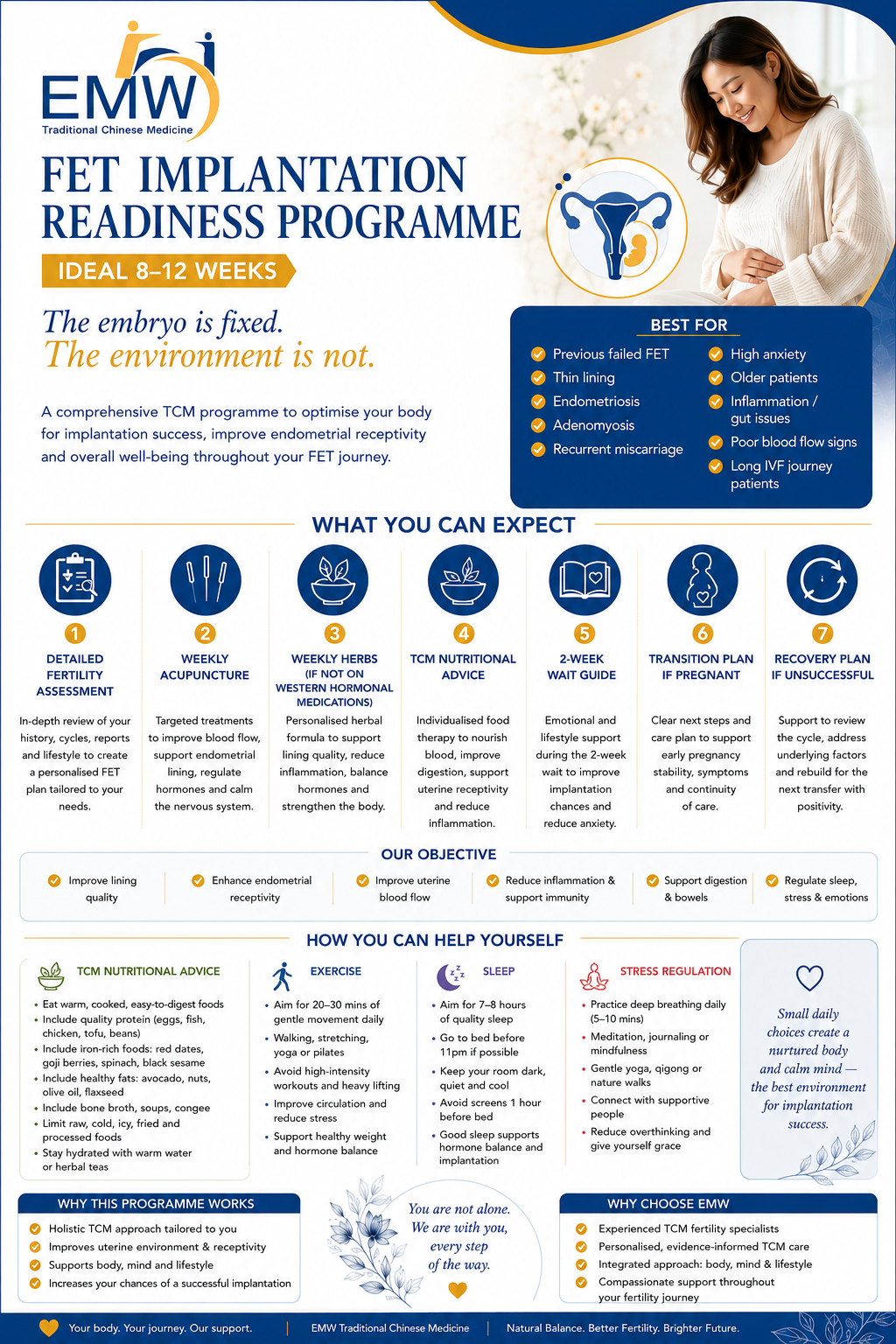
EMW IVF Master Guide
Press the image to zoom in. If you like such infographics, we have a ‘3 ways to superboost your fertility’ PDF guide – Actionable steps that can help to support your reproductive health right away. You can sign up for free here: https://emwtcm.podia.com/3-ways-to-boost-your-fertility
Frequently Asked Questions
Is It Normal to Have Some Immature Eggs During IVF?
Yes. Not all eggs retrieved during IVF will necessarily be mature. Follicles can grow at different rates, and some eggs may remain at GV or MI stage.
What matters is the overall result and whether it is consistent with the expected response.
What Is a Good Egg Maturity Rate?
Many stimulated ICSI cycles produce a substantial majority of mature eggs, but maturity rates vary between patients and protocols.
There is no single percentage that guarantees fertilisation, embryo development or pregnancy.
I Retrieved 10 Eggs but Only 4 Were Mature. Is That Bad?
Four mature eggs out of ten represents a 40% maturity rate.
This may be lower than expected and is worth reviewing with your fertility specialist.
However, it does not mean that the four mature eggs are necessarily poor quality.
Can Immature Eggs Still Be Fertilised?
Routine ICSI requires mature MII eggs.
Some immature eggs may continue developing in the laboratory, but their ability to fertilise and form viable embryos can be lower or less predictable.
Does Low AMH Mean My Eggs Will Be Immature?
No. Low AMH is primarily associated with reduced ovarian reserve and may predict a lower number of eggs retrieved.
It does not automatically mean the eggs are immature.
Can TCM Improve Egg Maturity Before IVF?
There is insufficient evidence that acupuncture or Chinese herbal medicine reliably improves MII egg maturity rates.
TCM may be considered as complementary care for appropriate symptoms and general wellbeing during fertility preparation.
Final Thoughts: One Disappointing Retrieval Does Not Tell the Whole Story
Having immature eggs in IVF can feel especially disappointing when you have already gone through weeks of injections, scans and appointments.
But a low maturity rate in one cycle does not necessarily mean the next cycle will be the same.
Before starting again, it is worth understanding what happened.
Were your follicles growing unevenly?
Was the trigger response appropriate?
Would a different stimulation approach be worth considering?
Or is there a reason to investigate egg maturation more closely?
These are discussions to have with your fertility specialist.
At EMW TCM Singapore, we support patients preparing for IVF through personalised acupuncture, appropriate TCM treatment and practical nutrition and lifestyle guidance.
Our physicians consider your fertility history alongside your menstrual health, digestion, sleep and overall constitution to develop a complementary care plan suited to your treatment timeline.
Planning another IVF cycle?
Read more fertility articles at www.emw.sg/blog.
Explore our EMW Fertility Optimisation Bundle for practical fertility nutrition and TCM lifestyle guidance.
Book your $138 first trial with EMW TCM via WhatsApp 97280455
First trial consultation and acupuncture at $138 before GST.
TCM treatment is complementary and does not replace IVF medications, fertility specialist care or appropriate medical investigations.
When to Seek Professional TCM Fertility Help
Fertility is not just a matter of age or hormones. It is a reflection of the body’s internal harmony. Traditional Chinese Medicine provides an integrative and natural way to restore this balance, supporting both physical and emotional readiness for conception.
At EMW TCM Singapore, our team of experienced physicians brings together centuries-old wisdom and modern evidence to guide your fertility journey. Whether you are trying naturally or preparing for IVF, we are here to help you create the best internal environment for new life to begin.
If you have been trying to conceive for more than six to twelve months, experience irregular menses, painful periods, or have been diagnosed with PCOS, endometriosis, or low sperm count, consider a consultation. Professional TCM fertility care aims to correct the underlying imbalance rather than simply forcing ovulation or hormone production.
Check out our links below to book your fertility consultation and begin your holistic journey toward conception.
EMW TCM Clinics
International Building Branch
360 Orchard Road, International Building #02-05/06
Singapore 238869
Book Your Appointment With Us Here: +65 89585869
Our Physicians
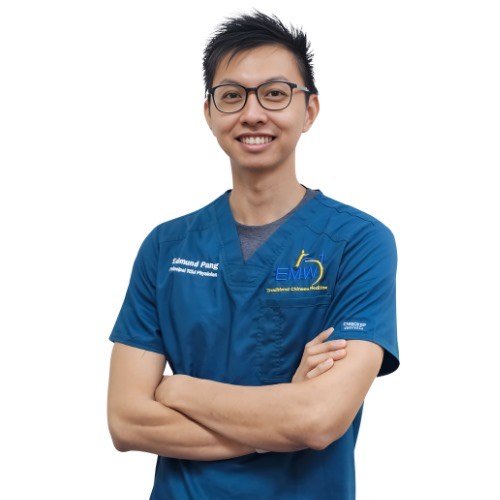
Principal TCM Physician
- M.Med(TCM Gynaecology)
- B.Sc(Hons) Biomedical Sciences
- Dip. Naturopath
- Ayurvedic Therapist(500hrs)
- Registered TCM Physician (Singapore MOH)
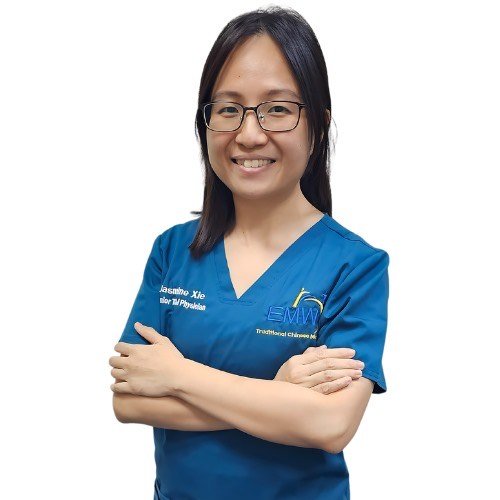
Senior TCM Physician
- M.Med(TCM Acupuncture & Moxibustion)
- B.Sc(Hons) Biomedical Sciences
- Certified Aromatherapist
- Registered TCM Physician (Singapore MOH)

TCM Physician
- M.Med(TCM Gynaecology)
- B.Sc(Hons) Biomedical Sciences
- Registered TCM Physician (Singapore MOH)

TCM Physician
- M.Med(TCM Acupuncture & Moxibustion)
- B.Sc(Hons) Biomedical Sciences
- Registered TCM Physician (Singapore MOH)
TCM Physician
- B.Med(TCM)
- B.Sc(Hons) Biomedical Sciences
- International Board-Certified Lactation Consultant (IBCLC)
- Registered TCM Physician (Singapore MOH)
References
- European Society of Human Reproduction and Embryology. (2025). Ovarian stimulation for IVF/ICSI: Updated guideline. ESHRE Guideline
- American Society for Reproductive Medicine. (2021). In vitro maturation: A committee opinion. Fertility and Sterility, 115(2), 298–304. ASRM Practice Guidance
- Smith CA, et al. (2018). Effect of acupuncture vs sham acupuncture on live births among women undergoing in vitro fertilization: A randomized clinical trial. JAMA, 319(19), 1990–1998. Clinical Study
- EMW TCM. TCM IVF Acupuncture Support in Singapore. EMW IVF Acupuncture Service