Adenomyosis and IVF: 7 Essential Facts Before Frozen Embryo Transfer
You have completed egg retrieval.
Your embryos are frozen.
Your fertility specialist is preparing you for the next frozen embryo transfer (FET).
Then an ultrasound reveals something concerning: adenomyosis.
You may start wondering:
Will adenomyosis affect implantation?
Is my uterus suitable for pregnancy?
Should I undergo hormonal suppression before FET?
Can Traditional Chinese Medicine (TCM) help prepare my body for the next transfer?
If you are navigating adenomyosis and IVF, understanding how this condition may influence your fertility and what can be done before embryo transfer can help you make more informed treatment decisions.
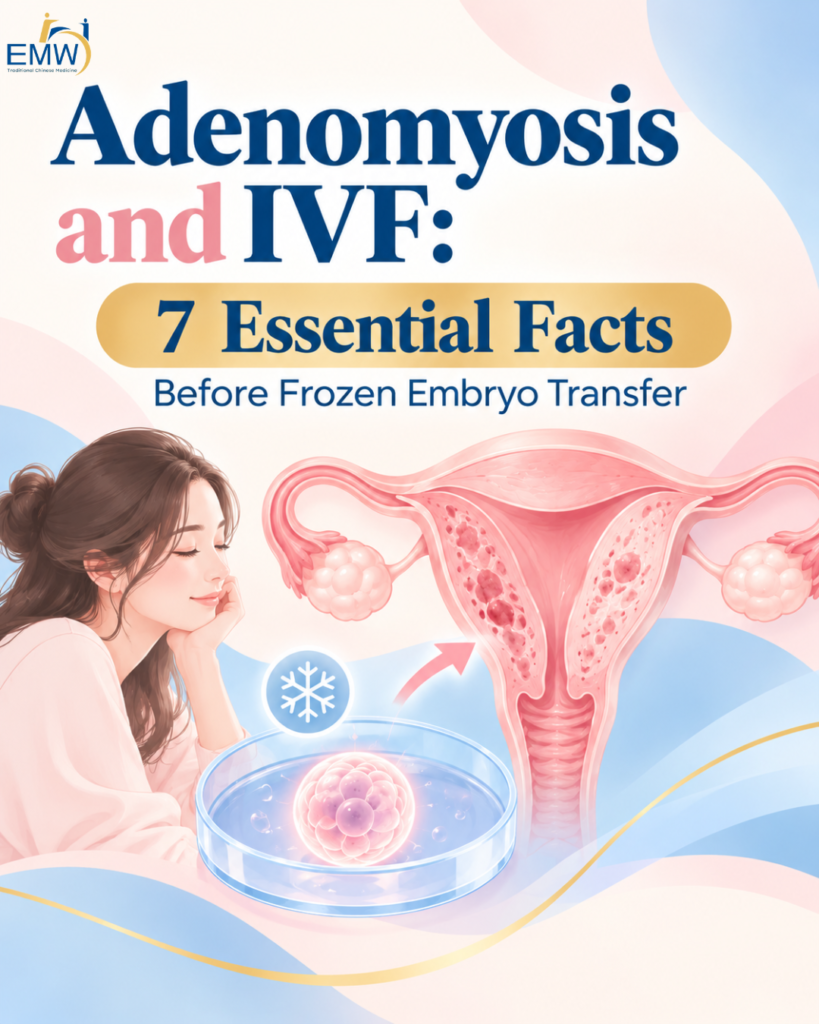
Quick answer: Can You Get Pregnant Through IVF With Adenomyosis?
Yes. Women with adenomyosis can successfully conceive through IVF and frozen embryo transfer. However, adenomyosis has been associated with lower implantation and pregnancy rates and a higher risk of miscarriage in some studies.
The outcome depends on several factors, including the extent of adenomyosis, uterine condition, age, embryo quality and individual treatment history.
Medical management may involve hormonal suppression or other interventions in selected cases.
At EMW TCM Singapore, we provide personalised acupuncture, appropriate herbal treatment and lifestyle guidance to support patients preparing for IVF and FET, alongside their fertility specialist’s treatment plan.
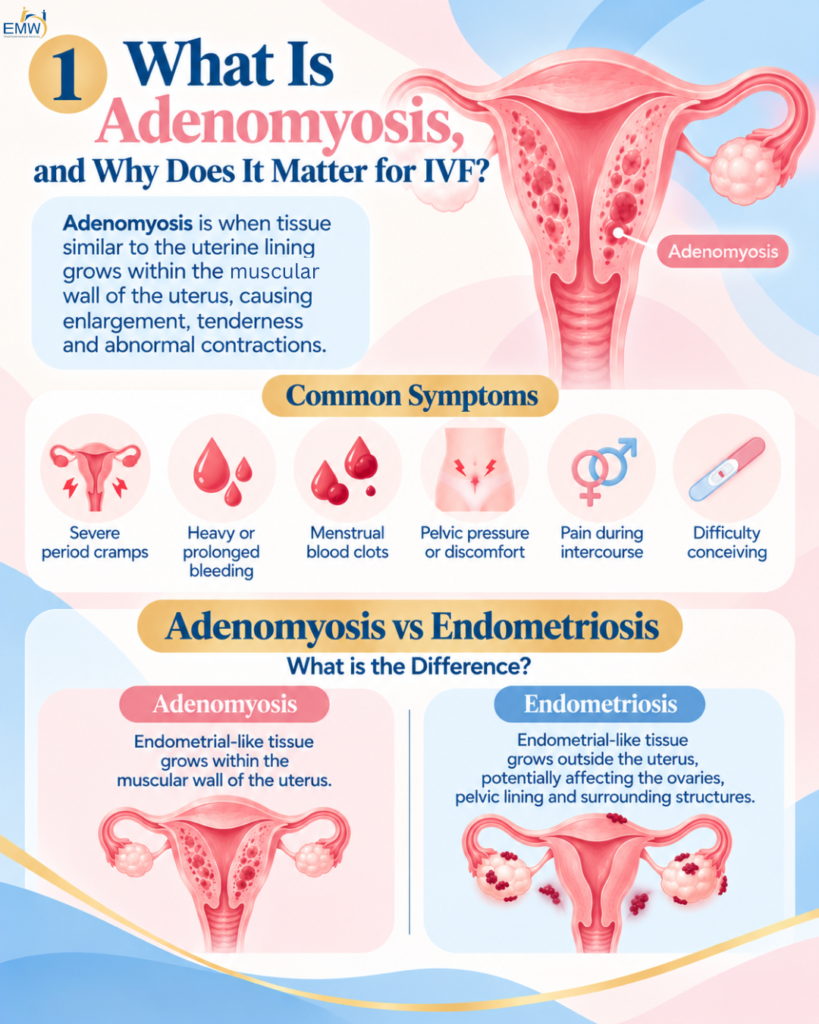
1. What Is Adenomyosis, and Why Does It Matter for IVF?
Adenomyosis is a gynaecological condition in which tissue similar to the lining of the uterus, known as the endometrium, is present within the muscular wall of the uterus, called the myometrium.
Over time, adenomyosis can cause changes in the uterine muscle, including enlargement, tenderness and abnormal uterine contractions.
Some women experience significant symptoms, while others only discover adenomyosis during fertility investigations.
Common symptoms include:
- Severe menstrual cramps or painful periods
- Heavy or prolonged menstrual bleeding
- Menstrual blood clots
- Pelvic pressure or persistent lower abdominal discomfort
- Pain during intercourse
- Difficulty conceiving
Adenomyosis can also coexist with endometriosis, fibroids or other reproductive conditions.
Adenomyosis vs Endometriosis: What Is the Difference?
Although both conditions involve endometrial-like tissue, their locations are different.
Adenomyosis: Endometrial-like tissue is found within the muscular wall of the uterus.
Endometriosis: Endometrial-like tissue grows outside the uterus, potentially affecting the ovaries, pelvic lining and surrounding structures.
For women undergoing IVF, this distinction matters because adenomyosis directly involves the uterine muscle surrounding the implantation environment.
However, having adenomyosis does not automatically mean your uterus cannot support a pregnancy.
2. Does Adenomyosis Reduce IVF Success Rates?
Adenomyosis has been associated with less favourable IVF outcomes in several observational studies and systematic reviews.
Possible effects include:
Reduced implantation rates
Changes in the uterine environment may influence the interaction between the embryo and endometrium during implantation.
Changes in uterine contractions
Adenomyosis may be associated with altered uterine contractility. Excessive or abnormal contractions have been proposed as one factor that could affect embryo implantation.
Inflammatory changes
Adenomyosis is associated with local inflammatory activity and changes within the uterine muscle. Researchers are investigating how these changes might affect endometrial receptivity.
Increased miscarriage risk
Some studies have reported higher miscarriage rates among women with adenomyosis undergoing assisted reproductive treatment.
However, these findings do not mean that every woman with adenomyosis will experience implantation failure or pregnancy loss.
The studies involve patients with different disease severity, embryo characteristics and fertility treatment protocols.
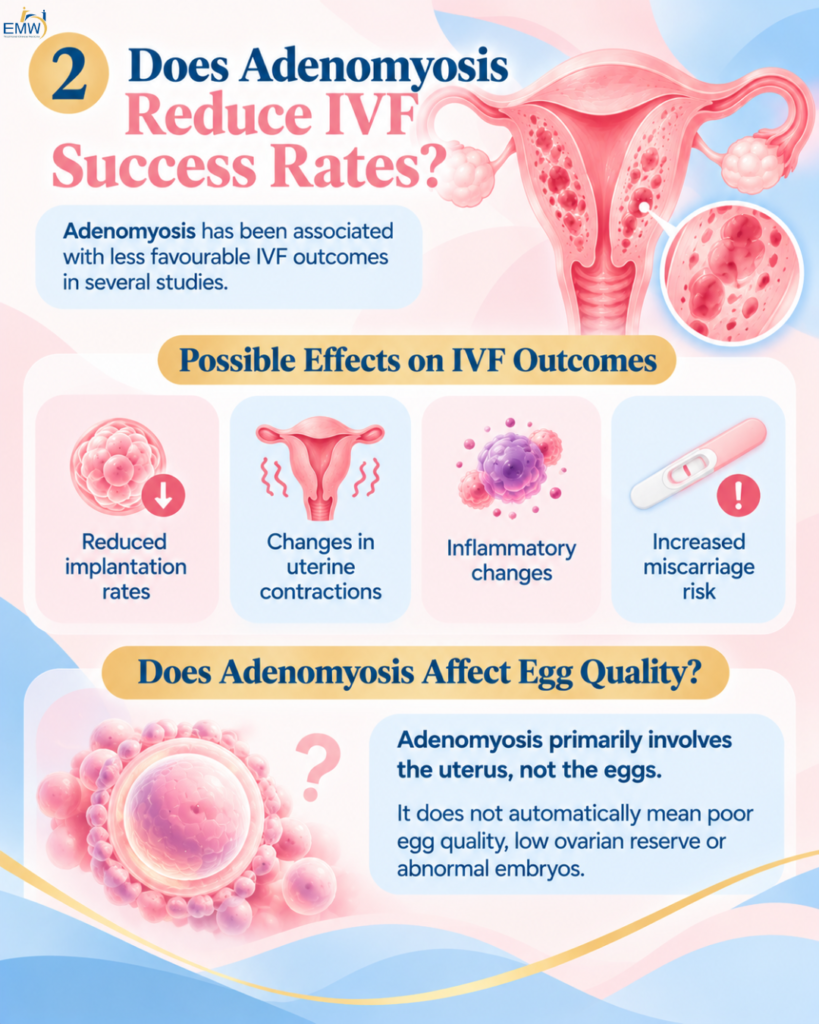
Does Adenomyosis Affect Egg Quality?
Adenomyosis primarily involves the uterus rather than the eggs.
It does not automatically mean that a woman has poor egg quality, low ovarian reserve or abnormal embryos.
Nevertheless, adenomyosis may coexist with endometriosis, increasing age or other fertility conditions that independently influence reproductive outcomes.
This is why IVF assessment should consider both embryo-related and uterine factors rather than attributing every unsuccessful transfer to adenomyosis.
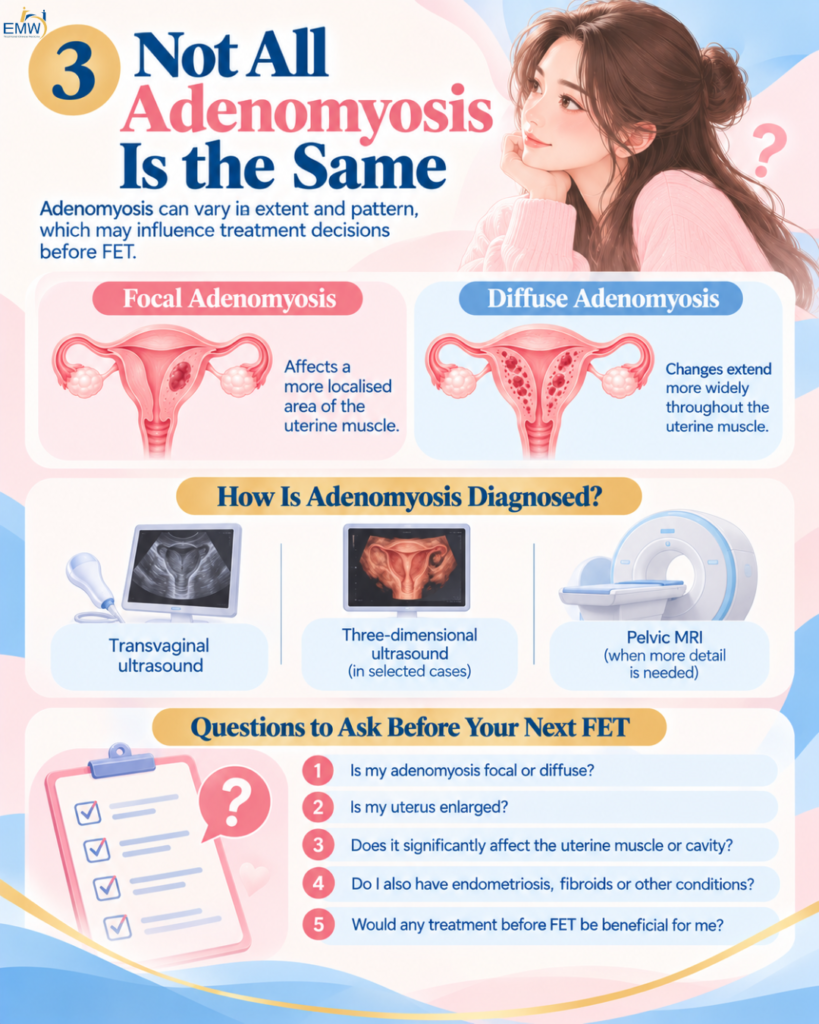
3. Not All Adenomyosis Is the Same
One important consideration before FET is the extent and pattern of adenomyosis.
The condition may be described as:
Focal adenomyosis
Adenomyotic tissue affects a more localised area of the uterine muscle.
Diffuse adenomyosis
Changes extend more widely throughout the uterine muscle.
Some women have a relatively normal-sized uterus with mild imaging findings.
Others may have considerable uterine enlargement, severe menstrual pain or coexisting fibroids and endometriosis.
These differences can influence how fertility specialists approach treatment.
How Is Adenomyosis Diagnosed?
Common diagnostic investigations include:
- Transvaginal ultrasound
- Three-dimensional ultrasound in selected cases
- Pelvic magnetic resonance imaging (MRI), particularly when additional anatomical detail is needed
An experienced clinician can often identify features suggestive of adenomyosis through ultrasound.
MRI may be helpful when findings are uncertain or when more detailed assessment is needed for treatment planning.
Questions to Ask Before Your Next FET
If you have been diagnosed with adenomyosis, consider discussing these questions with your fertility specialist:
- Is my adenomyosis focal or diffuse?
- Is my uterus enlarged?
- Does the adenomyosis significantly affect the uterine muscle or cavity?
- Do I also have endometriosis, fibroids or other uterine conditions?
- Would any treatment before FET offer a meaningful benefit in my situation?
Understanding the diagnosis is more useful than simply assuming that every patient needs the same treatment.
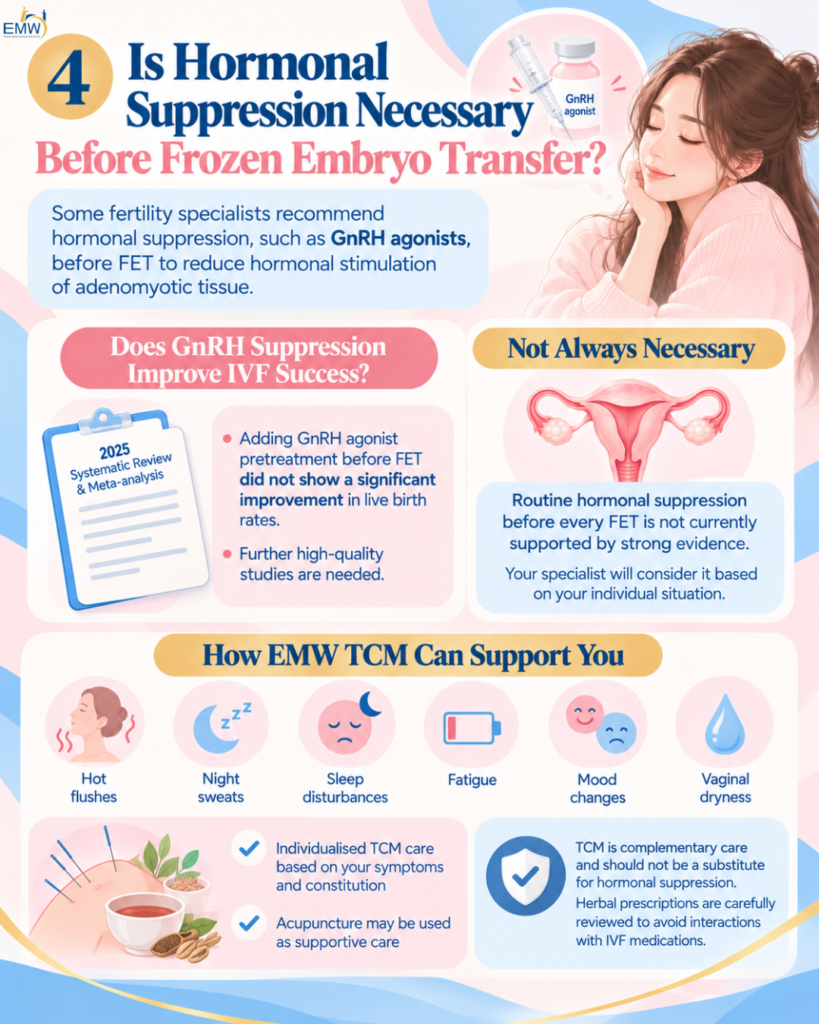
4. Is Hormonal Suppression Necessary Before Frozen Embryo Transfer?
Some fertility specialists recommend hormonal suppression before FET for patients with adenomyosis.
One approach involves gonadotropin-releasing hormone agonists (GnRH agonists), which temporarily suppress ovarian hormone production.
The intention is to reduce hormonal stimulation of adenomyotic tissue and potentially improve the uterine environment before embryo transfer.
Treatment duration varies according to the individual case.
Does GnRH Suppression Improve IVF Success?
The evidence is mixed.
A 2025 systematic review and meta-analysis published in Reproductive BioMedicine Online examined GnRH agonist pretreatment before FET in women with adenomyosis.
It found that adding GnRH agonist pretreatment to hormone replacement FET did not demonstrate a statistically significant improvement in live birth rates compared with hormone replacement FET alone.
The researchers concluded that further high-quality studies are needed.
This does not mean hormonal suppression is never useful.
Rather, it means that routine suppression before every FET is not currently supported by strong evidence of improved live birth outcomes.
Your fertility specialist may still consider suppression based on uterine findings, symptoms and previous treatment history.
Can EMW TCM Support Patients During Hormonal Suppression?
Yes. At EMW TCM, our physicians can provide complementary care during the preparation period.
Patients undergoing hormonal suppression may experience:
- Hot flushes
- Night sweats
- Sleep disturbances
- Fatigue
- Mood changes
- Vaginal dryness or other low-oestrogen symptoms
From a TCM perspective, treatment is individualised according to the symptoms and constitution rather than assuming that everyone receiving hormonal suppression has the same underlying imbalance.
For example, a patient experiencing night sweats, disrupted sleep and dryness may require a different TCM treatment approach from someone experiencing fatigue, poor digestion and persistent pelvic discomfort.
Acupuncture may be used as supportive care for selected symptoms. However, it should not be presented as a substitute for hormonal suppression or as a proven method of reversing adenomyosis.
We also review any proposed herbal prescriptions carefully because patients may be receiving IVF medications, hormone treatments or other prescribed drugs.
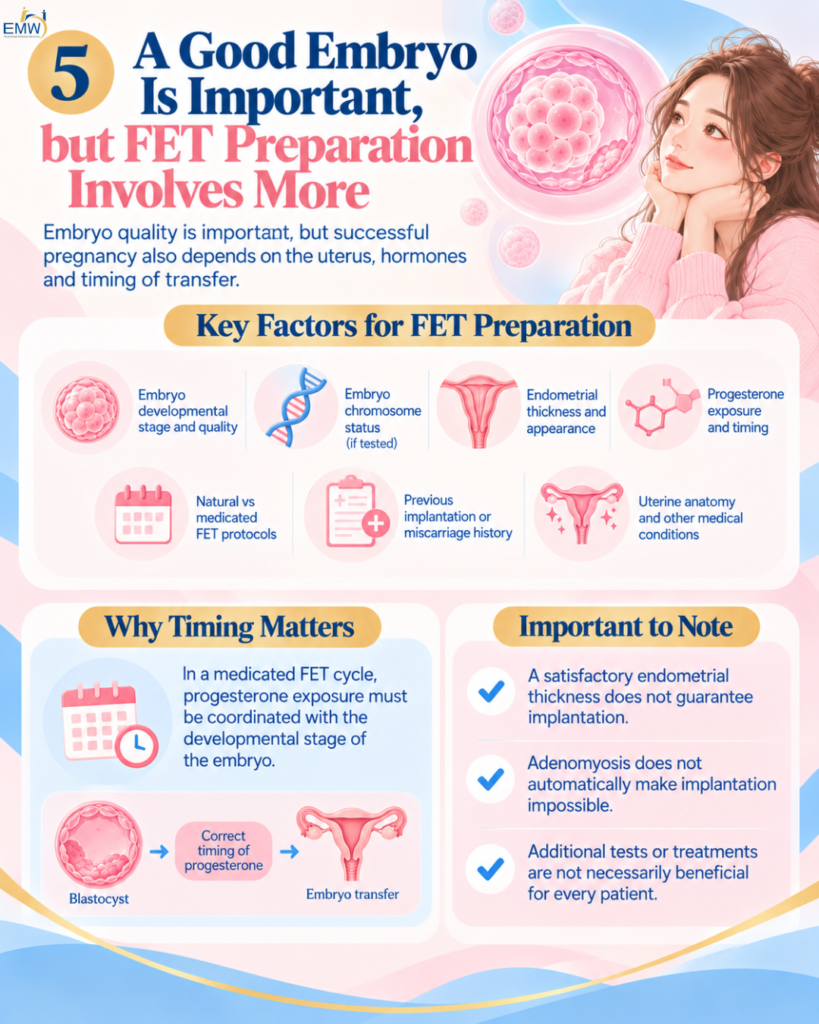
5. A Good Embryo Is Important, but FET Preparation Involves More Than Embryo Quality
A common concern among IVF patients is:
“My embryo is good quality. Why am I still worried about implantation?”
Embryo quality is an important part of IVF, but successful pregnancy also depends on appropriate endometrial development, hormonal exposure and embryo transfer.
For women with adenomyosis, the fertility specialist may consider:
- Embryo developmental stage and quality
- Embryo chromosome status, if testing has been performed
- Endometrial thickness and appearance
- Progesterone exposure and timing
- Natural versus medicated FET protocols
- Previous implantation or miscarriage history
- Uterine anatomy and other relevant medical conditions
It is important to recognise that a satisfactory endometrial thickness does not guarantee implantation, while adenomyosis does not automatically make implantation impossible.
Similarly, additional IVF treatments or tests are not necessarily beneficial simply because a patient has adenomyosis.
The most appropriate plan depends on the full clinical picture.
Why Timing Matters
In a medicated FET cycle, progesterone exposure must be coordinated with the developmental stage of the embryo.
For example, transferring a blastocyst requires the fertility clinic to carefully schedule progesterone treatment and embryo transfer.
For this reason, patients should never alter their prescribed oestrogen, progesterone or other IVF medications based on TCM advice alone.
At EMW TCM, acupuncture and other complementary treatments are planned around the fertility clinic’s schedule rather than replacing it.
6. How Does Traditional Chinese Medicine Understand and Treat Adenomyosis?
In Traditional Chinese Medicine, adenomyosis is assessed through the patient’s symptoms and pattern of imbalance.
Depending on the clinical presentation, it may fall within traditional categories associated with painful menstruation, abdominal masses, abnormal menstrual bleeding or infertility.
One commonly considered pattern is Blood Stasis (血瘀).
However, not every patient with adenomyosis presents with the same TCM pattern, and Blood Stasis is a traditional diagnostic concept rather than a direct measurement of blood circulation or a medical blood-clotting disorder.
At EMW TCM, we assess menstrual symptoms, pain characteristics, digestive health, sleep, stress, fertility history, tongue and pulse before determining treatment.
A. Liver Qi Stagnation and Blood Stasis (肝郁气滞、气滞血瘀)
Patients with this pattern may experience:
- Significant menstrual cramps
- Dark menstrual blood or clots
- Lower abdominal distension
- Breast tenderness before menstruation
- Emotional tension or irritability
TCM treatment principle:
Soothe Liver Qi, regulate Qi movement and address Blood Stasis according to the patient’s presentation.
Before pregnancy is possible, acupuncture may be considered for menstrual discomfort and associated symptoms.
The treatment approach must change during the post-ovulation and embryo transfer phases.
B. Cold Congealing and Blood Stasis (寒凝血瘀)
Possible features include:
- Menstrual cramps that feel worse with cold exposure
- Lower abdominal discomfort that improves with warmth
- Dark menstrual blood or clots
- A tendency to feel cold
TCM treatment principle:
Warm and regulate the relevant channels, address Cold and support the circulation of Qi and Blood within the traditional TCM framework.
Acupuncture and, in selected patients, moxibustion may be considered during the appropriate pre-transfer period.
Moxibustion is not automatically suitable for every patient. Direct abdominal heat treatment is avoided when pregnancy may have occurred or after embryo transfer.
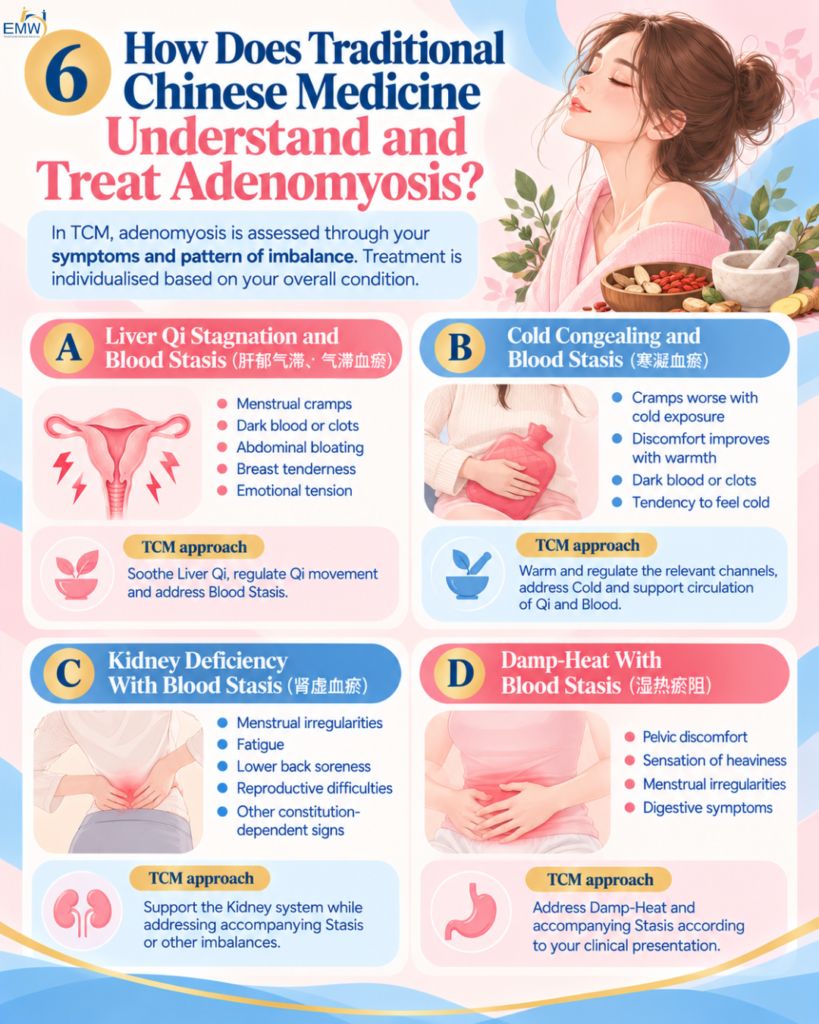
C. Kidney Deficiency With Blood Stasis (肾虚血瘀)
In TCM, the Kidney system is traditionally associated with reproductive development and function.
Possible associated symptoms include:
- Menstrual irregularities
- Fatigue
- Lower back soreness
- A history of reproductive difficulties
- Other constitution-dependent signs
TCM treatment principle:
Support the Kidney system according to the patient’s pattern while addressing accompanying Stasis or other imbalances where appropriate.
This does not mean TCM can reverse reproductive ageing, increase egg numbers or guarantee embryo implantation.
D. Damp-Heat With Blood Stasis (湿热瘀阻)
Some patients may present with:
- Pelvic discomfort
- A sensation of heaviness
- Menstrual irregularities
- Digestive symptoms or other Damp-Heat characteristics
TCM treatment principle:
Address Damp-Heat and accompanying Stasis according to the clinical assessment.
Importantly, pelvic pain, abnormal discharge or fever may also indicate medical conditions such as infection and should not be attributed to a TCM pattern without appropriate medical evaluation.
Why Pattern Differentiation Matters
Two patients may both receive a diagnosis of adenomyosis from their gynaecologist.
Yet one experiences severe cramps, dark clots and abdominal distension, while another mainly struggles with fatigue, sleep disturbances and digestive discomfort during IVF treatment.
The medical diagnosis is the same, but their TCM assessments and treatment priorities may differ.
This is why EMW TCM does not apply one universal acupuncture or herbal protocol to every patient with adenomyosis.
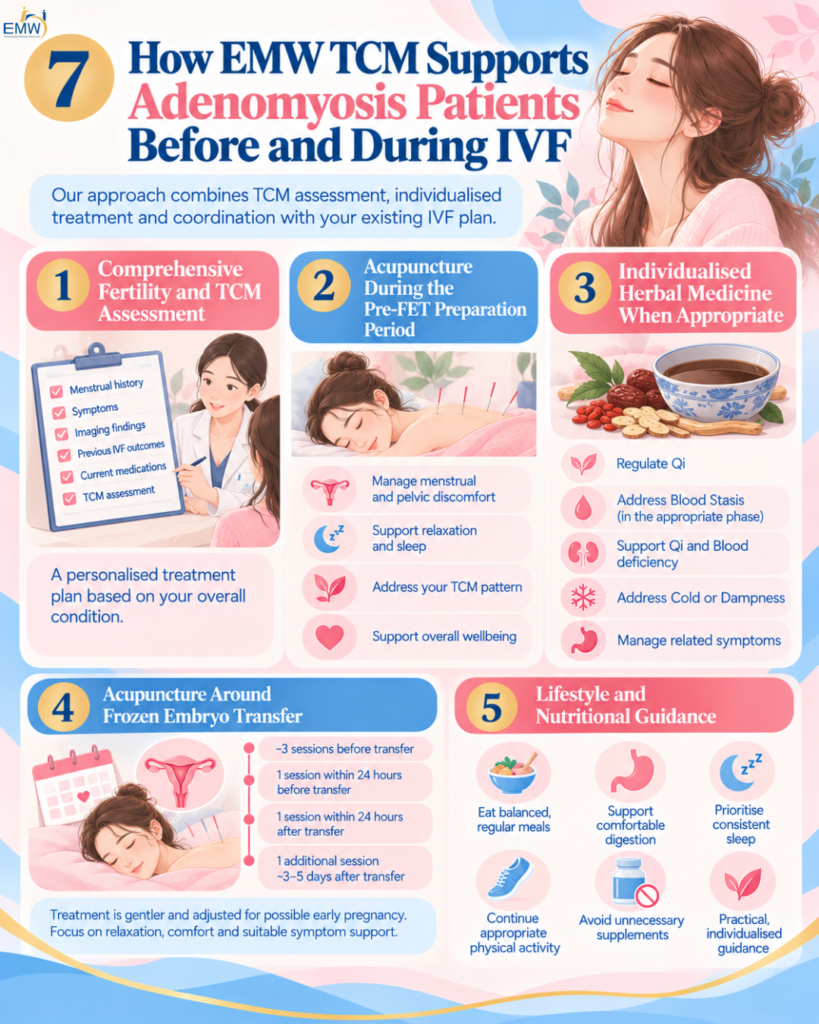
7. How EMW TCM Supports Adenomyosis Patients Before and During IVF
At EMW TCM Singapore, our approach combines TCM assessment, individualised treatment and coordination with the patient’s existing IVF plan.
Our goals are to help manage relevant symptoms, support overall wellbeing and prepare patients for their fertility treatment journey without disrupting medical care.
Step 1: Comprehensive Fertility and TCM Assessment
During the first consultation, our physician reviews:
- Menstrual cycle and bleeding pattern
- Severity and location of menstrual pain
- Adenomyosis ultrasound or MRI findings
- Relevant diagnoses such as endometriosis or fibroids
- Previous IVF and FET outcomes
- Ovarian reserve and embryo information where available
- Current fertility medications
- Sleep, digestion, fatigue and emotional wellbeing
- TCM tongue and pulse findings
Based on the assessment, our physician develops an individualised treatment plan.
Step 2: Acupuncture During the Pre-FET Preparation Period
If time permits, preparation may begin several weeks before the planned embryo transfer.
Depending on the patient, EMW may recommend more frequent acupuncture initially, followed by weekly sessions.
Treatment during this period may focus on:
Managing menstrual and pelvic discomfort
Acupuncture may provide symptom relief in some patients with painful menstruation. However, the evidence for specifically improving adenomyosis-related fertility outcomes remains limited.
Supporting relaxation and sleep
Patients undergoing IVF frequently experience disrupted sleep, anxiety and physical tension.
Acupuncture sessions may be used as one component of supportive symptom management.
Addressing accompanying TCM patterns
Acupuncture point selection is adjusted according to the patient’s TCM diagnosis and stage of treatment.
For example, treatment principles may focus on regulating Qi, addressing Stasis during an appropriate nonpregnant phase, or supporting deficiency patterns.
Point selection becomes more conservative as ovulation or embryo transfer approaches.
Supporting general wellbeing during FET preparation
Our physicians also review digestion, bowel habits, nutrition and daily routines.
These areas do not replace uterine investigations or IVF medications, but they can affect how comfortably a patient manages treatment.
Step 3: Individualised Herbal Medicine When Appropriate
TCM herbal medicine may be considered in selected patients before an active IVF cycle, depending on symptoms, constitution and medical treatment.
The treatment principles may include:
- Regulating Qi
- Addressing Blood Stasis in the appropriate phase
- Supporting Qi and Blood deficiency
- Addressing Cold or Dampness when clinically indicated
- Managing selected menstrual or digestive symptoms
However, herbal treatment is not automatically prescribed to every IVF patient.
Some traditional herbs, especially those intended to strongly move Blood, may be inappropriate when pregnancy is possible.
At EMW TCM, herbal decisions take account of current medications, IVF timing and safety considerations.
Herbs are generally avoided or paused during active stimulation and around embryo transfer unless specifically assessed as appropriate and coordinated with the fertility specialist.
Step 4: Acupuncture Around Frozen Embryo Transfer
As the FET approaches, treatment priorities shift.
Rather than continuing an intensive approach aimed at managing menstrual Stasis, acupuncture becomes gentler and more conservative.
Where suitable, EMW may recommend:
- Approximately three preparation sessions before embryo transfer
- One session within 24 hours before transfer
- One session within 24 hours after transfer
- One additional session approximately three to five days after transfer
The actual schedule depends on the patient’s transfer date, previous treatment and clinical needs.
After ovulation or embryo transfer, acupuncture is adapted for possible early pregnancy, including avoiding abdominal needling and other techniques considered inappropriate during this phase.
The purpose is supportive care, particularly relaxation, comfort and management of suitable symptoms.
Current evidence does not establish that acupuncture around embryo transfer reliably improves live birth rates compared with sham acupuncture.
Step 5: Lifestyle and Nutritional Guidance
IVF preparation can involve many medical appointments and medications.
Rather than recommending complicated dietary restrictions, we generally encourage a practical approach.
Eat balanced, regular meals
Include suitable sources of protein, cooked vegetables, whole grains and healthy fats.
There is no proven single diet that cures adenomyosis or guarantees IVF success.
Support comfortable digestion
Constipation, bloating and irregular eating may add to abdominal discomfort.
Where relevant, our physicians provide individualised dietary recommendations based on digestive symptoms.
Prioritise consistent sleep
Adequate rest supports general health and makes demanding treatment schedules easier to manage.
Poor sleep should be addressed, but patients should not be made to feel that one sleepless night will cause implantation failure.
Continue appropriate physical activity
Gentle walking and comfortable movement are generally suitable unless the fertility specialist advises otherwise.
Avoid unnecessary supplements and herbal products
Taking more supplements does not necessarily produce better fertility outcomes.
Patients should review supplements with their fertility specialist, especially while taking hormonal medications.
What TCM Can and Cannot Do for Adenomyosis
TCM may be considered for complementary management of menstrual discomfort, certain treatment-related symptoms, sleep problems and general wellbeing.
However, acupuncture and herbal treatment have not been established as cures for adenomyosis or as reliable methods of shrinking adenomyotic tissue and increasing live birth rates.
For women planning IVF, EMW’s treatment is intended to work alongside appropriate medical investigations, medications and fertility specialist care.
When Should You Start TCM Before FET?
Ideally, patients should arrange an assessment before the active transfer cycle whenever possible.
This allows time to review symptoms, understand the TCM pattern and develop an appropriate treatment schedule.
However, there is no universally proven number of acupuncture sessions required before FET.
If you are already undergoing hormonal suppression or have a confirmed embryo transfer date, our physicians can assess which treatment options remain appropriate.
It is not necessary to postpone an otherwise suitable FET simply to complete a particular acupuncture schedule.
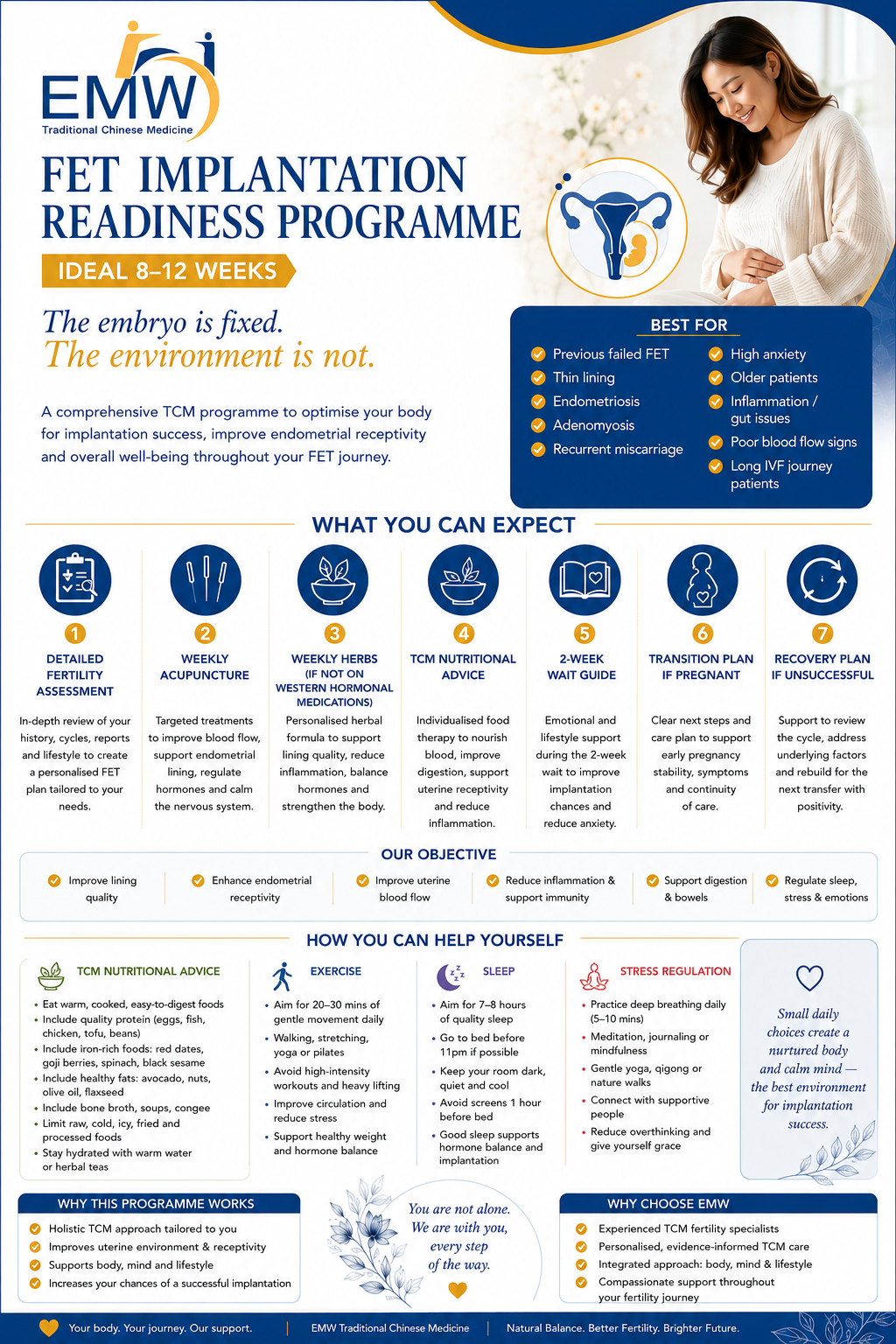
EMW IVF Master Guide
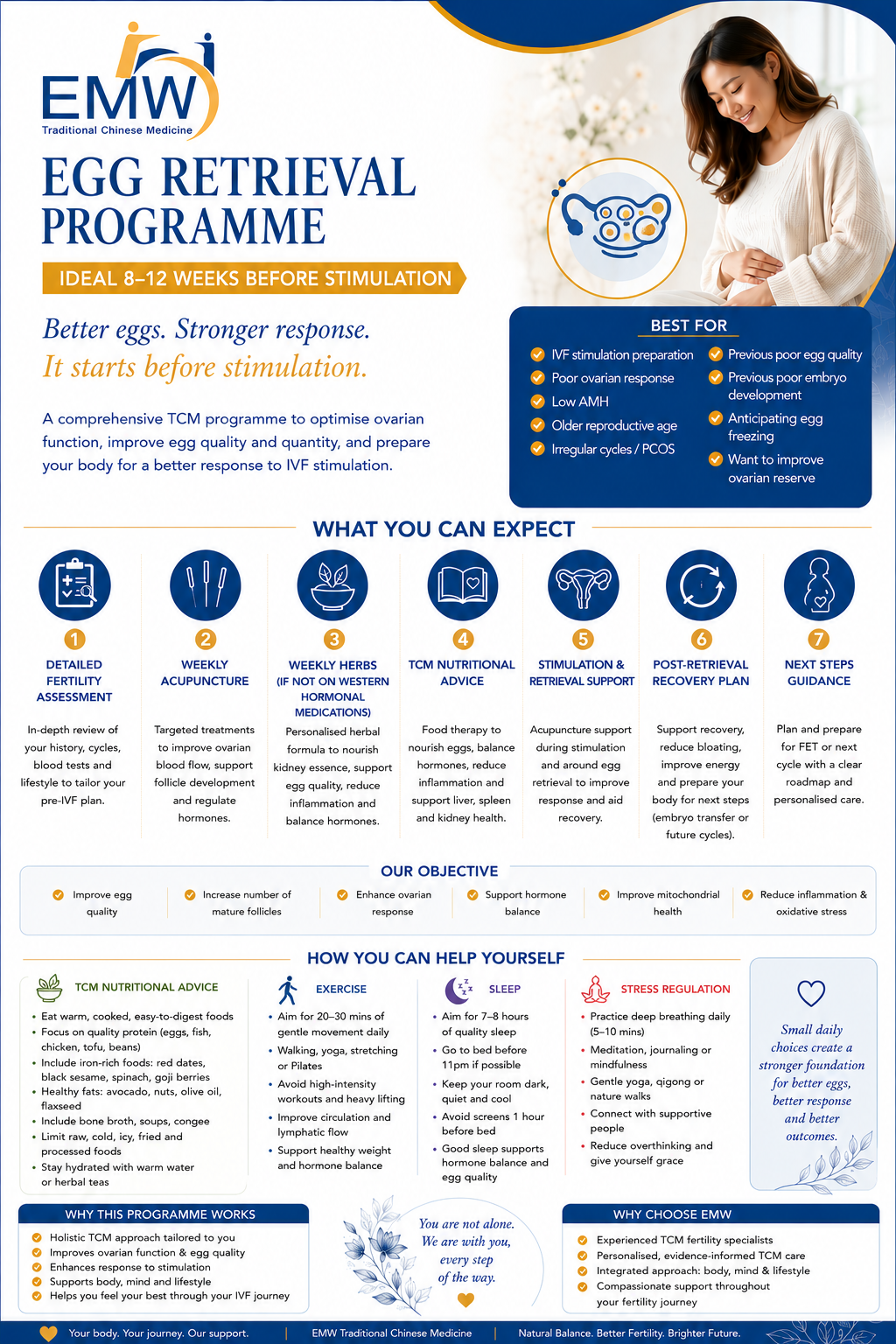
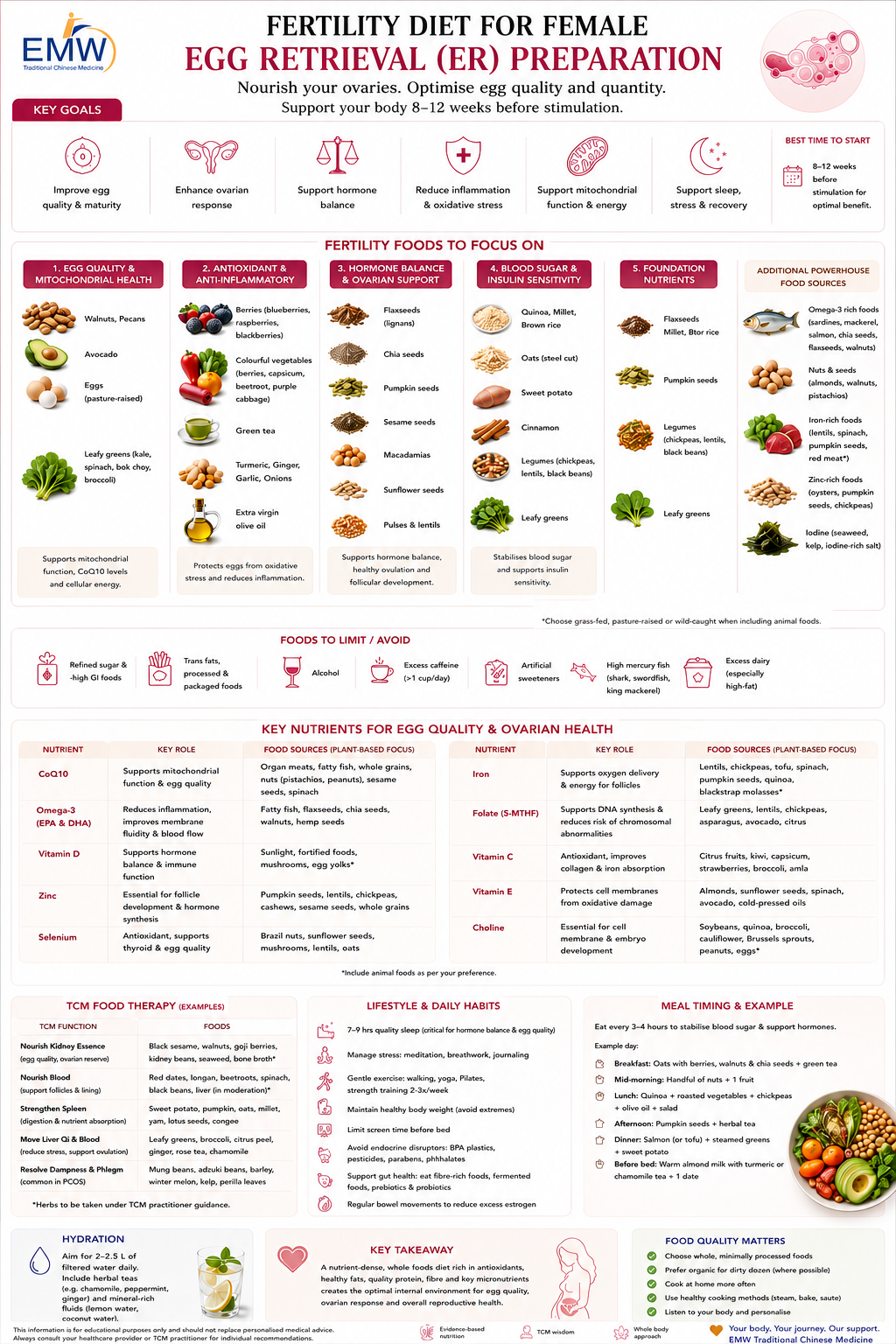
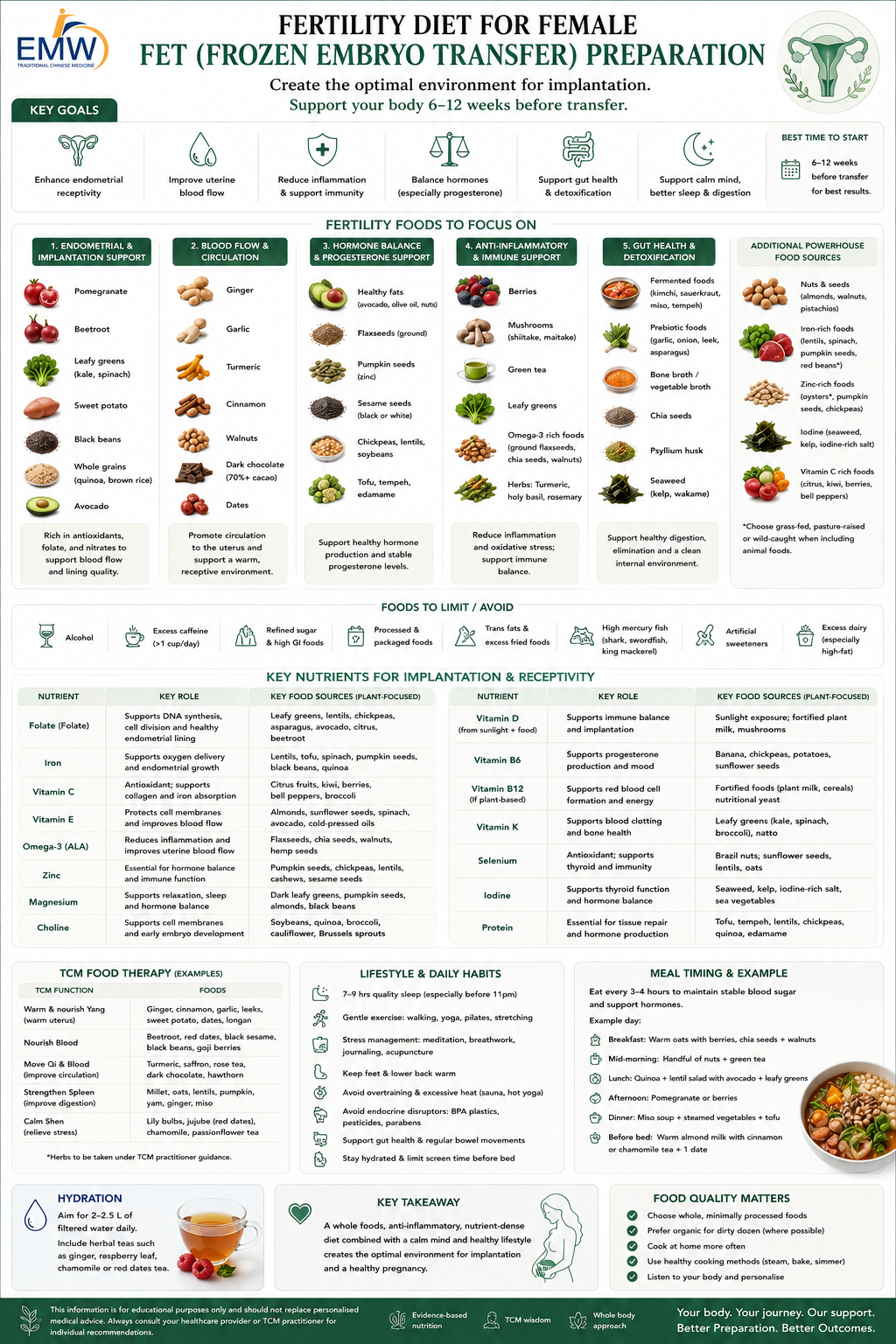
Press the image to zoom in. If you like such infographics, we have a ‘3 ways to superboost your fertility’ PDF guide – Actionable steps that can help to support your reproductive health right away. You can sign up for free here: https://emwtcm.podia.com/3-ways-to-boost-your-fertility
Frequently Asked Questions
1. Can I Have a Successful IVF Pregnancy With Adenomyosis?
Yes. Many women with adenomyosis conceive through IVF. Individual outcomes depend on age, embryo factors, disease characteristics, fertility history and other medical considerations.
2. Should I Treat Adenomyosis Before Frozen Embryo Transfer?
Not every patient requires additional medical treatment before FET.
Your fertility specialist will consider imaging findings, symptoms, previous outcomes and the available evidence before recommending suppression or another intervention.
3. Can Acupuncture Cure Adenomyosis?
There is insufficient evidence that acupuncture cures adenomyosis or reliably reverses its structural changes.
At EMW TCM, acupuncture is used as complementary care for appropriate symptoms and overall wellbeing during fertility preparation.
4. Can I Take Chinese Herbs While Preparing for IVF?
Herbal medicine requires individual assessment. Certain herbs may interact with medications or be inappropriate during particular stages of treatment.
Always inform both your fertility specialist and TCM physician about all prescribed medications, herbs and supplements.
5. Can I Start Acupuncture While Taking GnRH Suppression Injections?
In selected cases, yes. Acupuncture may be considered for supportive symptom management during medical suppression.
Your physician should know which medications you are taking and when the embryo transfer is planned.
6. Is Acupuncture Safe After Embryo Transfer?
Acupuncture may be provided using appropriately modified techniques by a qualified practitioner familiar with fertility treatment and possible early pregnancy.
EMW adjusts acupuncture point selection and avoids abdominal needling after transfer.
Always follow your fertility clinic’s instructions first.
Final Thoughts: Adenomyosis Does Not Mean Your IVF Journey Is Over
A diagnosis of adenomyosis can create understandable concerns, especially when you have already invested significant time, energy and resources into IVF.
But adenomyosis does not mean that pregnancy is impossible.
What matters is understanding your individual condition, reviewing your previous fertility outcomes and choosing appropriate treatment rather than automatically adding more interventions.
At EMW TCM Singapore, our physicians take an individualised approach to fertility care.
We consider your medical diagnosis alongside your menstrual symptoms, TCM constitution, general health and IVF timeline to develop a complementary treatment plan that is appropriate for you.
Planning your next IVF or frozen embryo transfer?
Explore our EMW TCM fertility and health articles for more practical guidance.
Learn more through our EMW Fertility Optimisation Bundle, which provides additional fertility education and TCM nutrition and lifestyle insights.
Book your $138 first trial with EMW TCM via WhatsApp 97280455
First trial consultation and acupuncture: $138 before GST.
TCM care is complementary and does not replace medical management of adenomyosis, fertility investigations or IVF treatment. Please follow your fertility specialist’s instructions regarding medications, embryo transfer and pregnancy testing.
When to Seek Professional TCM Fertility Help
Fertility is not just a matter of age or hormones. It is a reflection of the body’s internal harmony. Traditional Chinese Medicine provides an integrative and natural way to restore this balance, supporting both physical and emotional readiness for conception.
At EMW TCM Singapore, our team of experienced physicians brings together centuries-old wisdom and modern evidence to guide your fertility journey. Whether you are trying naturally or preparing for IVF, we are here to help you create the best internal environment for new life to begin.
If you have been trying to conceive for more than six to twelve months, experience irregular menses, painful periods, or have been diagnosed with PCOS, endometriosis, or low sperm count, consider a consultation. Professional TCM fertility care aims to correct the underlying imbalance rather than simply forcing ovulation or hormone production.
Check out our links below to book your fertility consultation and begin your holistic journey toward conception.
EMW TCM Clinics
International Building Branch
360 Orchard Road, International Building #02-05/06
Singapore 238869
Book Your Appointment With Us Here: +65 89585869
Our Physicians
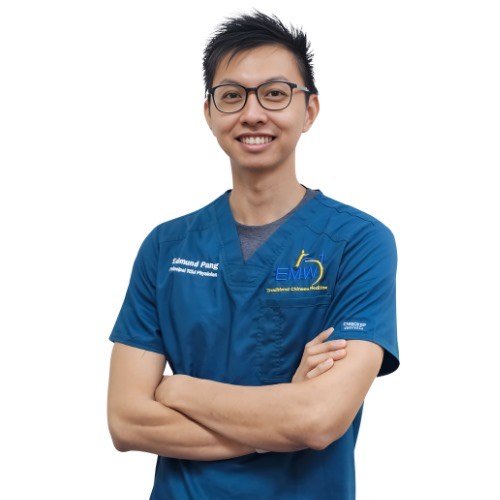
Principal TCM Physician
- M.Med(TCM Gynaecology)
- B.Sc(Hons) Biomedical Sciences
- Dip. Naturopath
- Ayurvedic Therapist(500hrs)
- Registered TCM Physician (Singapore MOH)
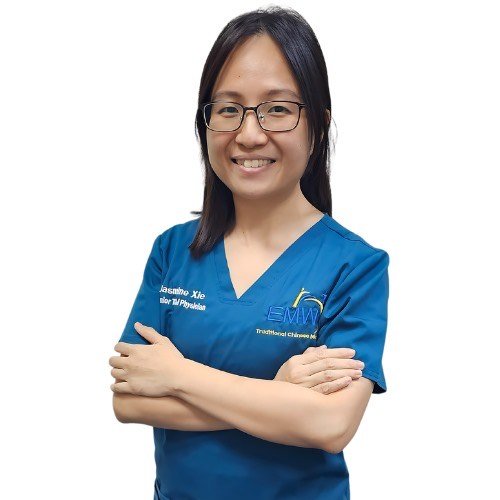
Senior TCM Physician
- M.Med(TCM Acupuncture & Moxibustion)
- B.Sc(Hons) Biomedical Sciences
- Certified Aromatherapist
- Registered TCM Physician (Singapore MOH)

TCM Physician
- M.Med(TCM Gynaecology)
- B.Sc(Hons) Biomedical Sciences
- Registered TCM Physician (Singapore MOH)
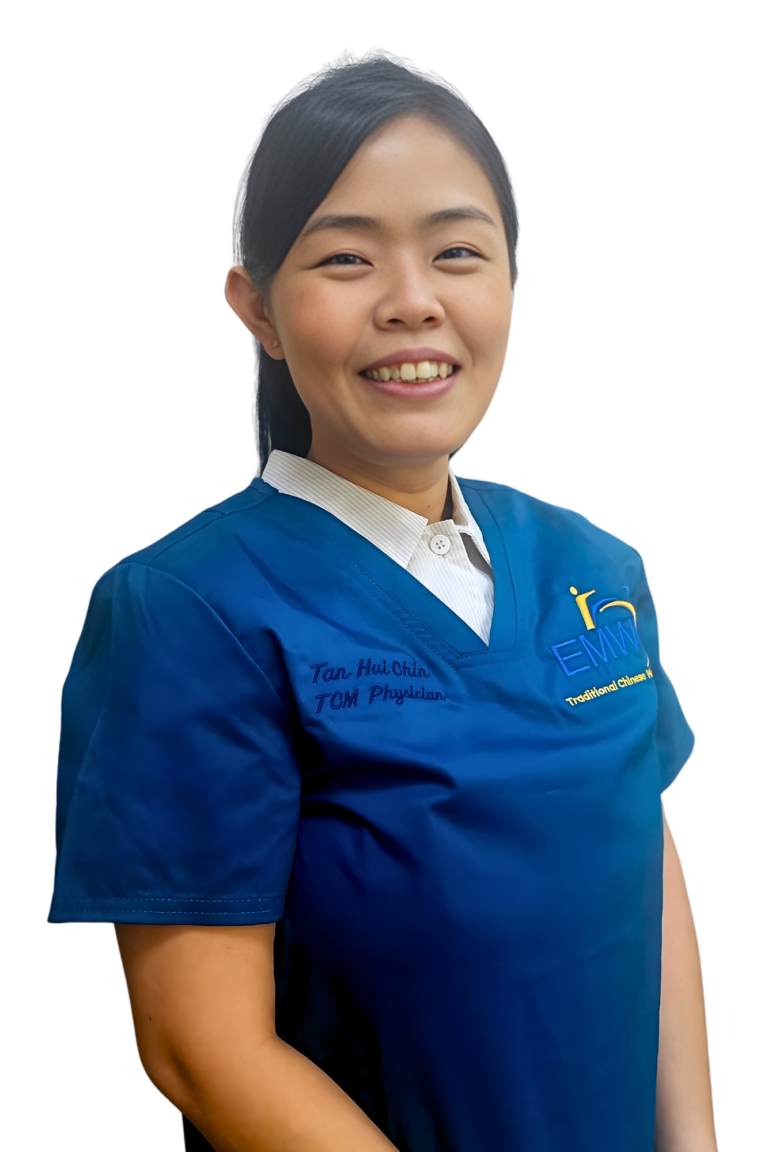
TCM Physician
- M.Med(TCM Acupuncture & Moxibustion)
- B.Sc(Hons) Biomedical Sciences
- Registered TCM Physician (Singapore MOH)
TCM Physician
- B.Med(TCM)
- B.Sc(Hons) Biomedical Sciences
- International Board-Certified Lactation Consultant (IBCLC)
- Registered TCM Physician (Singapore MOH)
References
- Steinmann M, et al. (2025). GnRH agonist pretreatment prior to frozen embryo transfer in women with adenomyosis: A systematic review and meta-analysis. Reproductive BioMedicine Online. PubMed
- American Society for Reproductive Medicine (2026). Recurrent implantation failure: A committee opinion. ASRM
- National Institute for Health and Care Excellence. Heavy menstrual bleeding: Assessment and management, NG88. NICE Guidelines
- International standard of Traditional Chinese Medicine techniques: Clinical guidelines for dysmenorrhea (2022). PubMed Central
- Wang Y, et al. (2025). Acupuncture as an adjunctive therapy on embryo transfer day: A systematic review and meta-analysis of clinical pregnancy and live birth outcomes. Frontiers in Reproductive Health. Research Article