Recurrent Implantation Failure: 7 Critical Reasons IVF Transfers May Fail in Singapore
You went through the injections.
The scans.
Egg retrieval.
Fertilisation.
Embryo development.
Perhaps even genetic testing.
Then came the embryo transfer, followed by the long wait for the pregnancy test.
When the result is negative once, it is disappointing.
When it happens repeatedly, one question becomes difficult to ignore:
Why are the embryos not implanting?
Repeated IVF failure can be particularly confusing when the embryos were described as good quality, the uterine lining looked satisfactory and the transfer itself seemed uncomplicated.
The important thing to understand is that implantation is not one single event.
It requires several biological steps to align, including:
Embryo viability + uterine environment + endometrial receptivity + hormonal timing + successful embryo transfer
A problem at any one of these stages may reduce the chance of pregnancy.
At the same time, a failed embryo transfer does not automatically mean something is medically wrong.
Even apparently good embryos do not implant every time.
Quick answer
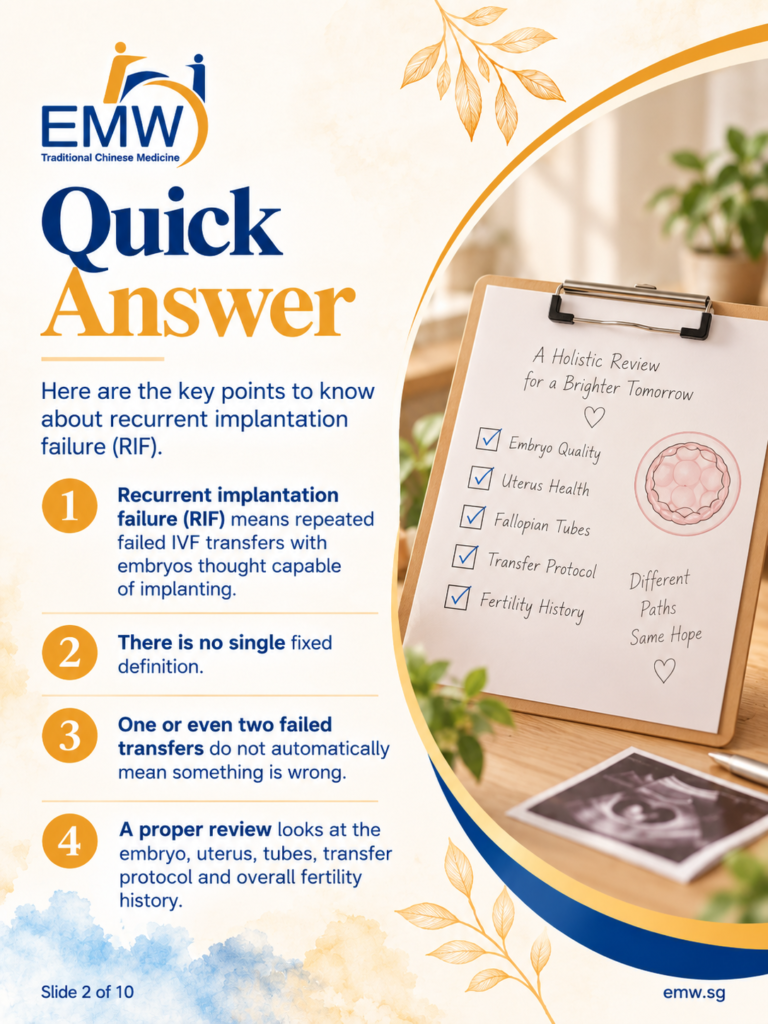
Recurrent implantation failure refers broadly to repeated failure of embryos considered capable of implantation to establish a pregnancy after IVF. However, there is no universally accepted definition based simply on a fixed number of failed transfers.
Current professional guidance increasingly recommends looking at the individual patient’s age, embryo quality, embryo chromosome status, previous transfers and predicted cumulative chance of implantation rather than declaring implantation failure after an arbitrary number of attempts.
Possible contributing factors include embryo chromosomal abnormalities, uterine cavity conditions, adenomyosis or endometriosis, hydrosalpinx, chronic endometrial inflammation, hormonal or progesterone-related factors and technical or cycle-related issues.
Not every patient needs every available test.
A systematic review of the previous IVF cycles is often more useful than immediately adding multiple expensive investigations or IVF “add-ons”.
Recurrent Implantation Failure: 7 Critical Reasons IVF Transfers May Fail in Singapore
1. The embryo itself remains one of the biggest factors
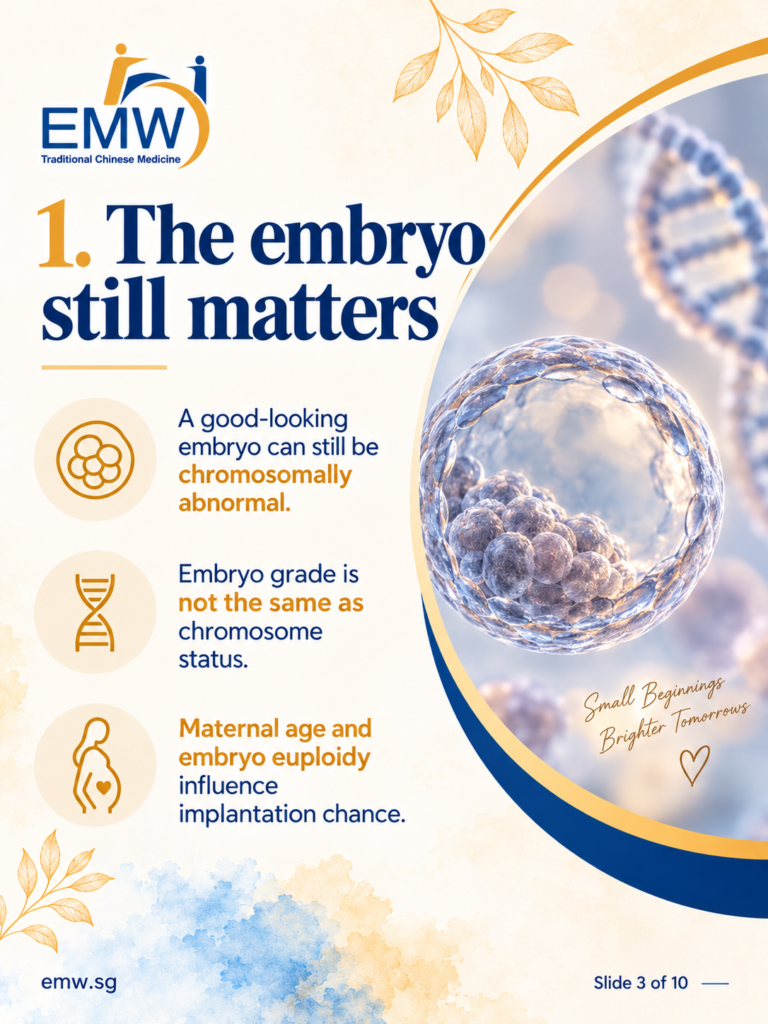
An embryo may look beautiful under the microscope and still have chromosomal abnormalities.
Embryo grading and embryo chromosome status are not the same thing.
Embryologists usually assess features such as:
- Expansion of the blastocyst
- Inner cell mass
- Trophectoderm appearance
- Developmental timing
These observations provide useful information about embryo morphology.
However, appearance alone cannot confirm whether the embryo contains the correct number of chromosomes.
Chromosomally abnormal embryos, known as aneuploid embryos, have a substantially lower chance of sustained implantation.
Age is especially relevant because the proportion of chromosomally abnormal embryos generally increases as maternal age rises.
This means that repeated negative transfers involving untested embryos may sometimes reflect embryo biology rather than an abnormal uterine environment.
2. The uterine cavity may need another look
Before IVF, most women undergo an ultrasound and sometimes additional assessment of the uterine cavity.
But circumstances can change.
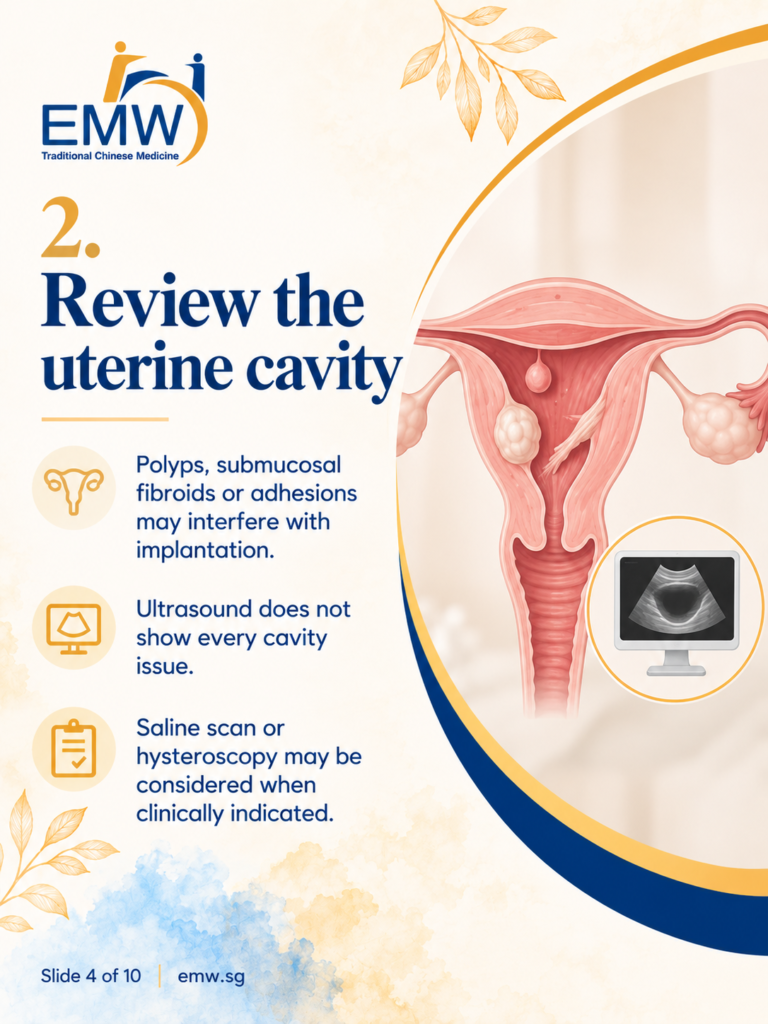
Conditions that may interfere with the uterine cavity include:
- Endometrial polyps
- Submucosal fibroids
- Intrauterine adhesions
- Congenital uterine abnormalities
- Other cavity-distorting lesions
A standard transvaginal ultrasound can detect many abnormalities, but it does not identify everything.
Depending on the clinical history, your fertility specialist may consider investigations such as:
- Saline infusion sonography
- Three-dimensional ultrasound
- Hysteroscopy
- Hysterosalpingography
Hysteroscopy allows the doctor to look directly inside the uterine cavity and, in some circumstances, treat a polyp, adhesion or submucosal fibroid at the same time.
Importantly, this does not mean every patient with an unsuccessful IVF cycle should have hysteroscopy.
In the TROPHY randomised controlled trial, routinely performing hysteroscopy in women with previous failed IVF cycles but a normal uterine ultrasound did not improve live birth rates.
The decision should therefore be based on your individual history rather than assuming that more procedures automatically mean better outcomes.
3. Adenomyosis and endometriosis may be relevant
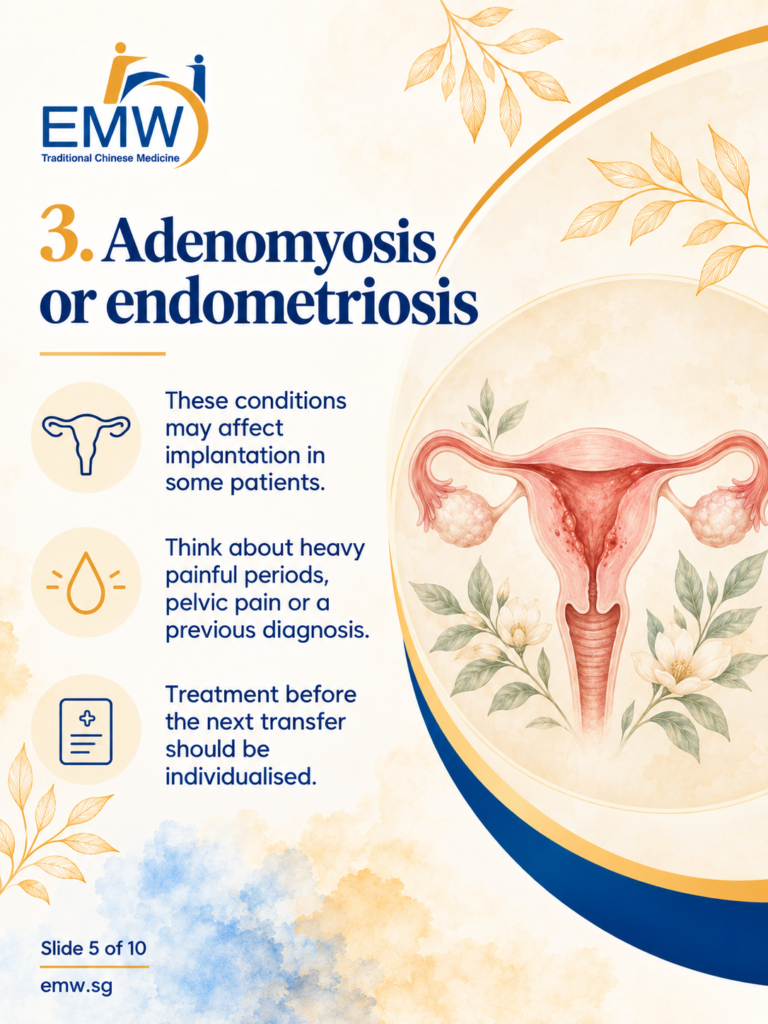
Adenomyosis occurs when tissue similar to the lining of the uterus grows within the muscular wall of the uterus.
Endometriosis involves endometrial-like tissue growing outside the uterine cavity.
Both conditions are associated with infertility.
Adenomyosis in particular has been associated in research with lower implantation and pregnancy rates in some IVF populations.
Your specialist may be more suspicious of adenomyosis if you experience:
- Heavy periods
- Significant menstrual cramps
- Pelvic pressure
- Enlarged or tender uterus
- Previous imaging showing adenomyosis
Endometriosis may be suspected in women with:
- Severe menstrual pain
- Pain during intercourse
- Chronic pelvic pain
- Endometriomas
- Previous endometriosis surgery
- Unexplained infertility
However, treatment before another embryo transfer needs to be individualised.
Not every patient with adenomyosis or endometriosis needs surgery.
Not every patient benefits from prolonged hormonal suppression.
Age, ovarian reserve, symptoms, disease severity, embryo availability and previous treatment all influence the decision.
4. Hydrosalpinx can affect the implantation environment
The fallopian tubes may seem less important during IVF because fertilisation happens in the laboratory.
But certain tubal conditions can still affect the uterine environment.
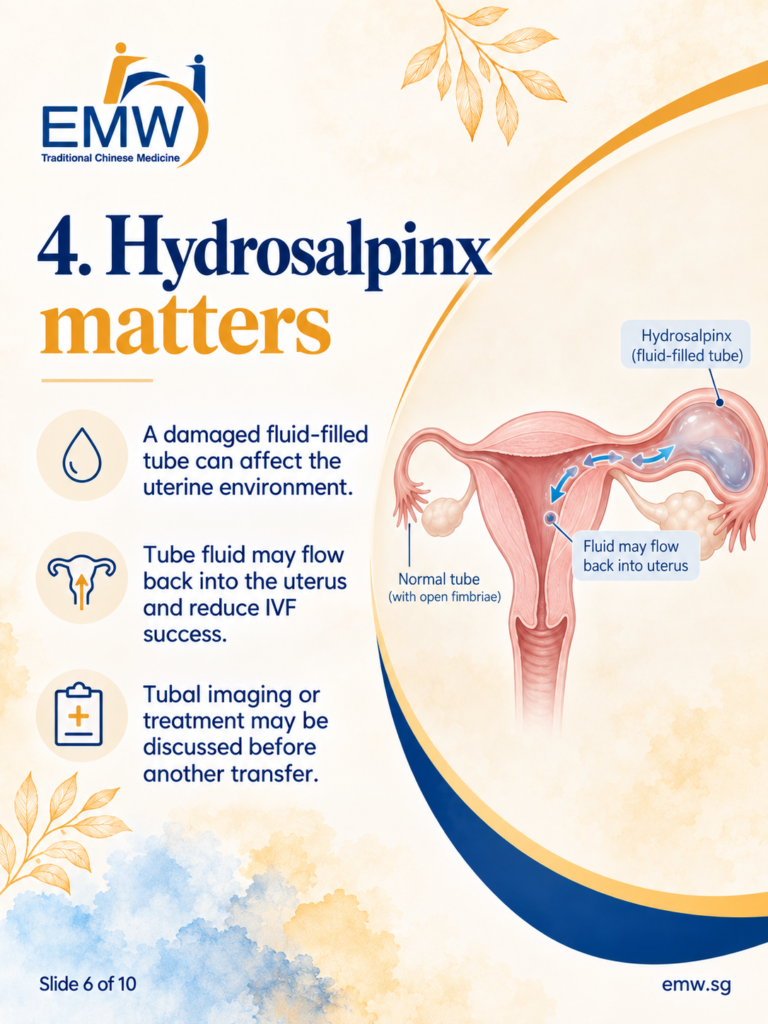
A hydrosalpinx is a damaged fallopian tube filled with fluid.
Fluid from a hydrosalpinx may move back into the uterine cavity and has been associated with poorer IVF outcomes.
This is why tubal assessment can remain relevant even when IVF bypasses the fallopian tubes for fertilisation.
Depending on the situation, your fertility specialist may consider further imaging or treatment before another embryo transfer.
For patients with a significant hydrosalpinx, surgical treatment or tubal occlusion may sometimes be discussed before continuing IVF.
This is an important example of why reviewing the whole reproductive system matters rather than focusing only on endometrial thickness.
5. Chronic endometritis may sometimes be considered
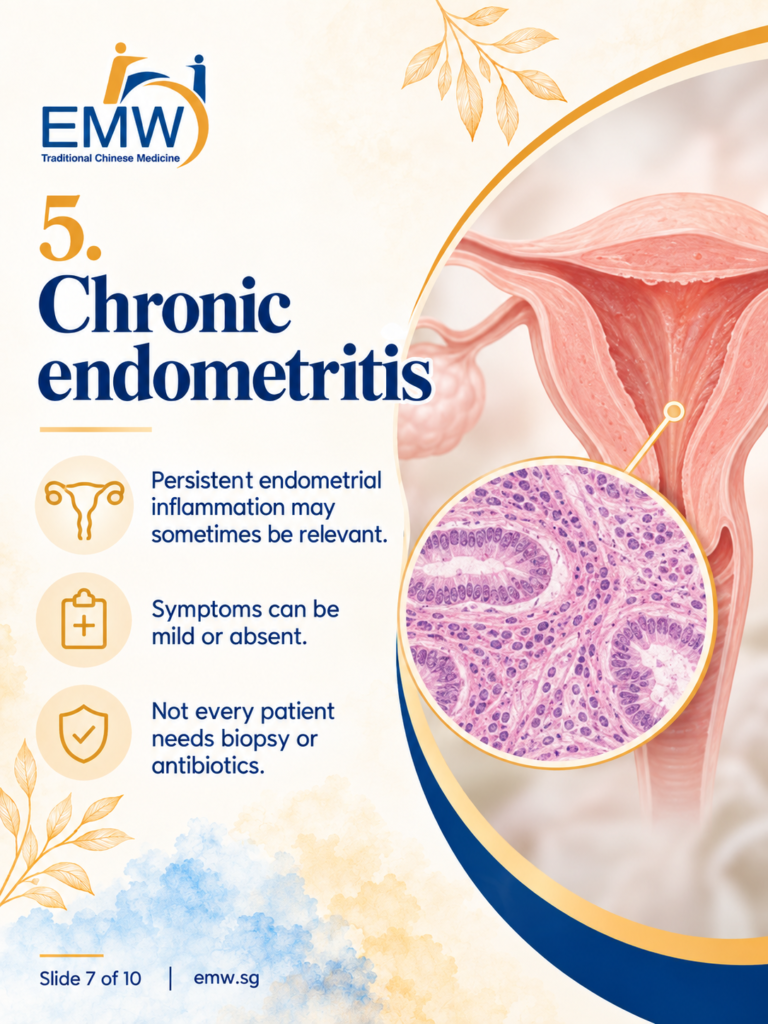
Chronic endometritis is persistent inflammation of the endometrial lining, sometimes associated with bacterial infection.
Unlike acute pelvic infection, chronic endometritis may cause few or no obvious symptoms.
Diagnosis can involve an endometrial biopsy, sometimes using CD138 staining to identify plasma cells.
Studies have reported an association between chronic endometritis and poorer reproductive outcomes.
However, there is an important limitation.
There is still no universally accepted diagnostic threshold for chronic endometritis, and different studies use different methods and definitions.
The 2026 ASRM committee opinion therefore suggests that testing and treatment may be considered in selected patients, while acknowledging that stronger trials are still needed.
This is very different from saying every failed transfer requires an endometrial biopsy or antibiotics.
Investigations should have a reason.
6. Progesterone exposure and FET preparation matter
Implantation depends on coordination between the embryo and the endometrium.
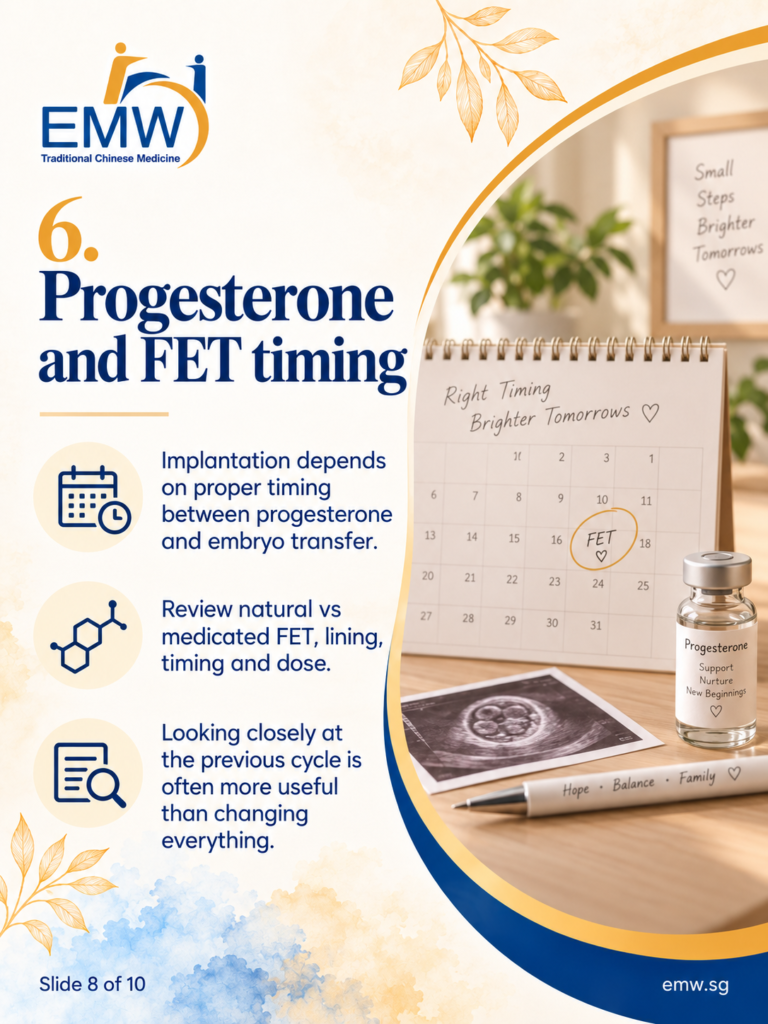
Progesterone is particularly important because it transforms the endometrium into a state that can support implantation.
In a medicated frozen embryo transfer cycle, the timing of progesterone and embryo transfer therefore needs to be carefully coordinated.
When reviewing failed transfers, your fertility doctor may look at:
- Natural vs medicated FET protocol
- Ovulation timing
- Progesterone start date
- Progesterone dose and route
- Blood progesterone levels where clinically relevant
- Endometrial thickness and pattern
- Embryo stage
- Transfer timing
- Medication adherence
There is not currently one universally proven progesterone protocol specifically for patients with repeated implantation problems.
That makes reviewing what happened in the actual previous cycle more useful than assuming there is one “perfect” protocol for everybody.
7. Sometimes there is no single hidden cause
This is perhaps the hardest part of recurrent implantation failure to accept.
After another negative pregnancy test, it is understandable to want an explanation.
Patients may start asking about:
- NK cell testing
- Immune panels
- IVIG
- Intralipids
- Endometrial scratching
- PRP
- G-CSF
- Heparin
- Aspirin
- ERA
- Sperm DNA fragmentation
- Microbiome testing
- Multiple supplements
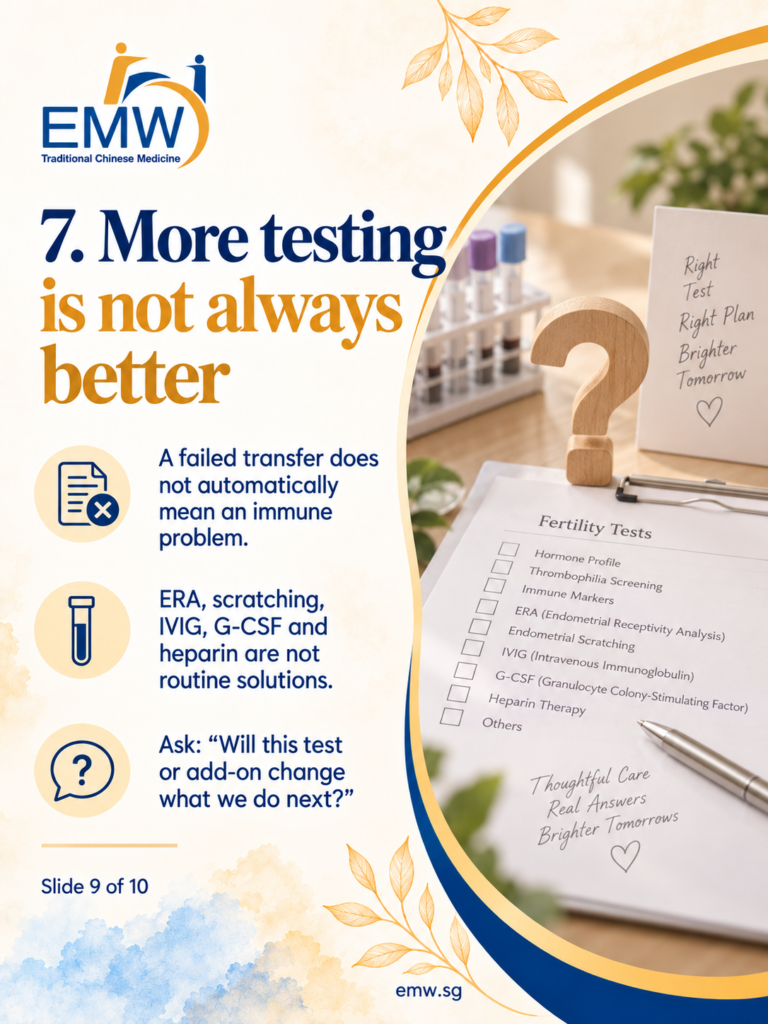
But the fact that a test or treatment exists does not mean it has been proven to improve live birth.
The 2026 ASRM recommendations do not currently support routine use of endometrial receptivity panels, endometrial scratching, IVIG, G-CSF, heparin or sperm DNA fragmentation testing specifically for RIF because evidence of improved live birth remains insufficient.
The UK Human Fertilisation and Embryology Authority has similarly cautioned that most IVF treatment add-ons do not have strong evidence showing that they increase the chance of having a baby for most fertility patients.
This matters because repeated IVF failure can create an understandable feeling that you must do something different before trying again.
Sometimes something correctable is found.
Sometimes the appropriate next step is treatment.
But sometimes a detailed review shows:
The embryo transfer was reasonable.
The uterine cavity is normal.
The protocol was appropriate.
There is no clear medical abnormality to fix.
In that situation, proceeding with another appropriately planned embryo transfer may be more evidence-based than adding several unproven treatments.
What about the male partner?
Male fertility still matters in IVF.
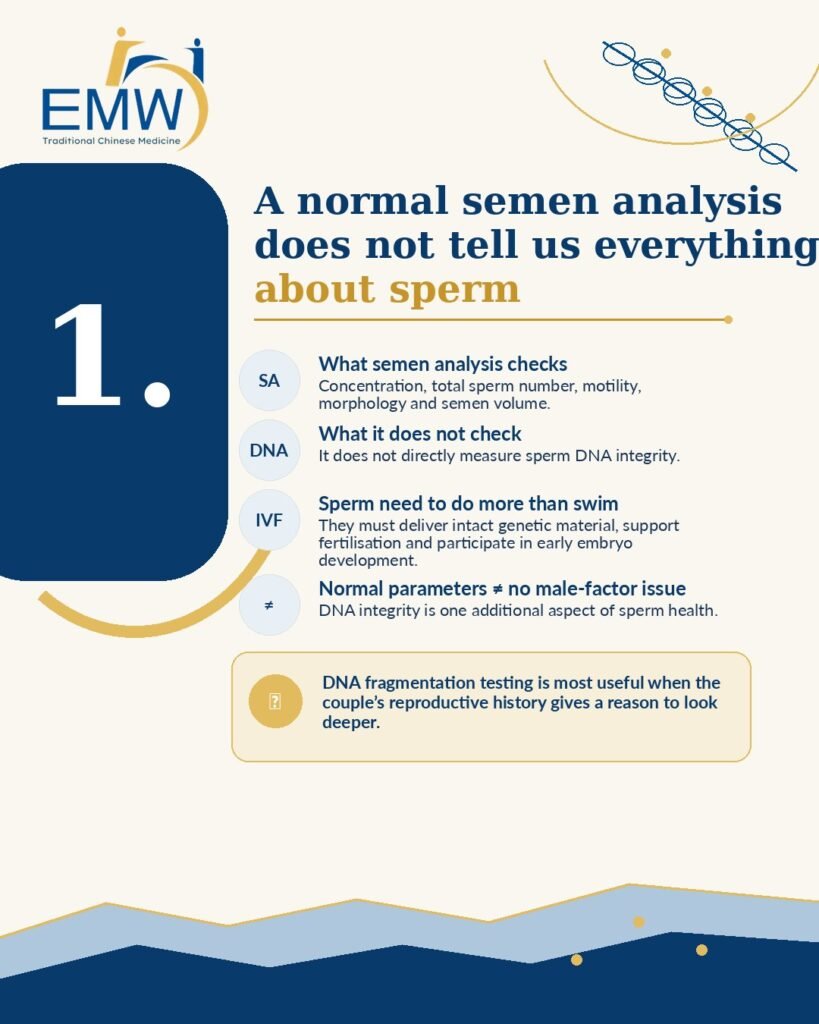
Sperm contributes half of the embryo’s genetic material, and severe male-factor infertility can affect fertilisation and embryo development.
A semen analysis may therefore form part of the couple’s fertility assessment.
However, it is important to distinguish broader male fertility assessment from testing specifically for implantation failure.
Current evidence does not support routine sperm DNA fragmentation testing simply because embryo transfers have repeatedly failed.
If fertilisation, blastocyst development or sperm parameters have been poor, the male partner deserves appropriate assessment.
But repeated implantation failure should not automatically be blamed on sperm DNA fragmentation without supporting clinical evidence.
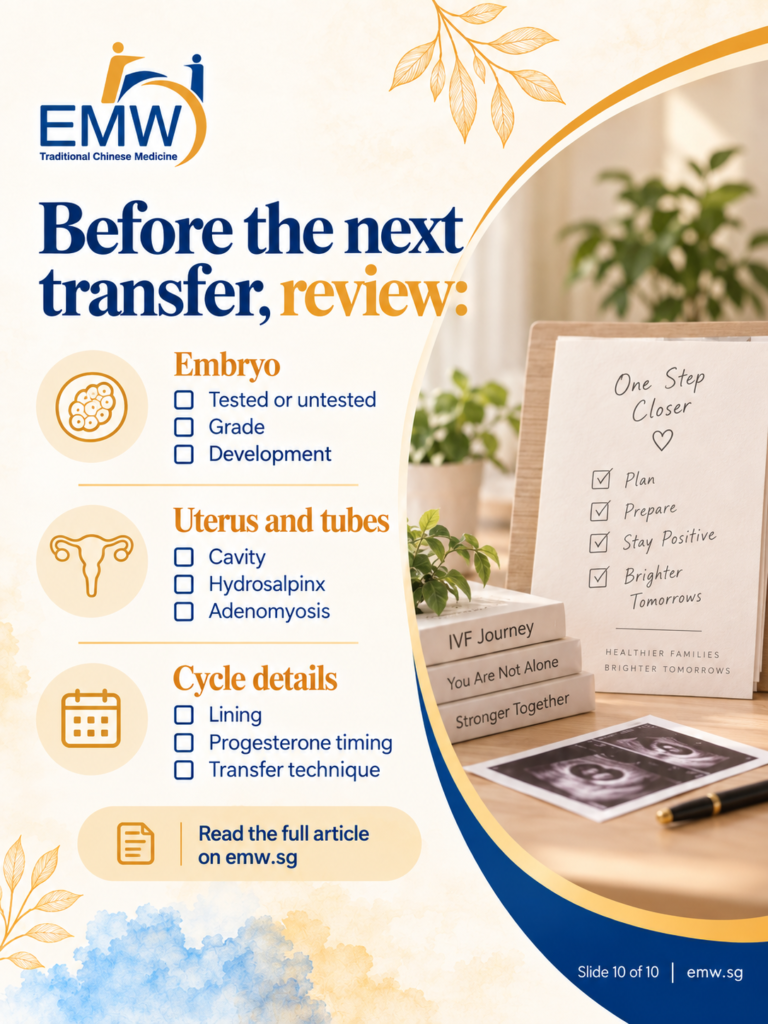
What should be reviewed after repeated failed embryo transfers?
Rather than ordering every possible fertility test, start by reconstructing what actually happened.
A useful review may include:
Embryos
- How many embryos were created?
- How many reached blastocyst?
- What were their grades?
- Were they Day 5, Day 6 or Day 7 embryos?
- Were they genetically tested?
- Were there previous fertilisation or embryo-development problems?
Uterus and tubes
- When was the uterine cavity last assessed?
- Are there fibroids or polyps?
- Is adenomyosis present?
- Is endometriosis suspected?
- Is there any evidence of hydrosalpinx?
- Is the lining consistently thin?
Transfer cycle
- Natural or medicated FET?
- What was the lining measurement?
- When was progesterone started?
- Was progesterone measured?
- Was the transfer easy or technically difficult?
- Was there blood or mucus on the catheter?
- Was ultrasound guidance used?
Medical history
- Previous pregnancies
- Miscarriages
- Previous uterine surgery
- Fibroid surgery
- Endometriosis
- Caesarean section
- Pelvic infection
- Thyroid or metabolic conditions
- Medication
- Smoking
- Weight and general health
A structured review often tells you more than adding one isolated blood test.
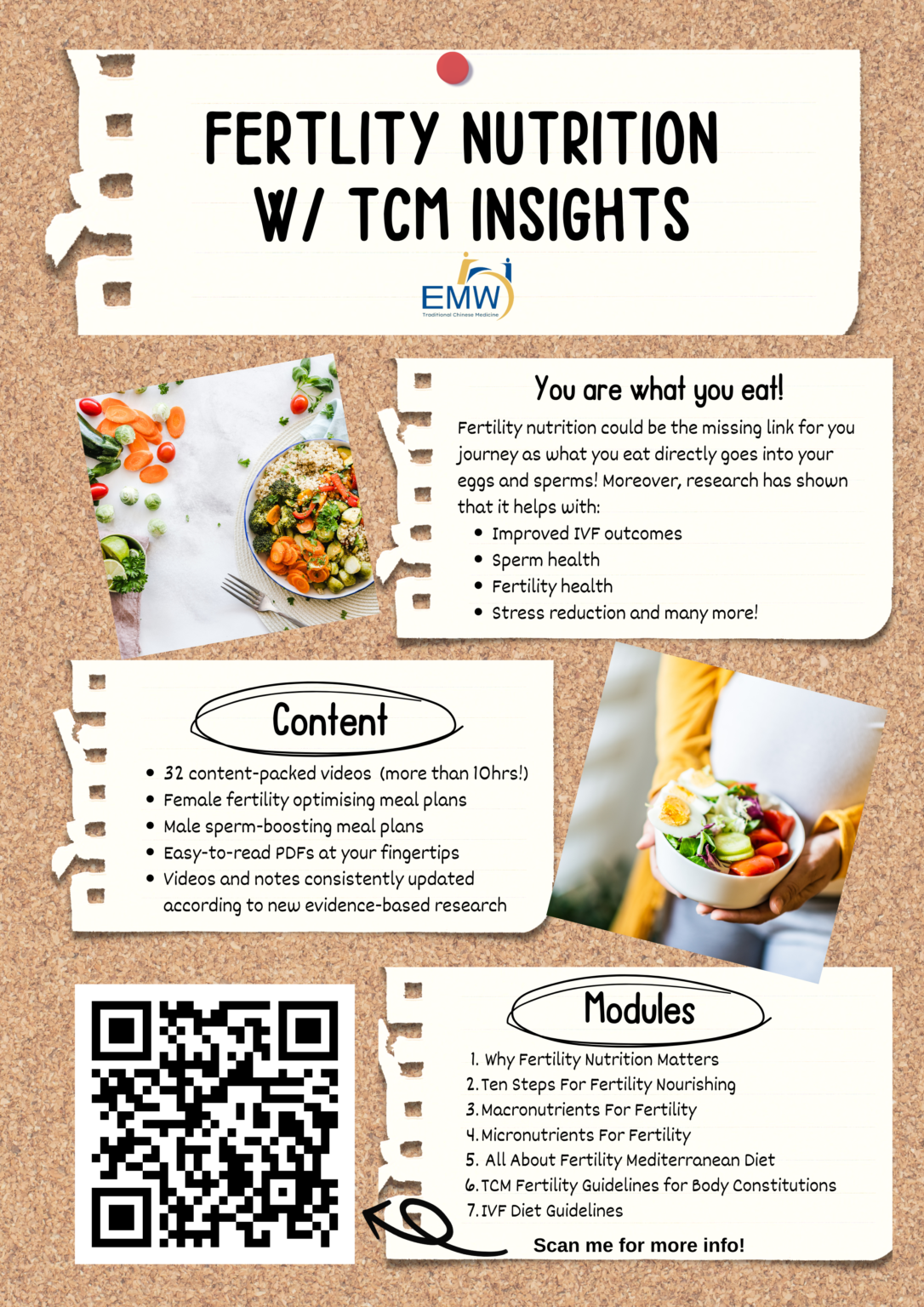
How EMW TCM supports patients preparing for another IVF transfer
At EMW TCM, we see many patients between IVF cycles, during frozen embryo transfer preparation and after previous unsuccessful transfers.
Our role is complementary.
TCM should not replace investigations by your fertility specialist.
We also do not claim that acupuncture can correct an abnormal embryo, remove a hydrosalpinx, treat a uterine polyp or guarantee implantation.
Instead, we look at the wider preparation period surrounding the next transfer.
A consultation may review:
- Menstrual cycle pattern
- Menstrual flow and clots
- Previous stimulation and transfer response
- Endometrial lining history
- Natural or medicated FET protocol
- Endometriosis or adenomyosis
- Sleep
- Stress
- Digestion and bowel movements
- Energy levels
- Medication
- IVF schedule
- Previous embryo transfer outcomes
Where there is sufficient time before the next FET, preparation may begin several weeks before transfer rather than only on transfer day.
Treatment is then adjusted according to the stage of the IVF cycle.
If acupuncture is used, it should remain coordinated with your fertility clinic’s treatment plan.
For patients experiencing recurrent implantation failure, we particularly encourage having the medical IVF history reviewed rather than assuming that TCM treatment alone can solve repeated transfer failure.
The goal is coordinated fertility care, not competing fertility care.
Before your next IVF transfer, ask these 7 questions
- Were my previous embryos tested or untested, and how does that affect how we interpret the failed transfers?
- Does my uterine cavity need to be reassessed?
- Could adenomyosis, endometriosis or hydrosalpinx be relevant in my case?
- Was my endometrial preparation and progesterone exposure appropriate?
- Were there any difficulties during embryo transfer?
- Is there a specific reason for any additional test or IVF add-on being recommended?
- Will that test or treatment meaningfully change what we do next?
The seventh question is especially important.
Testing is most valuable when the result changes management.
EMW IVF Master Guide
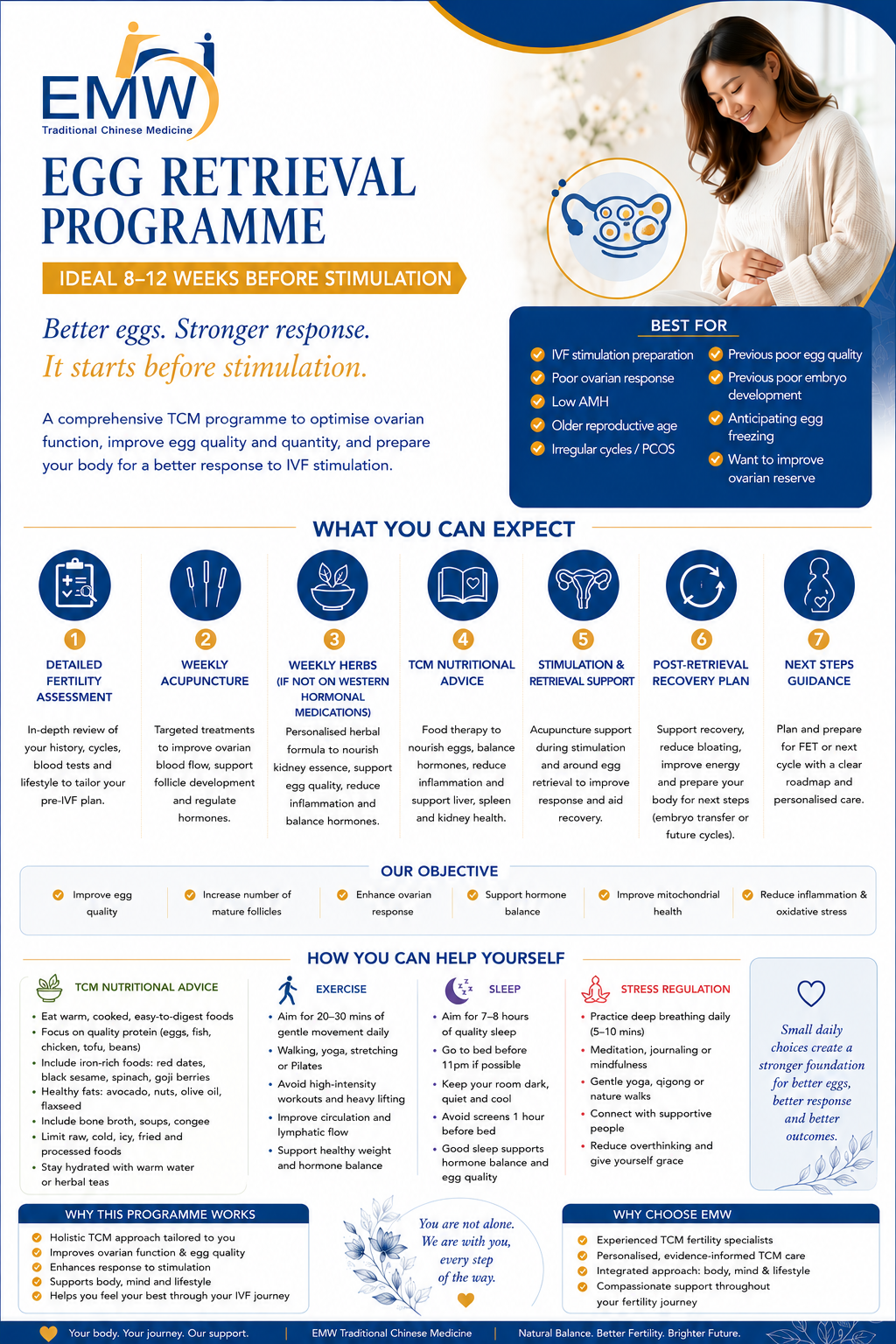
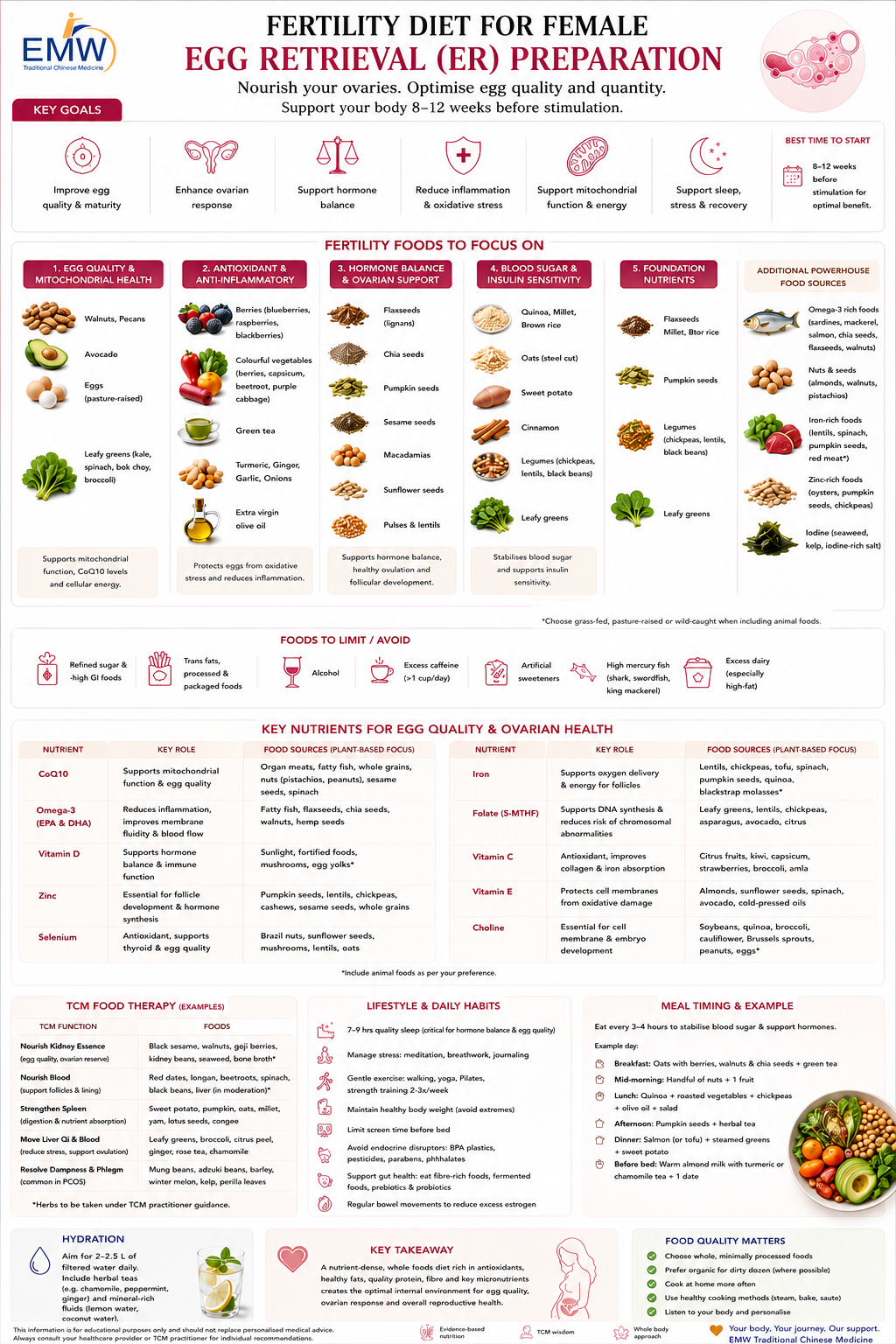
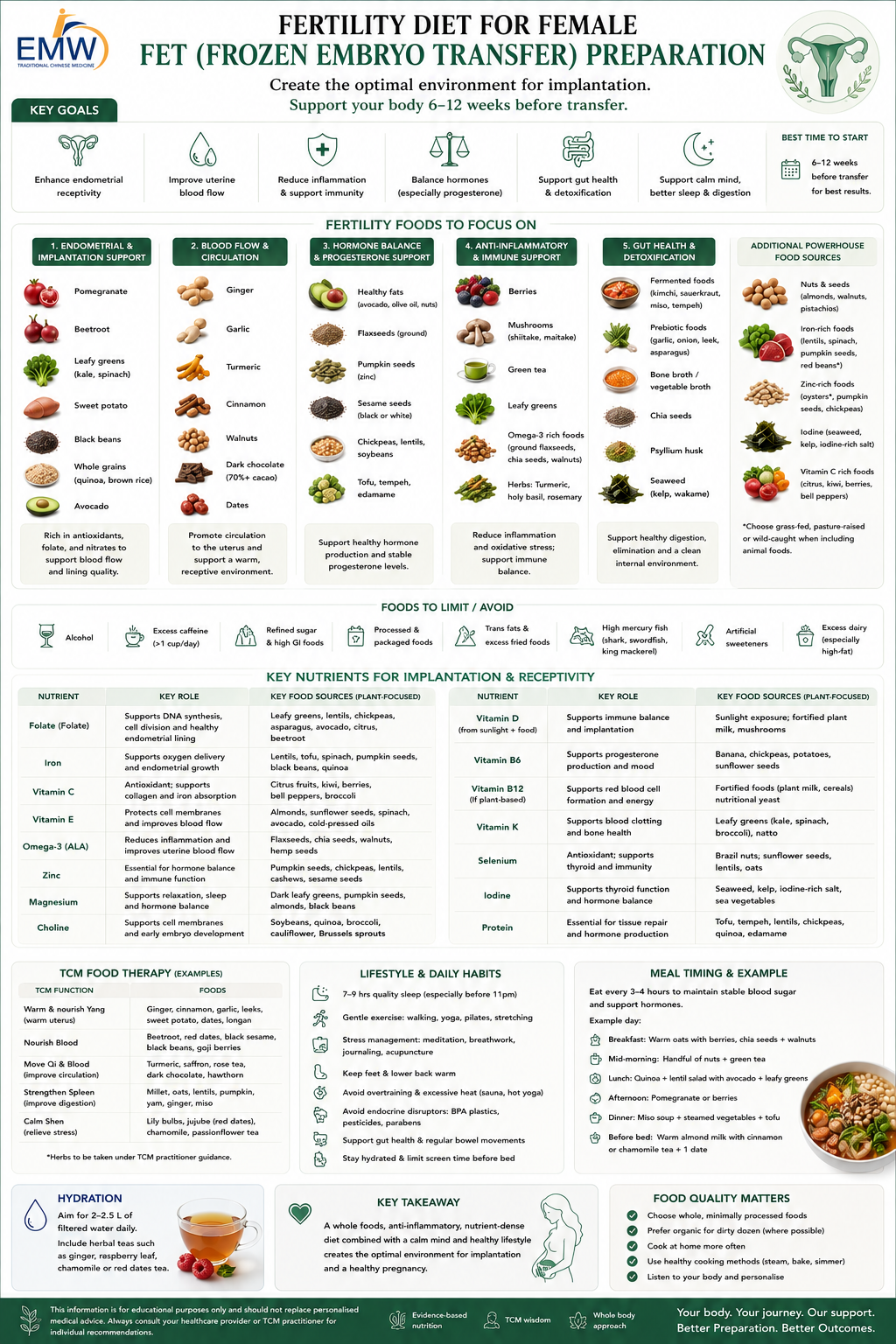
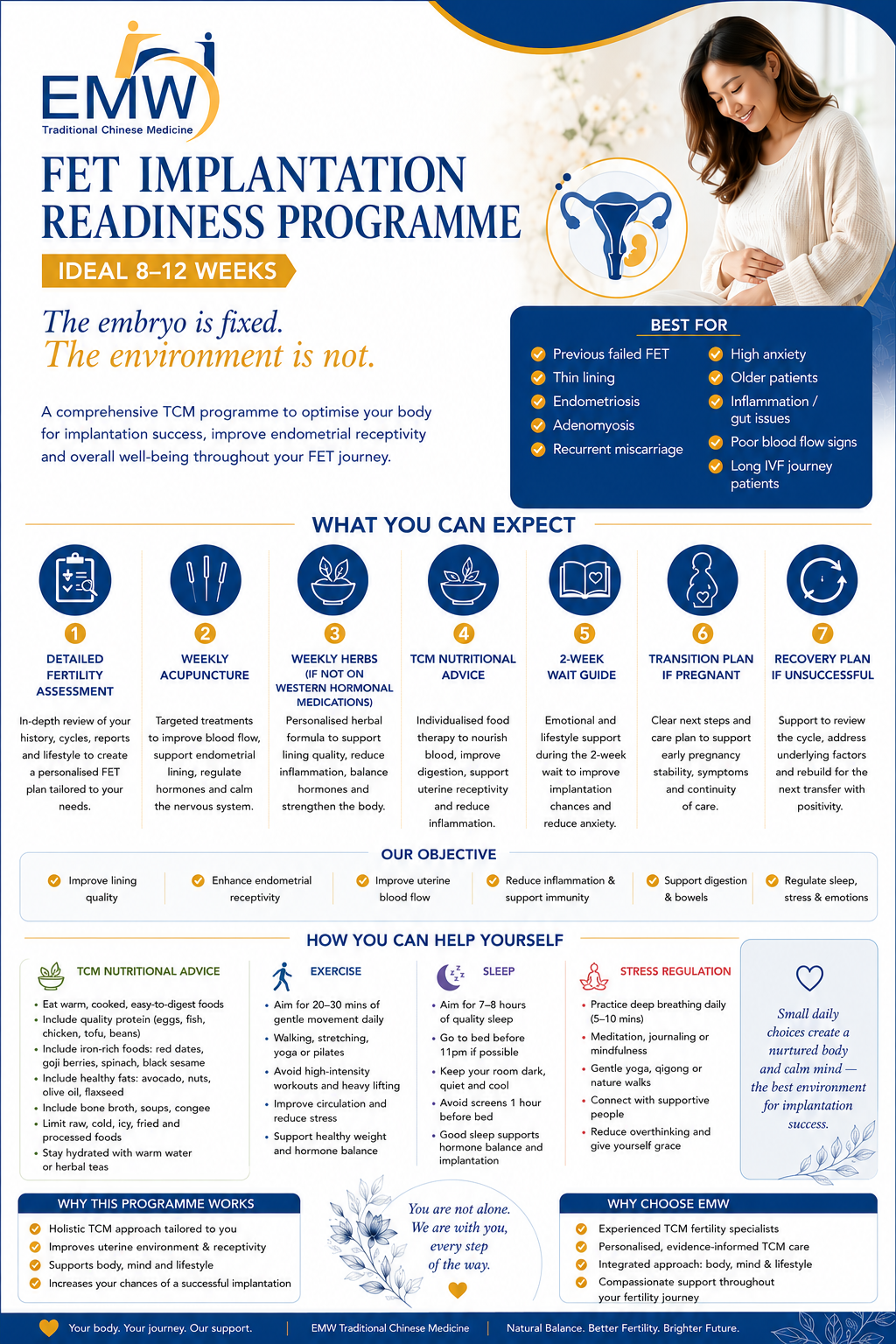
Press the image to zoom in. If you like such infographics, we have a ‘3 ways to superboost your fertility’ PDF guide – Actionable steps that can help to support your reproductive health right away. You can sign up for free here: https://emwtcm.podia.com/3-ways-to-boost-your-fertility
Frequently Asked Questions
How many failed embryo transfers are considered implantation failure?
There is no single universally accepted number. Older definitions often used two or three failed transfers, but newer ESHRE and ASRM guidance recommends considering embryo quality, chromosome status, age and cumulative expected chance of implantation rather than relying only on transfer count.
Can a good-quality embryo still fail to implant?
Yes.
Embryo grading assesses appearance, not chromosome status. Even euploid embryos do not implant successfully every time.
Does a negative embryo transfer mean my uterus rejected the embryo?
No.
A failed transfer does not prove that your immune system or uterus “rejected” the embryo. Embryo viability, chance, uterine factors, cycle preparation and other variables can all contribute.
Should I do ERA testing after two failed transfers?
Not automatically.
Current evidence does not support routine use of endometrial receptivity testing for all patients with failed transfers. Discuss whether there is a specific clinical reason for testing with your fertility specialist.
Should I test NK cells or start immune treatment?
Routine immune testing and immune therapies are not currently supported by strong evidence for implantation failure. These treatments should not automatically be added after unsuccessful embryo transfers.
Can acupuncture guarantee better implantation?
No.
Acupuncture cannot guarantee implantation or compensate for chromosomal abnormalities or untreated structural conditions. At EMW TCM, acupuncture is used as complementary care alongside fertility treatment rather than as a replacement for reproductive medicine.
Should I continue trying after several failed embryo transfers?
That depends on embryo availability, age, embryo chromosome status, underlying diagnosis and your individual prognosis.
Importantly, recurrent implantation failure does not mean pregnancy is impossible.
If no correctable cause is found, current ASRM guidance notes that proceeding with further appropriately planned embryo transfers may still be reasonable.
Key takeaway
When an embryo transfer fails, the instinct is often:
What did I do wrong?
Usually, that is the wrong question.
Walking too much, going to work, eating one cold meal or feeling stressed for a few days is unlikely to explain why an embryo did not implant.
A better question is:
What information from this cycle helps us plan the next one more intelligently?
Review the embryo.
Review the uterus.
Review the tubes where relevant.
Review the transfer.
Review the protocol.
Review the couple’s medical history.
Correct problems that are genuinely identified.
And be cautious about spending large amounts of money on tests or add-ons simply because they are available.
Sometimes the next step is another investigation.
Sometimes it is treatment.
Sometimes it is changing strategy.
And sometimes the evidence-based decision is simply to proceed with another transfer.
Preparing for another IVF or FET cycle?
If you have experienced repeated unsuccessful embryo transfers and want complementary TCM support while preparing for your next cycle, EMW TCM can review your previous IVF history, menstrual pattern, FET preparation and overall health alongside the treatment plan from your fertility specialist.
First Trial Fertility Acupuncture: $138 before GST
To book, WhatsApp 97280455.
You may also read our guides on:
- Frozen Embryo Transfer Singapore
- IVF Egg Retrieval
- Poor Ovarian Response in IVF
- Sperm DNA Fragmentation and IVF
- Male Fertility Singapore
- Natural Conception Singapore
TCM treatment is complementary and does not replace fertility investigations, IVF treatment or advice from your reproductive specialist. Always follow your IVF clinic’s instructions regarding medication, scans, progesterone, embryo transfer and pregnancy testing.
When to Seek Professional TCM Fertility Help
Fertility is not just a matter of age or hormones. It is a reflection of the body’s internal harmony. Traditional Chinese Medicine provides an integrative and natural way to restore this balance, supporting both physical and emotional readiness for conception.
At EMW TCM Singapore, our team of experienced physicians brings together centuries-old wisdom and modern evidence to guide your fertility journey. Whether you are trying naturally or preparing for IVF, we are here to help you create the best internal environment for new life to begin.
If you have been trying to conceive for more than six to twelve months, experience irregular menses, painful periods, or have been diagnosed with PCOS, endometriosis, or low sperm count, consider a consultation. Professional TCM fertility care aims to correct the underlying imbalance rather than simply forcing ovulation or hormone production.
Check out our links below to book your fertility consultation and begin your holistic journey toward conception.
EMW TCM Clinics
International Building Branch
360 Orchard Road, International Building #02-05/06
Singapore 238869
Book Your Appointment With Us Here: +65 89585869
Our Physicians
Principal TCM Physician
- M.Med(TCM Gynaecology)
- B.Sc(Hons) Biomedical Sciences
- Dip. Naturopath
- Ayurvedic Therapist(500hrs)
- Registered TCM Physician (Singapore MOH)

Senior TCM Physician
- M.Med(TCM Acupuncture & Moxibustion)
- B.Sc(Hons) Biomedical Sciences
- Certified Aromatherapist
- Registered TCM Physician (Singapore MOH)

TCM Physician
- M.Med(TCM Gynaecology)
- B.Sc(Hons) Biomedical Sciences
- Registered TCM Physician (Singapore MOH)

TCM Physician
- M.Med(TCM Acupuncture & Moxibustion)
- B.Sc(Hons) Biomedical Sciences
- Registered TCM Physician (Singapore MOH)
TCM Physician
- B.Med(TCM)
- B.Sc(Hons) Biomedical Sciences
- International Board-Certified Lactation Consultant (IBCLC)
- Registered TCM Physician (Singapore MOH)
References
- Practice Committee of the American Society for Reproductive Medicine. Recurrent implantation failure: a committee opinion. Fertility and Sterility. 2026;126:277-293.
- ESHRE Working Group on Recurrent Implantation Failure. ESHRE good practice recommendations on recurrent implantation failure. Human Reproduction Open. 2023;2023(3):hoad023.
- Human Fertilisation and Embryology Authority. Pre-implantation genetic testing for aneuploidy, PGT-A. Treatment Add-ons guidance.
- Doyle N, Jahandideh S, Hill MJ, et al. Effect of Timing by Endometrial Receptivity Testing vs Standard Timing of Frozen Embryo Transfer on Live Birth in Patients Undergoing In Vitro Fertilization. JAMA. 2022;328(21):2117-2125.
- El-Toukhy T, Campo R, Khalaf Y, et al. Hysteroscopy in recurrent in-vitro fertilisation failure, TROPHY: a multicentre, randomised controlled trial. The Lancet. 2016;387:2614-2621.
- Lensen S, Osavlyuk D, Armstrong S, et al. A Randomized Trial of Endometrial Scratching before In Vitro Fertilization. New England Journal of Medicine. 2019;380:325-334.
- Cheng X, Huang Z, Xiao Z, Bai Y. Does antibiotic therapy for chronic endometritis improve clinical outcomes of patients with recurrent implantation failure in subsequent IVF cycles? A systematic review and meta-analysis. Journal of Assisted Reproduction and Genetics. 2022;39:1797-1813.
- Volodarsky-Perel A, Buckett W, Tulandi T. Treatment of hydrosalpinx in relation to IVF outcome: a systematic review and meta-analysis. Reproductive BioMedicine Online. 2019;39(3):413-432.
- Rikhraj K, Tan J, Taskin O, Albert AY, Yong P, Bedaiwy MA. The Impact of Noncavity-Distorting Intramural Fibroids on Live Birth Rate in In Vitro Fertilization Cycles: A Systematic Review and Meta-Analysis. Journal of Women’s Health. 2020;29(2):210-219.
- Cozzolino M, Vitagliano A, Di Giovanni MV, et al. Ultrasound-guided embryo transfer: summary of the evidence and new perspectives. A systematic review and meta-analysis. Reproductive BioMedicine Online. 2018.
- National University Hospital Singapore. Reproductive Endocrinology and Infertility, IVF Singapore. Updated 2026.
- SingHealth. In-Vitro Fertilisation and Intra-Cytoplasmic Sperm Injection: Conditions and Treatments.