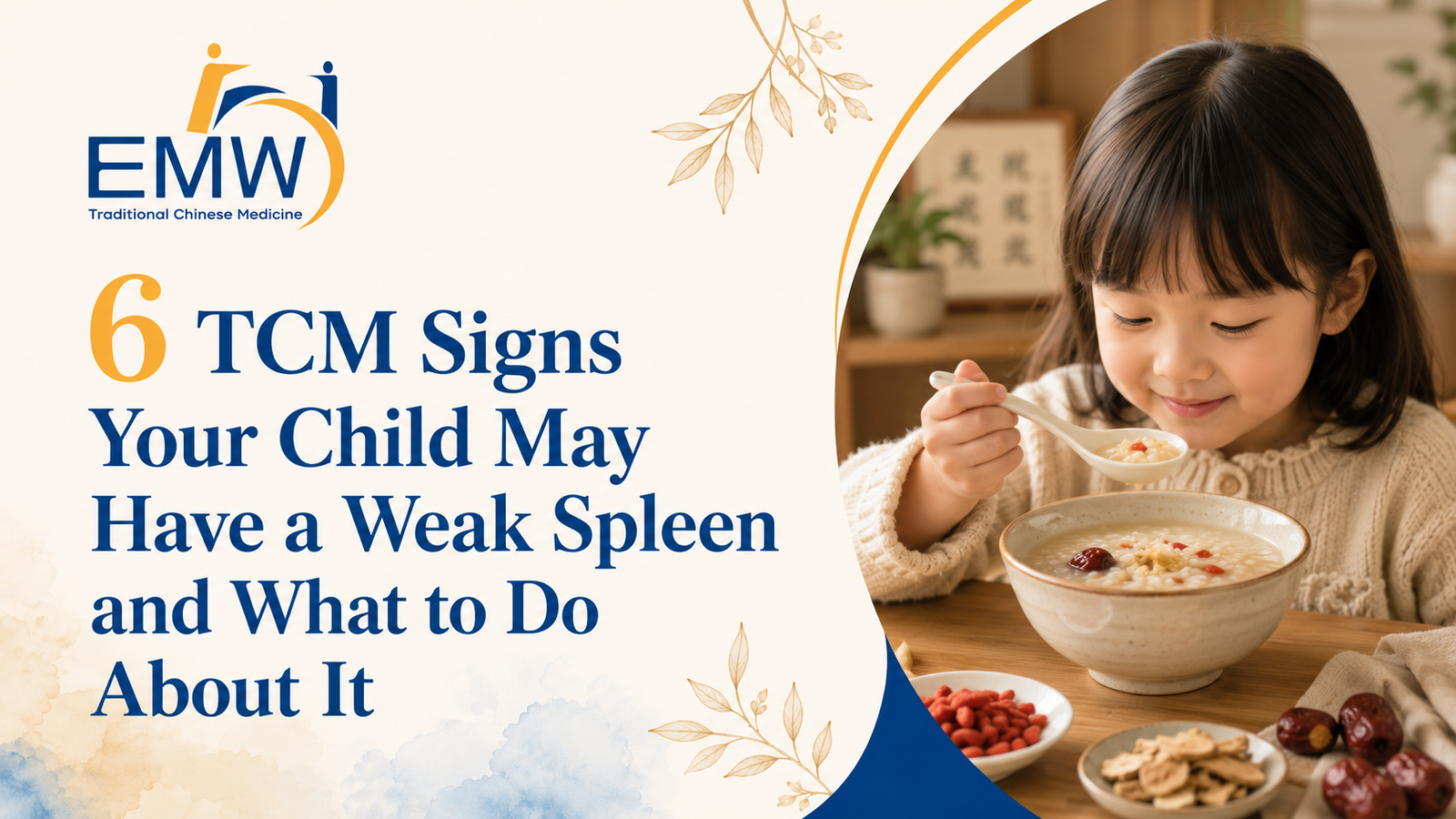
6 TCM Signs Your Child May Have a Weak Spleen and What to Do About It
In TCM, the Spleen is one of the most important systems for a child’s growth, digestion, immunity, energy, and overall development.
This does not refer only to the physical spleen organ in Western anatomy. In TCM, the Spleen is a functional system that helps transform food into Qi and Blood. In simple terms, it is the child’s digestive engine.
When the Spleen is strong, a child usually digests well, eats reasonably well, has steady energy, grows well, passes stools regularly, and recovers better from illness.
When the Spleen is weak, parents may notice a pattern of symptoms such as poor appetite, bloating, loose stools, tiredness, phlegm, picky eating, or frequent falling sick.
At EMW TCM, we often see parents who say:
“My child eats very little.”
“My child is always bloated.”
“My child’s stools are loose.”
“My child keeps coughing with phlegm.”
“My child gets tired easily.”
“My child keeps falling sick after starting school.”
From a TCM perspective, these may be signs that the child’s Spleen Qi needs support.
This article explains 6 TCM Signs Your Child May Have a Weak Spleen and What to Do About It, with practical steps parents in Singapore can start at home.
Important note: TCM should not replace medical care. If your child has persistent vomiting, severe abdominal pain, blood in stool, weight loss, dehydration, prolonged diarrhoea, high fever, poor growth, or is unusually drowsy, please seek medical attention promptly. HealthHub Singapore advises parents to seek medical review for constipation when a child’s appetite, general health, or activity is affected, or when there is severe tummy pain, abdominal distension with vomiting, blood in stool, or no bowel movement for more than 4 days.
What Does “Weak Spleen” Mean In TCM?
In TCM paediatrics, children are naturally more delicate.
Their digestion is still developing. Their Qi is not yet fully strong. Their food habits are easily affected by snacks, cold drinks, irregular meals, illness, antibiotics, stress, poor sleep, or too much rich food.
The Spleen in TCM is responsible for transforming food into nourishment.
When Spleen Qi is weak, food may not be digested efficiently. Instead of becoming clear Qi and Blood, it may create Dampness, phlegm, bloating, fatigue, or irregular stools.
This is why TCM often says:
The Spleen is the root of postnatal Qi.
For children, this is especially important because their bodies are growing every day.
Good digestion is not just about the stomach.
It supports energy, immunity, concentration, sleep, stool pattern, and growth.
Sign 1: Your Child Has Poor Appetite Or Eats Very Slowly
One of the most common signs of weak Spleen Qi is poor appetite.
Some children take a long time to finish meals. Some need constant coaxing. Some eat only a few bites and say they are full. Some prefer snacks but reject proper meals.
In TCM, this may suggest that the digestive fire is weak. The child may not feel naturally hungry because the previous meal has not been transformed well.
Parents may notice:
- Eating very slowly
- Feeling full after a few bites
- Preferring snacks over meals
- Avoiding breakfast
- Needing distraction to eat
- Chewing and holding food in the mouth
- Poor interest in protein or vegetables
What to do:
Start by creating predictable meal rhythms.
Avoid letting the child graze all day. Frequent snacks may reduce proper hunger at mealtimes. Offer warm cooked meals instead of relying heavily on biscuits, bread, cold milk, yoghurt, juice, or packaged snacks.
For picky eating, HealthHub Singapore encourages parents to offer different healthy food choices from all major food groups and to keep exposing toddlers to a variety of foods rather than giving up too quickly.
TCM friendly meal ideas:
- Warm rice porridge
- Pumpkin porridge
- Soft rice with steamed egg
- Vegetable soup with tofu
- Red lentil soup
- Warm oats with nut butter if tolerated
- Miso soup without allium if suitable
- Steamed sweet potato
- Soft cooked carrots and spinach
Avoid making every meal a battle. Stress around food can worsen appetite.
In TCM, calm meals help Qi move better.
Sign 2: Your Child Gets Bloated Easily
Bloating is another common sign.
Parents may notice that the child’s tummy becomes round after meals, or that the child complains of stomach discomfort, burping, gas, or fullness.
In TCM, bloating may be related to weak Spleen Qi, food stagnation, Dampness, or Liver Qi affecting digestion.
Common causes include:
- Eating too quickly
- Eating while distracted
- Too many snacks
- Too much cold food
- Too much dairy or sugar
- Poor chewing
- Irregular meals
- Constipation
- Stress or anxiety
What to do:
Keep meals warm and simple.
Reduce cold drinks and iced desserts. Avoid giving large amounts of raw salad or cold smoothies if the child already has bloating, loose stools, or poor appetite.
Encourage chewing.
After meals, take a gentle walk instead of lying down immediately.
A simple TCM home habit is clockwise tummy massage. Use gentle circular strokes around the belly button in a clockwise direction for a few minutes, preferably when the child is relaxed. Do not massage forcefully, and avoid this if there is severe pain, vomiting, fever, or suspected acute abdominal illness.
Warmth often helps Spleen Qi.
You can also keep the abdomen warm, especially in air conditioned rooms.
Sign 3: Your Child Often Has Loose Stools Or Undigested Food In Stool
Stool pattern gives parents many clues.
In TCM, loose stools, mushy stools, or undigested food in the stool may suggest that the Spleen is not transforming food properly.
Parents may notice:
- Loose stools
- Frequent bowel movements
- Stool that smells sour
- Undigested vegetables or food pieces
- Stool after cold drinks
- Stool after dairy
- Tummy pain before passing motion
- Tiredness after bowel movements
This does not mean every loose stool is Spleen deficiency. Children can also have viral gastroenteritis, food poisoning, food intolerance, infection, or other medical conditions.
Seek medical care if diarrhoea lasts more than 3 days, or if there are dehydration signs, severe stomach pain, blood in stool, black sticky stool, high fever, or your child is unusually sleepy. HealthHub lists these as reasons to seek medical help for diarrhoea, including signs such as no wet diaper for more than 3 hours in children under 2, dry mouth, crying without tears, sunken eyes, or drowsiness.
What to do:
For mild digestive weakness, focus on warm, easy to digest meals.
Helpful foods may include:
- Plain rice porridge
- Carrot porridge
- Pumpkin porridge
- Soft cooked rice
- Banana in moderation
- Steamed apple
- Warm soups
- Tofu
- Small amounts of ginger in cooking if suitable
Avoid during loose stool periods:
- Iced drinks
- Cold milk
- Ice cream
- Fried foods
- Excess fruit juice
- Very greasy food
- Heavy cheese or cream
- Too many raw fruits
The aim is not to over-restrict.
The aim is to give the digestive system a rest.
Sign 4: Your Child Is Tired, Pale, Or Lacks Stamina
Some children do not look acutely sick, but parents notice they seem low in stamina.
They may tire easily during play, prefer to be carried, look pale, sweat easily, or seem less energetic than other children.
In TCM, when Spleen Qi is weak, the body may produce less Qi and Blood. This can affect energy, complexion, muscle tone, and resilience.
Parents may notice:
- Pale face or lips
- Easy fatigue
- Poor appetite
- Soft voice
- Sweating easily
- Wanting to be carried
- Slow recovery after illness
- Lack of concentration
- Cold hands and feet
What to do:
First, consider medical causes if fatigue is persistent or worsening. Iron deficiency, sleep issues, chronic infection, asthma, allergies, thyroid issues, and other conditions may need medical review.
From a TCM lifestyle perspective:
- Keep breakfast warm and protein rich
- Avoid skipping meals
- Prioritise sleep
- Reduce late nights
- Avoid overloading the child with enrichment classes
- Give recovery time after illness
- Use gentle outdoor movement
- Avoid too much sugar
Good meal examples:
- Warm oats with seeds
- Rice porridge with egg
- Tofu vegetable soup
- Lentil stew
- Soft rice with steamed vegetables
- Noodles in warm broth
- Black sesame paste in moderation
- Nut butters if tolerated and age appropriate
A tired child does not always need more supplements.
Sometimes, the child needs better digestion, earlier sleep, and less overstimulation.
Sign 5: Your Child Has Phlegm, Wet Cough, Or Frequent Runny Nose
In TCM, the Spleen is said to produce phlegm, while the Lung stores phlegm.
This means weak digestion may contribute to Dampness, which can later show up as phlegm, mucus, cough, nasal congestion, or runny nose.
Parents may notice:
- Wet cough
- Phlegm that keeps returning
- Runny nose after cold drinks
- Nasal congestion
- Heavy breathing during sleep
- Puffy face
- Heavy limbs
- Reduced appetite during cough episodes
- Thick tongue coating
This is common in Singapore because many children are exposed to air conditioning, cold drinks, dairy, sweet snacks, and frequent viral infections from school or childcare.
What to do:
During phlegmy periods, reduce foods that may worsen Dampness in TCM:
- Ice cream
- Cold milk
- Sugary drinks
- Bubble tea
- Fried snacks
- Excess cheese
- Cakes and pastries
- Heavy creamy foods
Use warm, light meals instead.
Examples:
- Warm porridge
- Clear vegetable soups
- Steamed pear only if suitable to the child’s pattern
- Barley may suit some Heat Dampness patterns but not all Cold weak patterns
- Warm water
- Soft cooked vegetables
Parents should seek medical review if cough is persistent, breathing is difficult, fever is high, the child is lethargic, lips look blue, wheezing is significant, or symptoms worsen.
TCM can support recovery and constitution, but acute respiratory symptoms must be handled safely.
Sign 6: Your Child Falls Sick Easily After Starting School Or Childcare
Many parents notice that once a child starts preschool or childcare, the child begins falling sick repeatedly.
Some degree of viral exposure is normal. However, if the child is constantly unwell, takes a long time to recover, loses appetite after every illness, or becomes weaker after each infection, TCM may consider Spleen and Lung Qi deficiency.
In TCM, strong digestion supports strong Qi. Strong Qi supports better defence.
Parents may notice:
- Frequent colds
- Recurrent cough
- Poor appetite after illness
- Loose stools after medication
- Fatigue after recovery
- Sweating easily
- Thin body frame
- Slow weight gain
- Recurrent phlegm
What to do:
The goal is to rebuild after every illness.
After fever, cough, diarrhoea, or antibiotics, avoid jumping back immediately to cold drinks, fried foods, and heavy meals.
Use a recovery diet for a few days:
- Porridge
- Soups
- Soft rice
- Cooked vegetables
- Simple proteins
- Warm water
- Smaller meals
Sleep matters too.
Children need more recovery time than adults. If a child is overscheduled, sleeping late, and eating poorly, the Spleen and Lung systems may not rebuild well.
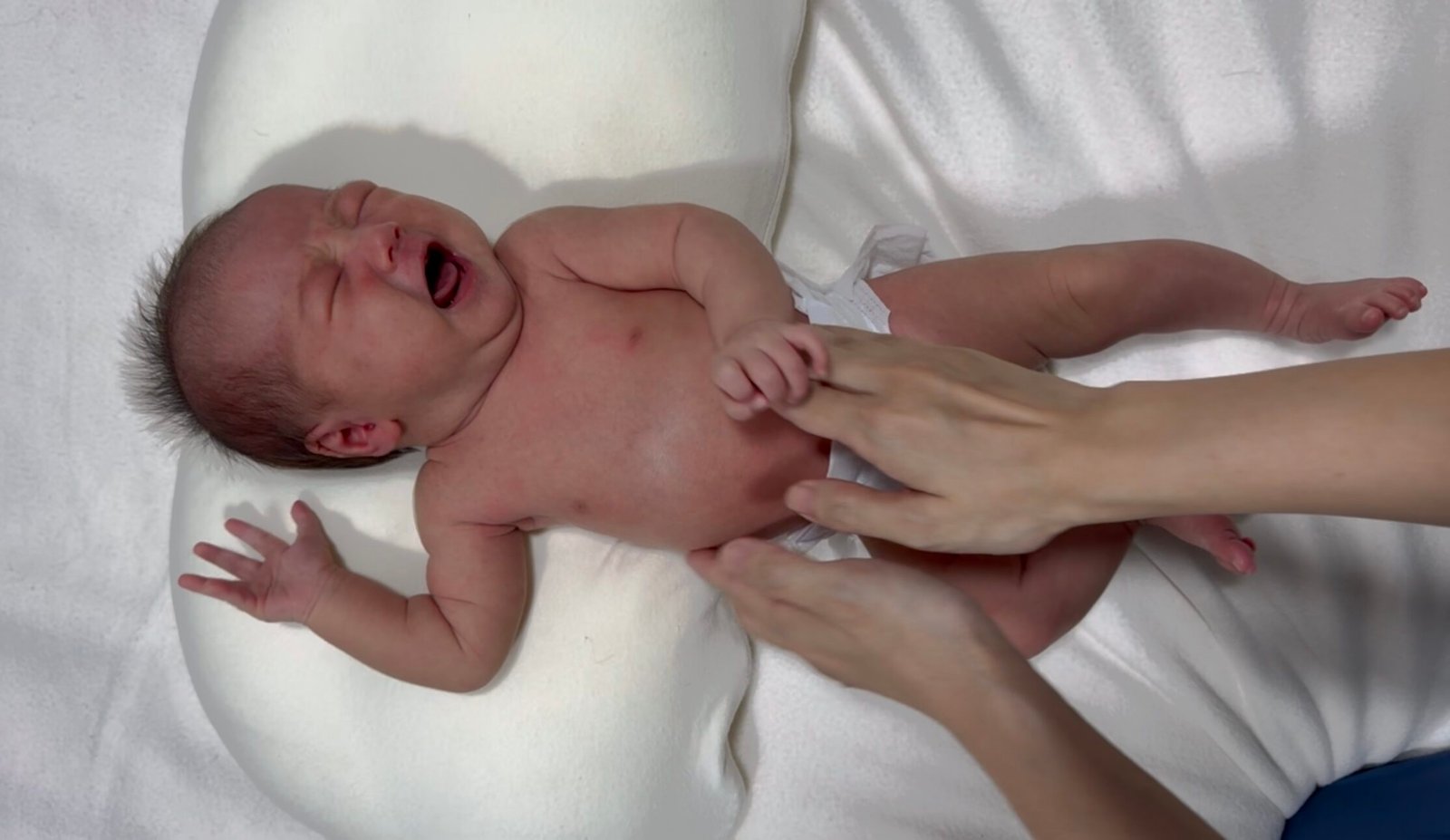
Paediatric TCM, including gentle tuina, may be helpful for some children to support digestion, bowel movement, appetite, sleep, and general constitution.
What Parents Can Do At Home
If you suspect your child has weak Spleen Qi, start with simple foundations.
1. Make breakfast warm
Avoid starting the day with cold milk, iced drinks, cold yoghurt, or only bread and biscuits.
Better options include warm oats, porridge, soft rice, soup noodles, steamed egg, or warm drinks.
2. Reduce grazing
Let your child feel natural hunger. Too many snacks can weaken appetite for proper meals.
3. Choose cooked foods more often
Children with weak Spleen patterns often do better with cooked vegetables than raw salads.
4. Limit iced drinks
Cold drinks may worsen bloating, loose stools, phlegm, and poor appetite in sensitive children.
5. Keep meals calm
Avoid shouting, threatening, or chasing your child with food. Mealtime stress can worsen digestion.
6. Use gentle tummy massage
Clockwise belly massage may help some children with mild bloating or sluggish digestion.
7. Prioritise sleep
Late sleep weakens recovery, appetite, and immunity.
8. Seek help early when symptoms persist
If appetite, stools, energy, growth, or immunity are consistently poor, get a proper assessment.
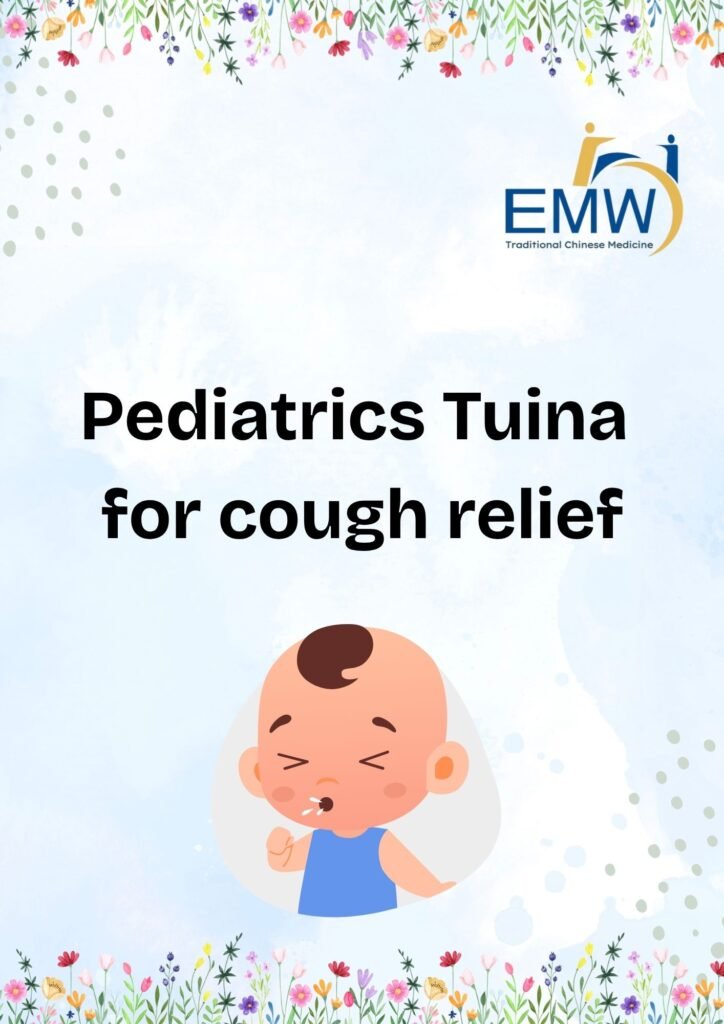
Download Our Cough Relief Pediatric Acupressure Handbook!
When Should Parents Seek Medical Help?
Please seek medical care if your child has:
- Weight loss
- Poor growth
- Blood in stool
- Persistent vomiting
- Severe abdominal pain
- Fever with lethargy
- Diarrhoea lasting more than 3 days
- Constipation lasting more than 2 weeks
- Abdominal swelling
- No bowel movement for more than 4 days
- Signs of dehydration
- Persistent refusal to eat
- Difficulty breathing
- Extreme tiredness
Mayo Clinic advises seeing a doctor if child constipation lasts longer than two weeks or is accompanied by fever, not eating, blood in stool, abdominal swelling, weight loss, or pain during bowel movements.
TCM works best when serious medical causes are not missed.
How EMW TCM Supports Children With Weak Spleen Patterns
At EMW TCM Singapore, our paediatric approach is gentle, practical, and parent friendly.
We may assess:
- Appetite
- Food preferences
- Stool pattern
- Sleep
- Energy
- Sweating
- Cough and phlegm tendency
- Tongue appearance
- Growth and constitution
- Childcare or school exposure
- Dietary habits
- Recent illness history
Support may include:
- Paediatric tuina
- Gentle acupuncture only when suitable
- TCM dietary advice
- Digestion focused lifestyle guidance
- Herbal support only when appropriate
- Parent education
- Recovery plans after illness
Our goal is not to force children to eat more.
Our goal is to help digestion become stronger, so appetite, energy, stools, and immunity can gradually improve.
FAQ: Weak Spleen In Children
1. Does weak Spleen mean my child has a spleen disease?
No. In TCM, weak Spleen refers to a functional digestive and energy pattern. It does not mean your child’s anatomical spleen is diseased.
2. Can picky eating be related to weak Spleen?
Yes, in TCM, poor appetite and picky eating may be linked to weak digestion, food stagnation, Dampness, or stress around mealtimes.
3. Should I give my child herbs?
Do not give herbs randomly. Children need careful dosing and proper diagnosis by a qualified TCM physician.
4. Is paediatric tuina suitable for children?
Paediatric tuina is commonly used in TCM for children and may support digestion, appetite, stool patterns, sleep, and constitution when done appropriately.
5. Should my child avoid all cold foods?
Not necessarily. It depends on constitution. However, children with bloating, loose stools, poor appetite, or phlegm may benefit from reducing iced drinks and cold raw foods.
6. How long does it take to strengthen Spleen Qi?
It depends on the child’s age, diet, sleep, illness history, and constitution. Many children need consistent food and lifestyle changes over weeks to months.
Singapore Context: Why This Matters Locally
In Singapore, many infants face:
- Early childcare exposure
- High parental stress levels
- Tight schedules affecting feeding rhythms
These factors can exacerbate colic and reflux symptoms. EMW TCM takes local lifestyle realities into account, offering realistic guidance that fits modern Singaporean families.
Final Thoughts
A weak Spleen in TCM does not mean your child is weak.
It means the digestive engine may need support.
If your child has poor appetite, bloating, loose stools, fatigue, phlegm, or frequent illness, TCM may offer a useful way to understand the pattern behind the symptoms.
Start with warm meals, regular rhythm, less cold food, better sleep, calm mealtimes, and gentle movement.
If the pattern persists, seek a proper paediatric TCM assessment.
Our TCM Physicians
Principal TCM Physician
- M.Med(TCM Gynaecology)
- B.Sc(Hons) Biomedical Sciences
- Dip. Naturopath
- Ayurvedic Therapist(500hrs)
- Registered TCM Physician (Singapore MOH)

Senior TCM Physician
- M.Med(TCM Acupuncture & Moxibustion)
- B.Sc(Hons) Biomedical Sciences
- Certified Aromatherapist
- Registered TCM Physician (Singapore MOH)

TCM Physician
- M.Med(TCM Gynaecology)
- B.Sc(Hons) Biomedical Sciences
- Registered TCM Physician (Singapore MOH)
TCM Physician
- B.Med(TCM)
- B.Sc(Hons) Biomedical Sciences
- International Board-Certified Lactation Consultant (IBCLC)
- Registered TCM Physician (Singapore MOH)