Lifestyle & Fertility Nutrition for IVF: A TCM-Based Preconception Plan to Improve Outcomes

Lifestyle & Nutrition For IVF

Why Fertility Nutrition Matters More During IVF

For couples undergoing IVF, the question is no longer just “Can fertility nutrition for IVF work?”

It is “How do I prepare my body so IVF has the best possible chance to work?”

This is where fertility nutrition and lifestyle optimisation become critical.

IVF is a powerful medical technology, but it does not replace biology. Egg quality, endometrial receptivity, mitochondrial health, inflammation levels, and hormonal signalling still determine whether an embryo implants and progresses.

From a Traditional Chinese Medicine (TCM) perspective, IVF does not override:

  • Kidney Essence (Jing)
  • Blood and Yin sufficiency
  • Liver Qi flow
  • Spleen digestion and nutrient assimilation

From a biomedical perspective, IVF success is strongly influenced by:

  • Insulin sensitivity
  • Oxidative stress
  • Micronutrient status
  • Inflammatory load
  • Mitochondrial energy production

This article outlines a TCM-based, evidence-informed fertility nutrition and lifestyle plan specifically for IVF patients in Singapore, answering common questions such as:

  • What food can I eat during IVF to get a baby?
  • What food helps me get pregnant easier during IVF?
  • What should I eat while trying for a baby through IVF?

Fertility Nutrition for IVF: Food as Biological Preparation, Not “Superfoods”

Why Nutrition Impacts IVF Outcomes

Research consistently shows that dietary patterns influence:

  • Oocyte quality
  • Embryo development
  • Implantation rates
  • Pregnancy maintenance

From a TCM viewpoint, food is not simply fuel. It is post-natal Jing, supporting the transformation of nutrients into Blood, Yin, and Essence.

From a functional medicine lens, fertility nutrition supports:

  • Mitochondrial ATP production in eggs
  • Stable glucose and insulin signalling
  • Reduced oxidative damage to oocytes
  • Healthy gut-immune-hormonal communication

This is why fertility nutrition should begin at least 8–12 weeks before IVF, not after stimulation starts.

What Food to Eat During IVF: A TCM-Aligned Fertility Nutrition Framework

1. Warm, Cooked, Digestible Foods (TCM Spleen Support)

During IVF, digestion must be efficient. Poor digestion reduces nutrient absorption even if the diet looks “healthy.”

Best foods to eat during IVF:

  • Steamed or slow-cooked vegetables
  • Soups, congee, broths with vegetables
  • Lightly sautéed greens
  • Soft root vegetables (pumpkin, carrot, sweet potato)

TCM rationale:

Strengthens Spleen Qi → improves Blood formation → supports uterine lining.

Avoid excessive raw salads, cold smoothies, and iced drinks, especially during stimulation and transfer phases.

2. Protein for Egg Quality and Hormonal Balance

Protein is essential for follicular development and embryo growth, but excess animal protein can increase inflammation in some IVF patients.

Fertility-friendly proteins include:

  • Lentils and mung beans (well-cooked)
  • Chickpeas
  • Tempeh (fermented, easier to digest)
  • Tofu in moderation
  • Quinoa and buckwheat

Evidence note:

Plant-forward diets are associated with improved metabolic markers relevant to fertility, particularly insulin sensitivity and inflammatory balance.

3. Healthy Fats for Hormones and Implantation

Hormones are built on fat-based signalling pathways.

What food can I eat during IVF to get pregnant easier?

Focus on anti-inflammatory fats:

  • Avocado
  • Extra virgin olive oil
  • Nuts and seeds (sesame, flax, chia, walnuts)
  • Small amounts of coconut oil for cooking

Avoid trans fats, deep-fried foods, and excessive processed seed oils.

4. Blood-Nourishing Foods (TCM Perspective)

From TCM, IVF success relies heavily on adequate Blood and Yin.

Blood-supportive fertility foods:

  • Dark leafy greens (spinach, amaranth, bok choy)
  • Beetroot
  • Black sesame seeds
  • Red dates (moderation)
  • Goji berries (in soups or teas)

These foods support endometrial receptivity and uterine nourishment without overstimulation.
What to Avoid During IVF (Equally Important)

Foods That Can Undermine IVF Outcomes

Limit or avoid during IVF:

  • Alcohol (even “social” drinking)
  • Excess caffeine (≤1 small cup daily, ideally none)
  • Highly processed foods
  • Refined sugars
  • Ice-cold foods and drinks
  • Frequent takeaway meals

From both TCM and biomedical perspectives, these increase:

  • Oxidative stress
  • Inflammation
  • Hormonal dysregulation
  • Blood stasis

Fertility Nutrition and the Gut–Hormone–Immune Axis

IVF success is not just about ovaries and uterus.

Gut health influences:

  • Estrogen metabolism
  • Immune tolerance at implantation
  • Inflammatory cytokine levels

A fertility nutrition plan should therefore:

  • Prioritise fibre from vegetables
  • Include fermented foods if tolerated
  • Reduce bloating and digestive strain

In TCM, this equates to harmonising the Spleen and Liver, preventing dampness and stagnation that interfere with implantation.

Lifestyle Factors That Work Synergistically with Fertility Nutrition

1. Sleep: The Overlooked IVF Fertility Factor

Sleep before 11 pm supports:

  • Melatonin secretion
  • Egg mitochondrial health
  • Hormonal signalling

Melatonin also functions as an antioxidant within follicles.

Aim for 7–8 hours of consistent sleep, especially during stimulation cycles.

2. Stress Regulation (Without Blaming the Patient)

Stress does not “cause” infertility, but chronic stress alters:

  • Cortisol rhythms
  • Blood flow to reproductive organs
  • Immune tolerance

TCM acupuncture, breathing practices, and gentle yoga are evidence-supported ways to regulate the nervous system during IVF.

3. Exercise: Gentle, Not Aggressive

Recommended during IVF preparation:

  • Walking
  • Yin yoga
  • Gentle stretching
  • Light strength work

Avoid high-intensity training during stimulation and post-transfer phases.

Evidence Snapshot: Nutrition, Oxidative Stress, and IVF Outcomes

A key mechanism linking fertility nutrition to IVF success is oxidative stress reduction.

A peer-reviewed study published in Human Reproduction demonstrated that oxidative balance and antioxidant status influence oocyte quality and embryo development.

Reference:

Agarwal A, Gupta S, Sharma R. Role of oxidative stress in female reproduction. Human Reproduction Update. 2005;11(6):641-650.

DOI: 10.1093/humupd/dmi025

This supports the integration of anti-inflammatory, nutrient-dense fertility nutrition during IVF cycles.

How EMW TCM + Fertility Nutrition Help Your IVF Success

From a biomedical perspective, acupuncture for fertility improves ovarian and uterine blood flow, regulates the hypothalamic-pituitary-ovarian axis, lowers cortisol, reduces inflammation, and supports hormonal balance. These effects complement TCM principles and help enhance egg development, implantation, and reproductive function.

1. Comprehensive Assessment

Your first consultation includes:

  • Cycle assessment

  • Digestion and hormonal review

  • Energy and stress evaluation

  • Sleep and lifestyle factors

  • Male fertility screening when relevant

2. Evidence-Based TCM Diagnosis

  • Qi stagnation

  • Blood deficiency

  • Spleen Qi weakness

  • Kidney Yin/Yang imbalance

  • Liver Qi constraint

  • Dampness and inflammation

3. Personalised Fertility Treatment Plan

  • Weekly fertility acupuncture

  • Customised herbal formulas

  • Moxibustion

  • Dietary therapy

  • Stress reduction strategies

  • Lifestyle recommendations

TCM Acupuncture for Fertility Treatments

Acupuncture, one of the most researched TCM fertility tools, has been found to influence several physiological pathways related to reproduction.

A review published in Fertility and Sterility (2019) reported that acupuncture may improve blood flow to the uterus and ovaries, modulate stress hormones, and enhance endometrial receptivity. Another meta-analysis in Integrative Medicine Research (2021) concluded that acupuncture used alongside conventional fertility treatment can improve pregnancy outcomes and reduce anxiety levels in women undergoing IVF.

From a clinical standpoint, acupuncture helps regulate the hypothalamic-pituitary-ovarian axis, improving hormone balance and menstrual regularity. It can also reduce cortisol levels, encouraging the parasympathetic or “rest-and-rebuild” state which supports implantation and early pregnancy.

TCM fertility acupuncture singapore
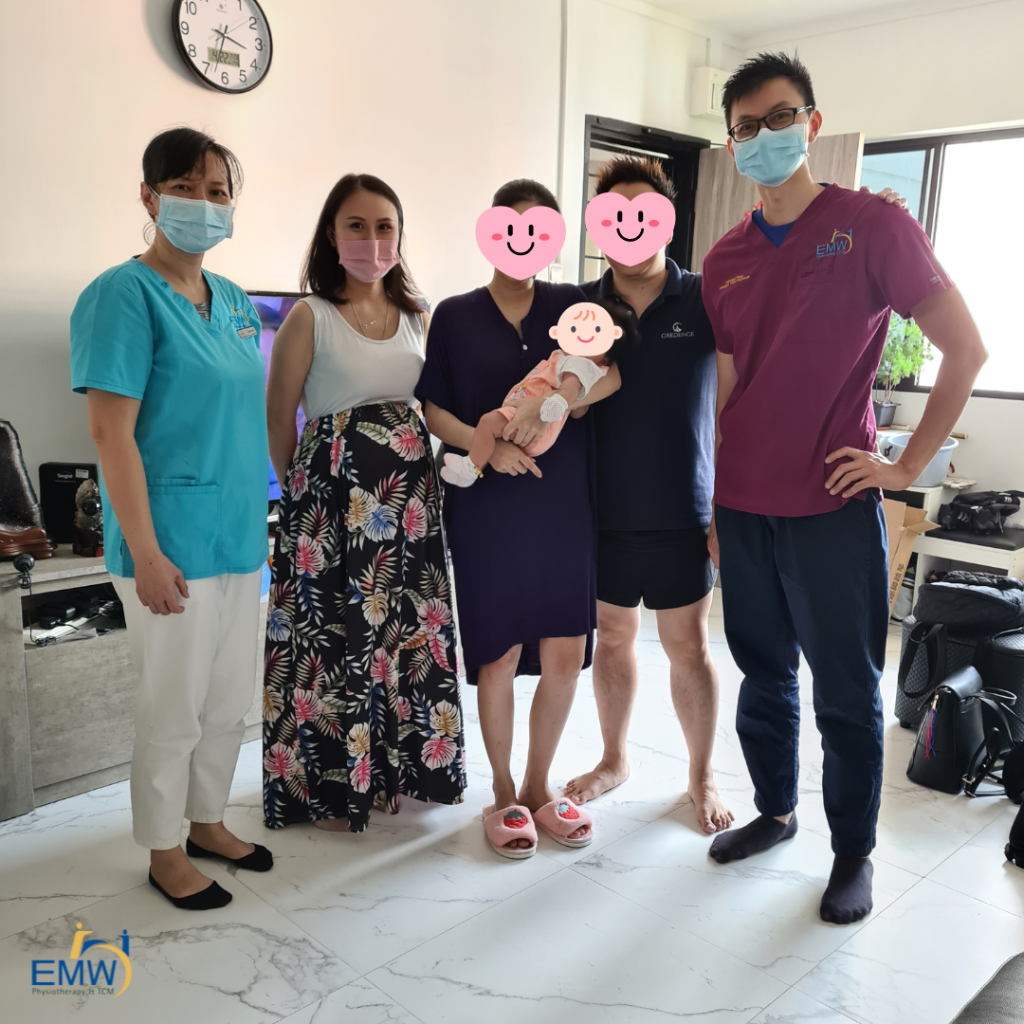
Fertility Nutrition for IVF worked for this couple

Fertility nutrition does not “guarantee” pregnancy.

What it does:

  • Improves biological readiness
  • Reduces internal obstacles
  • Enhances IVF efficiency
  • Supports long-term reproductive health

In TCM, we do not force outcomes. We prepare the terrain.

At EMW TCM, IVF support is structured, personalised, and integrative.

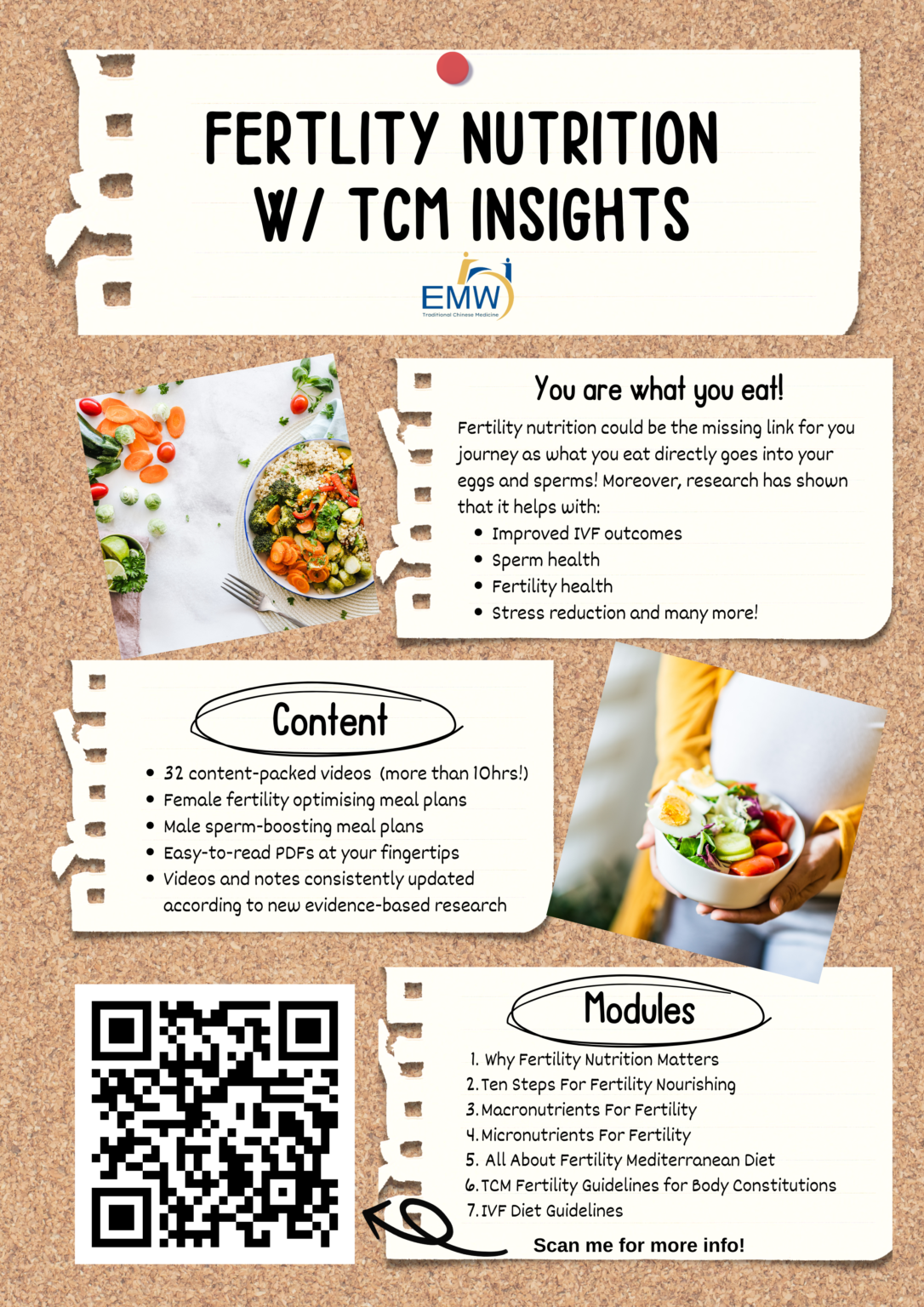
If you want clear, actionable IVF nutrition plans through our on-demand program designed specifically for:

  • IVF patients
  • Women preparing for embryo transfer
  • Those who want clarity, not conflicting advice

This is where food, TCM, and fertility science finally align.

Enrol here: Fertility Nutrition With TC Insights

If you want a concise, practical guide covering:

  • IVF lifestyle preparation
  • Nutrition, sleep, stress, and cycle timing
  • Clear do’s and don’ts for IVF patients

Download here:

https://emwtcm.podia.com/fertility-support-guide

Acupuncture is used to:

  • Improve pelvic blood flow
  • Regulate stress response
  • Support implantation windows
  • Complement IVF protocols safely

WhatsApp to book:

+65 9728 0455

Our Flagship Ebook & Video Course

Fertility Guide 1
This comprehensive eBook gives you the clarity, confidence, and gentle structure you need to stop second-guessing and finally move forward. Instead of wasting precious months on trial and error, you will learn how to create the best internal environment for conception, naturally or alongside treatments like IUI and IVF.
newsletter subscribe
You understand the significance of nutrition and lifestyle, showcasing a conscientious approach. (You’re definitely on the right track!) Embarking on the Fertility Nutrition With TCM Insights course opens up a world of simple yet transformative actions that can reshape your journey, starting from the moment you decide to join.

When to Seek Professional TCM Fertility Help

Fertility is not just a matter of age or hormones. It is a reflection of the body’s internal harmony. Traditional Chinese Medicine provides an integrative and natural way to restore this balance, supporting both physical and emotional readiness for conception.

At EMW TCM Singapore, our team of experienced physicians brings together centuries-old wisdom and modern evidence to guide your fertility journey. Whether you are trying naturally or preparing for IVF, we are here to help you create the best internal environment for new life to begin.

If you have been trying to conceive for more than six to twelve months, experience irregular menses, painful periods, or have been diagnosed with PCOS, endometriosis, or low sperm count, consider a consultation. Professional TCM fertility care aims to correct the underlying imbalance rather than simply forcing ovulation or hormone production.

Check out our links below to book your fertility consultation and begin your holistic journey toward conception.

EMW TCM Clinics

Scotts Medical Centre Branch

9 Scotts Road #10-04, Scotts Medical Centre @ Pacific Plaza,
Singapore 228210
Book Your Appointment With Us Here: +65 89585869

International Building Branch

360 Orchard Road, International Building #02-05/06
Singapore 238869
Book Your Appointment With Us Here: +65 89585869

Our Physicians

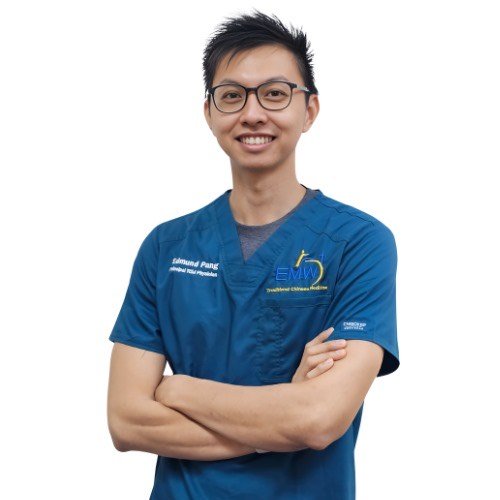
Principal TCM Physician

  • M.Med(TCM Gynaecology)
  • B.Sc(Hons) Biomedical Sciences
  • Dip. Naturopath
  • Ayurvedic Therapist(500hrs)
  • Registered TCM Physician (Singapore MOH)

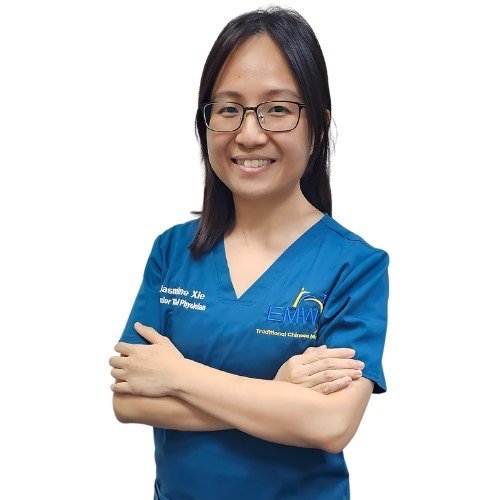
Senior TCM Physician

  • M.Med(TCM Acupuncture & Moxibustion)
  • B.Sc(Hons) Biomedical Sciences
  • Certified Aromatherapist
  • Registered TCM Physician (Singapore MOH)

TCM Physician

  • M.Med(TCM Gynaecology)
  • B.Sc(Hons) Biomedical Sciences
  • Registered TCM Physician (Singapore MOH)

TCM Physician

  • B.Med(TCM)
  • B.Sc(Hons) Biomedical Sciences
  • International Board-Certified Lactation Consultant (IBCLC)
  • Registered TCM Physician (Singapore MOH)

Comments

No comments yet. Why don’t you start the discussion?

Leave a Reply

Your email address will not be published. Required fields are marked *