TCM Baby Colic Treatment
Colic and reflux are among the most distressing challenges for parents of young babies. In Singapore, many families find themselves caught between reassurance that “baby will outgrow it” and concern about frequent crying, milk regurgitation, poor sleep, and feeding struggles. While medications are sometimes prescribed, many parents look for gentler, non-invasive options that support their baby’s natural digestive development.
This is where Tuina massage for babies plays a unique role. Rooted in Traditional Chinese Medicine (TCM) but adapted specifically for infants, pediatric Tuina is not adult massage scaled down. It is a specialised, age-appropriate therapy designed to support immature digestion, regulate the nervous system, and ease discomfort without force or suppression.
At EMW TCM, pediatric Tuina is delivered with a safety-first philosophy, deep understanding of child development, and close collaboration with conventional pediatric care. This article explains how Tuina massage helps babies with colic and reflux, and why many Singapore parents choose EMW TCM for their child’s care.
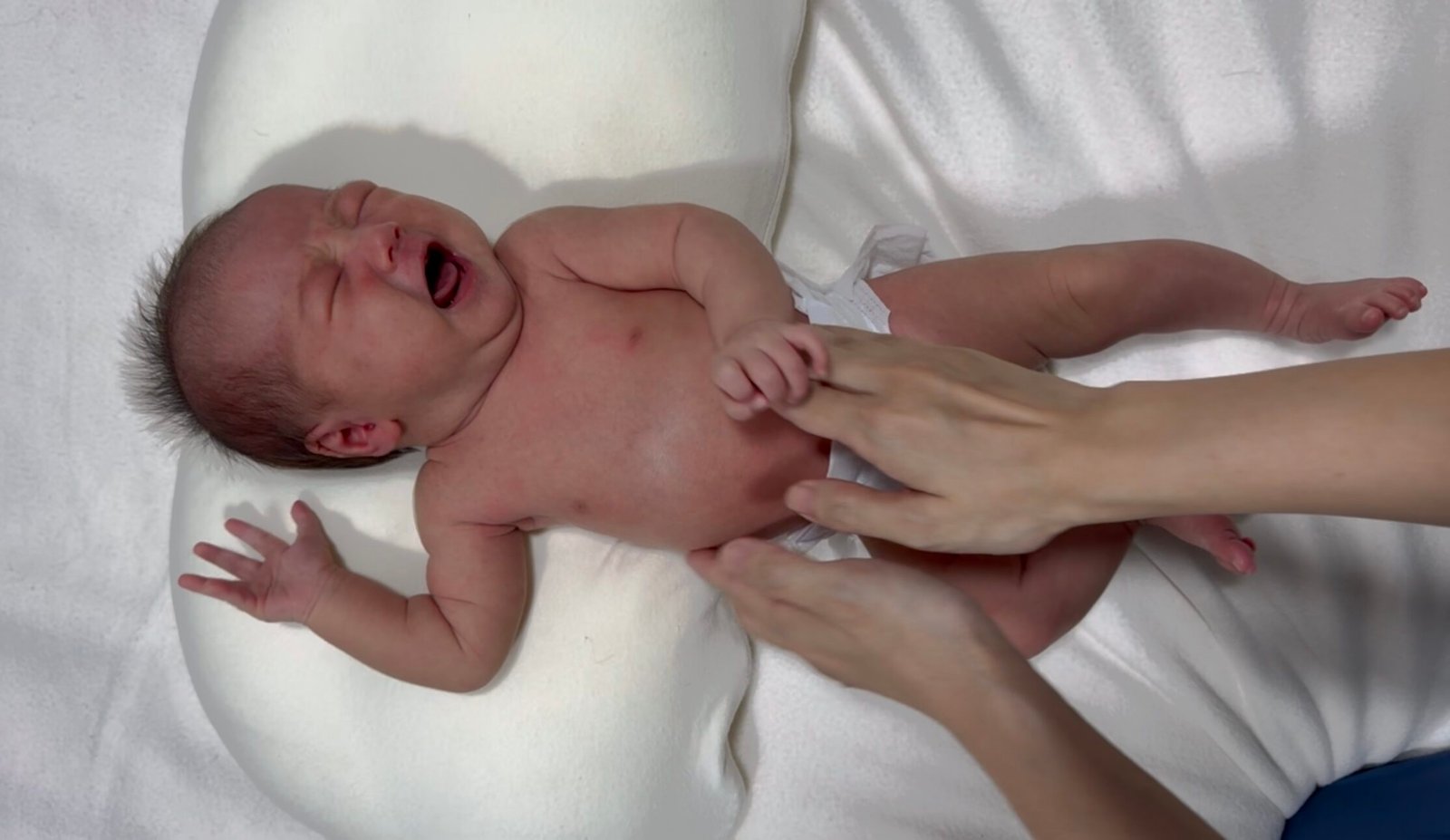
Pediatric Tuina is a natural and non-invasive massage therapy specifically designed for young infants and children, between the age of 3 months old to 6 years old. It involves gentle stimulation of acupoints along the meridians on their delicate skin through rhythmic kneading, rubbing, and tapping to improve energy circulation, relieve discomforts and enhance overall wellness in your child (a safe option with minimal side effects).
Understanding Colic and Reflux in Babies
Colic: More Than Just Crying
Colic is commonly defined as excessive crying in an otherwise healthy baby, often peaking around six to eight weeks of age. From a developmental perspective, colic reflects an immature digestive and nervous system struggling to adapt to feeding, gas movement, and sensory input.
Reflux: A Developmental Digestive Pattern
Infant reflux occurs when milk flows back from the stomach into the oesophagus. In babies, this is often due to underdeveloped lower oesophageal sphincter function rather than disease. Most reflux is physiological, but symptoms such as frequent spitting up, discomfort after feeds, arching, and disrupted sleep can significantly affect family wellbeing.
From a TCM pediatric lens, both colic and reflux relate closely to immature Spleen and Stomach function, poor Qi movement, and sensitivity to feeding patterns. Importantly, these patterns require gentle regulation, not aggressive intervention.
What Is Pediatric Tuina Massage?
Tuina is a form of therapeutic manual therapy within TCM. Pediatric Tuina is a distinct subspecialty with its own techniques, pressure levels, and treatment logic.
Unlike adult massage, Tuina massage for babies uses light, rhythmic strokes along specific meridians and reflex zones. Sessions are short, non-invasive, and designed to calm rather than stimulate. At EMW TCM, practitioners undergo specialised pediatric training to ensure techniques are developmentally appropriate and safe.
Key characteristics of pediatric Tuina include:
- No forceful manipulation
- No joint cracking or deep pressure
- Focus on regulation, not correction
- Adapted entirely to infant physiology
Download Our Cough Relief Pediatric Acupressure Handbook!

7 Powerful Ways Tuina Massage Helps Babies with Colic and Reflux
1. Regulates Immature Digestive Function
In infants, digestion is still developing. Tuina techniques gently stimulate abdominal meridians to encourage coordinated gut movement. This helps reduce gas retention, bloating, and milk stagnation without forcing bowel activity.
2. Improves Milk Descent and Reduces Regurgitation
Specific Tuina strokes help guide stomach Qi downward, which is essential for reducing reflux. Rather than suppressing acid, the goal is to support natural digestive directionality.
3. Calms the Infant Nervous System
Colic is strongly linked to nervous system immaturity. Pediatric Tuina activates parasympathetic pathways, helping babies shift from distress to calm. This often leads to improved sleep and reduced evening crying episodes.
4. Reduces Abdominal Tension and Gas Pain
Gentle abdominal techniques help release trapped gas. Parents often report softer bellies, easier burping, and less sudden crying after feeds.
5. Supports Feeding Tolerance
By improving digestive coordination, babies often feed more comfortably, with less arching, coughing, or pulling away during feeds.
6. Strengthens Digestive Maturation Over Time
Rather than offering a short-term fix, Tuina supports the gradual maturation of digestive organs. This aligns with EMW TCM’s philosophy of supporting development rather than overriding it.
7. Empowers Parents Through Education
At EMW TCM, parents are taught simple, safe Tuina techniques they can perform at home. This builds confidence and reduces reliance on constant interventions.
Why EMW TCM Pediatric Care Is Different
Many parents ask why they should choose EMW TCM instead of general TCM clinics. The difference lies in pediatric specialisation and clinical philosophy.
Age-Appropriate Diagnosis and Dosing
Babies are not small adults. EMW TCM does not apply adult TCM patterns or herbal formulas to infants. Diagnosis considers feeding type, gestational history, growth patterns, and neurodevelopmental stage.
Minimalist Herbal Approach
For colic and reflux, Tuina and dietary guidance are prioritised. Herbal medicine is used only when clearly indicated, in very small doses, and always child-appropriate.
Food as Primary Therapy
Digestive strength is the foundation of infant health. EMW TCM provides tailored feeding advice, including formula selection, maternal diet considerations for breastfeeding mothers, and feeding rhythms suited to Singapore family routines.
Pediatric Acupressure and Herbal Plasters
Instead of needles, EMW TCM uses gentle acupressure and child-safe herbal plasters when appropriate. These methods support digestion without distress.
Collaboration With Conventional Pediatric Care
EMW TCM works alongside paediatricians, not against them. Babies with red flags such as poor weight gain or suspected pathology are referred promptly.
Safety and Evidence Considerations
Is Tuina Massage Safe for Babies?
When performed by trained pediatric TCM practitioners, Tuina is considered low risk. Pressure is light, sessions are short, and techniques are adapted to the baby’s tolerance.
What Does Research Say?
Studies suggest that pediatric massage and Tuina-like interventions may help reduce crying duration and improve gastrointestinal function in infants.
- A systematic review found that massage therapy reduced crying time in infants with colic (DOI: 10.1542/peds.2006-2384).
- Research on infant massage has demonstrated modulation of vagal tone and improved gastric motility (DOI: 10.1016/S0140-6736(02)07363-8).
- Studies on TCM-based pediatric manual therapy suggest benefits for functional digestive disorders (DOI: 10.1016/j.ctim.2013.03.002).
While more high-quality trials are needed, the existing literature supports the safety and potential benefit of gentle manual therapies when used appropriately.
Singapore Context: Why This Matters Locally
In Singapore, many infants face:
- Early childcare exposure
- High parental stress levels
- Tight schedules affecting feeding rhythms
These factors can exacerbate colic and reflux symptoms. EMW TCM takes local lifestyle realities into account, offering realistic guidance that fits modern Singaporean families.
When Should Parents Seek Help?
Tuina massage for babies may be helpful when:
- Crying persists beyond typical soothing methods
- Reflux disrupts sleep or feeding
- Parents feel anxious or overwhelmed
Immediate medical review is needed if there is poor weight gain, projectile vomiting, blood in stools, or lethargy.
Our TCM Physicians

Principal TCM Physician
- M.Med(TCM Gynaecology)
- B.Sc(Hons) Biomedical Sciences
- Dip. Naturopath
- Ayurvedic Therapist(500hrs)
- Registered TCM Physician (Singapore MOH)

Senior TCM Physician
- M.Med(TCM Acupuncture & Moxibustion)
- B.Sc(Hons) Biomedical Sciences
- Certified Aromatherapist
- Registered TCM Physician (Singapore MOH)

TCM Physician
- M.Med(TCM Gynaecology)
- B.Sc(Hons) Biomedical Sciences
- Registered TCM Physician (Singapore MOH)

TCM Physician
- B.Med(TCM)
- B.Sc(Hons) Biomedical Sciences
- International Board-Certified Lactation Consultant (IBCLC)
- Registered TCM Physician (Singapore MOH)

Pingback: Child Cough After Cold: 7 Critical Signs Parents Should Know About a Lingering Cough - EMW TCM