TCM Confinement Singapore: How TCM Support Postpartum Recovery

postnatal recovery

After childbirth, many women feel torn between caring for their newborn and recovering their own health and TCM Confinement has been more popular in Singapore recently. In Traditional Chinese Medicine, this period is known as “Zuo Yue Zi”, or the confinement month, a time for deep rest and nourishment. In modern Singapore, the tradition of confinement is evolving, yet the underlying wisdom remains powerful.

At EMW TCM Singapore, we see postpartum care not only as physical healing but also as emotional restoration. Our physicians integrate TCM acupressure, moxibustion acupuncture, and herbal medicine in TCM Confinement Singapore care to help mothers regain balance, replenish energy, and prevent long-term health issues.

tcm confinement herbs

TCM Confinement Singapore

From the TCM perspective, childbirth leaves the body temporarily depleted of Qi and Blood, the vital substances that sustain energy, circulation, and hormonal balance. During delivery, blood and fluids are lost, and the uterus remains open, making the body vulnerable to cold, fatigue, and emotional instability.

If this depletion is not properly addressed, it can lead to chronic symptoms later such as fatigue, hair loss, poor milk supply, irregular menstruation, anxiety, or body aches. Hence, postpartum TCM Singapore practices focus on three goals:

  1. Replenish Qi and Blood through nourishing diet and herbs.

  2. Warm the body and dispel Cold to protect long-term vitality.

  3. Support lactation and emotional balance by harmonising Liver and Spleen function.

The Science Behind TCM Confinement Singapore

Modern research now supports several aspects of this ancient wisdom. A 2021 review in Complementary Therapies in Medicine found that acupuncture and herbal therapy improved postpartum fatigue, lactation, and mood by regulating neuroendocrine function. Another study published in BMJ Open (2020) showed that women who followed structured postpartum rest and nutritional therapy had faster wound healing and reduced depressive symptoms compared to those who did not.

These findings align with the TCM principle that postpartum recovery requires warmth, rest, and nourishment rather than immediate return to strenuous activity.

Qi and Blood Deficiency: The Root of Postpartum Fatigue

One of the most common TCM diagnoses after delivery is Qi and Blood Deficiency. This condition arises when the body’s energy is used faster than it can be replenished. Signs include dizziness, pale complexion, fatigue, low appetite, poor concentration, and hair loss.

Chinese herbs for postpartum recovery such as Dang Gui (Angelica sinensis), Huang Qi (Astragalus membranaceus), and Shu Di Huang (Rehmannia root) are traditionally prescribed to rebuild vitality.

A clinical study in Phytotherapy Research (2019) confirmed that Dang Gui can stimulate red-blood-cell formation and improve circulation, while Huang Qi enhances immune and digestive functions. These effects explain why TCM prescriptions often combine herbs to tonify both Qi and Blood simultaneously.

At EMW TCM, postpartum formulas are customised according to each mother’s constitution, breastfeeding status, and mode of delivery.

TCM Confinement Singapore
A 2018 study published in The Journal of Maternal Health found that postpartum massage enhances oxytocin release, which helps with uterine contractions, reduces swelling, and supports emotional well-being. Our specialized EMW TCM postnatal massage Singapore program integrates these evidence-based benefits to ensure a smoother recovery journey for new mothers.

Postnatal Acupuncture for Recovery

Postnatal acupuncture helps regulate hormonal balance, promote uterine contraction, and ease muscular pain. Research published in Obstetrics & Gynecology Science (2021) showed that acupuncture can modulate oxytocin release and improve milk flow, making it useful for both physical recovery and TCM lactation support.

Our postpartum acupuncture sessions commonly target:

  • ST36 (Zusanli) to boost energy and digestion.

  • SP6 (Sanyinjiao) to harmonise the reproductive system.

  • LV3 (Taichong) to soothe emotions and relieve stress.

  • BL20 (Pishu) to strengthen Spleen Qi and prevent bloating.

Mothers often notice improved sleep, lighter body aches, and calmer emotions within several sessions.

TCM Lactation Support: Enhancing Milk Flow Naturally

Insufficient milk supply is a common worry for new mothers. In TCM, lactation depends on the smooth flow of Qi and Blood to the breasts. When Qi is stagnant or Blood is deficient, milk production may decrease.

Acupuncture and herbal therapy can address both underlying and immediate issues. Studies in Journal of Alternative and Complementary Medicine (2020) reported that acupuncture at points such as SI1 (Shaoze) and ST18 (Rugen) significantly increased milk volume within one week.

Herbs like Tong Cao, Mu Tong, and Wang Bu Liu Xing are used to open the lactation channels, while Dang Gui and Ren Shen rebuild Blood to ensure sustained milk production. At EMW TCM, our Flowing Ease essential oil blend and lactation herbal packages further support these goals in a gentle, skin-safe way.

Emotional Healing and the Liver System

Postpartum mood changes are not just hormonal; they also involve the Liver system in TCM. The Liver governs the smooth flow of Qi and emotions. When overburdened by stress or sleep deprivation, Liver Qi stagnation may lead to irritability, sadness, or anxiety.

Acupuncture combined with herbs like Chai Hu (Bupleurum) and Xiang Fu (Cyperus) helps soothe the Liver and promote emotional equilibrium. A 2022 meta-analysis in Frontiers in Psychiatry found that TCM integrative therapy reduced symptoms of postpartum depression more effectively than standard care alone.

At EMW TCM Singapore, our physicians often pair TCM postpartum care with mindfulness and breathing exercises that restore emotional calm alongside physical strength.

Diet Therapy: The Foundation of Postpartum TCM Singapore

In TCM, food therapy is the first medicine. The Spleen and Stomach must be supported with easily digestible, warm meals. The modern postpartum diet should avoid icy drinks, cold fruits, and raw salads, which can trap Cold and hinder digestion.

Recommended foods include:

  • Soups and broths made with chicken, fish, or pork bones.

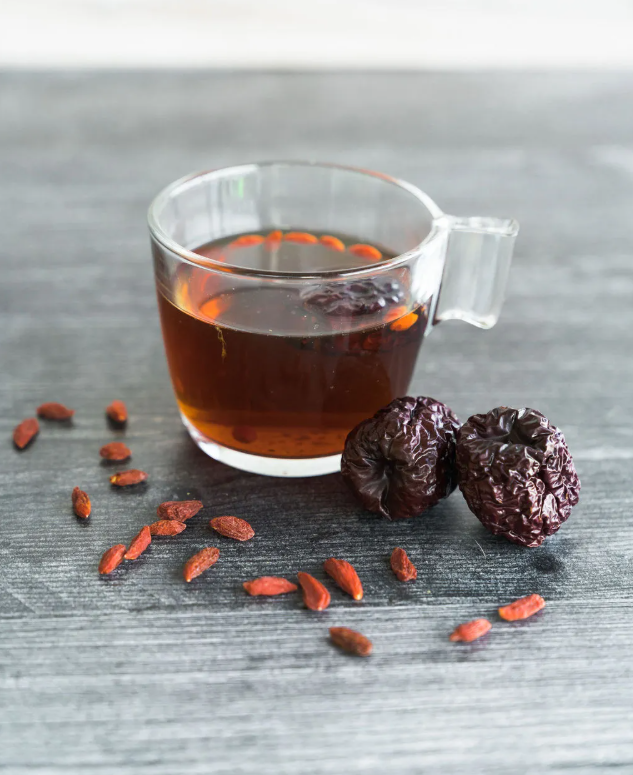
  • Congee with goji berries, red dates, and ginger to replenish Blood and warm the body.

  • Steamed or stir-fried vegetables such as spinach and Chinese kale for iron and fibre.

  • Black sesame, walnuts, and lotus seeds to nourish Kidney essence.

Research in Nutrition & Health (2020) confirmed that protein-rich, iron-dense diets accelerate postpartum recovery, supporting the same concept long recognised in TCM.

Neglecting proper postpartum recovery can lead to lingering conditions such as menstrual pain, chronic fatigue, thyroid imbalance, or fertility difficulties in subsequent pregnancies. TCM physicians often call this “Postpartum Internal Injury”, where Cold and Blood stasis remain unresolved.

Regular postnatal acupuncture, warm herbal baths, and proper diet for at least 30 to 40 days help seal the body’s energy, ensuring long-term vitality. EMW TCM’s Postpartum Programme integrates these methods with modern clinical monitoring for safe, evidence-based results.

When During the Cycle Should You Do Fertility Acupuncture 9
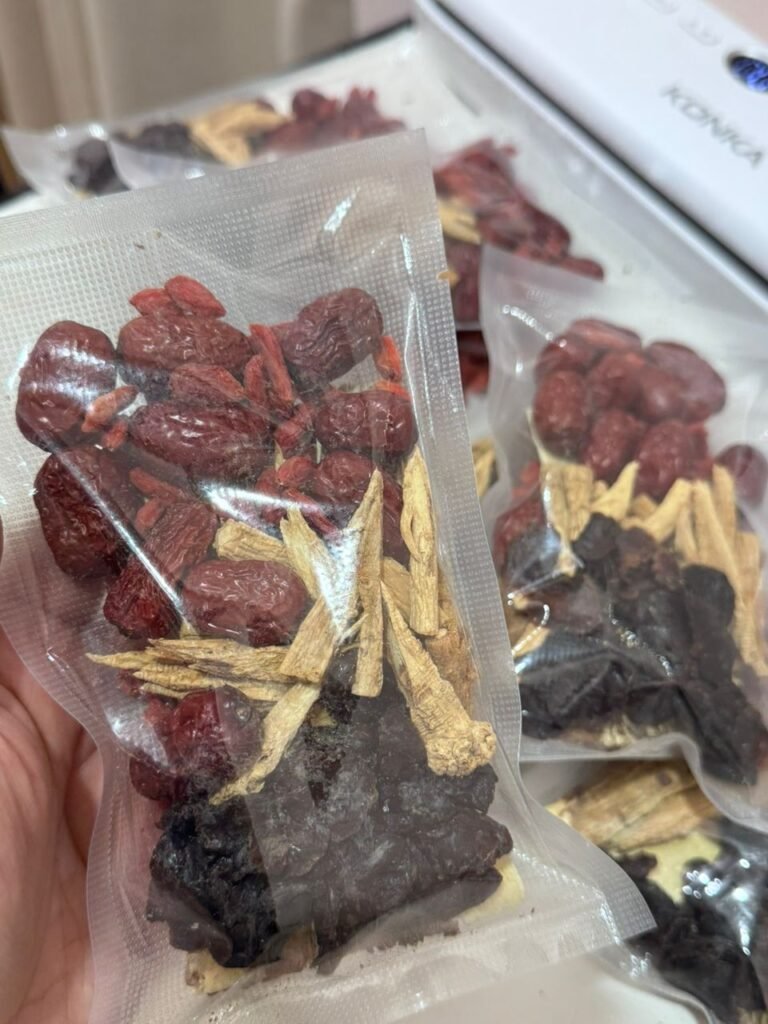
One can easily find 28 days confinement herbal soups off any herbal stores. However, with EMW Personalised Confinement Herbal Package, herbs prescribed is supplementary to the 28 days confinement herbal soups. It is designed to be brewed into a decoction and to be drank separately outside of meals. Therefore, confinement herbal soups are catered more towards general body constitution while our Herbal Package herbs are more catered to individual body types hence being more potent as a result.

Integrating East and West for Modern Mothers

In Singapore, confinement practices now range from traditional home-based care to modern confinement centres. While approaches differ, mothers can still follow key TCM confinement principles: adequate warmth, nutrient-rich meals, emotional rest, and gradual return to activity.

At EMW TCM, our postpartum TCM Singapore consultations bridge tradition with modern practicality. We tailor herbal formulas that are compatible with breastfeeding and provide dietary advice suited for Singapore’s humid climate, where overheating can easily occur if old recipes are followed without modification.

TCM postpartum care complements Western medical check-ups by addressing areas conventional care may overlook: energy, sleep, mood, and long-term resilience. Our approach works alongside gynaecologists and lactation consultants to create an integrated plan for both mother and baby.

We believe healing should be gentle, evidence-based, and personal. Each treatment begins with pulse and tongue diagnosis to identify whether Qi, Blood, Yin, or Yang are out of balance. The plan then combines:

  • Chinese herbs for postpartum recovery

  • Postnatal acupuncture to harmonise hormones

  • TCM lactation support when needed

  • Emotional and dietary coaching

When to Start TCM Confinement Singapore

Ideally, TCM care begins within the first week after delivery, once bleeding stabilises. However, it is never too late to benefit. Many mothers start months later to address fatigue, hair loss, or low mood and still experience significant improvement.

Each session is gentle and supportive, allowing mothers to relax while their bodies rebuild Qi and Blood.

If you are a new mother or planning for postpartum confinement in Singapore, remember that your recovery shapes your long-term wellbeing. Proper care today helps prevent chronic conditions tomorrow.

Let your motherhood journey begin with balance, warmth, and care.
EMW TCM Singapore, blending tradition with science for modern mothers.

TCM Confinement 101

When During the Cycle Should You Do Fertility Acupuncture 13

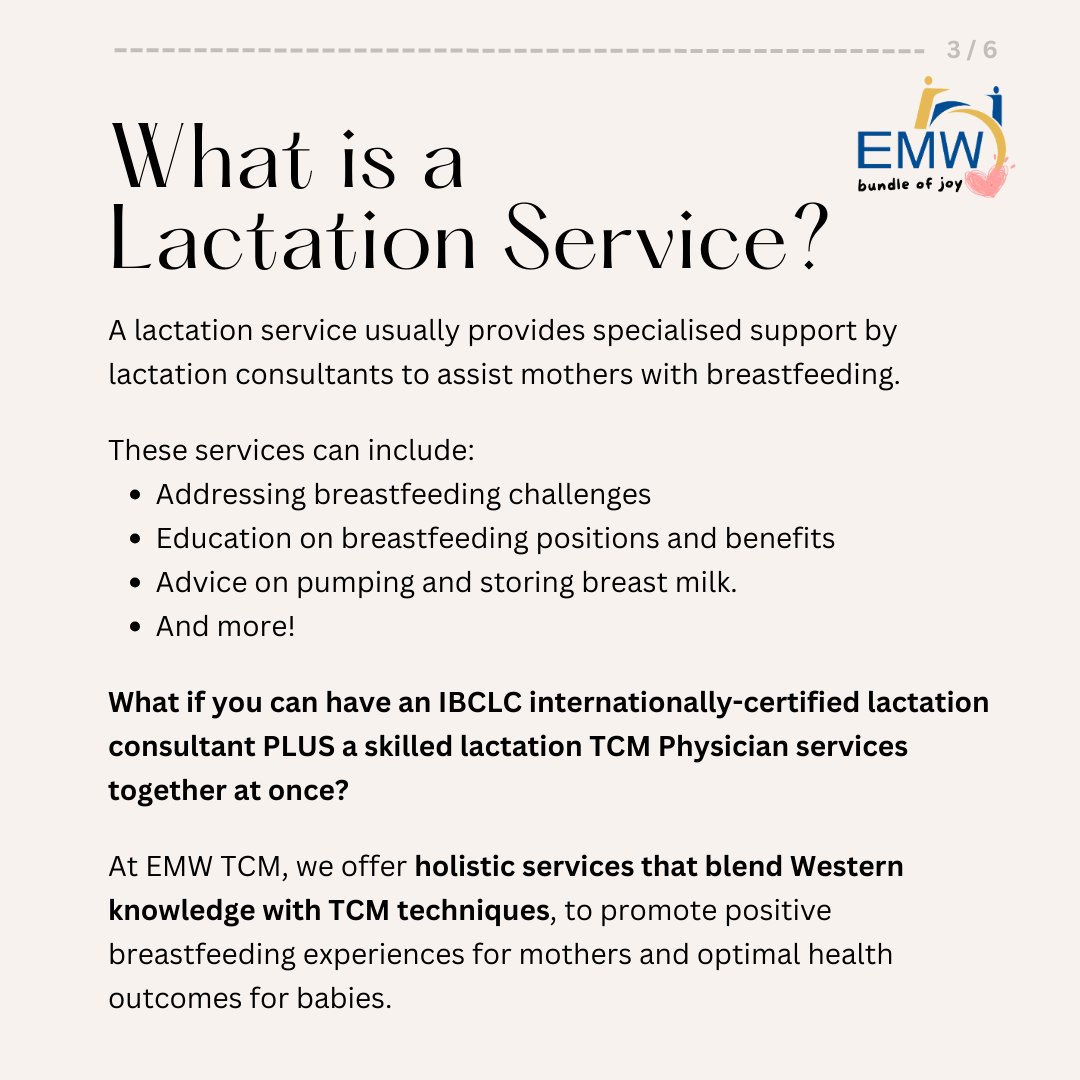
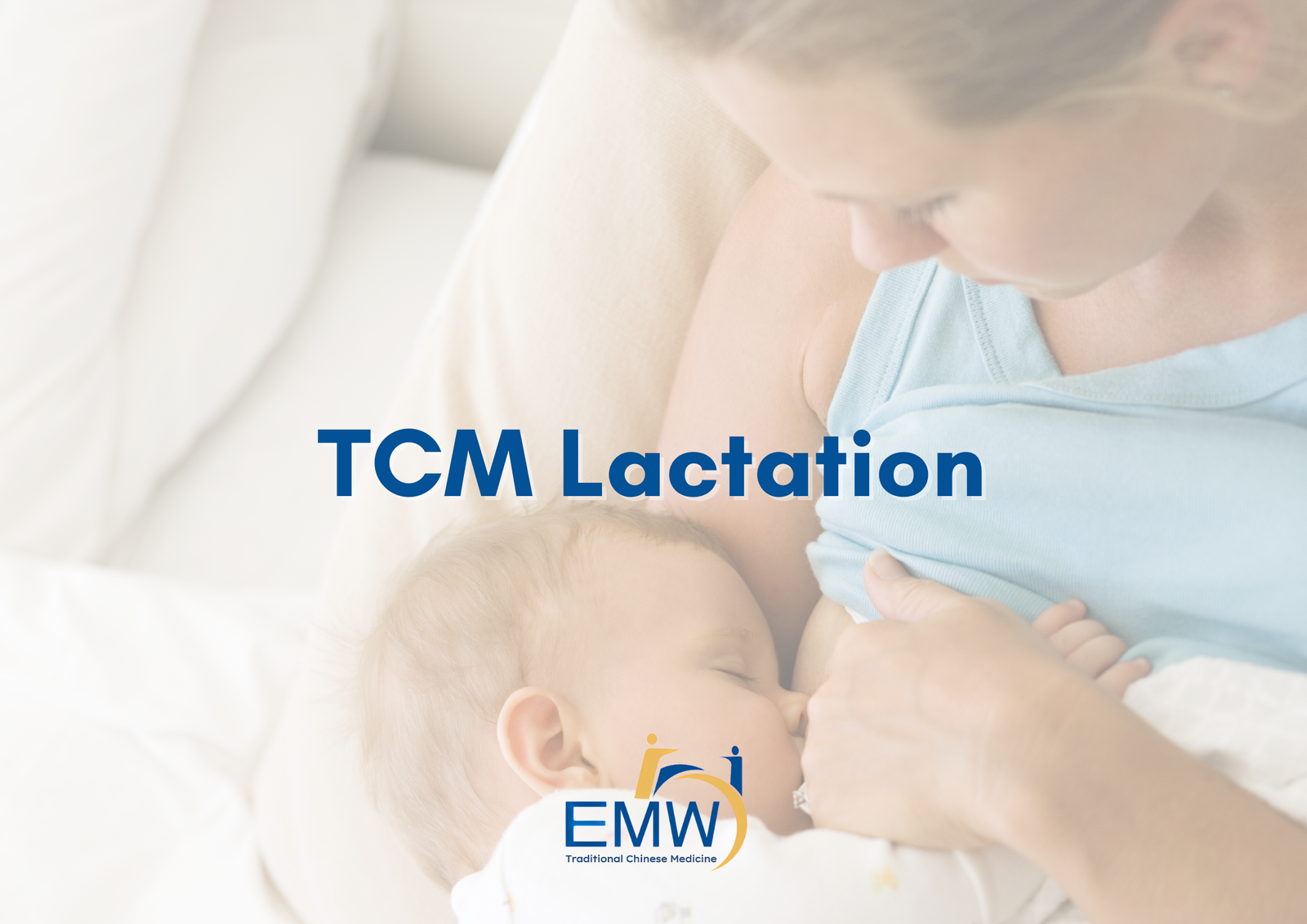
TCM Lactation

We do pre-delivery lactation consultation at week 37-39 which includes a detailed breast examination, 1-to-1 personalised guidance on latching, positioning techniques and discussion of common concerns, and a post-delivery lactation consultation to addresses major lactation concerns like low milk supply, engorgement, poor letdown, nipple pain/bruising with the help of TCM acupressure together with other treatments.
When During the Cycle Should You Do Fertility Acupuncture 9

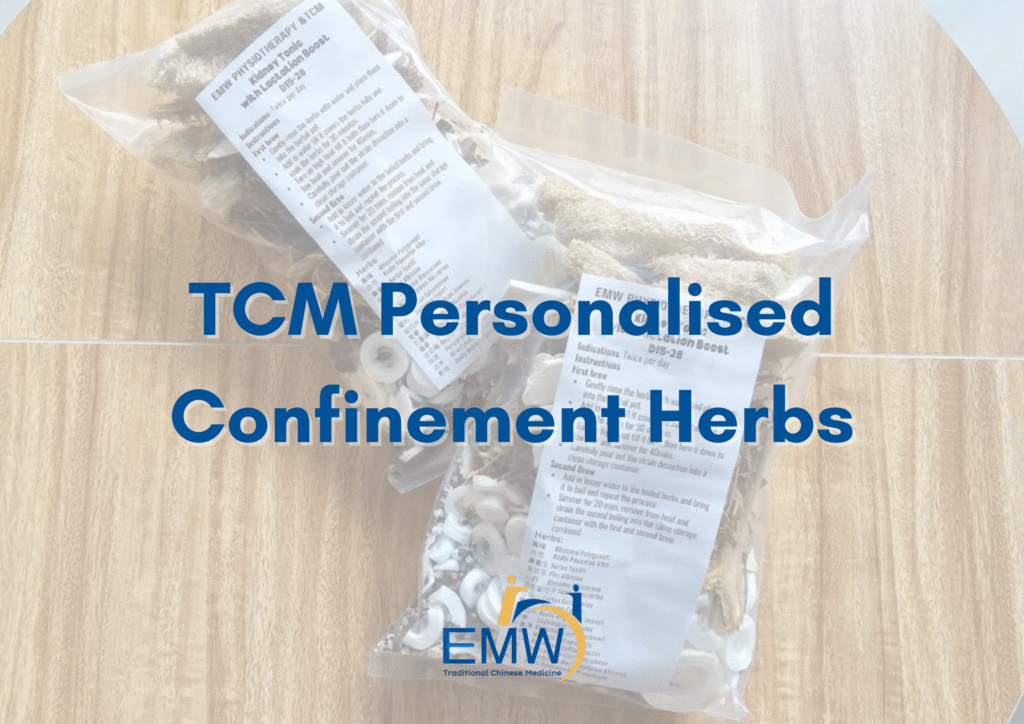
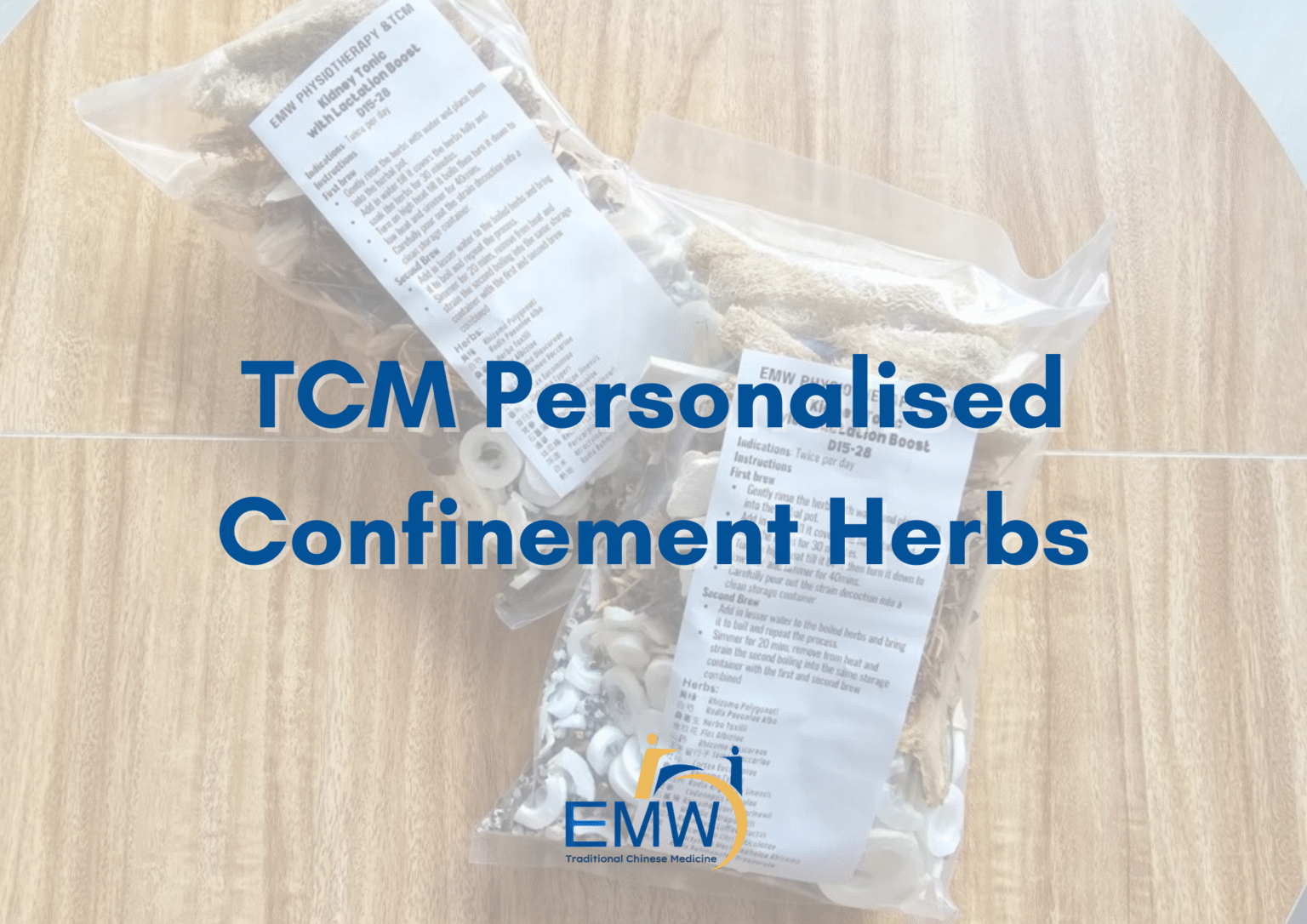
TCM Confinement Herbs

EMW Personalised Confinement Herbal Package is designed to be brewed into a decoction and to be drank separately outside of meals. Therefore, while confinement herbal soups are catered more towards general body constitution while our Herbal Package herbs are more catered to individual body types hence being more potent as a result.
When During the Cycle Should You Do Fertility Acupuncture 7

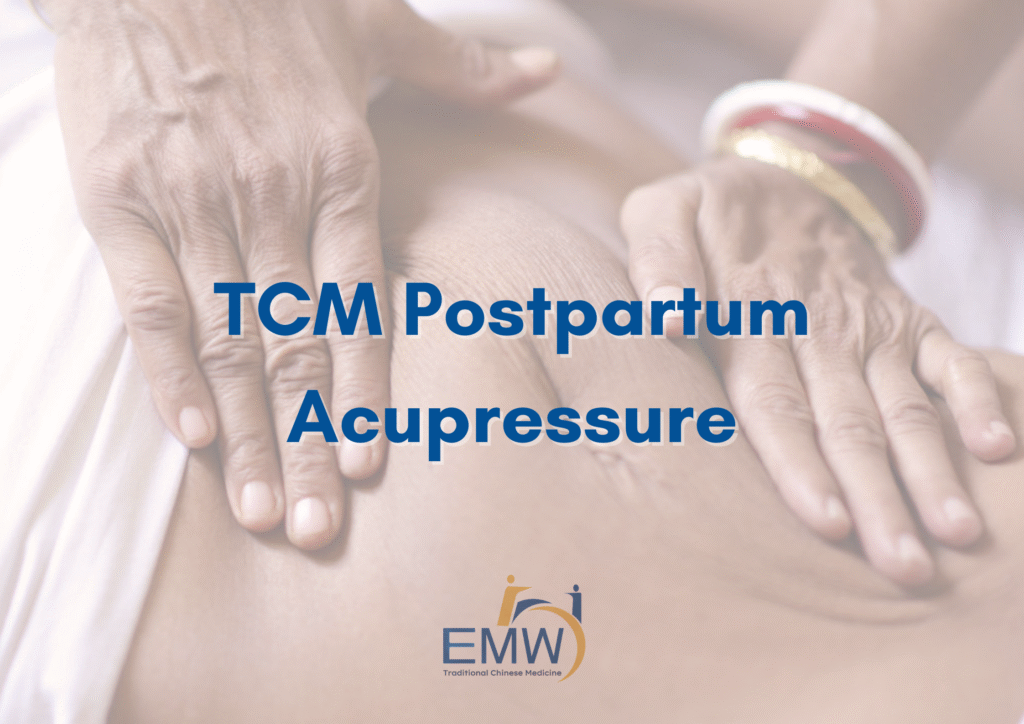
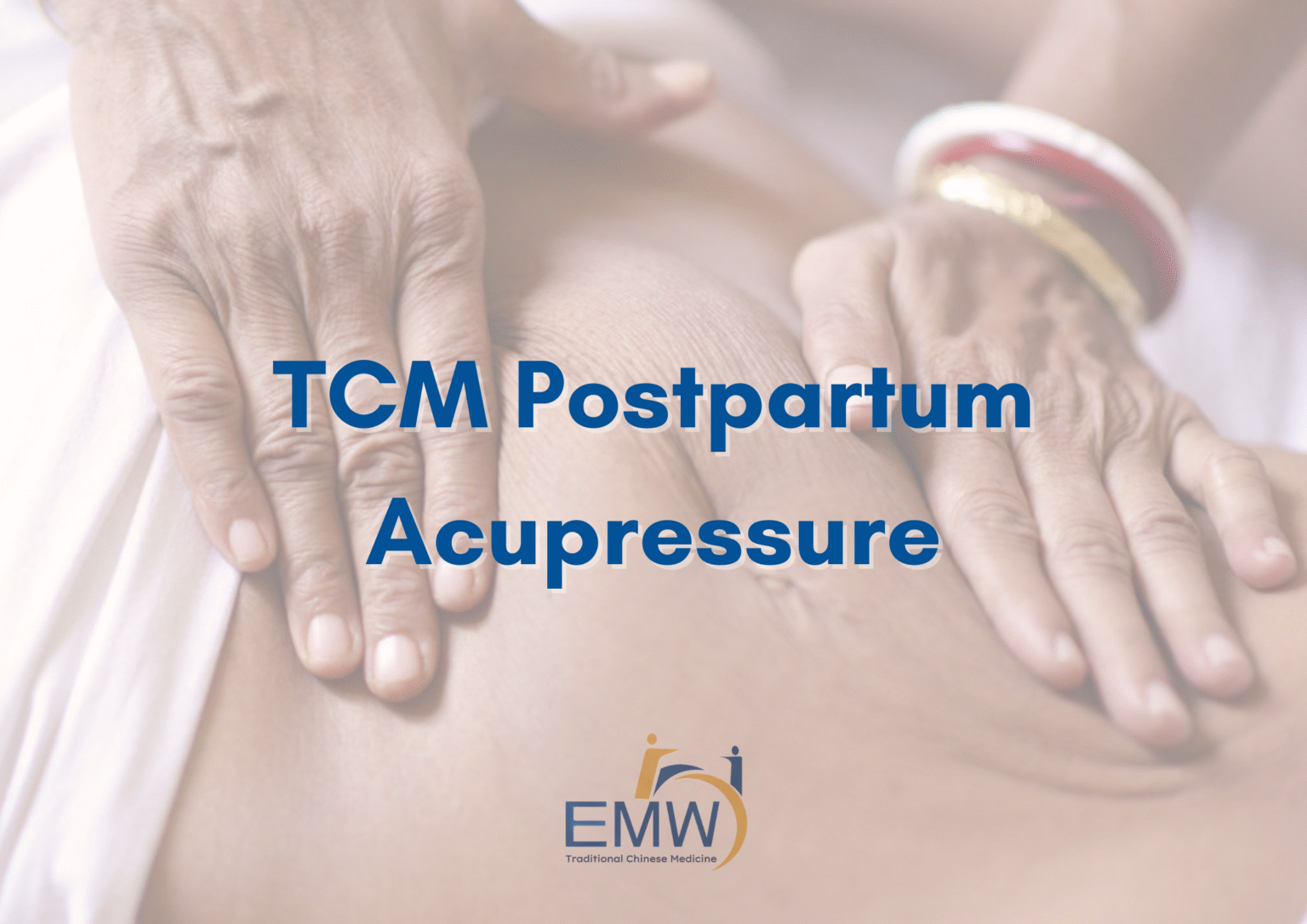
TCM Postartum Acupressure

A 2018 study published in The Journal of Maternal Health found that postpartum massage enhances oxytocin release, which helps with uterine contractions, reduces swelling, and supports emotional well-being. Our specialized EMW TCM postnatal massage Singapore program integrates these evidence-based benefits to ensure a smoother recovery journey for new mothers.
When During the Cycle Should You Do Fertility Acupuncture 8

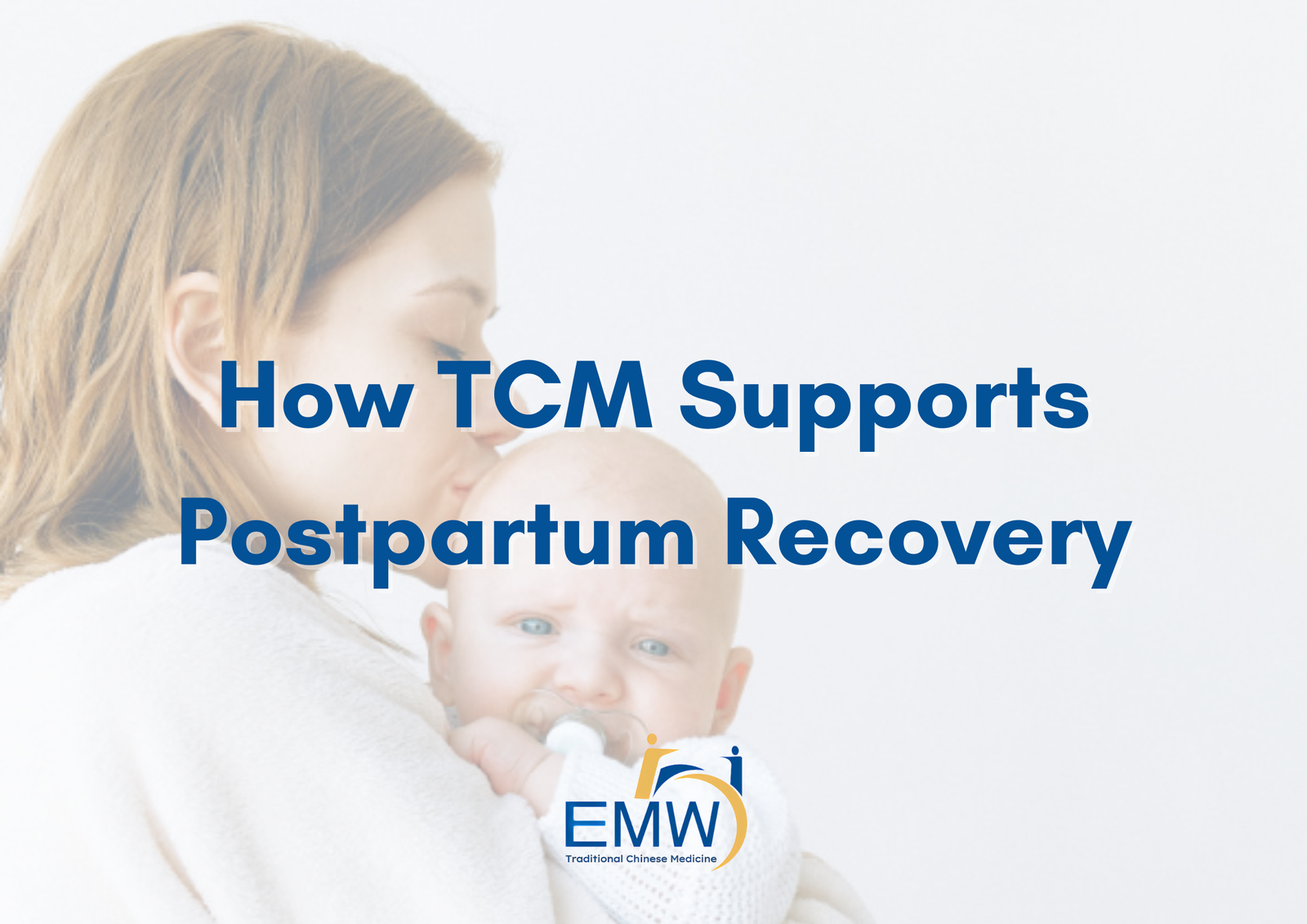
How TCM Supports Postpartum Recovery

At EMW TCM Singapore, we see postpartum care not only as physical healing but also as emotional restoration. Our physicians integrate TCM acupressure, moxibustion acupuncture, and herbal medicine in TCM Confinement Singapore care to help mothers regain balance, replenish energy, and prevent long-term health issues.
EMW TCM Clinics

Scotts Medical Centre Branch

9 Scotts Road #10-04, Scotts Medical Centre @ Pacific Plaza,
Singapore 228210
Book Your Appointment With Us Here: +65 89585869

International Building Branch

360 Orchard Road, International Building #02-05/06
Singapore 238869
Book Your Appointment With Us Here: +65 89585869

Our Physicians

Principal TCM Physician

  • M.Med(TCM Gynaecology)
  • B.Sc(Hons) Biomedical Sciences
  • Dip. Naturopath
  • Ayurvedic Therapist(500hrs)
  • Registered TCM Physician (Singapore MOH)

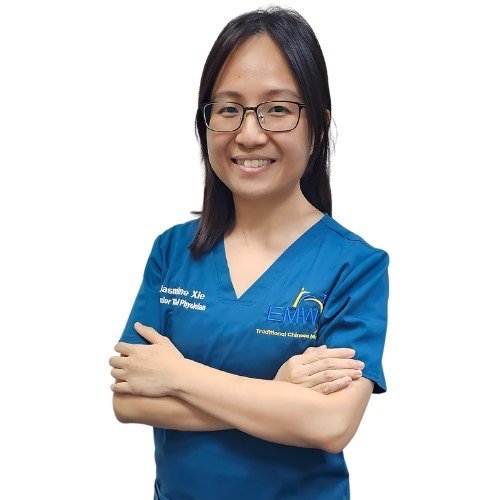
Senior TCM Physician

  • M.Med(TCM Acupuncture & Moxibustion)
  • B.Sc(Hons) Biomedical Sciences
  • Certified Aromatherapist
  • Registered TCM Physician (Singapore MOH)

TCM Physician

  • M.Med(TCM Gynaecology)
  • B.Sc(Hons) Biomedical Sciences
  • Registered TCM Physician (Singapore MOH)

TCM Physician

  • B.Med(TCM)
  • B.Sc(Hons) Biomedical Sciences
  • International Board-Certified Lactation Consultant (IBCLC)
  • Registered TCM Physician (Singapore MOH)

Comments

No comments yet. Why don’t you start the discussion?

Leave a Reply

Your email address will not be published. Required fields are marked *