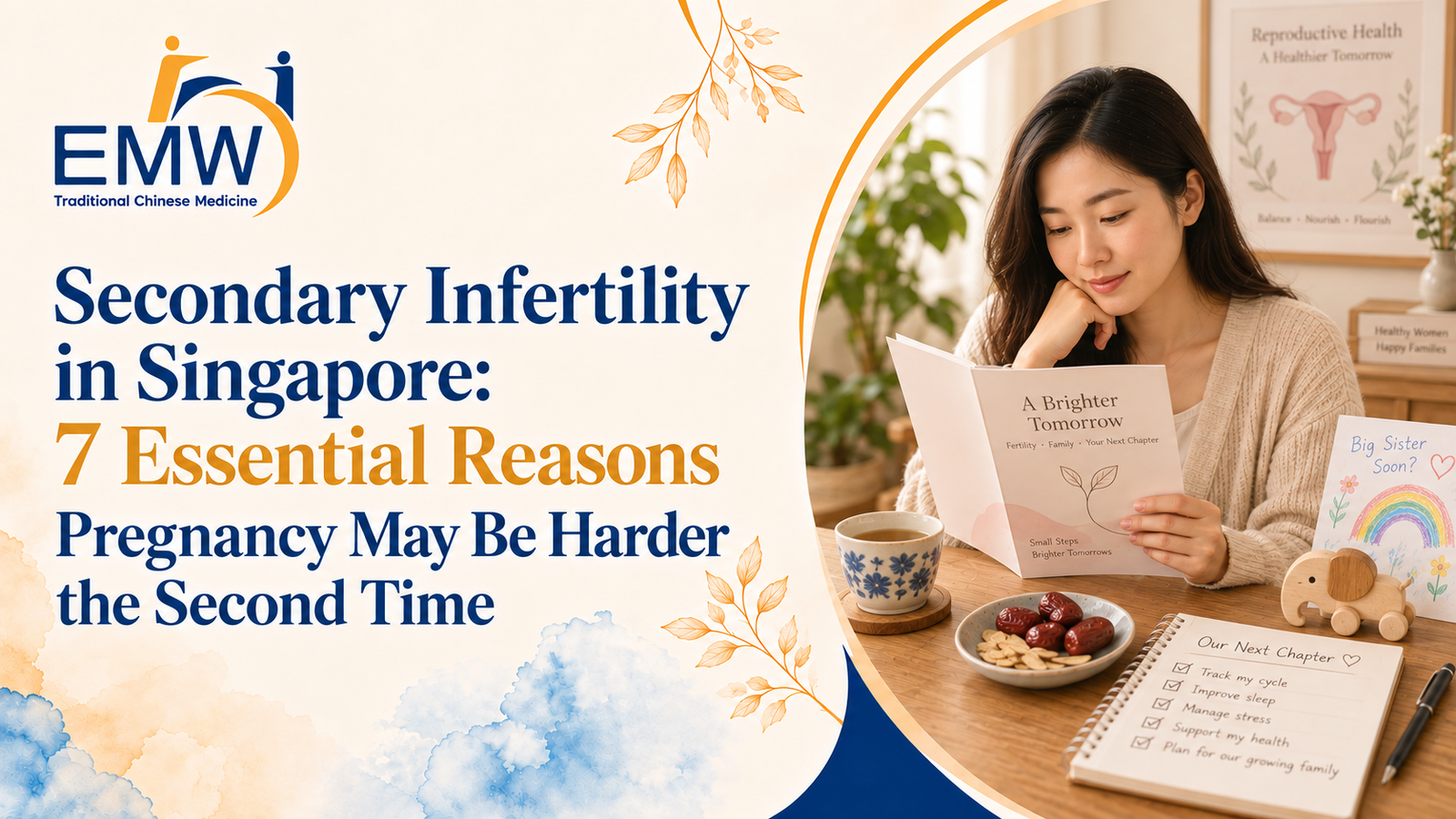
Secondary Infertility in Singapore: 7 Essential Reasons Pregnancy May Be Harder the Second Time

Secondary Infertility in Singapore: 7 Essential Reasons Pregnancy May Be Harder the Second Time

Secondary Infertility in Singapore: 7 Essential Reasons Pregnancy May Be Harder the Second Time​

You conceived before, perhaps without much difficulty. Now months have passed and the second pregnancy simply isn’t happening. Secondary infertility in Singapore can be particularly confusing because a previous conception often creates the expectation that fertility should remain unchanged.

Secondary infertility means difficulty achieving another pregnancy after previously conceiving. The reasons can involve the female partner, male partner or both, and may include increasing age, changes in ovarian reserve, ovulation disorders, endometriosis, fallopian-tube problems, uterine conditions or changes in sperm.

SingHealth describes secondary infertility as difficulty conceiving again after a previous natural conception and notes that it can occur following a live birth, miscarriage, stillbirth or ectopic pregnancy.

TCM natural fertility
TCM for natural conception

Poor Ovarian Response in IVF: 7 Critical Facts to Know Before Your Next Cycle

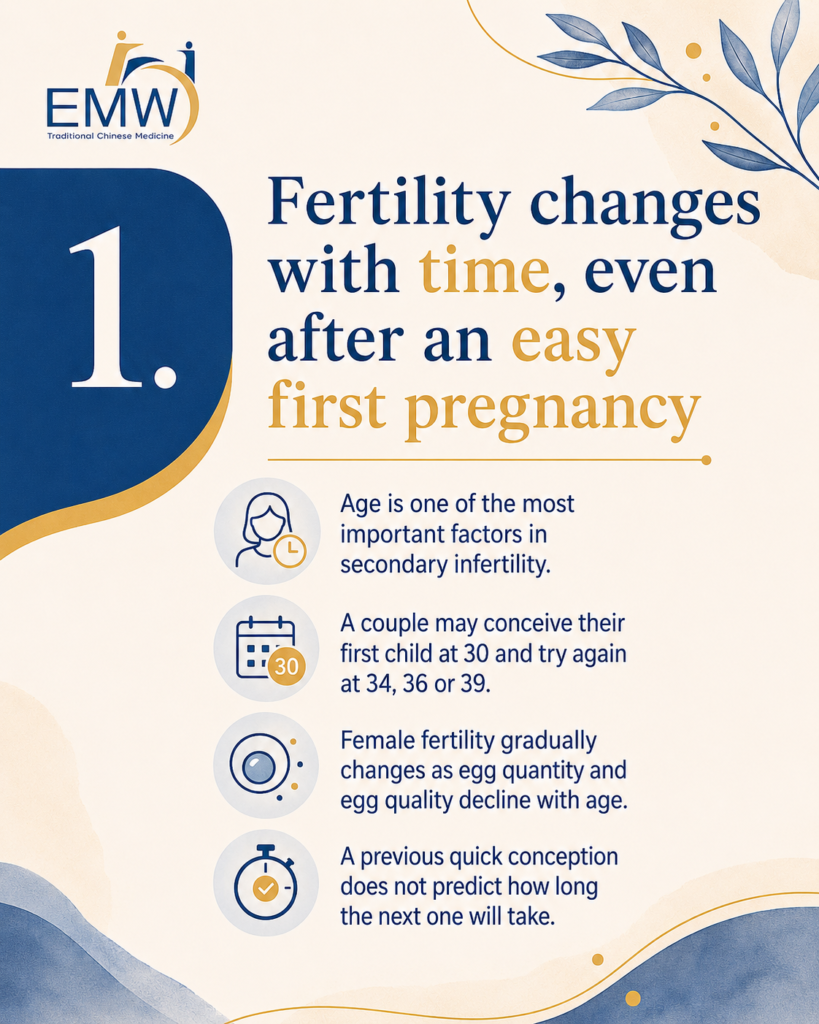
1. Fertility changes with time, even after an easy first pregnancy

One of the most important considerations in secondary infertility in Singapore is age.

A couple who conceived their first child at 30 may be trying for their second at 34, 36 or 39.

Those years matter biologically.

Female fertility gradually decreases as both egg quantity and egg quality decline. SingHealth identifies age as one of the major fertility factors and notes that the number and quality of eggs decrease with age.

This is also why a previous quick conception does not predict how long the next conception will take.

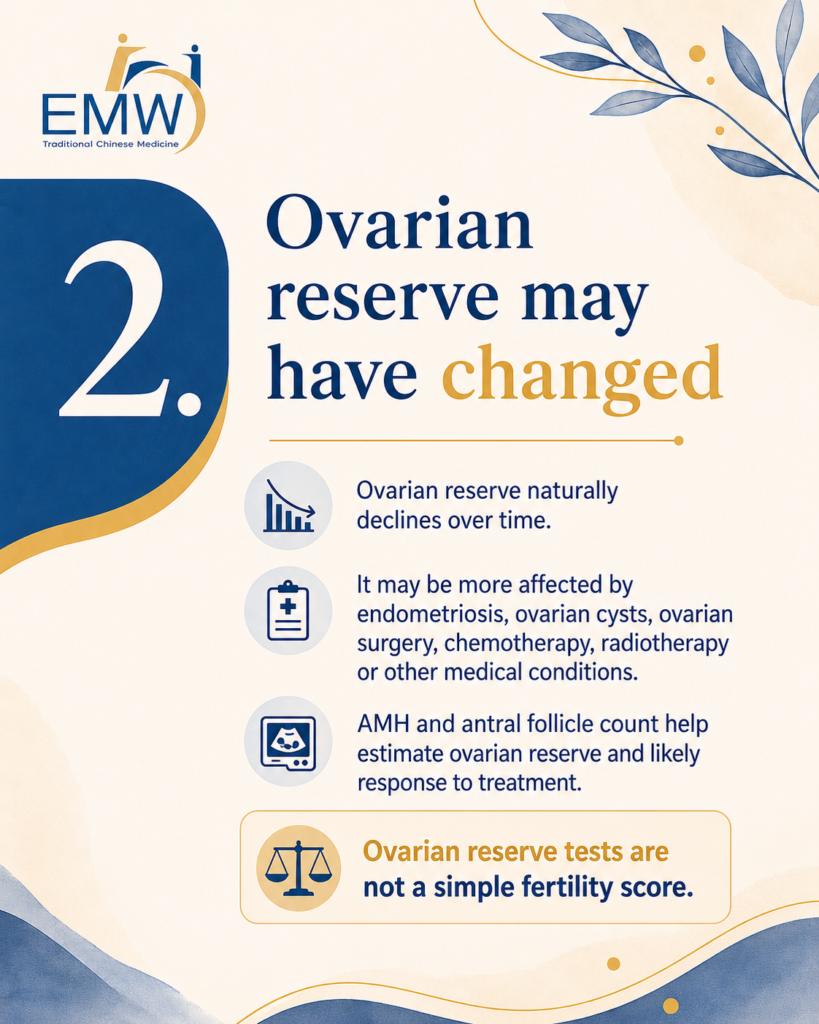
2. Ovarian reserve may have changed

Ovarian reserve naturally declines over time.

For some women the change may be greater because of:

endometriosis, ovarian cysts, surgery involving the ovaries, chemotherapy, radiotherapy or other medical conditions.

AMH and antral follicle count can help fertility specialists estimate ovarian reserve and anticipated response to fertility treatment.

But ovarian reserve tests should not be interpreted as a simple “fertility score”.

ASRM emphasises that ovarian reserve testing complements, rather than replaces, counselling based on age and the overall fertility picture.

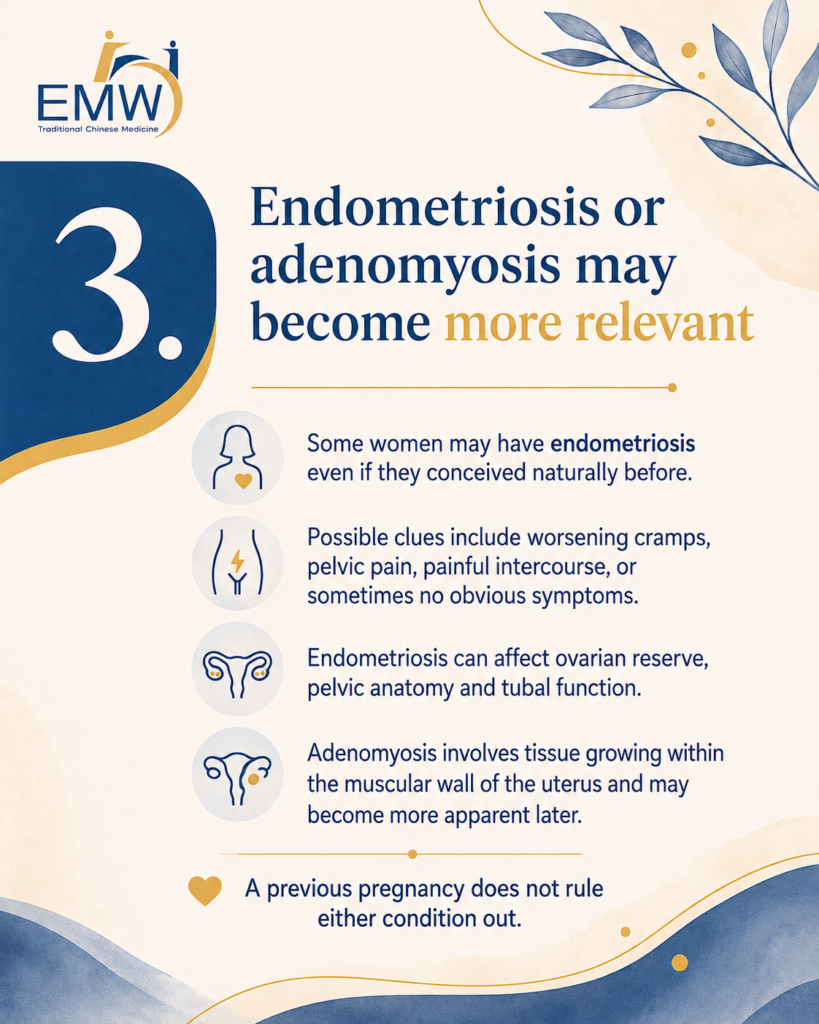
3. Endometriosis or adenomyosis may become more relevant

Some women have endometriosis even though they conceived naturally in the past.

Symptoms may include worsening menstrual cramps, pelvic pain, painful intercourse or sometimes no obvious symptoms at all.

Endometriosis can potentially affect ovarian reserve, pelvic anatomy and tubal function.

Adenomyosis, meanwhile, involves endometrial-like tissue within the muscular wall of the uterus and may become more apparent later in reproductive life.

A previous pregnancy does not rule either condition out.

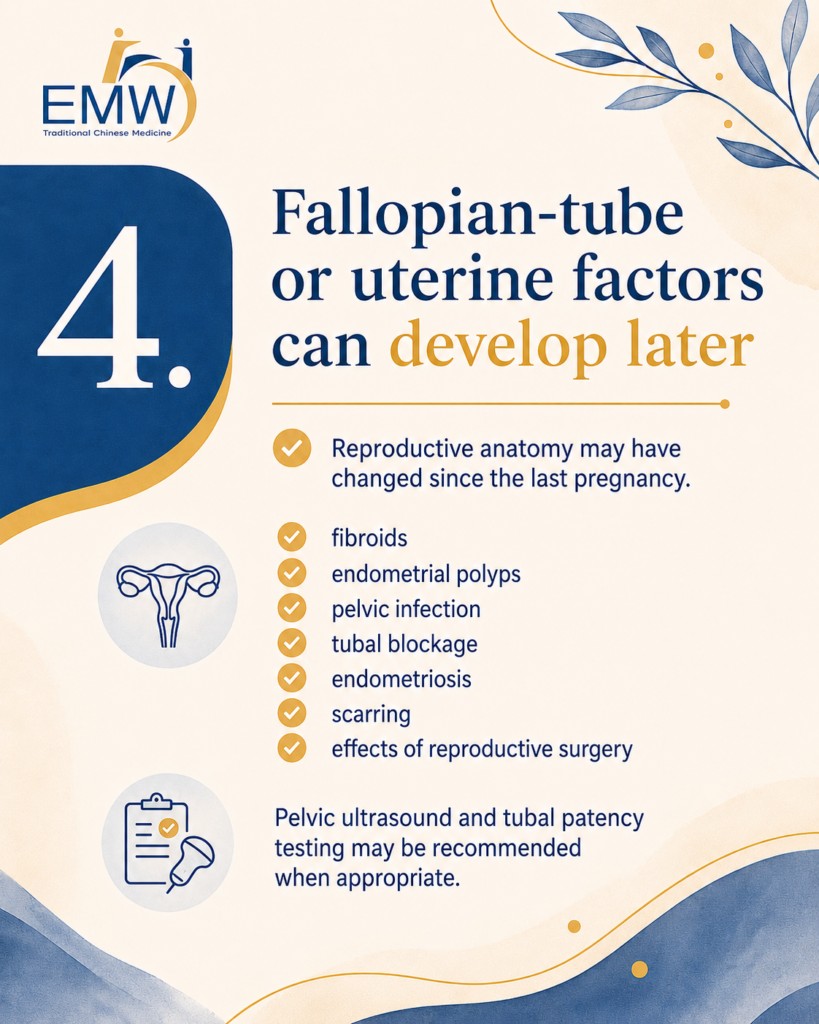
4. Fallopian-tube or uterine factors can develop later

Another consideration in secondary infertility in Singapore is that reproductive anatomy may have changed since the last pregnancy.

Examples include:

fibroids, endometrial polyps, pelvic infection, tubal blockage, endometriosis, scarring or consequences of previous reproductive surgery.

A fertility specialist may recommend pelvic ultrasound and, where clinically appropriate, an assessment of tubal patency.

SingHealth notes that blocked or damaged fallopian tubes, fibroids, polyps and endometriosis can all contribute to infertility.

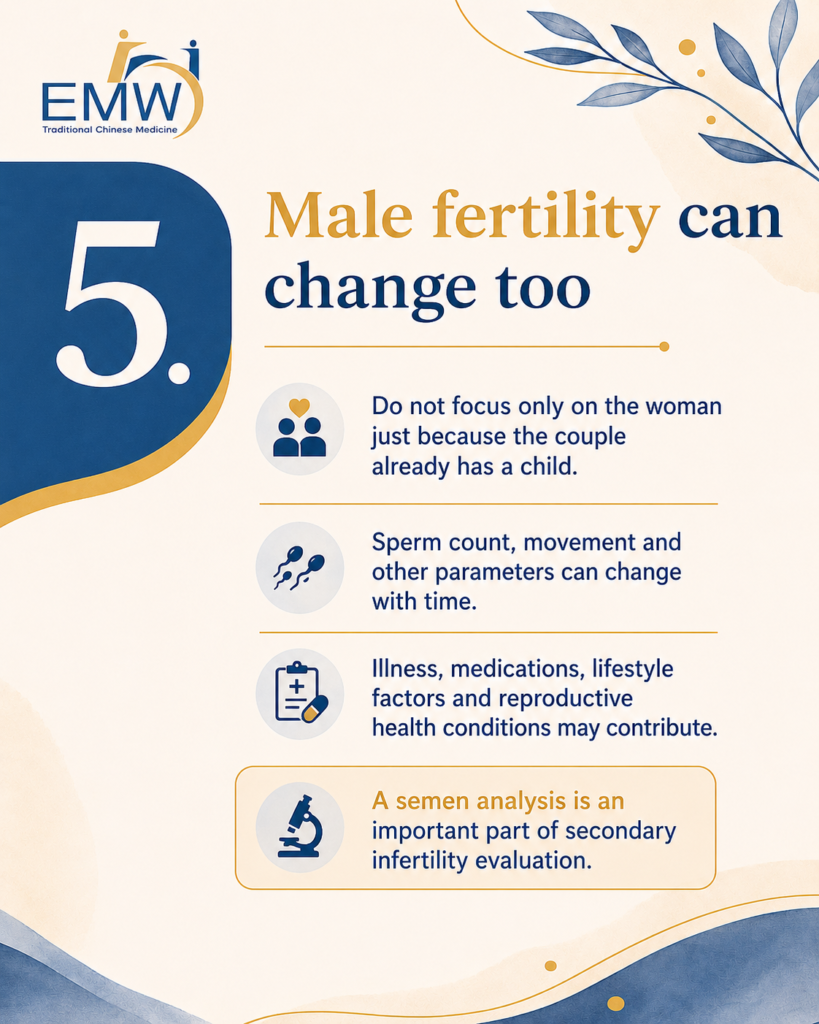
5. Male fertility can change too

It is tempting to focus exclusively on the woman when a couple already has a child.

That can delay the diagnosis.

Sperm count, movement and other parameters can change with time, illness, medications, lifestyle factors and reproductive health conditions.

The AUA/ASRM male infertility guideline recommends evaluating both partners concurrently rather than investigating the woman first and the man only later.

A semen analysis is therefore an important part of secondary infertility evaluation.

6. Your timing may be different after becoming parents

Life with a young child changes things.

Sleep decreases. Work schedules become complicated. Intercourse may become less frequent. Couples may rely heavily on fertility apps without recognising that predicted ovulation dates can vary.

ASRM notes limitations in app-based prediction of the fertile window and recommends obtaining a proper conception and menstrual history during fertility evaluation.

Instead of focusing only on a single predicted ovulation day, regular intercourse throughout the fertile window is generally more practical.
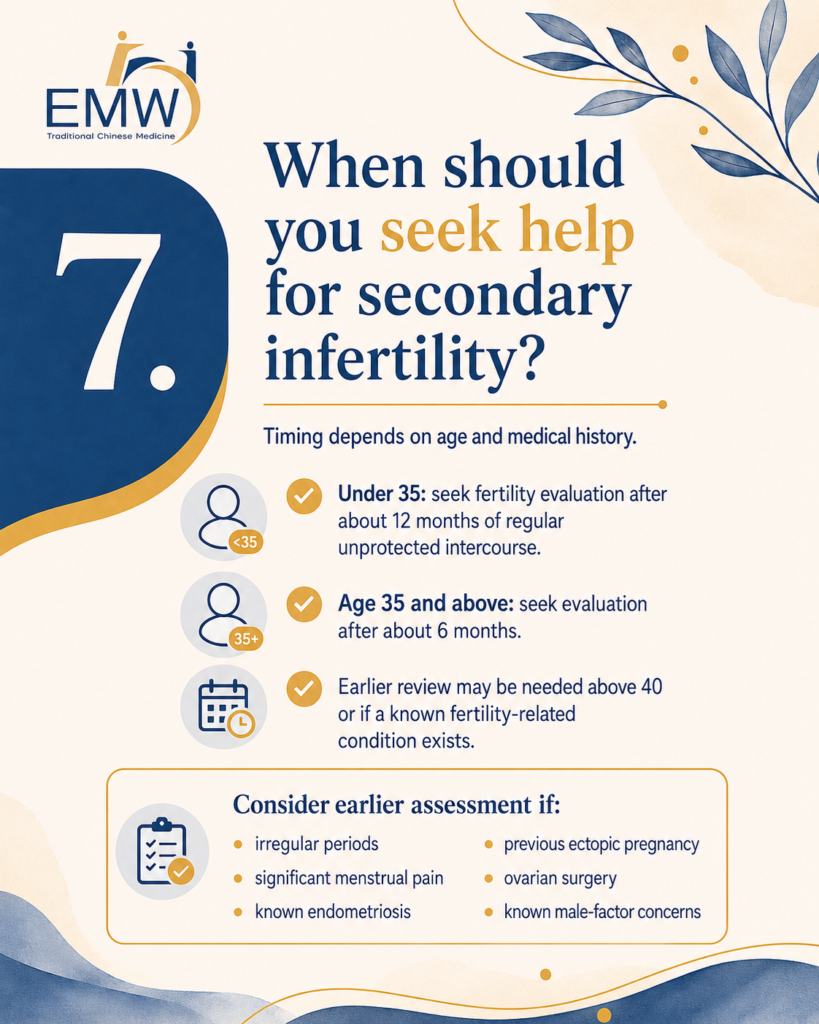
7. When should you seek help for secondary infertility?

For people wondering when secondary infertility in Singapore warrants investigation, the usual timing depends partly on age and medical history.

ASRM recommends initiating fertility evaluation after approximately 12 months of regular unprotected intercourse when the woman is under 35, and after approximately 6 months from age 35 onwards. More immediate assessment may be appropriate above 40 or when a known fertility-related condition exists.

You should also consider earlier assessment when there are irregular periods, significant menstrual pain, known endometriosis, previous ectopic pregnancy, ovarian surgery or known male-factor concerns.

Where can TCM fit?

Some couples experiencing secondary infertility in Singapore choose acupuncture or TCM while undergoing fertility evaluation or trying naturally.

At EMW TCM, the starting point should still be understanding the couple’s medical and fertility history.

TCM care may be used alongside conventional assessment to support general wellbeing, menstrual health and symptoms relevant to the individual TCM presentation.

It should not replace investigation for blocked tubes, significant endometriosis, fibroids, ovarian reserve problems or male-factor infertility.

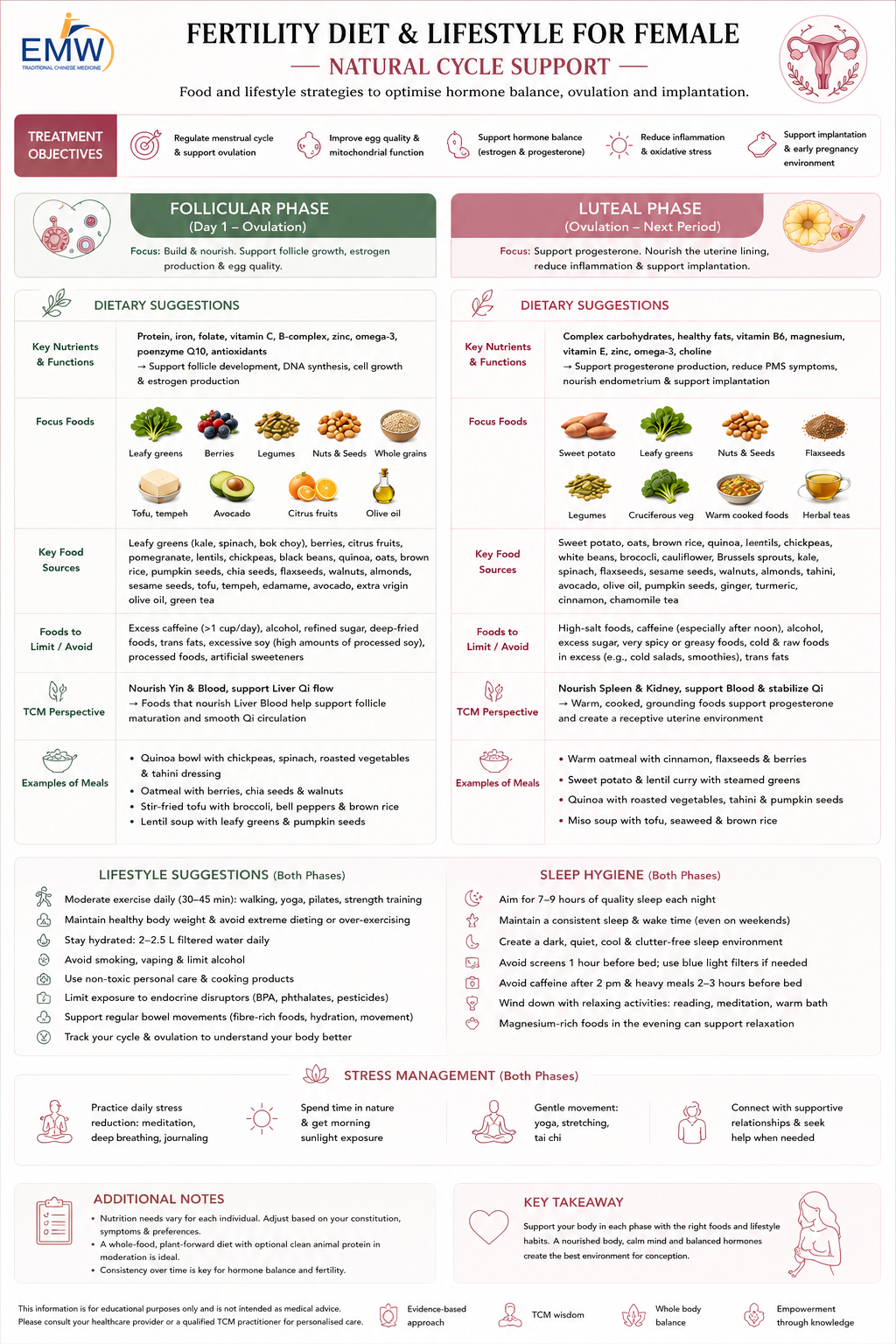
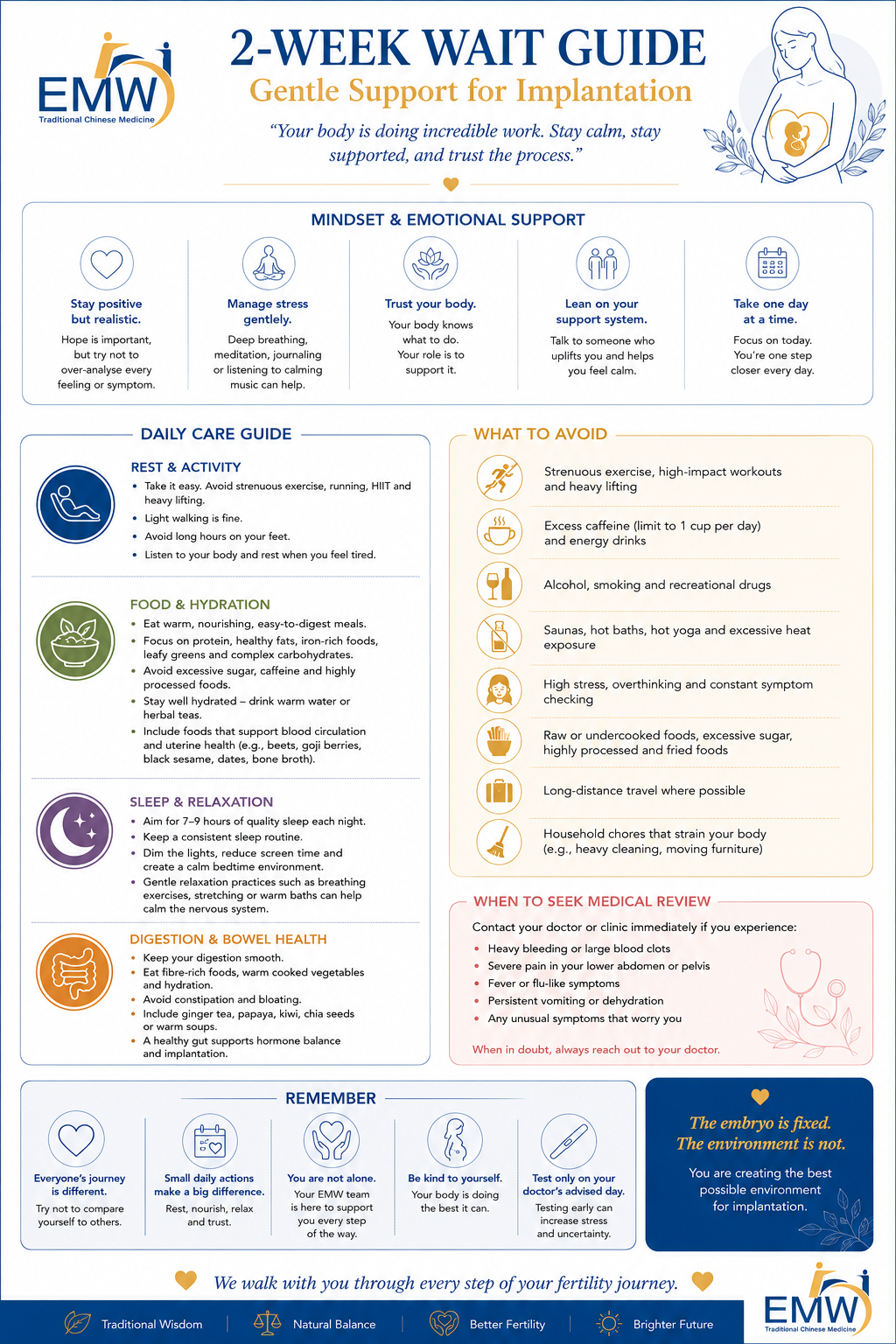
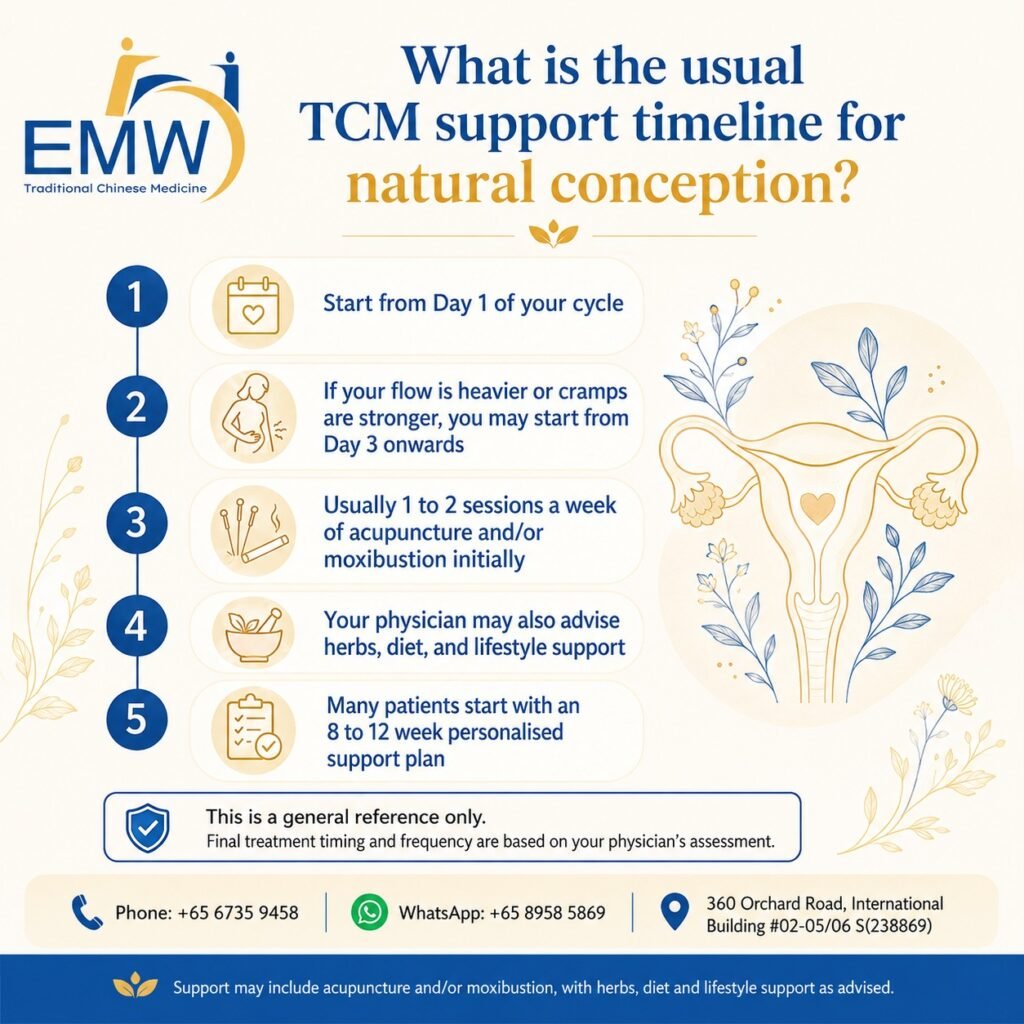
Natural Conception TCM Master Guide

Press the image to zoom in. If you like such infographics, we have a ‘3 ways to superboost your fertility’ PDF guide – Actionable steps that can help to support your reproductive health right away. You can sign up for free here:  https://emwtcm.podia.com/3-ways-to-boost-your-fertility

Frequently Asked Questions

If I conceived easily before, can I still have infertility now?

Yes. Secondary infertility occurs despite a previous pregnancy.

Is secondary infertility only a female problem?

No. It may involve female factors, male factors, both partners or sometimes no clearly identifiable cause.

Does having a miscarriage count as a previous pregnancy?

Yes. The concept of secondary infertility is not limited to people who previously had a live birth.

Is secondary infertility common?

It is a recognised fertility problem and is routinely evaluated by fertility specialists.

Key takeaway

Experiencing secondary infertility in Singapore doesn’t mean your first pregnancy was a fluke, nor does it automatically mean that you now require IVF.

It does mean that your current fertility should be assessed as it is today rather than assumed to be unchanged from several years ago.

How EMW TCM Help Your Fertility

From a biomedical perspective, acupuncture for fertility improves ovarian and uterine blood flow, regulates the hypothalamic-pituitary-ovarian axis, lowers cortisol, reduces inflammation, and supports hormonal balance. These effects complement TCM principles and help enhance egg development, implantation, and reproductive function.

1. Comprehensive Assessment

Your first consultation includes:

  • Cycle assessment

  • Digestion and hormonal review

  • Energy and stress evaluation

  • Sleep and lifestyle factors

  • Male fertility screening when relevant

2. Evidence-Based TCM Diagnosis

  • Qi stagnation

  • Blood deficiency

  • Spleen Qi weakness

  • Kidney Yin/Yang imbalance

  • Liver Qi constraint

  • Dampness and inflammation

3. Personalised Fertility Treatment Plan

  • Weekly fertility acupuncture

  • Customised herbal formulas

  • Moxibustion

  • Dietary therapy

  • Stress reduction strategies

  • Lifestyle recommendations

TCM Acupuncture for Fertility Treatments

Acupuncture, one of the most researched TCM fertility tools, has been found to influence several physiological pathways related to reproduction.

A review published in Fertility and Sterility (2019) reported that acupuncture may improve blood flow to the uterus and ovaries, modulate stress hormones, and enhance endometrial receptivity. Another meta-analysis in Integrative Medicine Research (2021) concluded that acupuncture used alongside conventional fertility treatment can improve pregnancy outcomes and reduce anxiety levels in women undergoing IVF.

From a clinical standpoint, acupuncture helps regulate the hypothalamic-pituitary-ovarian axis, improving hormone balance and menstrual regularity. It can also reduce cortisol levels, encouraging the parasympathetic or “rest-and-rebuild” state which supports implantation and early pregnancy.

Our Flagship Ebook & Video Course

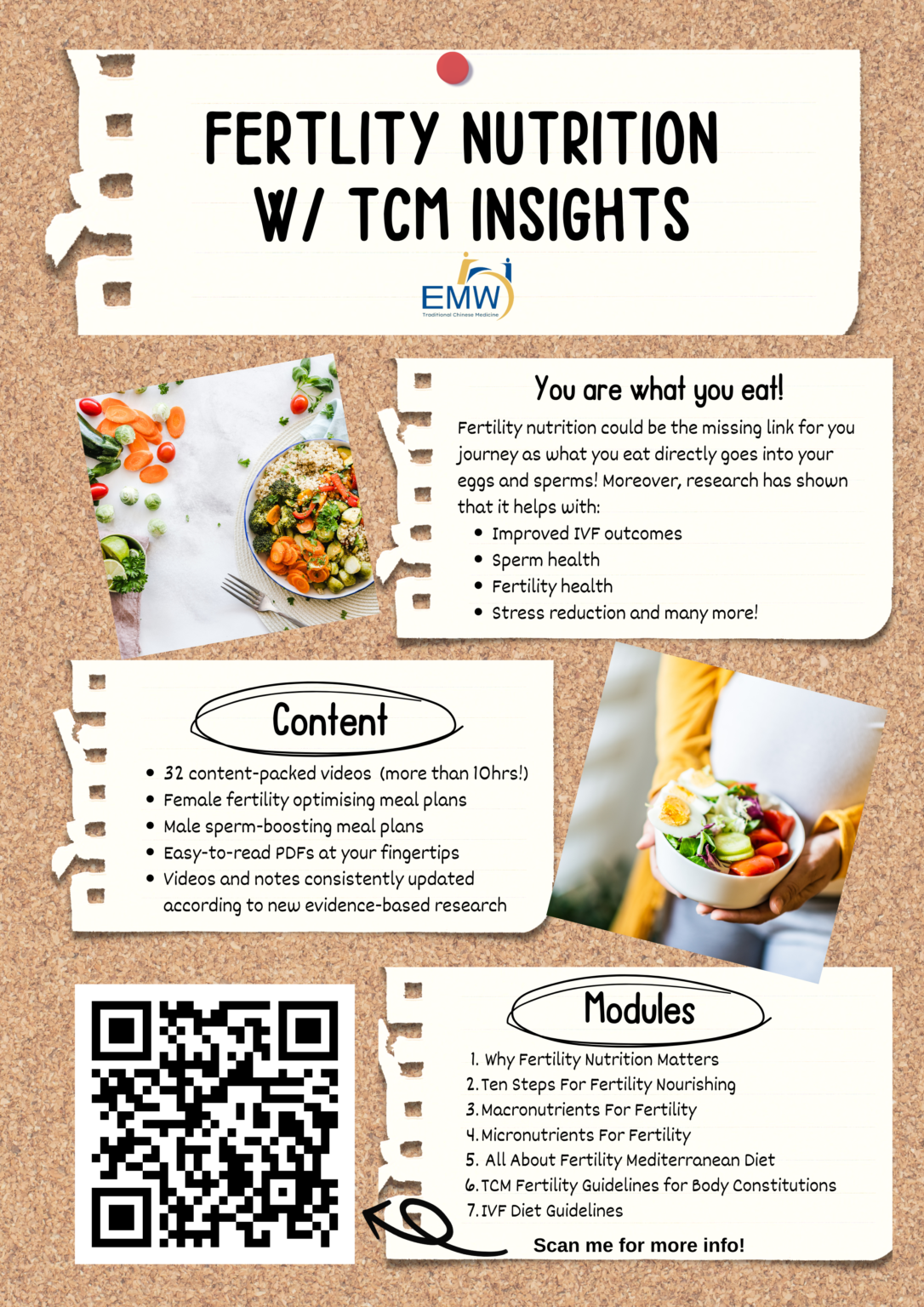
Fertility Guide 1
This comprehensive eBook gives you the clarity, confidence, and gentle structure you need to stop second-guessing and finally move forward. Instead of wasting precious months on trial and error, you will learn how to create the best internal environment for conception, naturally or alongside treatments like IUI and IVF.
newsletter subscribe
You understand the significance of nutrition and lifestyle, showcasing a conscientious approach. (You’re definitely on the right track!) Embarking on the Fertility Nutrition With TCM Insights course opens up a world of simple yet transformative actions that can reshape your journey, starting from the moment you decide to join.

When to Seek Professional TCM Fertility Help

Fertility is not just a matter of age or hormones. It is a reflection of the body’s internal harmony. Traditional Chinese Medicine provides an integrative and natural way to restore this balance, supporting both physical and emotional readiness for conception.

At EMW TCM Singapore, our team of experienced physicians brings together centuries-old wisdom and modern evidence to guide your fertility journey. Whether you are trying naturally or preparing for IVF, we are here to help you create the best internal environment for new life to begin.

If you have been trying to conceive for more than six to twelve months, experience irregular menses, painful periods, or have been diagnosed with PCOS, endometriosis, or low sperm count, consider a consultation. Professional TCM fertility care aims to correct the underlying imbalance rather than simply forcing ovulation or hormone production.

Check out our links below to book your fertility consultation and begin your holistic journey toward conception.

EMW TCM Clinics

International Building Branch

360 Orchard Road, International Building #02-05/06
Singapore 238869
Book Your Appointment With Us Here: +65 89585869

Our Physicians

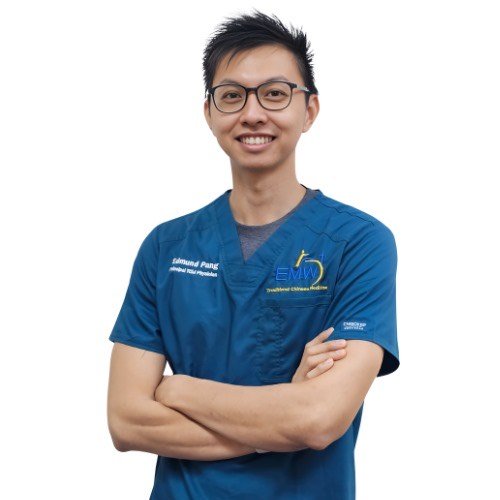
Principal TCM Physician

  • M.Med(TCM Gynaecology)
  • B.Sc(Hons) Biomedical Sciences
  • Dip. Naturopath
  • Ayurvedic Therapist(500hrs)
  • Registered TCM Physician (Singapore MOH)

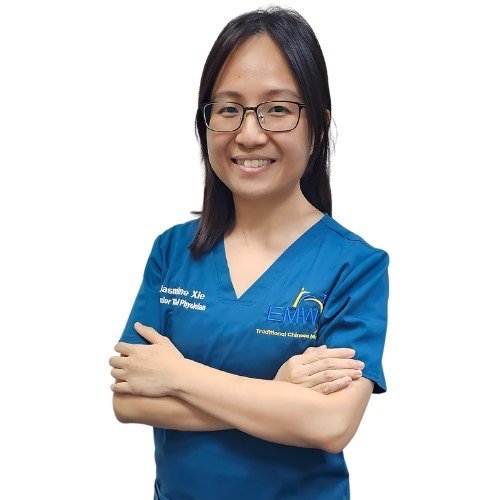
Senior TCM Physician

  • M.Med(TCM Acupuncture & Moxibustion)
  • B.Sc(Hons) Biomedical Sciences
  • Certified Aromatherapist
  • Registered TCM Physician (Singapore MOH)

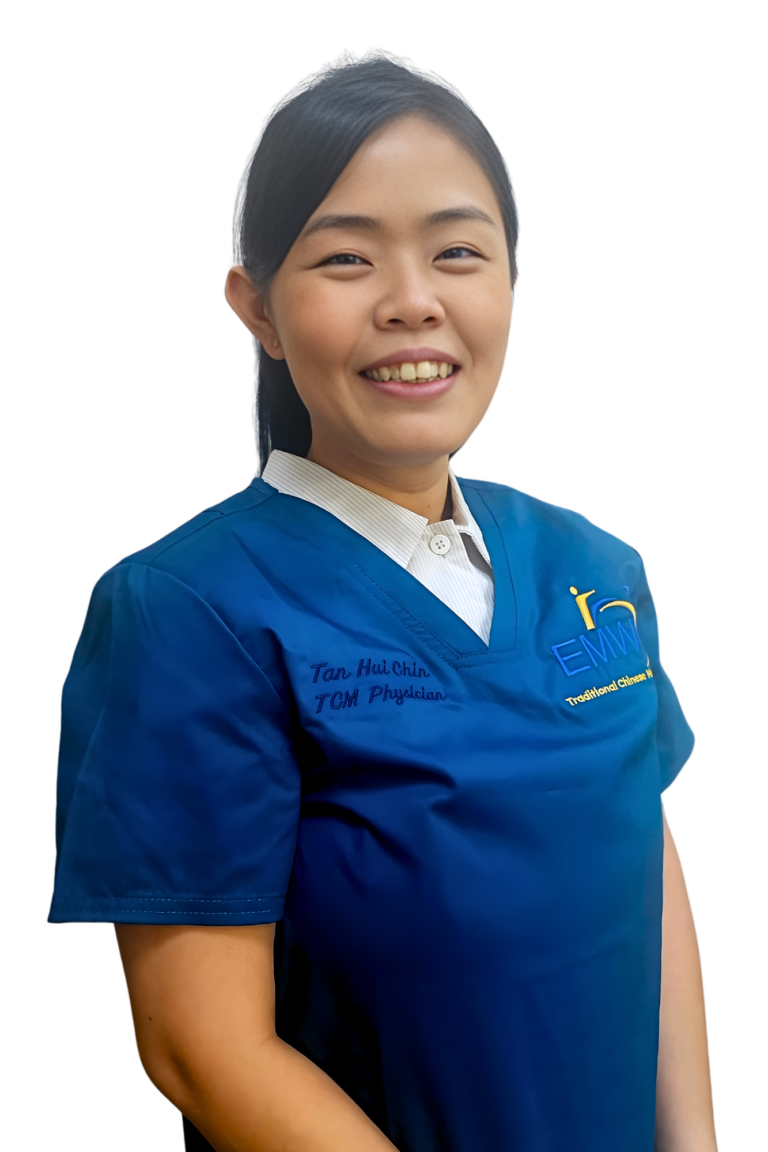
TCM Physician

  • M.Med(TCM Gynaecology)
  • B.Sc(Hons) Biomedical Sciences
  • Registered TCM Physician (Singapore MOH)

TCM Physician

  • M.Med(TCM Acupuncture & Moxibustion)
  • B.Sc(Hons) Biomedical Sciences
  • Registered TCM Physician (Singapore MOH)

TCM Physician

  • B.Med(TCM)
  • B.Sc(Hons) Biomedical Sciences
  • International Board-Certified Lactation Consultant (IBCLC)
  • Registered TCM Physician (Singapore MOH)

References

  1. Chao JC et al. Antioxidant effects of Lycium barbarum polysaccharides. J Sci Food Agric. 2006. DOI: 10.1002/jsfa.2362
  2. Stener-Victorin E et al. Reduction of uterine artery blood flow impedance. Hum Reprod. 1996. DOI: 10.1093/oxfordjournals.humrep.a019187
  3. May-Panloup P et al. Mitochondrial biogenesis and oocyte quality. Hum Reprod Update. 2016. DOI: 10.1093/humupd/dmw006
  4. Stener-Victorin E & Wu X. Acupuncture effects on the reproductive system. Auton Neurosci. 2010. DOI: 10.1016/j.autneu.2009.12.001
  5. Tamura H et al. Melatonin and female reproduction. J Obstet Gynaecol Res. 2014. DOI: 10.1111/jog.12317

Comments

No comments yet. Why don’t you start the discussion?

Leave a Reply

Your email address will not be published. Required fields are marked *