Paediatric TCM Singapore: Everything Parents Need to Know About Children’s Health With EMW TCM
When a child becomes unwell, parents do not only worry about the symptoms.
They worry about whether the cough sounds too deep.
Whether the phlegm is stuck.
Whether the fever will rise overnight.
Whether another course of medication is needed.
Whether the child is falling sick too often.
Whether poor appetite, constipation, restless sleep and frequent cough are somehow connected.
Children who attend childcare or preschool may seem to move from one infection to the next.
They recover from a runny nose, then develop a wet cough.
The cough improves, but the appetite remains poor.
A week later, the child becomes congested again.
For some families, this cycle continues for months.
This is one reason parents seek paediatric TCM in Singapore.
They are not necessarily trying to reject conventional medicine.
Many are looking for a gentle complementary approach to support recovery, digestion, sleep and resilience between illnesses.
At EMW TCM, paediatric care may include:
- Physician consultation
- Paediatric tuina
- Acupressure
- Herbal plaster therapy
- Dietary guidance
- Chinese herbal medicine where appropriate
- Gentle acupuncture for selected older children
- Parent education and home-care techniques
TCM does not replace a paediatrician, emergency care, antibiotics when medically necessary or treatment for asthma, pneumonia, severe allergy and other significant conditions.
The first priority is always safety.
The Quick Answer
Paediatric TCM uses child-specific methods to support common concerns involving:
- Recurrent cough
- Phlegm
- Runny nose
- Nasal congestion
- Poor appetite
- Bloating
- Constipation
- Loose stools
- Recurrent minor illness
- Restless sleep
- Colic
- Eczema and skin sensitivity
- General recovery after illness
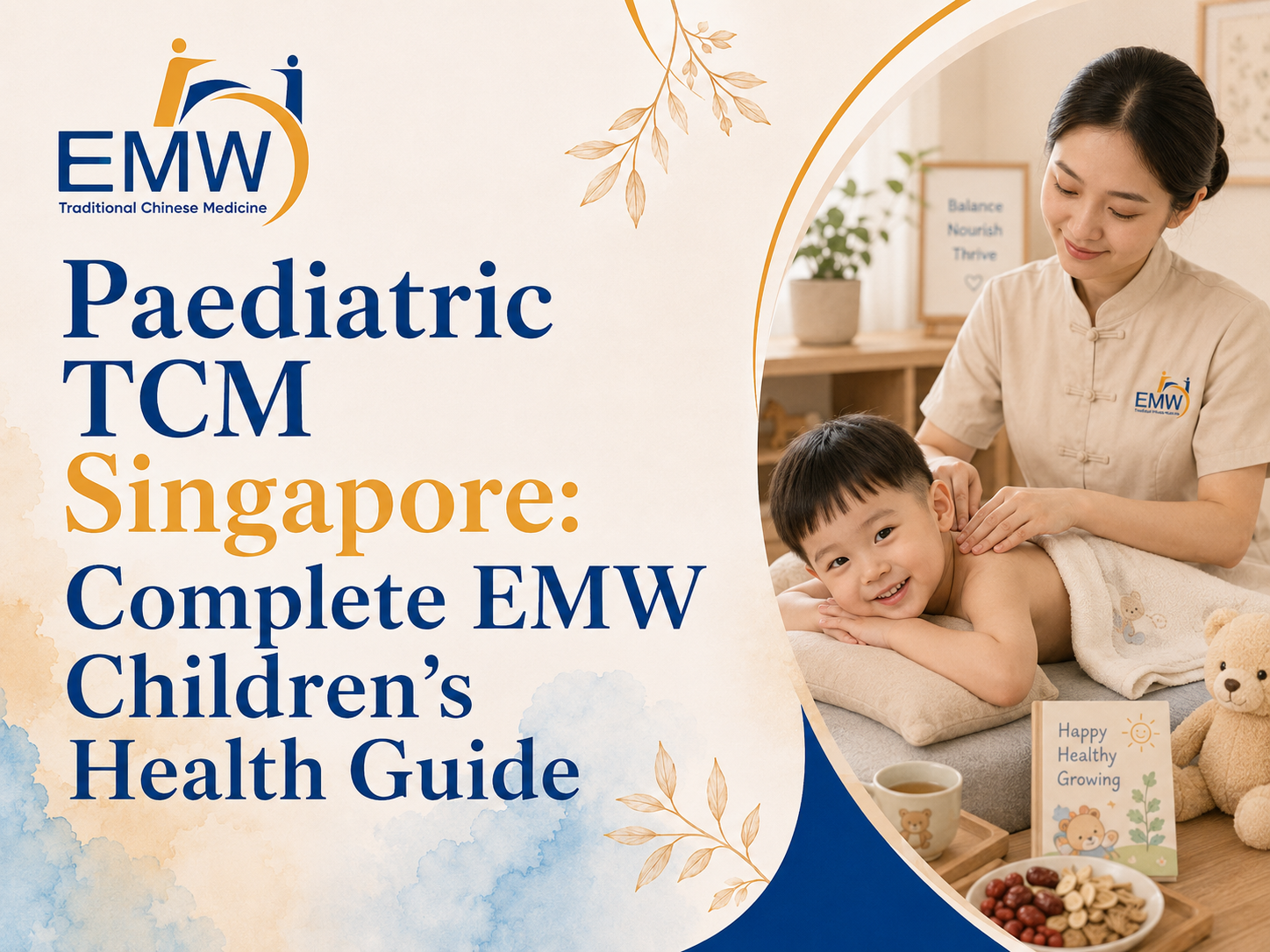
Paediatric tuina is not adult massage performed with lighter pressure.
It is a specialised TCM method using gentle rhythmic rubbing, kneading, pressing and stroking along child-specific points and areas.
EMW describes paediatric tuina as a short, non-invasive therapy generally designed for babies and younger children, with techniques adjusted according to age and condition.
Treatment should always be postponed or redirected when a child has symptoms requiring urgent medical assessment.
For example, Singapore HealthHub advises immediate emergency care when a child with fever is difficult to awaken, confused, very lethargic, struggling to breathe, drinking significantly less or producing much less urine. A temperature of 38°C or above in a baby younger than three months also requires prompt medical assessment.
Why Children Are Treated Differently in TCM
Children are not miniature adults.
Their bodies are still developing, and their symptoms can change quickly.
From a TCM perspective, children are often described as having:
- Delicate internal systems
- Rapid changes in illness
- A tendency towards excess and deficiency
- Immature digestive function
- Easily affected Lung function
- Strong growth potential
This means a child may develop fever, phlegm, digestive upset or restlessness more quickly than an adult.
It also means treatment must be gentle, brief and closely monitored.
At EMW TCM, the physician may assess:
- Age
- Main symptoms
- Duration
- Fever history
- Cough sound
- Presence and colour of phlegm
- Breathing
- Appetite
- Milk intake
- Bowel movements
- Urination
- Sleep
- Sweating
- Energy
- Skin
- Tongue
- Finger-vein appearance in young children where clinically used
- Medical diagnosis and medication
A two-year-old with cough, loose stools and poor appetite should not automatically receive the same treatment as a six-year-old with dry cough, constipation and eczema.
The TCM Relationship Between the Lung and Spleen
In TCM paediatrics, two systems are frequently discussed: the Lung and the Spleen.
These are functional TCM systems and should not be interpreted as proof of anatomical lung or spleen disease.
The Lung system
The Lung system is associated with:
- Breathing
- Cough
- Nose and airway
- Skin
- Defensive Qi
- Response to external environmental changes
When the Lung system is affected, a child may present with cough, nasal congestion, runny nose or sensitivity to changes in weather and air-conditioning.
The Spleen system
The Spleen system is associated with:
- Digestion
- Appetite
- Transformation of food
- Energy production
- Fluid metabolism
- Formation of Qi and Blood
When Spleen function is weak in the TCM sense, parents may notice:
- Poor appetite
- Slow eating
- Bloating
- Loose stools
- Constipation
- Fatigue
- Pale appearance
- Recurrent phlegm
- Puffy features
- Frequent illness
EMW’s existing paediatric guidance explains this traditional connection as: the Spleen may contribute to the formation of Dampness and phlegm, while the Lung is where respiratory symptoms become apparent.
This is why an EMW treatment plan for recurrent wet cough may also include dietary and digestive support rather than focusing only on the chest.
Paediatric Tuina
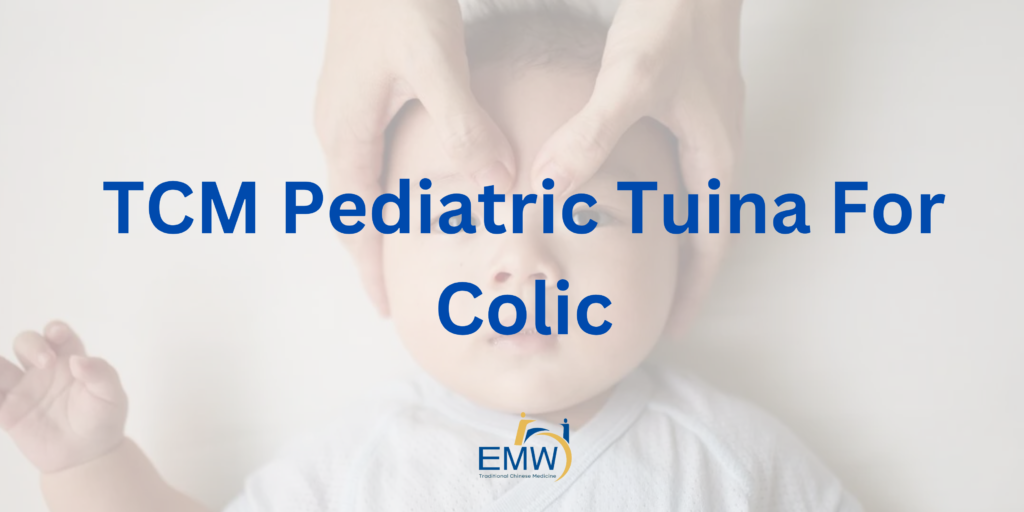
Paediatric tuina is one of the most commonly used TCM methods for babies and young children.
It uses gentle techniques such as:
- Rubbing
- Stroking
- Kneading
- Pressing
- Rolling
- Light tapping
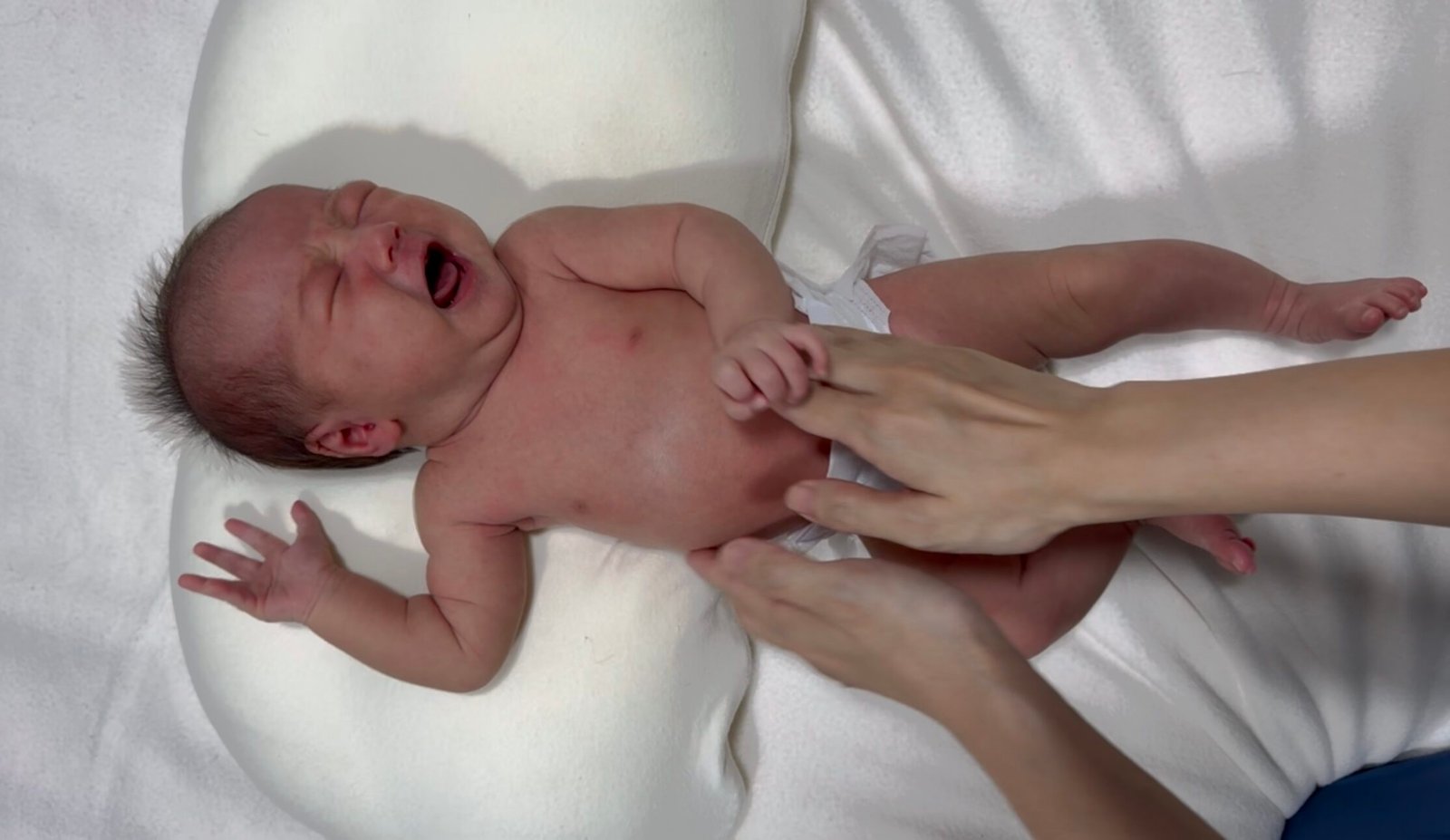
- Abdominal massage
- Back and spinal techniques
Treatment may be performed on:
- Hands
- Arms
- Abdomen
- Back
- Chest
- Legs
- Head and face
The exact areas depend on the child’s age, constitution and symptoms.
EMW’s paediatric tuina sessions are designed to be short and age-appropriate, without forceful manipulation, joint cracking or deep adult-style pressure.
What can paediatric tuina support?
It may be used as complementary care for:
- Cough
- Phlegm
- Nasal congestion
- Poor appetite
- Bloating
- Colic
- Constipation
- Loose stools
- Restless sleep
- Recovery after illness
- General constitutional support
Parents may also be taught simple techniques to perform at home.
Home tuina should be used gently and should not be continued when the child appears distressed, has significant pain or has a condition requiring medical review.
TCM for Frequent Colds and “Low Immunity”
Young children attending childcare commonly experience repeated respiratory infections.
Frequent exposure is part of the reason. It does not automatically mean the child has an immune deficiency.
However, parents may seek help when the child:
- Falls sick very frequently
- Recovers slowly
- Has a cough that never fully clears
- Loses appetite with every illness
- Has persistent nasal congestion
- Is frequently absent from school
- Seems more tired than peers
EMW’s paediatric approach looks at the child’s airway symptoms alongside digestion, sleep, energy and recovery pattern.
Support may include:
- Paediatric tuina
- Dietary adjustments
- Regular sleep
- Gradual return to activity
- Herbal plaster therapy
- Herbal medicine where suitable
- Parent-taught acupressure
- Medical referral when the infection pattern is unusual
No treatment can prevent every cold.
The goal is not to make a child “never fall sick”.
A more realistic goal is to support appetite, sleep, comfort and recovery while ensuring that persistent or severe illness receives medical attention.
Digestion, Appetite and Growth
Poor appetite is another common concern.
Parents may describe a child who:
- Eats very slowly
- Holds food in the mouth
- Refuses meat or vegetables
- Drinks large amounts of milk
- Becomes bloated after meals
- Passes stool every few days
- Has loose stools
- Tires easily
- Falls sick frequently
EMW’s child nutrition programme links appetite, digestion, immunity, sleep and growth rather than treating picky eating as a behavioural issue alone.
Poor appetite
Possible contributors include:
- Excessive milk or snacks
- Constipation
- Recent illness
- Iron deficiency
- Oral-motor difficulty
- Reflux
- Food allergy
- Sensory sensitivity
- Stress
- Normal developmental picky eating
TCM may focus on supporting Spleen and Stomach function, but significant restriction, poor growth or swallowing difficulty requires medical or feeding assessment.
Bloating
Bloating may be associated with:
- Eating too quickly
- Constipation
- Large milk intake
- Carbonated drinks
- High-sugar snacks
- Food intolerance
- Functional digestive symptoms
Constipation
A child may be constipated even if stool is passed regularly when stools are hard, painful or associated with withholding.
Seek medical care when constipation is accompanied by:
- Severe abdominal pain
- Vomiting
- Abdominal swelling
- Blood in stool
- Poor appetite
- Weight loss
- Significant change in activity
- Prolonged absence of bowel movement
EMW’s paediatric digestive guidance emphasises referral when symptoms suggest more than a minor functional problem.
Download Our Cough Relief Pediatric Acupressure Handbook!
Practical Food Guidance for Children
A paediatric TCM diet should still provide the nutrients a growing child needs.
The aim is not to create a long list of forbidden foods.
A useful daily pattern may include:
- Regular meals
- Planned snacks
- Protein
- Vegetables
- Fruit
- Whole grains
- Healthy fats
- Adequate fluids
- Age-appropriate milk intake
During periods of poor digestion or wet cough, some children may tolerate simpler meals such as:
- Porridge
- Rice
- Soup
- Egg
- Fish
- Tofu
- Soft vegetables
- Potato
- Pumpkin
- Warm water
Parents may temporarily reduce:
- Sugary drinks
- Bubble tea
- Fried snacks
- Excessive sweets
- Heavy creamy foods
- Ice cream
- Frequent processed snacks
This is intended to reduce dietary burden, not to place a child on an unnecessarily restrictive diet.
Food should never become a source of punishment or fear.
Herbal Plaster Therapy for Children
A personalised herbal plaster is applied externally rather than swallowed.
The herbal ingredients and placement are selected according to the child’s symptoms and constitution.
It may be used to support concerns involving:
- Cough
- Phlegm
- Nasal symptoms
- Digestion
- Appetite
- General immunity support
External treatment may be easier for children who resist oral herbs.
However, “external” does not mean there is no possibility of skin reaction.
Parents should monitor for:
- Redness
- Itching
- Blistering
- Swelling
- Pain
- Significant irritation
Remove the plaster and contact the clinic if a reaction develops.
Do not apply over broken, infected or severely inflamed skin unless specifically instructed.
Chinese Herbal Medicine for Children
Chinese herbal medicine may be prescribed when the physician considers it appropriate.
The dose and form depend on:
- Age
- Weight
- Symptoms
- Constitution
- Diagnosis
- Medication
- Ability to take herbs
Children should not receive an adult formula in a smaller cup simply because it is already available at home.
Herbs should also not be shared between siblings.
Stop the herbs and seek advice if the child develops:
- Rash
- Facial swelling
- Wheezing
- Repeated vomiting
- Severe diarrhoea
- Unusual drowsiness
- Significant worsening of symptoms
Inform the physician about all medication, supplements and known allergies.
Acupuncture for Children
Many paediatric cases can be managed without needles.
For selected older children, gentle acupuncture may be considered when they are comfortable and able to cooperate.
Treatment may involve:
- Very fine needles
- Fewer points
- Shorter retention
- No forceful stimulation
Acupuncture should never be forced on a frightened child.
Paediatric tuina, acupressure and external therapies may be more suitable alternatives.
What Happens During an EMW Paediatric Visit?
A typical visit may involve:
1. Physician consultation
The physician asks about:
- Main symptoms
- Medical history
- Fever
- Medication
- Appetite
- Diet
- Milk intake
- Bowels
- Sleep
- Energy
- Skin
- Growth
- Childcare exposure
Parents may be asked to provide a recent tongue photo before the visit if useful.
2. TCM assessment
This may include:
- Tongue
- Pulse when appropriate
- Finger-vein assessment in younger children
- Observation of complexion, breathing and behaviour
- TCM constitution
3. Treatment
Depending on the child, treatment may include:
- Paediatric tuina
- Herbal plaster
- Acupressure
- Herbal medicine
- Gentle acupuncture for selected children
- Dietary advice
4. Home care
Parents may be shown simple techniques or given practical food and routine advice.
The treatment plan depends on whether the concern is acute, recurring or constitutional.
Why Choose EMW for Paediatric TCM Singapore?
Child-specific treatment
Paediatric tuina and external therapies are adapted to the child’s age and development.
Physician-led assessment
Treatment begins with a registered TCM physician’s evaluation rather than a generic massage routine.
Gentle, non-invasive options
Many younger children can receive tuina, acupressure and herbal plaster without acupuncture.
Whole-child approach
EMW considers cough, digestion, appetite, sleep, skin and constitution together.
Practical guidance for parents
Parents may receive home-care, diet and routine advice rather than relying only on clinic treatment.
Complementary care
EMW refers children for medical evaluation when symptoms require conventional assessment.
Support beyond acute illness
The plan may address recovery, appetite, bowel function and recurring symptoms after the acute infection has passed.
Paediatric TCM Singapore Parent Checklist
Before the appointment
- Record the child’s symptoms
- Note fever temperatures and timing
- List all medication
- Observe the cough
- Note phlegm or nasal discharge
- Record appetite and milk intake
- Check bowel movements
- Note urine output
- Take a tongue photo if possible
- Bring relevant medical reports
During an acute illness
- Maintain fluids
- Monitor breathing
- Monitor urine output
- Follow medical instructions
- Avoid forcing food
- Seek urgent help for warning signs
- Do not give leftover herbs
During recovery
- Return gradually to normal food
- Maintain regular sleep
- Reduce excessive sugary snacks
- Use home tuina as instructed
- Monitor whether cough is improving
- Review persistent poor appetite or fatigue
FAQ: Weak Spleen In Children
What age can children receive paediatric tuina?
EMW commonly uses paediatric tuina for babies and younger children, with techniques adjusted according to age and condition.
Is paediatric tuina painful?
It should be gentle and non-invasive. Some children may still resist because they are tired, unwell or unfamiliar with the setting.
Does my child need acupuncture?
Not necessarily. Many children receive tuina, acupressure or external therapy instead.
Can TCM treat fever?
TCM may be used as complementary care in selected mild cases, but babies under three months with a temperature of 38°C or above require prompt medical assessment.
Can TCM replace antibiotics?
No. Antibiotics should be used when medically indicated for bacterial infection. TCM may support recovery but should not replace necessary treatment.
Can TCM help a lingering cough?
It may support selected post-viral or recurrent cough patterns after serious causes have been excluded.
How do I know whether a cough is serious?
Difficulty breathing, blue lips, chest retractions, severe lethargy, dehydration or persistent fever require medical assessment.
Does milk cause phlegm?
Not in every child. Review the child’s total intake, allergy history, digestion and whether milk is replacing meals.
Can paediatric tuina improve appetite?
It may support digestion and appetite in selected children, but poor growth, swallowing difficulty or severe food restriction requires further assessment.
Can TCM help constipation?
Paediatric tuina, diet and herbal support may be considered, but severe pain, vomiting, blood or abdominal swelling need medical review.
Is TCM suitable for eczema?
It may be used as complementary support alongside appropriate skin care and medical treatment.
What is a herbal plaster?
It is an external herbal application placed on selected areas according to the child’s symptoms and TCM pattern.
Can a herbal plaster cause irritation?
Yes. Remove it if the child develops significant redness, itching, pain or blistering.
Are Chinese herbs safe for children?
They may be used when prescribed at an appropriate child dose by a registered TCM physician.
Can children take adult herbs?
No. Do not give a child an adult prescription or another family member’s herbs.
Can TCM strengthen immunity?
TCM may support digestion, sleep, recovery and resilience, but no treatment can prevent all infections.
How many sessions are needed?
This depends on whether the concern is acute, recurrent or constitutional. The physician will advise after assessing the child.
Can I perform tuina at home?
Yes, simple techniques may be taught to parents. Use only the techniques and pressure demonstrated.
Should my child stop Western medication before TCM?
No. Continue prescribed medication unless the prescribing doctor advises otherwise.
What should I bring to the appointment?
Bring medication details, medical reports, symptom history and information about appetite, stool, sleep and fever.
Final Thoughts
Parents do not need to choose between TCM and conventional paediatric care.
The safest approach uses each appropriately.
A paediatrician is essential when a child has breathing difficulty, significant fever, dehydration, severe pain or another condition requiring medical diagnosis.
TCM may be useful when parents want gentle complementary support for:
- Lingering cough
- Phlegm
- Digestion
- Appetite
- Constipation
- Sleep
- Eczema
- Recovery after illness
- Recurrent minor symptoms
At EMW TCM, paediatric care is child-specific, physician-led and designed to be practical for families.
The goal is not to promise that a child will never fall sick.
It is to support comfort, digestion, recovery and overall resilience while ensuring that important medical conditions are not missed.
Explore:
- EMW paediatric TCM articles
- EMW paediatric tuina guide
- Supporting children’s immunity with TCM
- TCM support for children’s digestion
- EMW child nutrition programme
- EMW TCM
Read more paediatric health guidance:
https://www.emw.sg/blog
For an individual assessment, arrange an in-clinic consultation and provide details about your child’s symptoms, fever, medication, appetite, bowel movements and sleep.
Our TCM Physicians
Principal TCM Physician
- M.Med(TCM Gynaecology)
- B.Sc(Hons) Biomedical Sciences
- Dip. Naturopath
- Ayurvedic Therapist(500hrs)
- Registered TCM Physician (Singapore MOH)

Senior TCM Physician
- M.Med(TCM Acupuncture & Moxibustion)
- B.Sc(Hons) Biomedical Sciences
- Certified Aromatherapist
- Registered TCM Physician (Singapore MOH)

TCM Physician
- M.Med(TCM Gynaecology)
- B.Sc(Hons) Biomedical Sciences
- Registered TCM Physician (Singapore MOH)
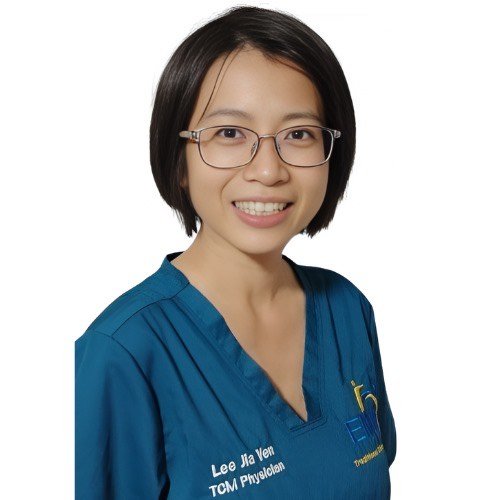
TCM Physician
- B.Med(TCM)
- B.Sc(Hons) Biomedical Sciences
- International Board-Certified Lactation Consultant (IBCLC)
- Registered TCM Physician (Singapore MOH)