
How Traditional Chinese Medicine Can Help Increase Breast Milk Supply

mother breast feeding holding hand her baby

Traditional Chinese Medicine (TCM) can help increase breast milk supply, supporting mothers in one of the most meaningful ways. Breastfeeding is often described as one of the most evocative experiences, when mothers strengthen their bond with their babies. Even though breastfeeding is viewed as a natural event, it is not a simple journey. Many mothers discover that the process is not always effortless, and is often affected by stress, fatigue, or difficulties with breast milk supply after childbirth.

In Traditional Chinese Medicine (TCM), a woman’s body undergoes considerable changes during and after giving birth. The loss of blood and vital energy can take a toll on the mother’s body, and it is not surprising that most mothers struggle to breastfeed during this sensitive phase. The good news is that TCM treatments offer holistic support by helping to restore balance, nourish the body, and naturally encourage milk flow.

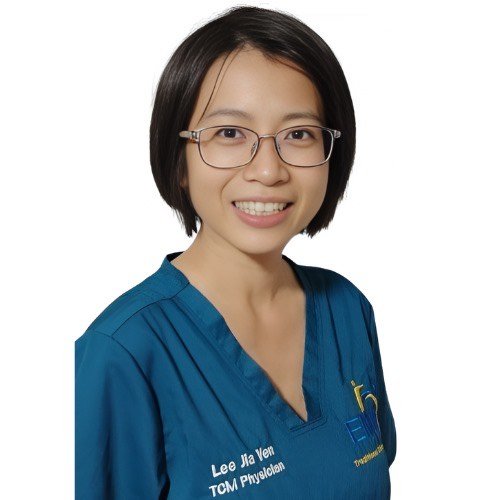
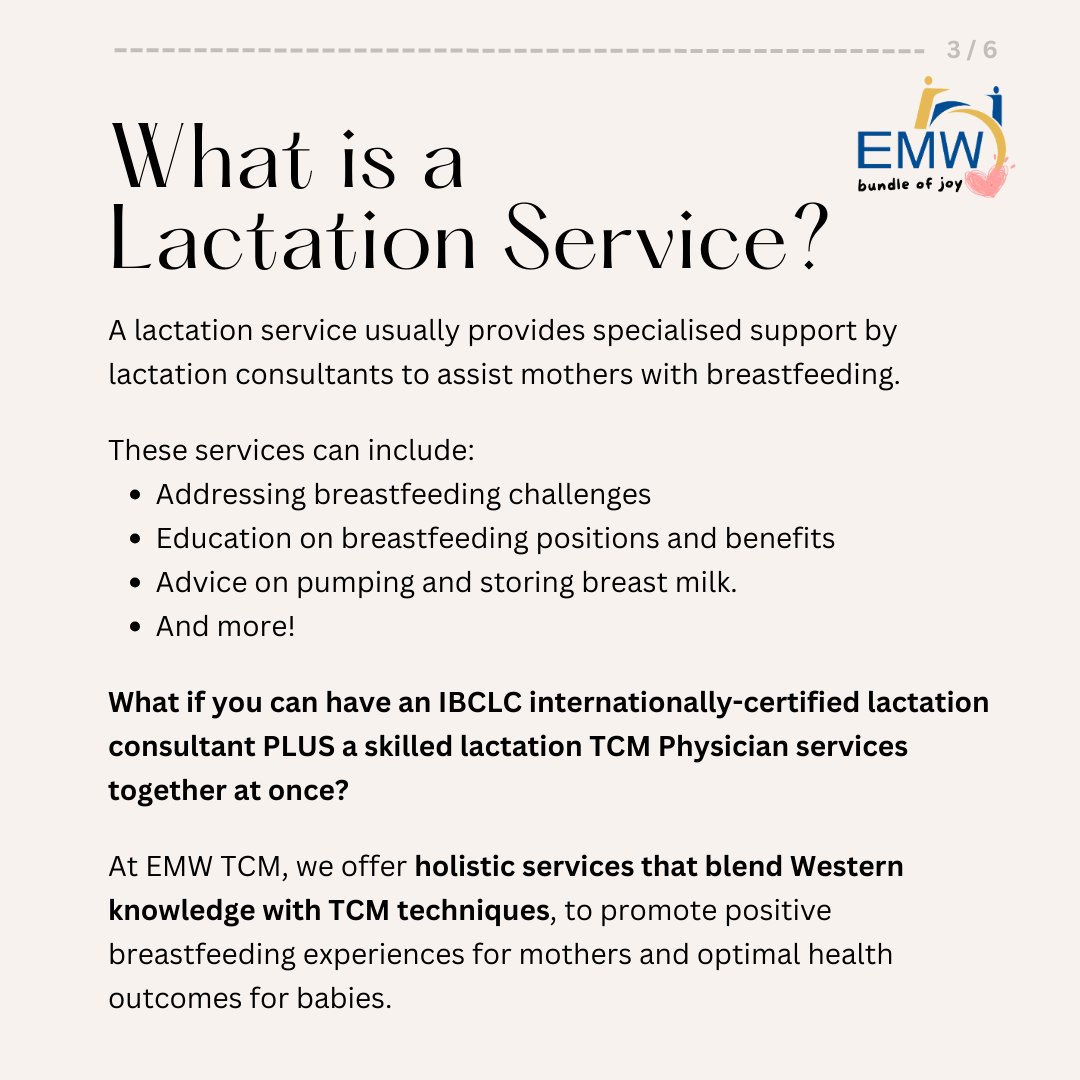
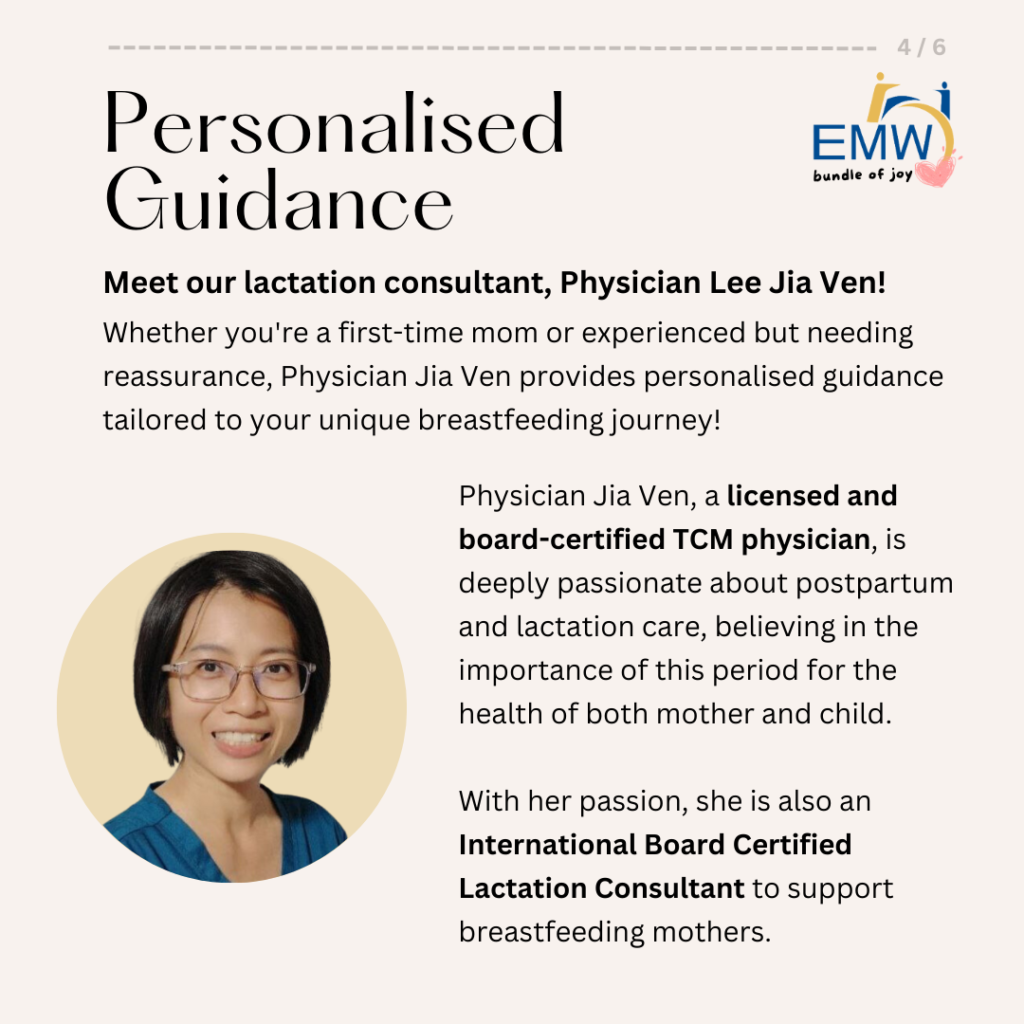
We understand breastfeeding challenges can feel especially overwhelming for mothers, and our MOH-registered physicians at EMW TCM are ready to address your concerns. Our lactation physician Lee Jia Ven, is both IBCLC-certified internationally and a MOH-registered TCM Physician, and our EMW dedicated team provides lactation services and postpartum care that focus on restoring physical and emotional balance, and ensuring a smoother recovery journey after giving birth.

Low Milk Supply from a TCM Perspective

In TCM theory, your body functions at its peak when Qi (气) vital energy, and Blood (血) are working together in harmony. Both vital essences are considered inseparable, as Qi is believed to move the Blood, while Blood provides nourishment to Qi. Within this framework, breast milk is understood to be blood transformed into milk from the same blood that had nourished the placenta during pregnancy [1].

Breast milk supply depends on the unblocked flow of Qi and blood to the breast. According to TCM, a woman’s body undergoes deep physiological changes during and after pregnancy. If the channels and meridians are disrupted as a result, an imbalance in these vital essences affects milk supply.

Patterns that Affect Breast Milk Supply

At EMW TCM, our physicians use the Four Diagnostic Methods (Sì Zhěn 四诊) [2] to analyse a patient’s individual symptoms, and determine the underlying patterns of imbalance. This allows us to create a treatment plan that addresses the body as an integrated whole, rather than merely treating the symptoms of breast milk supply issues.

During treatment, we recognise that certain patterns of imbalance tend to appear during the delicate phase of postpartum life. Understanding these following patterns helps guide patients through the treatment process:

1. Qi and Blood Deficiency (Qì Xuè Xū 气血虚)

It is natural for a mother’s body to feel fatigued during the postpartum phase, with both Blood and Qi needing time to be replenished after childbirth. If these vital essences are insufficient, mothers could face challenges in maintaining an adequate breast milk supply.

Common Symptoms

  • Fatigue
  • Pale Complexion
  • Dizziness
  • Poor appetite
  • Sporadic milk flow

Treatment Focus

Herbal formulas that tonify the Blood and Qi, such as Dāng Guī (当归) or Huáng Qí (黄芪), acupuncture to the support Spleen & Stomach (Pí Wèi 脾胃), dietary recommendations with warming foods (unless contraindicated).

2. Liver Qi Stagnation (Gān Qì Yù Jié 肝气郁结)

According to TCM, stress, frustration, or nervousness can interrupt the flow of Liver Qi, which is a normal occurrence for new mothers adjusting to life after giving birth. As the Liver meridian runs through the breast area, an interrupted flow of Liver Qi disrupts milk production, resulting in these symptoms.

Common Symptoms

  • Decreased, or absent flow of milk
  • Breasts that feel tender or swollen, as the milk does not move down the ducts
  • Thickened milk consistency

Treatment Focus

TCM treatment aims to soothe the liver, reduce emotional tension, and unblock the obstruction of Qi. Acupuncture points, such as 阳陵泉 Yáng Líng Quán, (GB34) calm the Liver Qi, and herbal formulas (Chái Hú 柴胡) help to regulate it, along with relaxation techniques.

3. Phlegm-Damp Obstruction (Tán Shī Zǔ Zhì 痰湿阻滞)

When the Spleen is weakened, “dampness” builds up in the body, leading to fluid retention blocking the flow of Qi and Blood as “phelgm-damp”. This pattern is closely connected to milk production that is sufficient, but milk cannot flow uninterrupted.

Common Symptoms

  • Reduced, or no milk supply
  • Full breasts that do not hurt
  • Nausea, or tightness in the chest
  • Sticky stools or gut discomfort

Treatment Focus

Herbal formulas such as Èr Chén Tāng (二陈汤) to remove dampness, massaging acupressure points such as Shān Zhōng 膻中 (RN-17 or CV-17) to clear stagnation in the chest and the breasts, to free up the flow of milk.

How TCM Can Help Breastfeeding Mothers

Research shows acupuncture can:

  • Increase prolactin and oxytocin levels through autonomic modulation
  • Improve breast tissue microcirculation
  • Reduce pain and stress, lowering cortisol
  • Improve milk ejection reflex
  • Reduce blocked ducts and inflammation

A 2020 systematic review found acupuncture more effective than domperidone in increasing milk production, with fewer side effects.

TCM Mechanisms of Acupuncture

Acupuncture:

  • Moves Liver Qi which improves let-down
  • Tonifies Spleen & Stomach and strengthens production
  • Nourishes Blood which increases volume and quality of milk
  • Clears Heat and reduces engorgement and mastitis
  • Opens breast channels to help with relieving of blockages

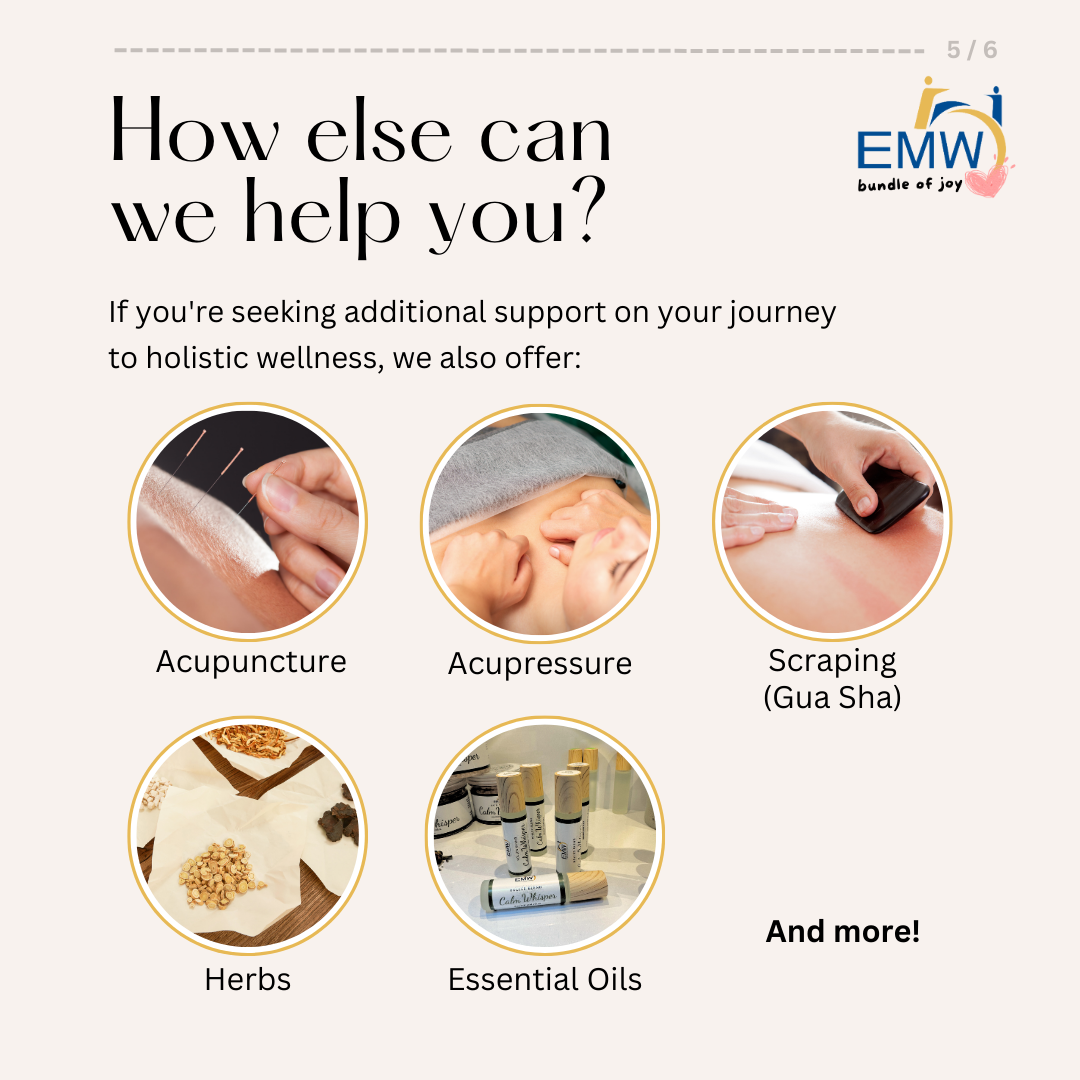
We customise treatment based on each mother’s condition and medical history. At EMW TCM,  two of the standard treatments used are Chinese herbal medicine, acupuncture, and acupressure to boost milk supply and ease breastfeeding issues.

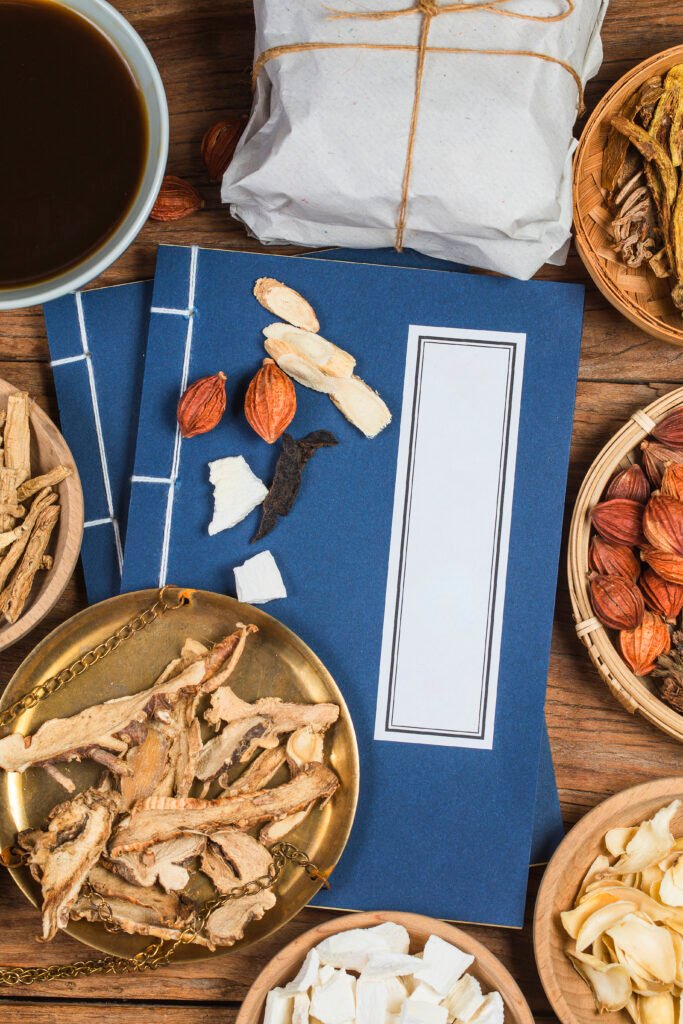
traditional chinese medicine 1

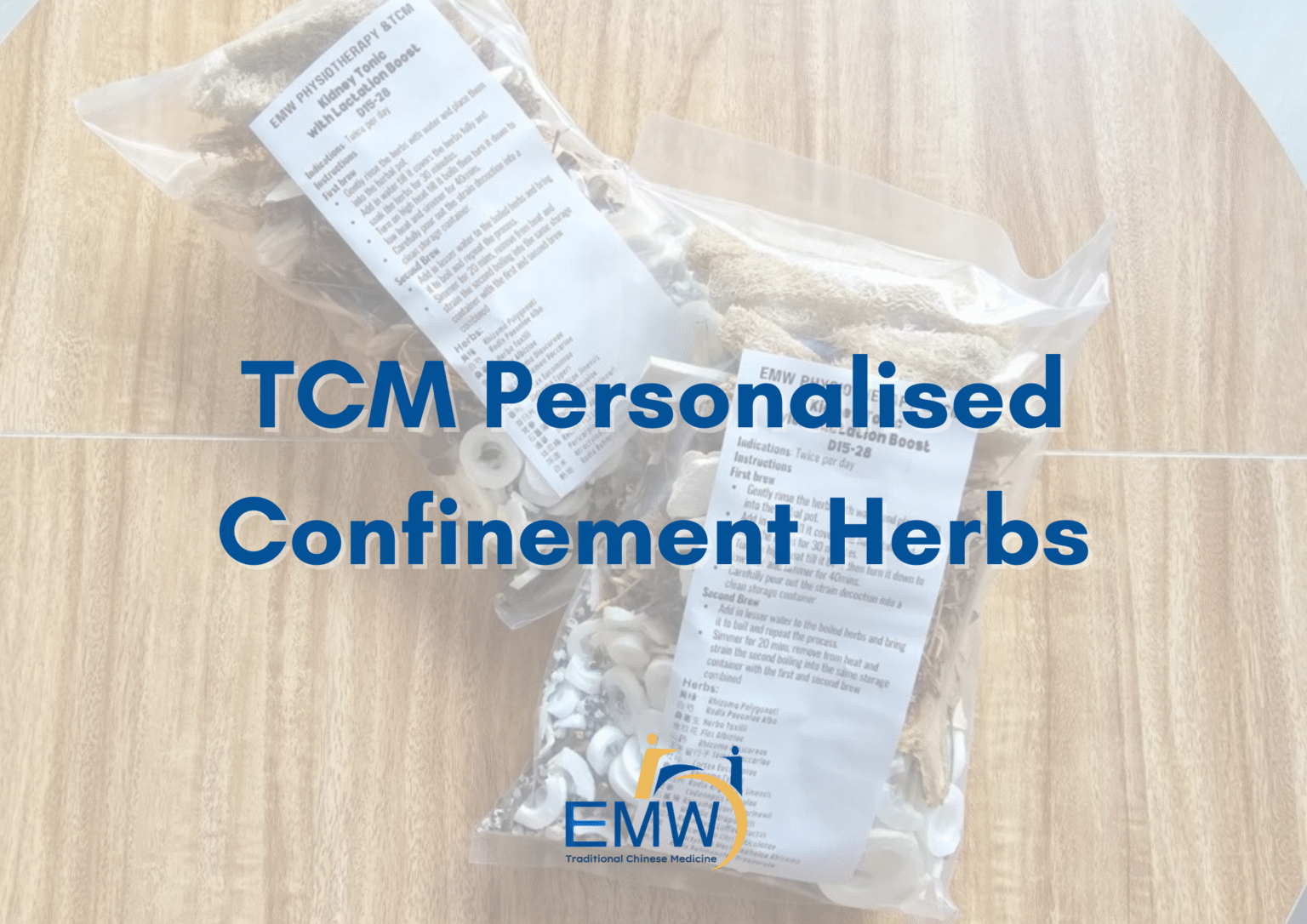
Chinese Herbs for Boosting Lactation

The following herbs can be used by themselves or in a blend with other herbs to help stimulate milk supply:

  • Rice Paper Pith (通草) Tōng Cǎo: Enhances lactation and clears blockages.
  • Astragalus (黄芪) Huáng Qí: boosts qi and blood, which are vital for lactation.
  • Codonopsis Root (党参)Dǎng Shēn: Also known as astragalus in English, it can help to restore qi.
  • Angelica Root (当归) Dāng Guī: Sustains blood and encourages circulation.

Chinese Herbs for Breastfeeding

The following herbs may be used to provide relief for blocked milk ducts and swelling, while addressing early signs of mastitis (inflammation of the milk ducts) before antibiotics are needed:

  • Pú Gōng Yīng (蒲公英): Known as dandelion, it can be used to eliminate heat.
  • Wáng Bù Liú Xíng (王不留行): Also called Cowherb seeds, helps increase milk flow.
  • Zào Jiǎo Cì (皂角刺): The fruit of the Chinese honey locust tree is used to treat swelling and clear heat.
  • Jīn Yín Huā (金银花): Honeysuckle, may relieve inflammation and heat.
  • Lián Qiào (连翘): Fruit of the forsythia, used for its heat-clearing and anti-inflammatory properties.
  • Sī Guā Luò (丝瓜络): The dried fibrous stem of the loofa gourd, which is believed to assist milk flow and relieve blockages.

Disclaimer On the Use of TCM Herbs During Breastfeeding

Mothers who are currently breastfeeding, or who are planning to breastfeed, must not begin or continue the use of any TCM herbal treatment or formulas without first consulting a qualified, licensed TCM practitioner or healthcare professional. The safety and efficacy of various TCM herbs are not scientifically established, and their active compounds may be transferred via breast milk from mother to infant. The information in this article is presented for general educational purposes, and should not be used as a substitute for medical advice.

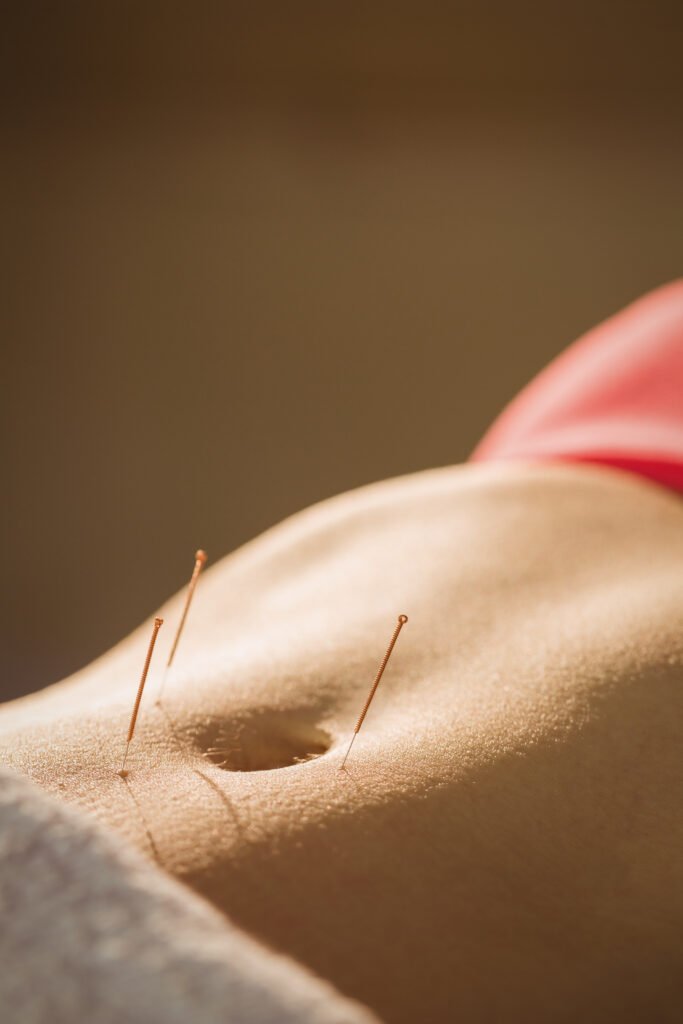
Young woman getting acupuncture treatment in therapy room

Acupuncture for breastfeeding

Acupuncture is used to treat various health concerns so it follows that it can help with breastfeeding issues. These include increasing milk flow, relieving swollen breasts, and reducing inflammation from mastitis.

Common Acupuncture Points for Breast Milk Production:

According to a 2022 study, the following acupuncture points are used in addressing breast milk deficiency, and each one has specific functions that support lactation [3]:

  • SI 1 少泽 (Shào Zé)
    Location: On the side of the little fingernail, next to the ring finger.
    Functions: Traditionally utilised to relieve swollen breasts, and it is activated to support milk let-down when stress and stagnation block the flow.
  • CV 17 膻中 (Shān Zhōng)
    Locations
    : Found in the middle of the chest.
    Functions: This point is believed to regulate Qi and enhance circulation in the chest area. Used to relieve breast fullness, and support emotional well-being during breastfeeding.
  • ST 18 乳根 (Rǔ Gēn)
    Location: Situated on the chest, directly below the nipple near the lower edge of the breast.
    Functions: This point directly affects breast tissue, and it clears blocked milk ducts and reduces swelling.
  • ST 36 足三里 (Zú Sān Lǐ)
    Location: On the lower leg, approximately eight centimetres below the kneecap, and one centimetre to the outer edge of the shinbone.
    Functions: Strengthens the Qi and Blood to restore vitality and support immune function. By restoring Qi and Blood, this point indirectly enhances milk production.

Postpartum Diet & Lifestyle

Foods That Support Milk Production

  • Warm soups, broths
  • Whole grains like millet, brown rice
  • Papaya fish soup
  • Oats, barley (if no Damp signs)
  • Red dates, goji berries
  • Green leafy vegetables

Foods to Avoid Temporarily

Depending on pattern:

  • Cold/raw foods weaken Spleen
  • Too much ginger/alcohol may worsen Heat-type mastitis
  • Fried/oily foods increase Damp and block ducts

Lifestyle Tips

  • Breastfeed or pump frequently to stimulate prolactin
  • Skin-to-skin contact increases oxytocin
  • Warm compresses before feeding
  • Gentle breast massage
  • Adequate sleep and stress reduction

Acupuncture + proper latch support + correct diet gives the fastest results.

When to seek TCM Treatment and why mummies choose EMW TCM

You should see a TCM physician if you experience:

  • Persistently low milk supply
  • Stress-induced poor let-down
  • Repeated blocked ducts
  • Early signs of mastitis
  • Fatigue or postpartum depletion
  • Baby not gaining weight adequately

Early intervention prevents complications and improves breastfeeding success rates.

At EMW TCM Clinic, lactation care integrates:

  • Dual certification of IBCLC-certified internationally lactation consultant and a MOH-registered TCM physician
  • TCM acupuncture + postpartum recovery
  • Herbal prescriptions personalised to your body type
  • Safe, evidence-informed care
  • Support for emotional health, sleep, digestion, and recovery

Our approach helps mothers not only produce more milk but also recover faster, feel calmer, and regain energy in the crucial 4th trimester.

FAQs About TCM for Lactation

1. Does lactation treatment really help increase breast milk supply?

Research shows acupuncture improves prolactin levels, oxytocin release, and breast circulation, all of which increase milk production and let-down.

2. How soon will I see results?

Many mothers notice improvement within 3 sessions, especially for let-down issues and blocked ducts. If recovery is slow, our physicians will refer you to relevant doctors.

3. Are TCM herbs safe for breastfeeding?

When prescribed by a registered TCM physician, herbs are safe and tailored to your postpartum condition. They are not one-size-fits-all.

4. Can TCM replace domperidone?

TCM can be used alone or together with biomedical treatment. Stopping domperidone still requires approval from your Western doctor.

5. Do you treat mastitis?

Yes, early-stage mastitis responds very well to acupressure, acupuncture and anti-inflammatory herbs. Severe cases still require urgent biomedical care.

6. Is it safe after C-section?

Absolutely. Our EMW lactation treatment is gentle, safe, and helps with post-op recovery, pain relief, and milk flow.

Every mother’s breastfeeding journey is different, and while general information can be useful, personalised care makes a great difference. If you are facing challenges with breast milk supply, or postpartum recovery, seeking the guidance of a qualified TCM physician will ensure your peace of mind.

At EMW TCM, our lactation registered TCM practitioners in Singapore can prepare a postpartum lactation plan that has the unique advantage of featuring pre- and post-delivery consultation for a personalised, holistic treatment. You also have the opportunity to combine the expertise of our International Board-Certified Lactation Consultant (IBCLC) with one of our skilled lactation TCM physicians.

If you’re struggling with milk supply, you don’t have to guess your way through it. Breastfeeding challenges are common, and highly treatable when addressed early.

At EMW TCM Clinic, we personalise every session to your unique postpartum constitution.

  • Restore healthy milk flow
  • Recover your energy and strength
  • Support your emotional well-being
  • Prevent blocked ducts and mastitis

Book a lactation acupuncture session with us
EMW TCM Clinic Singapore
www.emw.sg
WhatsApp: 8958 5869

Find TCM Clinic Near You

Scotts Medical Centre Branch

9 Scotts Road #10-04, Scotts Medical Centre @ Pacific Plaza,
Singapore 228210
Book Your Appointment With Us Here: +65 89585869

International Building Branch

360 Orchard Road, International Building #02-05/06
Singapore 238869
Book Your Appointment With Us Here: +65 89585869

Our Bilingual MOH-Registered Physicians

Principal TCM Physician

  • M.Med(TCM Gynaecology)
  • B.Sc(Hons) Biomedical Sciences
  • Dip. Naturopath
  • Ayurvedic Therapist(500hrs)
  • Registered TCM Physician (Singapore MOH)

Senior TCM Physician

  • M.Med(TCM Acupuncture & Moxibustion)
  • B.Sc(Hons) Biomedical Sciences
  • Certified Aromatherapist
  • Registered TCM Physician (Singapore MOH)

TCM Physician

  • M.Med(TCM Gynaecology)
  • B.Sc(Hons) Biomedical Sciences
  • Registered TCM Physician (Singapore MOH)

TCM Physician

  • B.Med(TCM)
  • B.Sc(Hons) Biomedical Sciences
  • International Board-Certified Lactation Consultant (IBCLC)
  • Registered TCM Physician (Singapore MOH)

References

  1. Shen, Q., Huang, R., Du, W., Li, Y., Redding, S. R., & Ouyang, Q. (2023). Galactagogue Food Consumption, Perception of Insufficient Milk Supply, and Exclusive Breastfeeding in Chinese Postpartum Women: An Analysis of Repeated Measures. Journal of Transcultural Nursing. https://doi.org/10.1177/10436596231184650

  2. Zhao, C., Li, G. Z., Wang, C., & Niu, J. (2015). Advances in Patient Classification for Traditional Chinese Medicine: A Machine Learning Perspective. Evidence-based complementary and alternative medicine: eCAM, 2015, 376716. https://doi.org/10.1155/2015/376716

  3. Fang, Y. W., Chen, S. F., Wang, M. L., & Wang, M. H. (2024). Effects of traditional Chinese medicine-assisted intervention on improving postpartum lactation: A systematic review and meta-analysis. Heliyon, 10(6), e27154. https://doi.org/10.1016/j.heliyon.2024.e27154