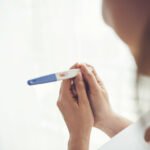

Trying to conceive (TTC) can feel daunting and stressful for most couples in Singapore, where the demands of modern life pose considerable challenges to family planning. Many couples are seeking complementary therapies for infertility in Traditional Chinese Medicine (TCM), and this includes treatment with Chinese herbal medicine (CHM).
TCM fertility treatment focuses on improving the health of both partners to enhance the chances of natural conception. At EMW TCM, fertility care is personalised, evidence-informed, and physician-led.
We combine classical TCM diagnostics with modern biomedical insight to support:
- Natural conception
- Pre-IVF and post-IVF recovery
- Hormonal regulation
- Egg and sperm quality optimisation
All Chinese herbal prescriptions are prepared under our Health Sciences Authority (HSA)-approved herbal service and customised to each individual’s fertility profile.
TCM Perspective on Infertility
In Traditional Chinese Medicine, infertility is not viewed as a single diagnosis but as a reflection of systemic imbalance. Fertility depends on the harmonious interaction of Qi (气), Blood (血), and Jīng (精), particularly within the Kidney, Liver, and Spleen systems.
From a TCM clinical perspective:
- Jīng (Essence) governs egg quality, sperm quality, ovarian reserve, and reproductive longevity
- Kidney system controls reproduction, hormonal signalling, and developmental potential
- Liver system regulates menstrual cycles, ovulation timing, implantation, and emotional stress
- Spleen system supports digestion, nutrient absorption, metabolic health, and hormone synthesis
When these systems are disrupted, by stress, illness, poor sleep, inflammation, or aging, fertility may be compromised.
A licensed TCM physician assesses:
- Pulse and tongue findings
- Menstrual cycle patterns
- Semen parameters (when applicable)
- Systemic symptoms such as fatigue, bloating, anxiety, or cold intolerance
Based on this assessment, a customised herbal formula is prescribed to correct the root pattern rather than suppress symptoms.
Chinese Herbs for Fertility
TCM makes use of various herbs in herbal formulas and treatments to rebalance the body’s systems, creating supportive conditions within the body for conception:
Angelica Root (Dāng Guī 当归)
Traditionally used to nourish and regulate Blood, angelica root supports uterine circulation, menstrual regularity, and endometrial health.
Goji Berries, also known as Wolfberries (Gǒu Qǐ 枸杞)
Rich in antioxidants and polysaccharides, goji berries help reduce oxidative stress affecting egg and sperm quality [1] [2]. Research suggests regulatory effects on FSH and LH, potentially improving sperm motility and quality [3].
Ginseng (Rén Shēn 人参)
A classic adaptogenic herb, ginseng supports stress resilience, mitochondrial energy, and endocrine balance. Clinical and experimental data show benefits for sperm count, sperm quality, and hormonal regulation [4].
Astragalus (Huáng Qí 黄芪)
Astragalus strengthens Qi, immune regulation, and reproductive vitality.
Studies suggest benefits for sperm motility and testicular function [5].
Rehmannia Root ( Shu Dì Huáng 熟地黄)
A foundational Kidney-tonifying herb, rehmannia nourishes Blood, Yin, and reproductive Essence. Emerging research links it to improved ovarian function and endocrine support [6].
Important note:
EMW TCM herbal formulas are fully customised and prescribed only after consultation with registered TCM physicians. Herbs are not routinely prescribed during active IVF stimulation or embryo transfer cycles unless clinically indicated and coordinated with your fertility specialist.
Benefits of Chinese Herbal Medicine for Women’s Fertility
Evidence-based research supports the use of Chinese herbal medicine in female infertility management. A meta-analysis involving 4,247 women found that Chinese herbal medicine doubled pregnancy rates over a three- to six-month period [7].
In clinical practice, Chinese herbal medicine may help to:
- Regulate menstrual cycles and ovulation timing
- Improve egg quality and hormonal balance
- Support implantation and luteal phase stability
- Enhance fertility outcomes when used alongside conventional treatment [8].
Benefits of Chinese Herbal Medicine for Men
TCM views male fertility as a reflection of systemic health rather than an isolated reproductive issue. Common patterns include Kidney Essence deficiency, Liver Qi stagnation, and Spleen weakness.
Clinical studies have reported improvements in male fertility parameters with Chinese herbal treatment, including [9]:
- Sperm concentration and morphology
- Sperm motility
- Testosterone production and hormonal balance
Disclaimer On the Use of TCM Herbs During Fertility Treatment
Couples who are currently undergoing fertility treatment, or who are planning to undergo fertility treatment, must not begin or continue the use of any TCM herbal treatment or formulas without first consulting a qualified, licensed TCM practitioner or healthcare professional. The information in this article is presented for general educational purposes and should not be used as a substitute for medical advice.
At EMW TCM, we blend a modern approach with ancient wisdom to support you on the journey to parenthood. Contact us today if you have any concerns about fertility treatments or questions about how our TCM clinic and treatments, such as acupuncture, can best enhance your chances for conception.
Frequently Asked Questions (FAQ)
Can Chinese herbal medicine help with fertility?
Yes. Clinical research and long-standing clinical use suggest that Chinese herbal medicine can support fertility by improving hormonal balance, egg and sperm quality, menstrual regularity, and overall reproductive health.
Is Chinese herbal medicine safe during IVF?
Chinese herbal medicine is generally paused during active IVF stimulation and embryo transfer unless prescribed and coordinated by a qualified practitioner. Safety and timing are critical.
How long should I take Chinese herbal medicine before trying to conceive?
Most fertility protocols recommend a minimum of three months, which aligns with egg maturation and sperm development cycles. Duration varies depending on individual diagnosis.
Can men take Chinese herbal medicine for fertility?
Yes. Chinese herbal medicine is commonly used to support sperm quality, motility, testosterone balance, and Kidney Essence in men.
Are Chinese herbs regulated in Singapore?
Yes. At EMW TCM, all herbal services operate under Health Sciences Authority (HSA) regulations, and prescriptions are issued only by registered TCM physicians.
Can Chinese herbal medicine be combined with acupuncture?
Yes. In clinical practice, herbal medicine and acupuncture are often combined to provide synergistic support for fertility, stress regulation, and hormonal balance.
Supporting Your Fertility Journey with EMW TCM
At EMW TCM, fertility care is personalised, physician-led, and integrative. We support both women and men through Chinese herbal medicine, acupuncture, and lifestyle-based fertility optimisation, whether you are trying naturally or preparing for assisted reproductive treatment.
Contact EMW TCM to discuss how an integrative TCM approach may support your fertility journey safely and effectively.
Why Patients Choose EMW TCM for Fertility Care in Singapore
Patients often tell us they choose EMW TCM because:
- They want structured, personalised fertility care rather than generic treatments
- They value a calm, evidence-based clinical approach
- They want TCM that works with IVF, not against it
- They appreciate clear explanations without false promises
Our focus is not on doing more, but on doing what is appropriate, timely, and clinically justified.
You can explore more educational resources through our Fertility Support Guide
How EMW TCM Help Your IVF Success
From a biomedical perspective, acupuncture for fertility improves ovarian and uterine blood flow, regulates the hypothalamic-pituitary-ovarian axis, lowers cortisol, reduces inflammation, and supports hormonal balance. These effects complement TCM principles and help enhance egg development, implantation, and reproductive function.
1. Comprehensive Assessment
Your first consultation includes:
Cycle assessment
Digestion and hormonal review
Energy and stress evaluation
Sleep and lifestyle factors
Male fertility screening when relevant
2. Evidence-Based TCM Diagnosis
Qi stagnation
Blood deficiency
Spleen Qi weakness
Kidney Yin/Yang imbalance
Liver Qi constraint
Dampness and inflammation
3. Personalised Fertility Treatment Plan
Weekly fertility acupuncture
Customised herbal formulas
Dietary therapy
Stress reduction strategies
Lifestyle recommendations
TCM Acupuncture for Fertility Treatments
Acupuncture, one of the most researched TCM fertility tools, has been found to influence several physiological pathways related to reproduction.
A review published in Fertility and Sterility (2019) reported that acupuncture may improve blood flow to the uterus and ovaries, modulate stress hormones, and enhance endometrial receptivity. Another meta-analysis in Integrative Medicine Research (2021) concluded that acupuncture used alongside conventional fertility treatment can improve pregnancy outcomes and reduce anxiety levels in women undergoing IVF.
From a clinical standpoint, acupuncture helps regulate the hypothalamic-pituitary-ovarian axis, improving hormone balance and menstrual regularity. It can also reduce cortisol levels, encouraging the parasympathetic or “rest-and-rebuild” state which supports implantation and early pregnancy.
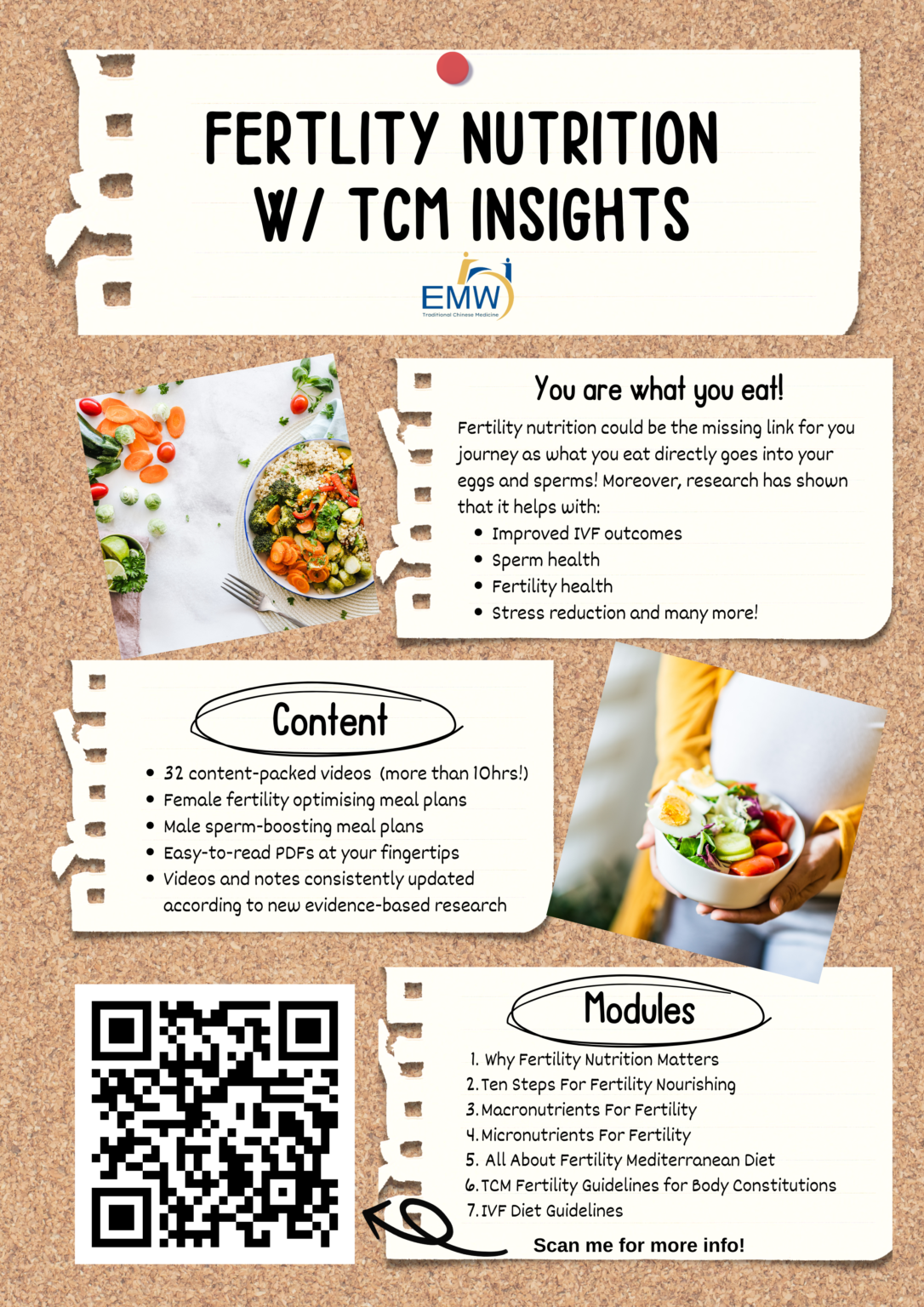
Our Flagship Ebook & Video Course
When to Seek Professional TCM Fertility Help
Fertility is not just a matter of age or hormones. It is a reflection of the body’s internal harmony. Traditional Chinese Medicine provides an integrative and natural way to restore this balance, supporting both physical and emotional readiness for conception.
At EMW TCM Singapore, our team of experienced physicians brings together centuries-old wisdom and modern evidence to guide your fertility journey. Whether you are trying naturally or preparing for IVF, we are here to help you create the best internal environment for new life to begin.
If you have been trying to conceive for more than six to twelve months, experience irregular menses, painful periods, or have been diagnosed with PCOS, endometriosis, or low sperm count, consider a consultation. Professional TCM fertility care aims to correct the underlying imbalance rather than simply forcing ovulation or hormone production.
Check out our links below to book your fertility consultation and begin your holistic journey toward conception.
EMW TCM Clinics
Scotts Medical Centre Branch
9 Scotts Road #10-04, Scotts Medical Centre @ Pacific Plaza,
Singapore 228210
Book Your Appointment With Us Here: +65 89585869
International Building Branch
360 Orchard Road, International Building #02-05/06
Singapore 238869
Book Your Appointment With Us Here: +65 89585869
Our Physicians
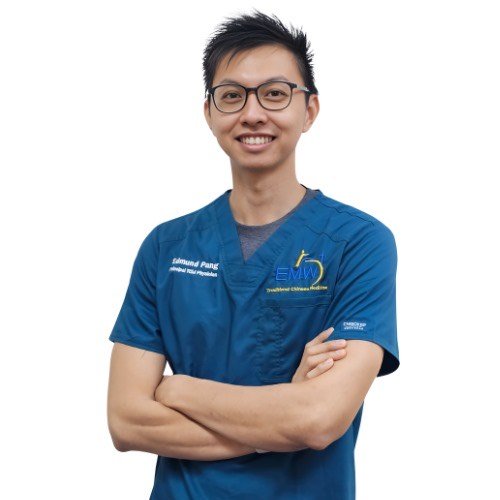
Principal TCM Physician
- M.Med(TCM Gynaecology)
- B.Sc(Hons) Biomedical Sciences
- Dip. Naturopath
- Ayurvedic Therapist(500hrs)
- Registered TCM Physician (Singapore MOH)
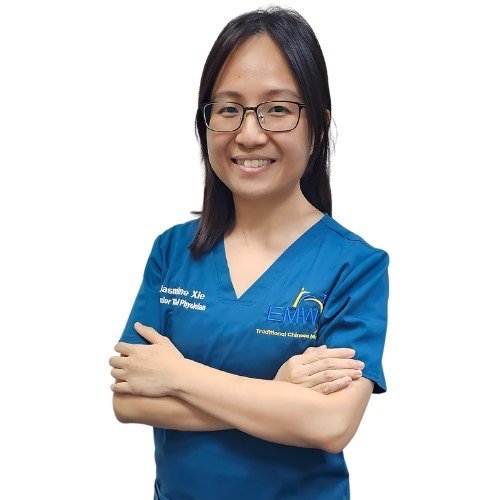
Senior TCM Physician
- M.Med(TCM Acupuncture & Moxibustion)
- B.Sc(Hons) Biomedical Sciences
- Certified Aromatherapist
- Registered TCM Physician (Singapore MOH)

TCM Physician
- M.Med(TCM Gynaecology)
- B.Sc(Hons) Biomedical Sciences
- Registered TCM Physician (Singapore MOH)
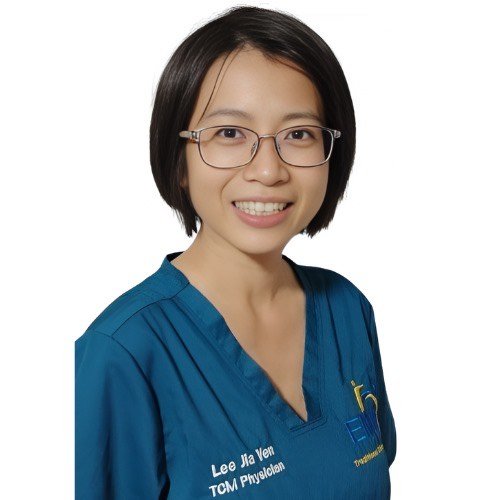
TCM Physician
- B.Med(TCM)
- B.Sc(Hons) Biomedical Sciences
- International Board-Certified Lactation Consultant (IBCLC)
- Registered TCM Physician (Singapore MOH)
References
- Brecchia, G., Muça, G., Munga, A., Menchetti, L., Galosi, L., Rossi, G., Barbato, O., Pastorelli, G., Agradi, S., Serra, V., Sulçe, M., Ozuni, E., Turmalaj, L., Castrica, M., Ceccarini, M. R., Riva, F., Fioretti, B., Quattrone, A., Marongiu, M. L., & Curone, G. (2023). Goji Berry in the Diet of the Rabbit Buck: Effects on Semen Quality, Oxidative Status and Histological Features of the Reproductive Tract. Antioxidants (Basel, Switzerland), 12(11), 1959. https://doi.org/10.3390/antiox12111959
- Jiang, C., Chen, Z., Xiong, H., Yang, X., Liao, W., Chen, G., Huang, C., Zhu, G., Yu, H., & Ma, L. (2024). Lycium barbarum berry extract improves female fertility against aging-related oxidative stress in the ovary. Food & Function, 15(19), 9779–9795. https://doi.org/10.1039/D4FO02720
- Zhou, S. H., Deng, Y. F., Weng, Z. W., Weng, H. W., & Liu, Z. D. (2019). Traditional Chinese Medicine as a Remedy for Male Infertility: A Review. The world journal of men’s health, 37(2), 175–185. https://doi.org/10.5534/wjmh.180069
- Leung, K. W., & Wong, A. S. (2013). Ginseng and male reproductive function. Spermatogenesis, 3(3), e26391. https://doi.org/10.4161/spmg.26391
- Kim, W., Kim, doR., Chang, M. S., & Park, S. K. (2015). Astragalus membranaceus augment sperm parameters in male mice associated with cAMP-responsive element modulator and activator of CREM in testis. Journal of traditional and complementary medicine, 6(3), 294–298. https://doi.org/10.1016/j.jtcme.2015.10.002
- Zhong, H. Z., Mo, J., Li, Y. X., Li, M. Y., & Wei, S. B. (2024). Changes in Rehmanniae Radix processing and their impact on ovarian hypofunction: potential mechanisms of action. Frontiers in pharmacology, 15, 1426972. https://doi.org/10.3389/fphar.2024.1426972
- Ried K. (2015). Chinese herbal medicine for female infertility: an updated meta-analysis. Complementary therapies in medicine, 23(1), 116–128. https://doi.org/10.1016/j.ctim.2014.12.004
- Ried, K., & Stuart, K. (2011). Efficacy of Traditional Chinese Herbal Medicine in the management of female infertility: A systematic review. Complementary Therapies in Medicine, 19(6), 319-331. https://doi.org/10.1016/j.ctim.2011.09.003
- Wang, S. C., Wang, S. C., Li, C. J., Lin, C. H., Huang, H. L., Tsai, L. M., & Chang, C. H. (2018). The Therapeutic Effects of Traditional Chinese Medicine for Poor Semen Quality in Infertile Males. Journal of clinical medicine, 7(9), 239. https://doi.org/10.3390/jcm7090239