Nipple Pain While Breastfeeding: 7 Essential Clues About What Is Normal and What Is Not
A little tenderness when you first start breastfeeding may occur, but nipple pain while breastfeeding should not simply be accepted as something every mother has to endure. Persistent, sharp, burning, cracked or worsening nipple pain deserves a closer look at the latch, feeding mechanics and breast health.
Mild early tenderness may occur as breastfeeding is established, but ongoing nipple pain while breastfeeding is not something you should simply “push through.” Common contributors include shallow attachment, nipple trauma, pump-related injury, engorgement and several less common medical causes.
This is especially relevant in Singapore. A 2026 Singapore Medical Journal study involving 408 mothers found nipple pain was the most frequently reported breastfeeding challenge, affecting 47.3% of respondents.
Nipple Pain While Breastfeeding: 7 Essential Clues About What Is Normal and What Is Not
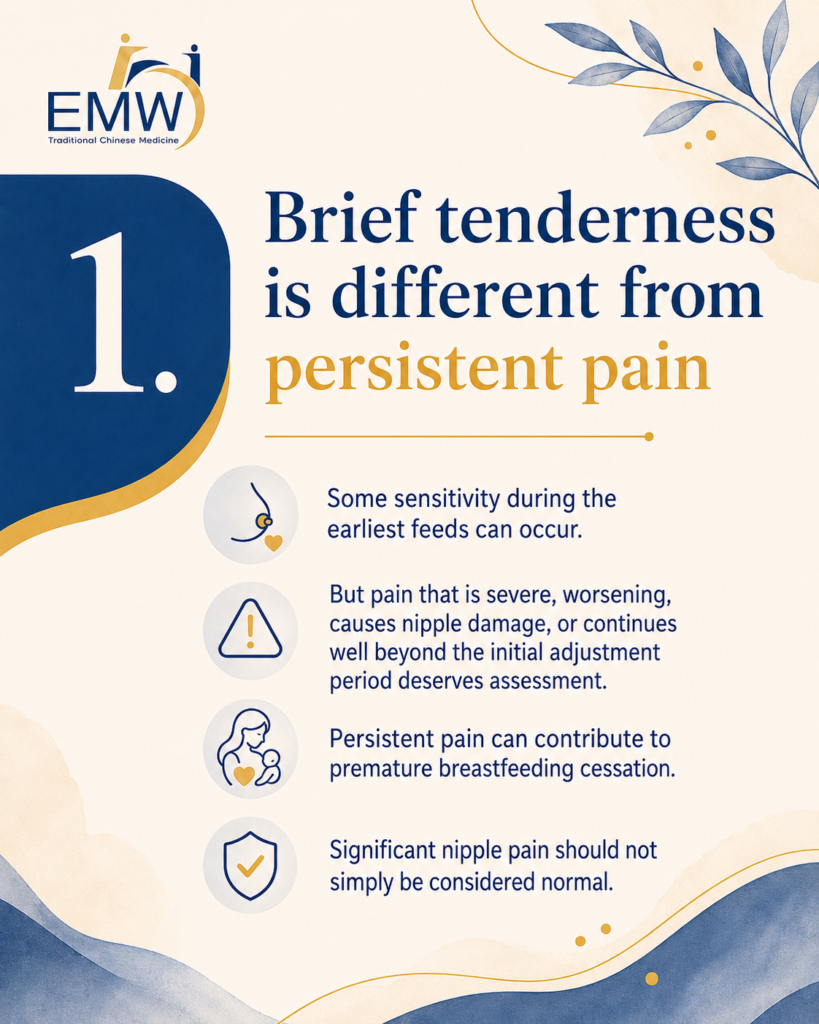
1. Brief tenderness is different from persistent pain
Breastfeeding is new for both mother and baby.
Some sensitivity during the earliest feeds can occur.
But pain that is severe, worsening, causes nipple damage or continues well beyond the initial adjustment period deserves assessment.
The Academy of Breastfeeding Medicine notes that persistent pain can contribute to premature breastfeeding cessation and recommends evaluating the breastfeeding mother-infant dyad rather than considering significant pain normal.
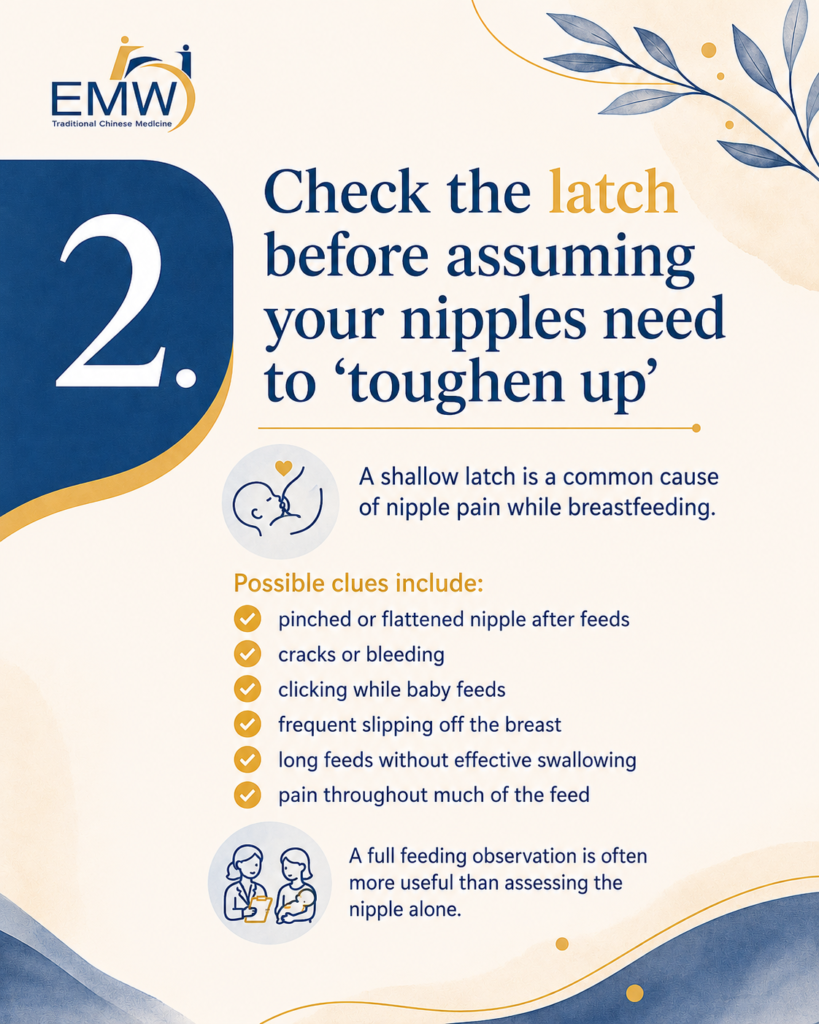
2. Check the latch before assuming your nipples need to “toughen up”
One of the first things to assess with nipple pain while breastfeeding is attachment.
When the latch is shallow, excessive pressure can be concentrated on the nipple.
Possible clues include a pinched or flattened nipple after feeds, cracks or bleeding, clicking while the baby feeds, frequent slipping off the breast, prolonged feeds without effective swallowing or pain throughout much of the feed.
A lactation professional should ideally observe an entire feed rather than assessing the nipple alone.
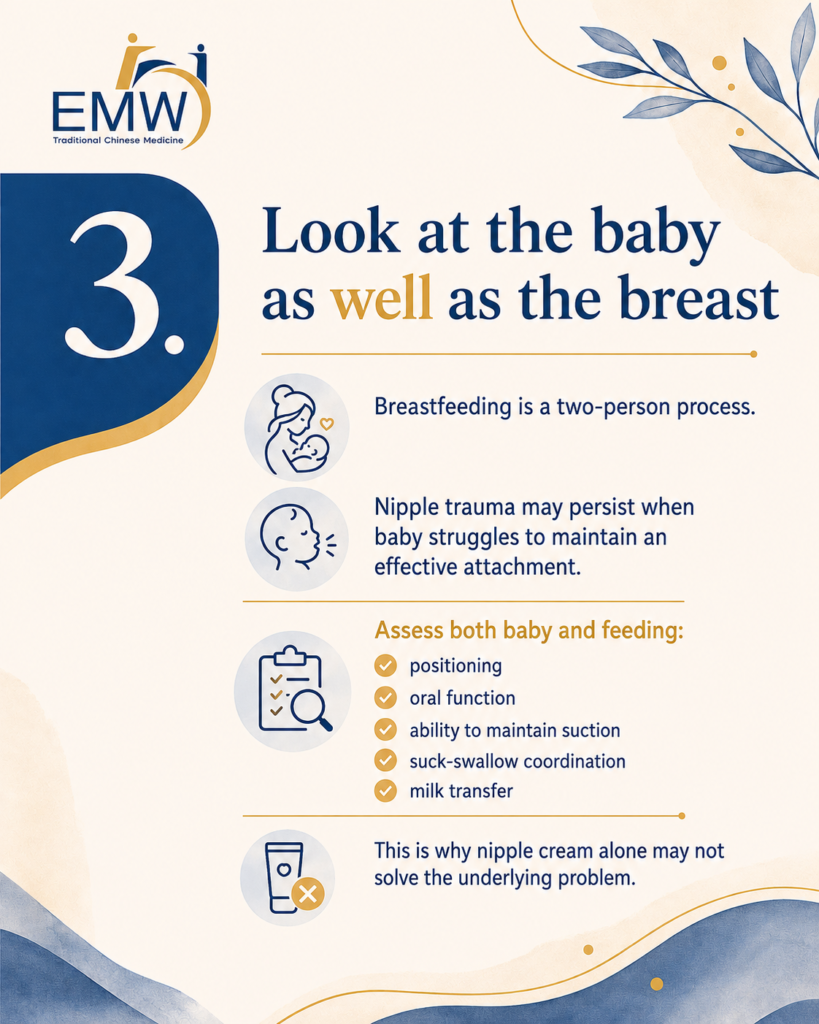
3. Look at the baby as well as the breast
Breastfeeding is a two-person process.
Sometimes nipple trauma persists because the baby is struggling to maintain an effective attachment.
A feeding assessment may therefore consider positioning, oral function, baby’s ability to maintain suction, suck-swallow coordination and milk transfer.
This is one reason simply applying nipple cream may not solve the underlying problem.
4. Your breast pump can also cause nipple pain
Not all nipple pain while breastfeeding comes from direct feeding.
Pumping can cause pain when suction is unnecessarily high, sessions are excessively long or the flange fit is unsuitable.
Your nipple should move comfortably within the flange tunnel rather than being repeatedly compressed or rubbed.
If pumping is consistently painful or damages the skin, seek help with pump settings and flange fitting.
“Maximum suction” does not automatically mean maximum milk output.
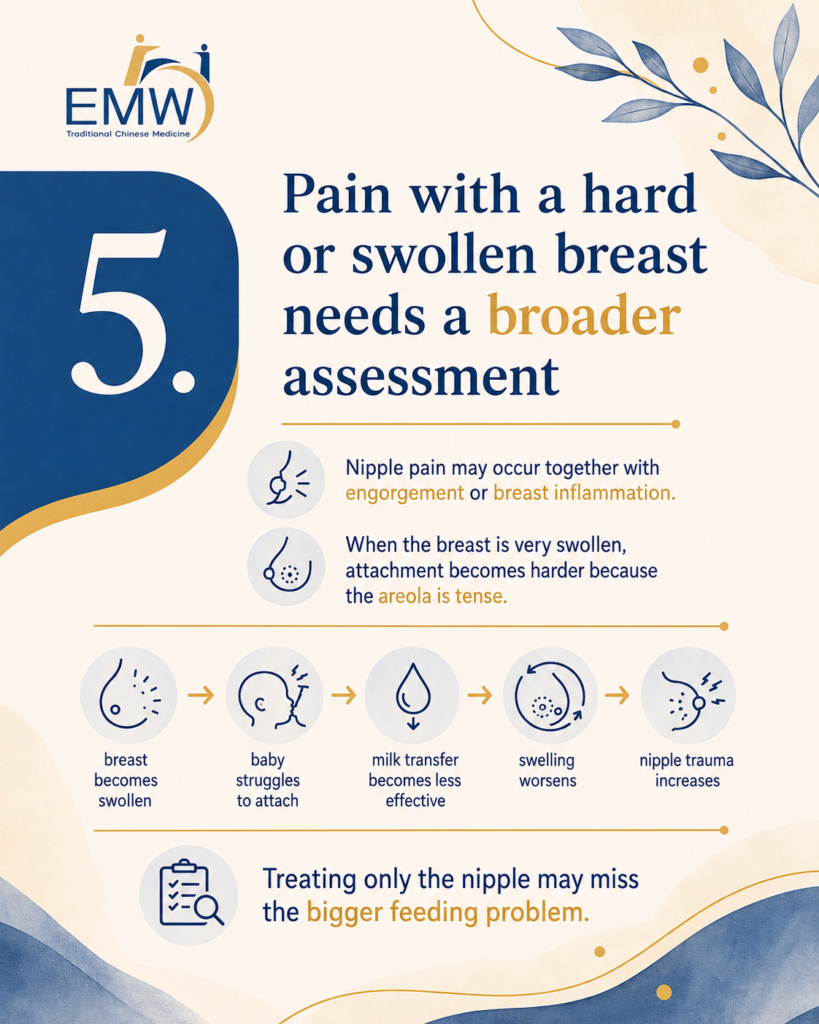
5. Pain with a hard or swollen breast needs a broader assessment
Sometimes nipple pain appears together with engorgement or breast inflammation.
If the breast becomes very swollen, attachment may become more difficult because the areola is tense.
This can create a vicious cycle:
breast becomes swollen → baby struggles to attach → milk transfer becomes less effective → swelling worsens → nipple trauma increases.
Addressing only the nipple will not resolve the bigger feeding problem.
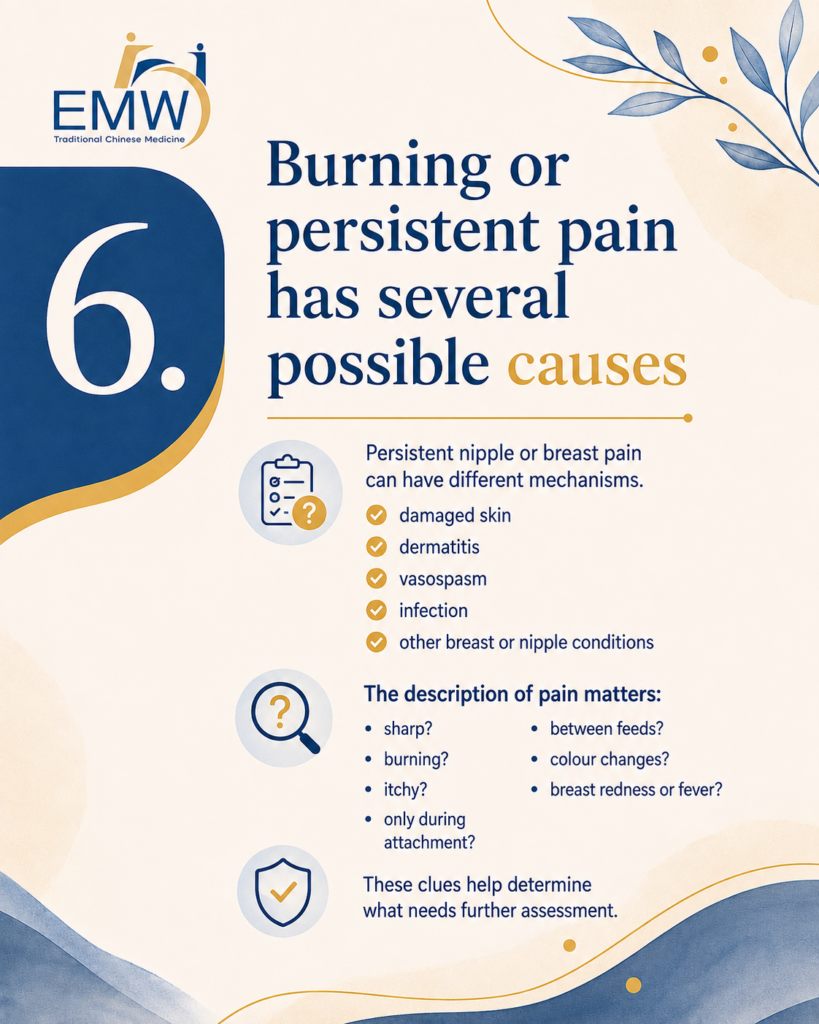
6. Burning or persistent pain has several possible causes
Persistent nipple or breast pain can have different mechanisms.
These may include damaged skin, dermatitis, vasospasm, infection and other breast or nipple conditions.
The description of pain matters.
Is it:
sharp?
burning?
itchy?
only during attachment?
continuing between feeds?
associated with colour changes?
accompanied by breast redness or fever?
This information helps a qualified healthcare or lactation professional determine what needs to be investigated.
7. Know when you need medical attention
Seek prompt healthcare review if nipple pain while breastfeeding occurs with significant breast redness, rapidly increasing swelling, fever or systemic illness, pus or concerning discharge, a persistent breast lump, severe nipple damage, significant bleeding or symptoms that worsen despite appropriate breastfeeding support.
Breastfeeding complications such as inflammatory or bacterial mastitis need appropriate clinical assessment.
What can a lactation consultation assess?
A good breastfeeding assessment does much more than tell you to “latch deeper”.
It should consider both mother and baby.
The consultation may examine feeding position, latch depth, nipple condition, baby’s sucking pattern, swallowing and milk transfer, breast fullness or inflammation, pumping routine and the mother’s goals.
Sometimes one small positional adjustment makes a major difference. Other cases require coordinated support with a doctor, paediatrician or other healthcare professional.
What about TCM support?
At EMW, breastfeeding-related TCM care should complement rather than replace qualified lactation and medical assessment.
If nipple pain while breastfeeding is caused by poor attachment, nipple trauma or mastitis, the underlying cause needs appropriate management.
TCM should never be used to delay medical care for fever, suspected infection or significant breast inflammation.
Frequently Asked Questions
Should breastfeeding hurt for the first month?
Persistent significant pain should not be regarded as an unavoidable part of breastfeeding.
Do cracked nipples always mean a poor latch?
A poor latch is one possible cause, but skin conditions, pumping trauma and other factors can contribute.
Should I stop breastfeeding because my nipple hurts?
Not necessarily. The best next step depends on the cause and severity. Seek lactation or medical support rather than abruptly stopping without a plan.
Can an IBCLC help with nipple pain?
Yes. Observing latch, positioning, milk transfer and nipple appearance can help identify likely contributors.
Key takeaway
Nipple pain while breastfeeding is common, but common does not mean something you have to tolerate indefinitely.
The sooner the underlying feeding or breast issue is identified, the easier it is to protect both breastfeeding comfort and milk transfer.
Why Choose EMW’s Personalised TCM Confinement Herbal Package
Every woman’s body is different.
Your recovery needs depend on:
Type of delivery (natural or C-section)
Blood and Qi strength
Milk supply
Sleep, stress, and digestion patterns
At EMW TCM, our physician-formulated herbal care is:
Personalised: Herbs are customised after TCM pulse and tongue assessment
Physician-led: All prescriptions are reviewed by registered TCM physicians
Convenient: Herbs are pre-portioned into daily sachets
Safe for breastfeeding: Gentle, non-toxic formulations
Follow-up supported: Post-confinement consultation ensures smooth transition can be requested upon demand.
Our goal: to help you heal deeply, rebuild your vitality, and embrace motherhood with confidence.
There are many benefits to personalized TCM confinement, including:
- Improved recovery: To speed up the healing process after childbirth and reduce the risk of complications.
- Reduced discomfort: To relieve common postpartum symptoms such as pain, fatigue, and anxiety.
- Improved mood: To improve the mother’s mood and reduce the risk of postpartum depression.
- Enhanced lactation: To promote lactation and improve the quality of breast milk.
- Strengthened immune system: To strengthen the mother’s immune system and protect her from illness.
One can easily find 28 days confinement herbal soups off any herbal stores.
However, with EMW Personalised Confinement Herbal Package, herbs prescribed is supplementary to the 28 days confinement herbal soups. It is designed to be brewed into a decoction and to be drank separately outside of meals.
Therefore, confinement herbal soups are catered more towards general body constitution while our Herbal Package herbs are more catered to individual body types hence being more potent as a result.
28 Day Confinement Herbal Tea
During TCM confinement, hydration and warmth are vital for restoring Qi and blood. At EMW TCM, we formulate confinement teas that gently replenish energy, warm the body, and calm emotions.
Our TCM confinement tea blends are handcrafted by our physicians to support:
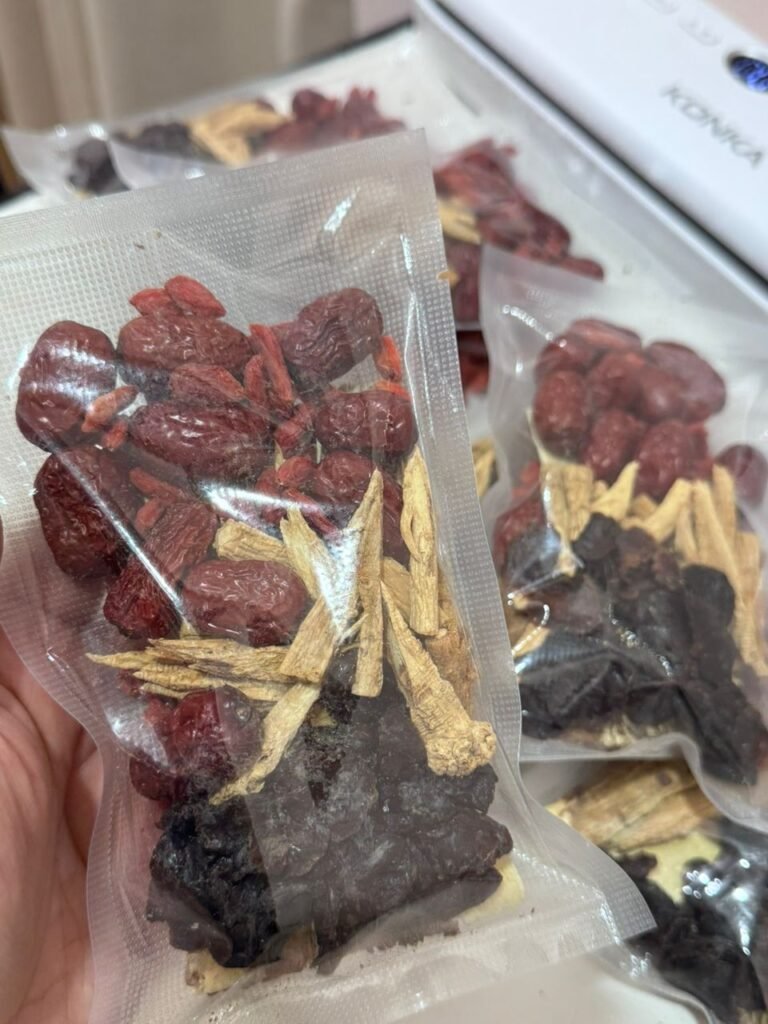
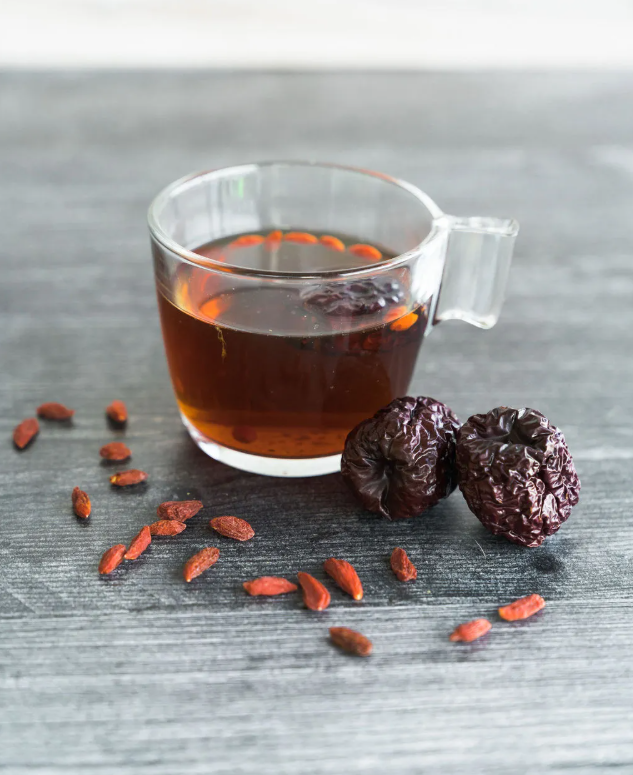
Blood and Qi replenishment: using Dang Shen (Codonopsis), Hong Zao (Red Dates), and Gou Qi Zi (Goji Berries)
Digestive recovery: Huang Qi to strengthen the Spleen and aid absorption
Mood balance and sleep support: Long Yan Rou (Longan) to soothe the mind and nourish the Heart
- Physical Strengthening: Du Zhong to strengthen Kidney and lower back
Each sachet is pre-portioned for convenience and safety.
Simply steep in warm water and enjoy throughout the day.
Our TCM confinement tea is caffeine-free, gentle for breastfeeding mothers, and an excellent companion for your daily postpartum nourishment.
This will be purchased separately from Personalised Confinement Herbal Package.
TCM Confinement Herbal Bath
In Traditional Chinese Medicine, postpartum women are considered vulnerable to cold invasion. A TCM confinement herbal bath helps expel cold, improve blood circulation, and relieve muscle tension.
At EMW TCM Singapore, our herbal bath formula is carefully balanced to restore warmth while being safe and soothing for new mothers.
Key Benefits of Our TCM Confinement Herbal Bath:
- Promotes blood flow and helps discharge residual lochia
- Warms the body to prevent postpartum chills and joint pain
- Relaxes tired muscles and alleviates neck or back aches
- Gently cleanses without drying or irritating the skin
Main Herbal Ingredient:
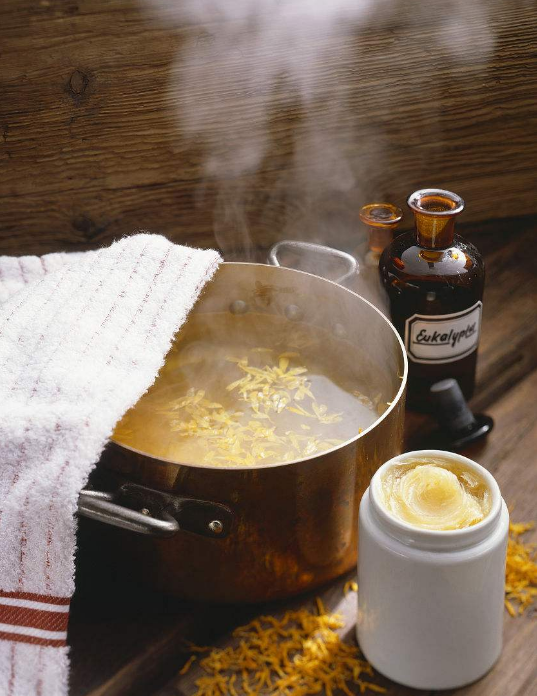
Ai Ye (Mugwort Leaf) which supports the body’s natural healing by unblocking meridians and harmonising blood circulation.
How to Use the EMW Herbal Bath:
- Boil the pre-packed herbal sachet in 2–3 litres of water for 15 minutes.
- Pour into a basin or bathtub and mix with warm water (around 40 °C).
- Soak or sponge-bathe for 10–15 minutes daily.
- Keep the body warm and dry immediately after bathing.
Our confinement bath can also be used for hand or foot soaking to relieve swelling or stiffness.
Postnatal Acupuncture for Recovery
Postnatal acupuncture helps regulate hormonal balance, promote uterine contraction, and ease muscular pain. Research published in Obstetrics & Gynecology Science (2021) showed that acupuncture can modulate oxytocin release and improve milk flow, making it useful for both physical recovery and TCM lactation support.
Our postpartum acupuncture sessions commonly target:
ST36 (Zusanli) to boost energy and digestion.
SP6 (Sanyinjiao) to harmonise the reproductive system.
LV3 (Taichong) to soothe emotions and relieve stress.
BL20 (Pishu) to strengthen Spleen Qi and prevent bloating.
Mothers often notice improved sleep, lighter body aches, and calmer emotions within several sessions.
With Our Partners During 28 Days: Confinement Soups
The 28-Day Personalised Confinement Herbs & Soup Program by Maternity Angels, developed in collaboration with EMW TCM Physicians, is a premium, evidence-informed postpartum recovery solution designed to support a mother’s healing, nourishment, and vitality after childbirth.
This personalised confinement program begins with a one-to-one consultation with an experienced EMW Physician, ensuring that your herbs and soups are tailored to your individual constitution, delivery type (natural birth or C-section), and postpartum recovery needs. Every detail is customised to support blood replenishment, uterine recovery, digestion, and long-term maternal wellbeing.
Each mother receives a fully personalised confinement soup recipe, created using premium-grade Chinese herbs traditionally used to support postpartum recovery, circulation, and lactation. The program includes 28 days of carefully prepared confinement soup, making daily nourishment simple and consistent during the critical postpartum period.
Beyond nutrition, this program is thoughtfully designed for modern families. It comes with reusable drawers for organised storage of baby essentials, as well as an environmentally friendly cotton tote bag, making it both practical and sustainable.
What’s Included:
Consultation with a certified EMW TCM Physician
Personalised 28 days of confinement soup
Premium quality Chinese herbs
Reusable drawers for baby item storage
Eco-friendly cotton tote bag
Perfect for Singapore mothers looking for confinement soups instead of confinement herbs that may not be palpable for mummies that don’t take TCM frequently.
With Our Partners During 28 Days: Confinement Meals
At Maternity Angels, the Confinement Food Menu is curated by EMW TCM physicians, dietician, and a team of professional chefs. While keeping it real within the parameters of TCM and dieticians, they transform traditional confinement ingredients into international dishes that focus on recovery, lactation and all-round wellness.
Our confinement meal includes a serving of desert (Lunch), appetizer (Dinner), meat, vegetable, double-boiled soup, staple and Red Dates Tea.
Most soups provided with their meals are double boiled. The Double boiling technique is a slow and gentle process which better extract the flavour, essence and nutrients of the ingredients and offers maximum benefit to post-partum mummy for their recovery.
Their dishes are lactation friendly, with ingredients like green papaya, salmon, spinach and broccoli.
With Our Partners During 28 Days: Confinement Care
At Confinement Angels, they believe that the journey of motherhood is a precious time that deserves to be supported with the utmost care and professionalism.
With over 10 years of experience providing expert confinement nanny services, they have built a strong reputation for delivering personalised, compassionate care for both mothers and newborns.
Their team of highly trained nannies is dedicated to ensuring that you and your baby receive the best possible support during this important recovery period.
At Confinement Angels, they understand that your family deserves the very best care. This is why they invest in in-house training for all their nannies to ensure they meet their high standards. Each nanny undergoes a comprehensive training program that includes infant care, postpartum wellness practices, and best safety protocols, ensuring that they are equipped with the necessary skills and knowledge before they are assigned to assist any family.
They take professionalism very seriously at Confinement Angels. From the moment you contact them, you will experience a high level of service and care. Their nannies are not only skilled but also respectful, dedicated, and compassionate. They understand that every mother’s needs are unique, and they work hard to ensure that both mothers and babies receive the individual attention and care they deserve.
Confinement Angels isn’t just a confinement nanny agency. They offer a one-stop solution for all your postpartum needs. Along with expert confinement nanny services, they also provide a comprehensive range of additional services to make your experience even more convenient and supportive.
Emotional Healing and the Liver System
Postpartum mood changes are not just hormonal; they also involve the Liver system in TCM. The Liver governs the smooth flow of Qi and emotions. When overburdened by stress or sleep deprivation, Liver Qi stagnation may lead to irritability, sadness, or anxiety.
Acupuncture combined with herbs like Chai Hu (Bupleurum) and Xiang Fu (Cyperus) helps soothe the Liver and promote emotional equilibrium. A 2022 meta-analysis in Frontiers in Psychiatry found that TCM integrative therapy reduced symptoms of postpartum depression more effectively than standard care alone.
At EMW TCM Singapore, our physicians often pair TCM postpartum care with mindfulness and breathing exercises that restore emotional calm alongside physical strength.
Diet Therapy: The Foundation of Postpartum TCM Singapore
In TCM, food therapy is the first medicine. The Spleen and Stomach must be supported with easily digestible, warm meals. The modern postpartum diet should avoid icy drinks, cold fruits, and raw salads, which can trap Cold and hinder digestion.
Recommended foods include:
Soups and broths made with chicken, fish, or pork bones.
Congee with goji berries, red dates, and ginger to replenish Blood and warm the body.
Steamed or stir-fried vegetables such as spinach and Chinese kale for iron and fibre.
Black sesame, walnuts, and lotus seeds to nourish Kidney essence.
Research in Nutrition & Health (2020) confirmed that protein-rich, iron-dense diets accelerate postpartum recovery, supporting the same concept long recognised in TCM.
Neglecting proper postpartum recovery can lead to lingering conditions such as menstrual pain, chronic fatigue, thyroid imbalance, or fertility difficulties in subsequent pregnancies. TCM physicians often call this “Postpartum Internal Injury”, where Cold and Blood stasis remain unresolved.
Regular postnatal acupuncture, warm herbal baths, and proper diet for at least 30 to 40 days help seal the body’s energy, ensuring long-term vitality. EMW TCM’s Postpartum Programme integrates these methods with modern clinical monitoring for safe, evidence-based results.
Integrating East and West for Modern Mothers
In Singapore, confinement practices now range from traditional home-based care to modern confinement centres. While approaches differ, mothers can still follow key TCM confinement principles: adequate warmth, nutrient-rich meals, emotional rest, and gradual return to activity.
At EMW TCM, our postpartum TCM Singapore consultations bridge tradition with modern practicality. We tailor herbal formulas that are compatible with breastfeeding and provide dietary advice suited for Singapore’s humid climate, where overheating can easily occur if old recipes are followed without modification.
TCM postpartum care complements Western medical check-ups by addressing areas conventional care may overlook: energy, sleep, mood, and long-term resilience. Our approach works alongside gynaecologists and lactation consultants to create an integrated plan for both mother and baby.
We believe healing should be gentle, evidence-based, and personal. Each treatment begins with pulse and tongue diagnosis to identify whether Qi, Blood, Yin, or Yang are out of balance. The plan then combines:
Chinese herbs for postpartum recovery
Postnatal acupuncture to harmonise hormones
TCM lactation support when needed
Emotional and dietary coaching
When to Start TCM Confinement Singapore
Ideally, TCM care begins within the first week after delivery, once bleeding stabilises. However, it is never too late to benefit. Many mothers start months later to address fatigue, hair loss, or low mood and still experience significant improvement.
Each session is gentle and supportive, allowing mothers to relax while their bodies rebuild Qi and Blood.
If you are a new mother or planning for postpartum confinement in Singapore, remember that your recovery shapes your long-term wellbeing. Proper care today helps prevent chronic conditions tomorrow.
- Book a TCM postpartum consultation at the links below to receive a personalised recovery plan and customised confinement herbs.
- Schedule pre and post natal lactation consultation and treatment to prevent issues like low milk supply, engorgement and mastitis.
- Schedule postnatal acupressure for energy, mood, and lactation support.
Let your motherhood journey begin with balance, warmth, and care.
EMW TCM Singapore, blending tradition with science for modern mothers.
TCM Confinement 101

TCM Lactation
We do pre-delivery lactation consultation at week 37-39 which includes a detailed breast examination, 1-to-1 personalised guidance on latching, positioning techniques and discussion of common concerns, and a post-delivery lactation consultation to addresses major lactation concerns like low milk supply, engorgement, poor letdown, nipple pain/bruising with the help of TCM acupressure together with other treatments.
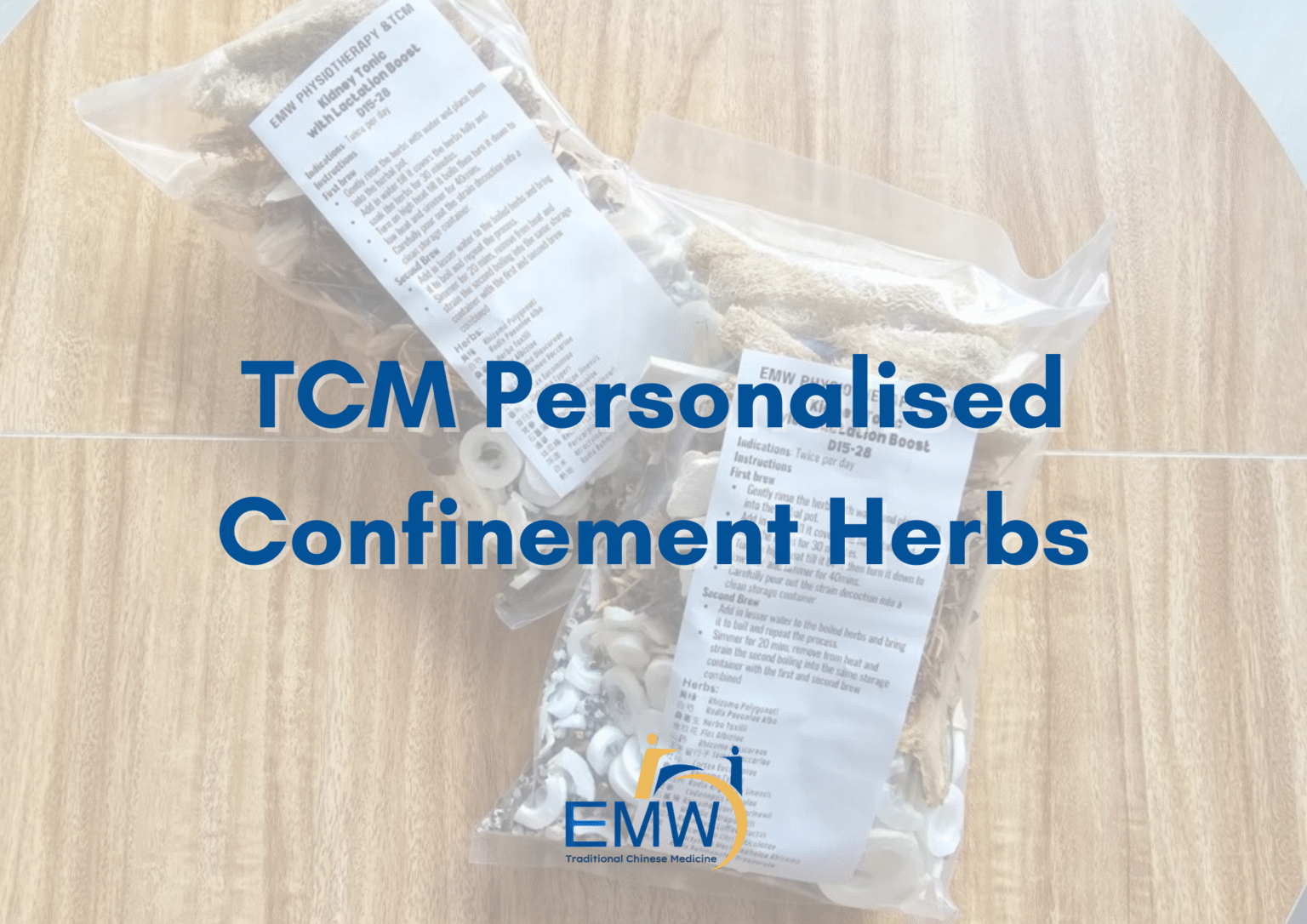
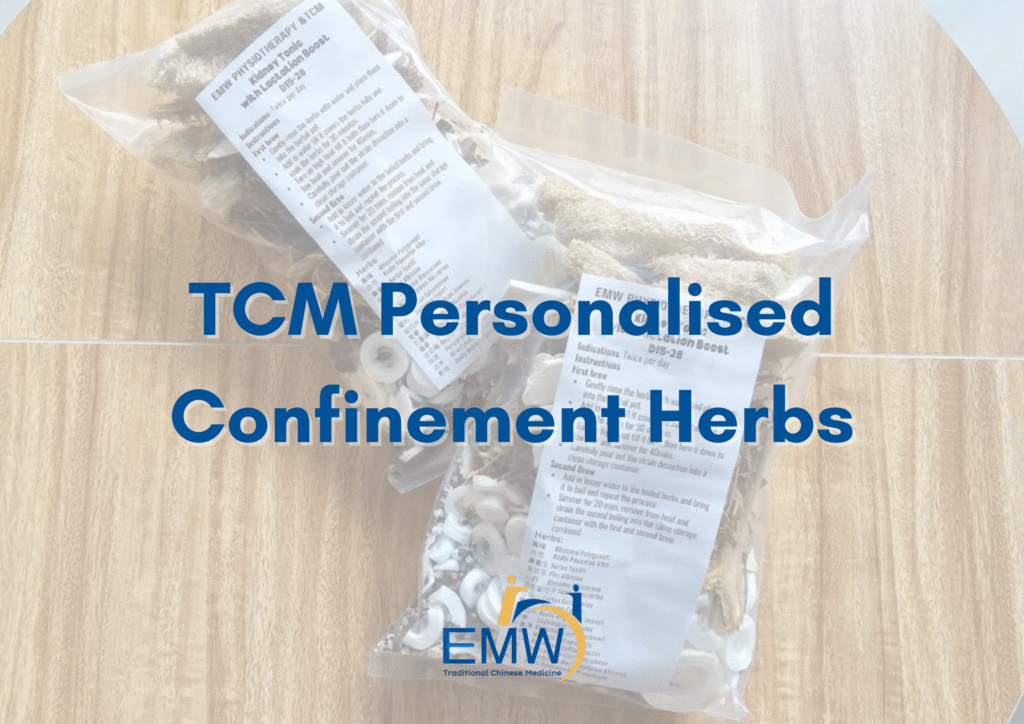
TCM Confinement Herbs
EMW Personalised Confinement Herbal Package is designed to be brewed into a decoction and to be drank separately outside of meals. Therefore, while confinement herbal soups are catered more towards general body constitution while our Herbal Package herbs are more catered to individual body types hence being more potent as a result.
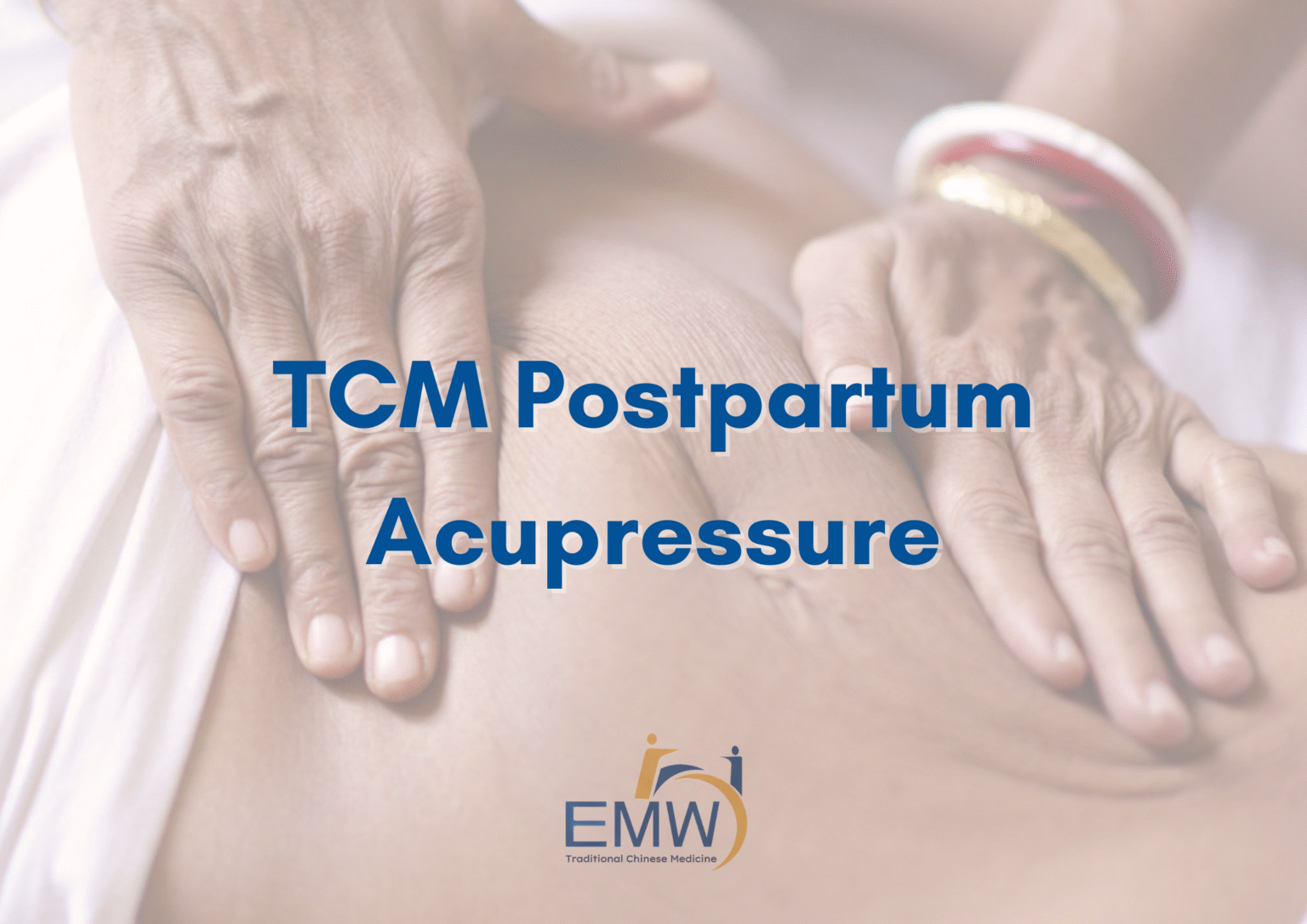
TCM Postartum Acupressure
A 2018 study published in The Journal of Maternal Health found that postpartum massage enhances oxytocin release, which helps with uterine contractions, reduces swelling, and supports emotional well-being. Our specialized EMW TCM postnatal massage Singapore program integrates these evidence-based benefits to ensure a smoother recovery journey for new mothers.
How TCM Supports Postpartum Recovery
At EMW TCM Singapore, we see postpartum care not only as physical healing but also as emotional restoration. Our physicians integrate TCM acupressure, moxibustion acupuncture, and herbal medicine in TCM Confinement Singapore care to help mothers regain balance, replenish energy, and prevent long-term health issues.
EMW TCM Clinics
Scotts Medical Centre Branch
9 Scotts Road #10-04, Scotts Medical Centre @ Pacific Plaza,
Singapore 228210
Book Your Appointment With Us Here: +65 89585869
International Building Branch
360 Orchard Road, International Building #02-05/06
Singapore 238869
Book Your Appointment With Us Here: +65 89585869
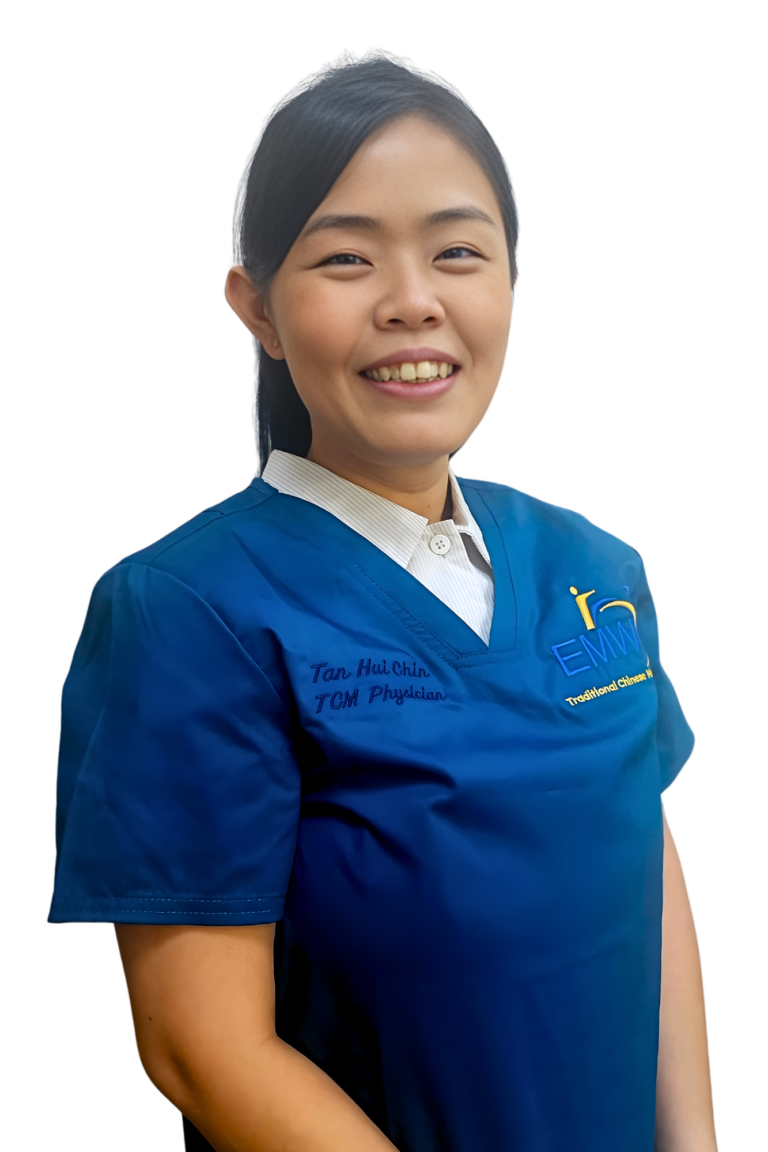
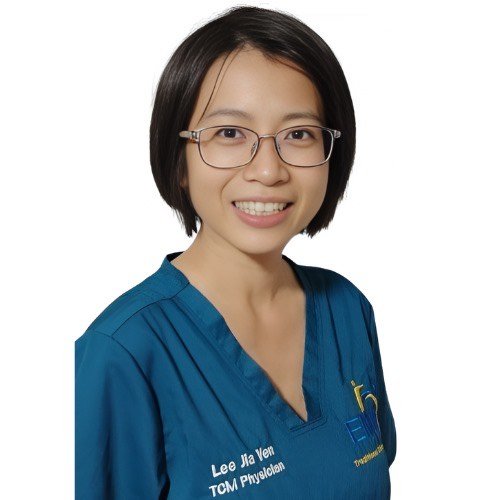
Our Physicians
Principal TCM Physician
- M.Med(TCM Gynaecology)
- B.Sc(Hons) Biomedical Sciences
- Dip. Naturopath
- Ayurvedic Therapist(500hrs)
- Registered TCM Physician (Singapore MOH)
Senior TCM Physician
- M.Med(TCM Acupuncture & Moxibustion)
- B.Sc(Hons) Biomedical Sciences
- Certified Aromatherapist
- Registered TCM Physician (Singapore MOH)
TCM Physician
- M.Med(TCM Gynaecology)
- B.Sc(Hons) Biomedical Sciences
- Registered TCM Physician (Singapore MOH)
TCM Physician
- M.Med(TCM Acupuncture & Moxibustion)
- B.Sc(Hons) Biomedical Sciences
- Registered TCM Physician (Singapore MOH)
TCM Physician
- B.Med(TCM)
- B.Sc(Hons) Biomedical Sciences
- International Board-Certified Lactation Consultant (IBCLC)
- Registered TCM Physician (Singapore MOH)