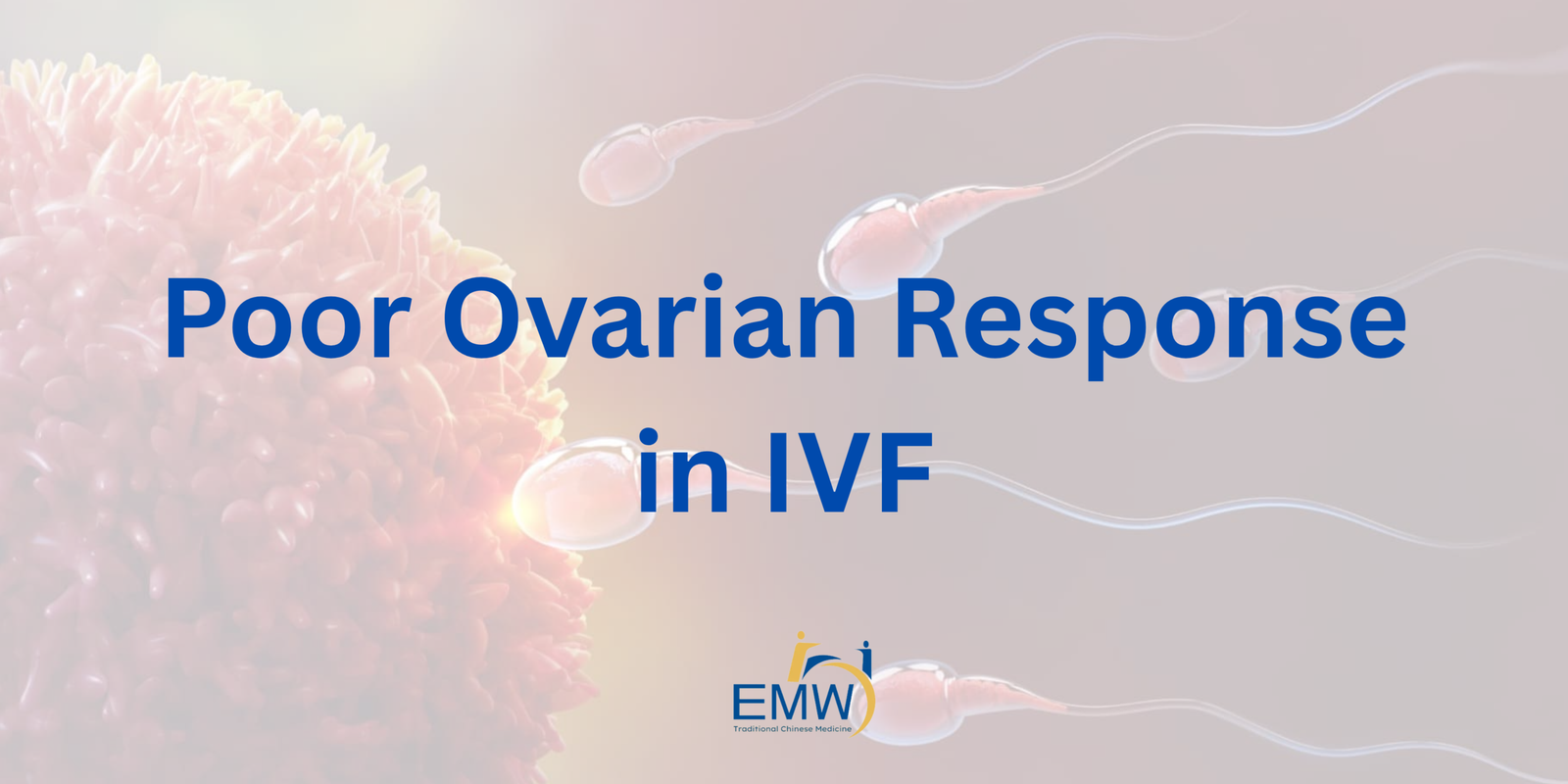
Poor Ovarian Response in IVF: 7 Critical Facts to Know Before Your Next Cycle

Poor Ovarian Response in IVF: 7 Critical Facts to Know Before Your Next Cycle

Poor Ovarian Response in IVF: 7 Critical Facts to Know Before Your Next Cycle

Going through ovarian stimulation only to find that fewer follicles are developing than expected can be discouraging. Poor ovarian response in IVF generally describes a lower-than-expected response to fertility medications, resulting in relatively few growing follicles or eggs retrieved. Importantly, a low response does not automatically mean poor egg quality or that pregnancy is impossible.

Quick answer

Poor ovarian response in IVF means the ovaries produce fewer developing follicles or eggs than expected during ovarian stimulation. Ovarian reserve, previous response, age, ovarian surgery, endometriosis and individual biological variation may all be relevant. Your fertility specialist will usually review your AMH, antral follicle count, previous stimulation response and treatment protocol before deciding the next step.

The updated 2025 European Society of Human Reproduction and Embryology guideline recommends AMH or antral follicle count (AFC) for predicting whether someone is likely to have a low or high ovarian response to stimulation. Importantly, these tests predict ovarian response rather than whether an individual will ultimately have a baby.

tcm natural fertility
At EMW TCM, we believe fertility is not just about reproduction, it’s about the health of your whole body. Our experienced physicians work with you closely, teaching you how to understand your body’s signals and co-create a plan that aligns with your unique constitution. Every session is designed to bring you closer to balance, vitality, and the possibility of new life.

1. Poor ovarian response is not exactly the same as low AMH

AMH is frequently discussed before IVF because it gives doctors useful information about the pool of follicles that may be available to respond to stimulation.

However:

low AMH ≠ no eggs

low AMH ≠ poor egg quality

low AMH ≠ zero chance of pregnancy

AMH is primarily an ovarian reserve marker.

ESHRE’s 2025 guideline specifically recommends AMH or AFC for predicting low and high responses to stimulation. It does not recommend AMH as a predictor of pregnancy or live birth.

This distinction matters enormously when discussing poor ovarian response in IVF. A patient may produce fewer eggs, yet one of those eggs may still form a viable embryo.

2. Why did only a few follicles grow despite a high dose of injections?

This is one of the most common questions after a disappointing stimulation cycle.

A higher medication dose does not necessarily make an unlimited number of follicles appear. IVF medications mainly stimulate follicles that are biologically available to respond during that cycle.

Factors potentially associated with a lower response include ovarian reserve, previous ovarian surgery, endometriosis involving the ovaries, prior chemotherapy or radiotherapy, removal of one ovary and individual differences between cycles.

Previous response to ovarian stimulation is therefore extremely useful information for your fertility specialist.

Sometimes the first IVF cycle also functions as a real-world assessment of how your ovaries respond.

3. Does poor ovarian response mean poor egg quality?

Not necessarily.

Egg quantity and egg quality are related concepts, but they are not identical.

Ovarian reserve describes mainly the number of remaining eggs and the expected ovarian response.

Egg quality is more closely associated with an egg’s ability to complete maturation, fertilise normally and support embryo development. Maternal age becomes particularly important here.

A person may retrieve relatively few eggs but still obtain mature eggs and embryos.

Conversely, someone with a high egg yield may still experience problems with maturity, fertilisation or embryo development.

This is why reviewing an IVF cycle should not stop at:

“How many eggs did I retrieve?”

It should examine the entire sequence:

follicles → eggs retrieved → mature MII eggs → fertilisation → Day 3 embryos → blastocysts → embryo quality/genetic status where applicable.

4. What should be reviewed after a poor-response IVF cycle?

After poor ovarian response in IVF, the next consultation is an opportunity to analyse what actually happened rather than simply repeating the same protocol.

Useful questions include:

How many follicles were seen before stimulation?

Compare this with the final number recruited.

What was the starting AFC?

What was the AMH?

How many follicles reached an appropriate size?

How many oocytes were retrieved?

How many were mature?

Was the response similar on both ovaries?

Was there previous ovarian surgery or an endometrioma?

How did you respond during previous IVF cycles?

Your fertility specialist can then decide whether changes to medication type, dose, stimulation protocol or timing should be considered.

There is no single “best IVF protocol” for every patient with a lower response.

5. Can lifestyle or supplements make the ovaries produce more eggs?

This needs a careful answer.

There is currently no diet, supplement, acupuncture protocol or herbal medicine that has been proven to restore the ovarian reserve or manufacture a new supply of eggs.

Be especially cautious of claims that something can “increase AMH dramatically”, “reverse ovarian ageing” or guarantee more eggs.

That does not mean health before IVF is irrelevant.

Preparing for treatment may still reasonably include addressing smoking, alcohol intake, sleep, nutrition, metabolic health, underlying medical conditions and significant deficiencies after discussing these with your healthcare team.

But these should be viewed as optimising overall health around fertility treatment, not as a promise that ovarian reserve can be reversed.

6. Where can TCM and acupuncture fit?

For patients experiencing poor ovarian response in IVF, TCM should be positioned as complementary care rather than a replacement for reproductive medicine.

At EMW TCM, fertility care may include an individual TCM assessment, acupuncture and, where appropriate, Chinese herbal medicine after reviewing the patient’s fertility history and current IVF timeline.

The goals should be realistic.

We do not claim that acupuncture creates new eggs, reverses diminished ovarian reserve or guarantees additional follicles.

Instead, some patients choose complementary TCM care while preparing for IVF to support their broader health, menstrual wellbeing, sleep and stress regulation alongside their fertility specialist’s medical treatment.

Patients undergoing IVF should always tell both their fertility doctor and TCM physician about medications and supplements they are using.

7. When should you discuss poor ovarian response with your fertility specialist?

You don’t necessarily need to wait until several unsuccessful cycles.

A detailed discussion may be particularly useful if:

your first stimulation produced substantially fewer follicles than expected, your AMH or AFC suggests diminished ovarian reserve, you have had ovarian surgery, you have endometriosis involving the ovaries, one ovary is absent or significantly smaller, you previously received chemotherapy/radiotherapy, or repeated IVF cycles show a similar low response.

ASRM also highlights factors such as chemotherapy, radiation and other conditions associated with diminished ovarian reserve as reasons fertility evaluation may need to begin without delay.
4 1
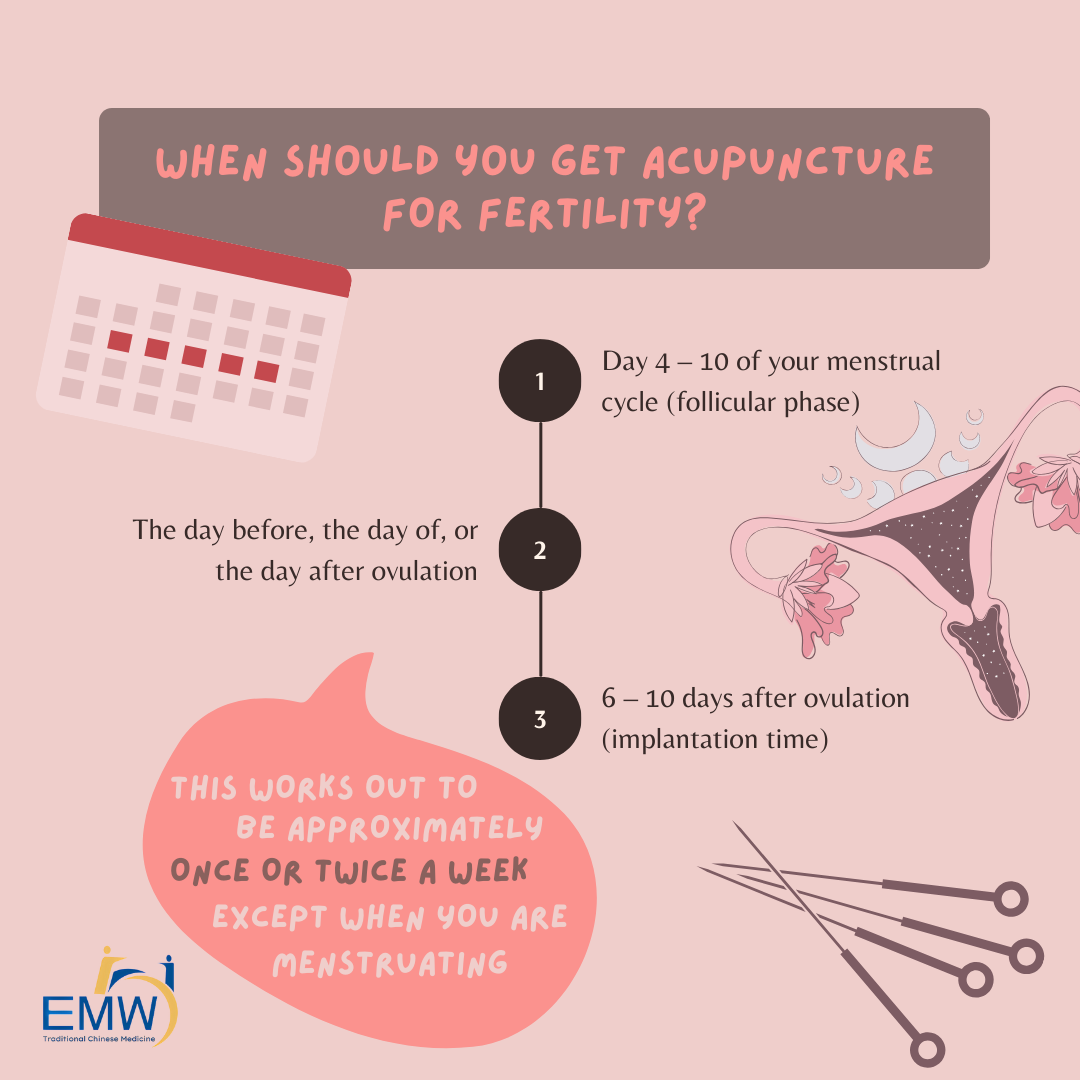
In an ideal world, we would like to begin seeing you 3 – 6 months prior to conception/transfer so that we can help with egg quality, work on any cycle or lining irregularities, address any nutritional concerns, and help reduce stress. If you are going through IVF or FET, we are also working to prepare you for your transfer.
15
TCM for recurrent miscarriage

Frequently Asked Questions

Can you still get pregnant with poor ovarian response in IVF?

Yes. Poor ovarian response in IVF means fewer eggs are obtained than expected; it does not mean that none of the eggs can fertilise or form a viable embryo. Prognosis depends on several factors, particularly age, egg and embryo development, sperm factors and the individual fertility diagnosis.

Is three eggs retrieved considered a poor response?

It may be considered a low response in some situations, but the number needs to be interpreted alongside your starting AFC, age, AMH, stimulation protocol and expected response.

Should I increase my IVF medication dose next time?

Not automatically. Medication adjustments should be decided by your fertility specialist after reviewing your previous stimulation response.

Can acupuncture increase AMH?

Current evidence does not establish acupuncture as a treatment that reliably increases ovarian reserve. AMH should not be presented as something acupuncture can predictably restore.

Fertility Womens Health 6
Each herbal formula is meticulously crafted based on your individual constitution, ensuring maximum efficacy and safety. Our expertise spans a wide range of conditions, including fertility, male fertility, gut health, pediatrics, confinement and postpartum care, and lactation support.

Key takeaway

A poor ovarian response in IVF can be disappointing, but the egg count is only one part of the IVF story. Understanding the starting ovarian reserve, follicular response, egg maturity, fertilisation and embryo development gives a much clearer picture of what may need attention before your next cycle.

For patients considering complementary fertility support, EMW TCM works alongside, not in place of, your fertility specialist and IVF treatment.

Lifestyle Nutrition For IVF 5
What the modern science and TCM talks about IVF

How EMW TCM Help Your Fertility

From a biomedical perspective, acupuncture for fertility improves ovarian and uterine blood flow, regulates the hypothalamic-pituitary-ovarian axis, lowers cortisol, reduces inflammation, and supports hormonal balance. These effects complement TCM principles and help enhance egg development, implantation, and reproductive function.

1. Comprehensive Assessment

Your first consultation includes:

  • Cycle assessment

  • Digestion and hormonal review

  • Energy and stress evaluation

  • Sleep and lifestyle factors

  • Male fertility screening when relevant

2. Evidence-Based TCM Diagnosis

  • Qi stagnation

  • Blood deficiency

  • Spleen Qi weakness

  • Kidney Yin/Yang imbalance

  • Liver Qi constraint

  • Dampness and inflammation

3. Personalised Fertility Treatment Plan

  • Weekly fertility acupuncture

  • Customised herbal formulas

  • Moxibustion

  • Dietary therapy

  • Stress reduction strategies

  • Lifestyle recommendations

TCM Acupuncture for Fertility Treatments

Acupuncture, one of the most researched TCM fertility tools, has been found to influence several physiological pathways related to reproduction.

A review published in Fertility and Sterility (2019) reported that acupuncture may improve blood flow to the uterus and ovaries, modulate stress hormones, and enhance endometrial receptivity. Another meta-analysis in Integrative Medicine Research (2021) concluded that acupuncture used alongside conventional fertility treatment can improve pregnancy outcomes and reduce anxiety levels in women undergoing IVF.

From a clinical standpoint, acupuncture helps regulate the hypothalamic-pituitary-ovarian axis, improving hormone balance and menstrual regularity. It can also reduce cortisol levels, encouraging the parasympathetic or “rest-and-rebuild” state which supports implantation and early pregnancy.

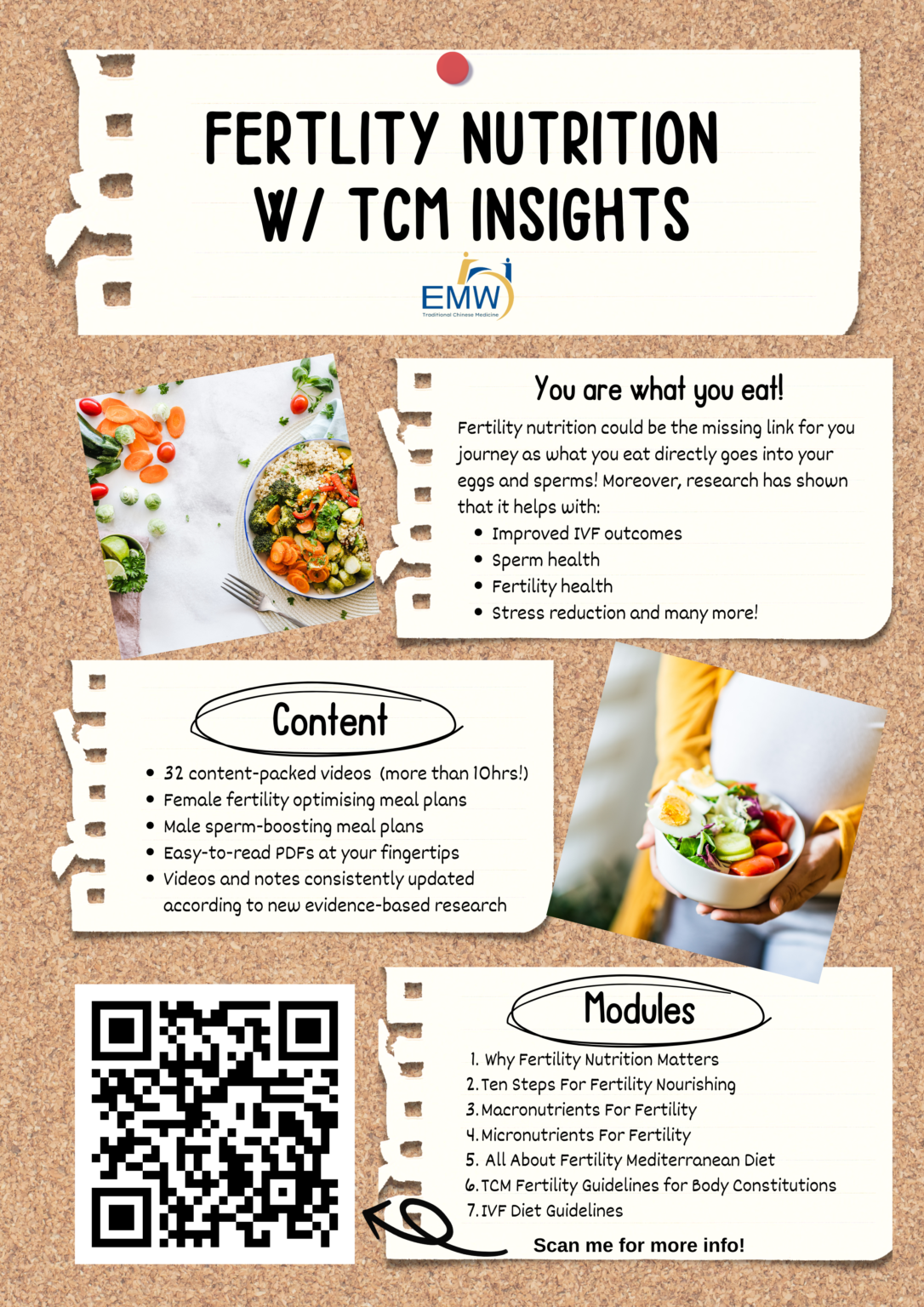
Our Flagship Ebook & Video Course

Fertility Guide 1
This comprehensive eBook gives you the clarity, confidence, and gentle structure you need to stop second-guessing and finally move forward. Instead of wasting precious months on trial and error, you will learn how to create the best internal environment for conception, naturally or alongside treatments like IUI and IVF.
newsletter subscribe
You understand the significance of nutrition and lifestyle, showcasing a conscientious approach. (You’re definitely on the right track!) Embarking on the Fertility Nutrition With TCM Insights course opens up a world of simple yet transformative actions that can reshape your journey, starting from the moment you decide to join.

When to Seek Professional TCM Fertility Help

Fertility is not just a matter of age or hormones. It is a reflection of the body’s internal harmony. Traditional Chinese Medicine provides an integrative and natural way to restore this balance, supporting both physical and emotional readiness for conception.

At EMW TCM Singapore, our team of experienced physicians brings together centuries-old wisdom and modern evidence to guide your fertility journey. Whether you are trying naturally or preparing for IVF, we are here to help you create the best internal environment for new life to begin.

If you have been trying to conceive for more than six to twelve months, experience irregular menses, painful periods, or have been diagnosed with PCOS, endometriosis, or low sperm count, consider a consultation. Professional TCM fertility care aims to correct the underlying imbalance rather than simply forcing ovulation or hormone production.

Check out our links below to book your fertility consultation and begin your holistic journey toward conception.

EMW TCM Clinics

International Building Branch

360 Orchard Road, International Building #02-05/06
Singapore 238869
Book Your Appointment With Us Here: +65 89585869

Our Physicians

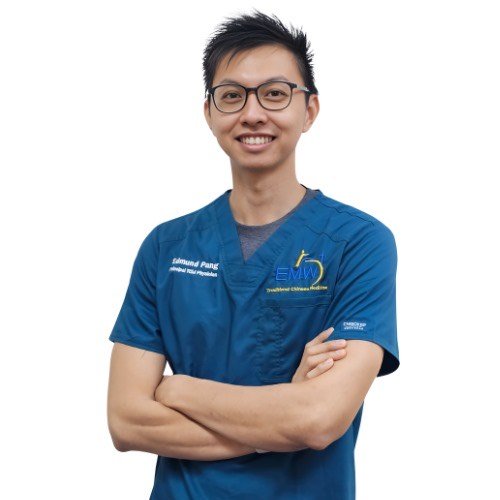
Principal TCM Physician

  • M.Med(TCM Gynaecology)
  • B.Sc(Hons) Biomedical Sciences
  • Dip. Naturopath
  • Ayurvedic Therapist(500hrs)
  • Registered TCM Physician (Singapore MOH)

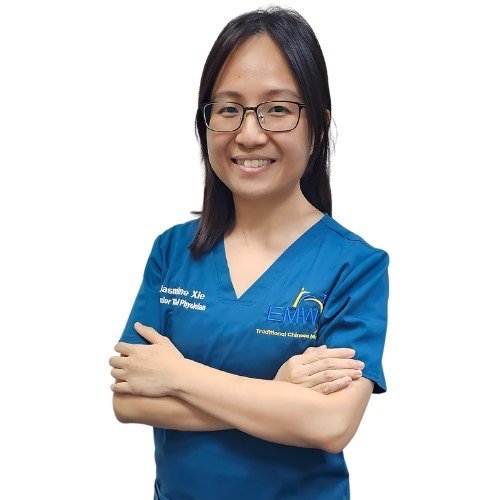
Senior TCM Physician

  • M.Med(TCM Acupuncture & Moxibustion)
  • B.Sc(Hons) Biomedical Sciences
  • Certified Aromatherapist
  • Registered TCM Physician (Singapore MOH)

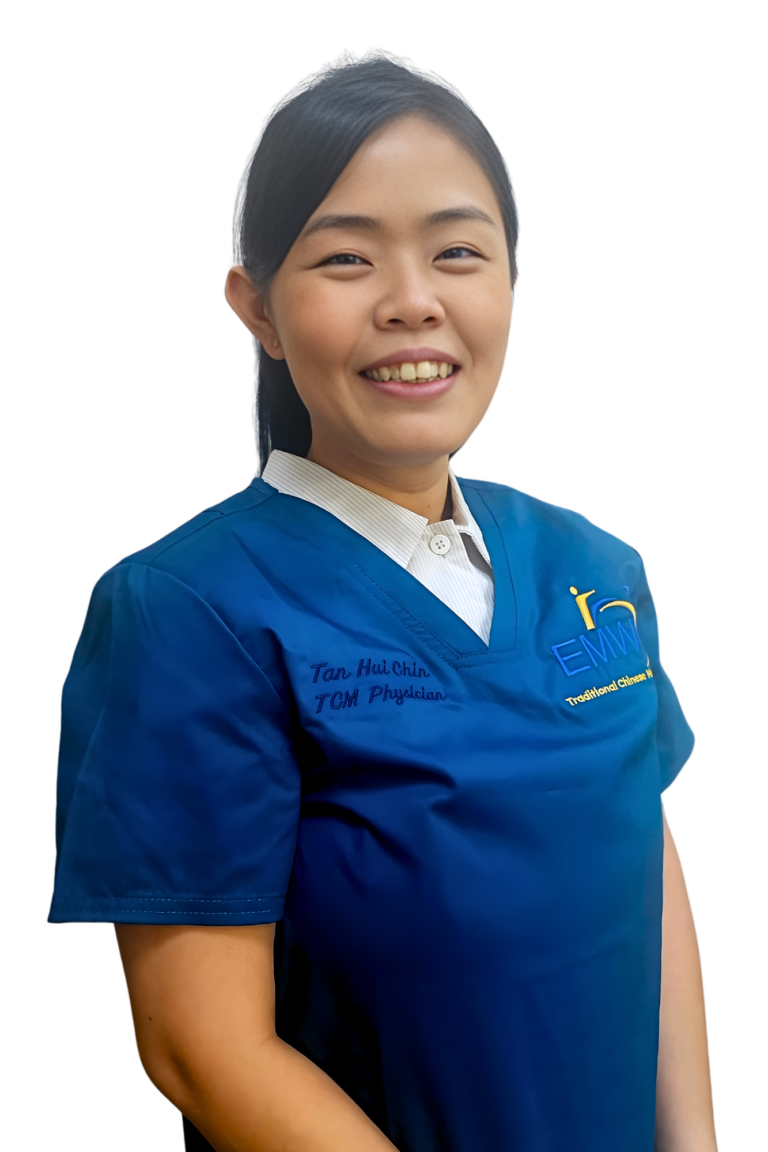
TCM Physician

  • M.Med(TCM Gynaecology)
  • B.Sc(Hons) Biomedical Sciences
  • Registered TCM Physician (Singapore MOH)

TCM Physician

  • M.Med(TCM Acupuncture & Moxibustion)
  • B.Sc(Hons) Biomedical Sciences
  • Registered TCM Physician (Singapore MOH)

TCM Physician

  • B.Med(TCM)
  • B.Sc(Hons) Biomedical Sciences
  • International Board-Certified Lactation Consultant (IBCLC)
  • Registered TCM Physician (Singapore MOH)

References

  1. Chao JC et al. Antioxidant effects of Lycium barbarum polysaccharides. J Sci Food Agric. 2006. DOI: 10.1002/jsfa.2362
  2. Stener-Victorin E et al. Reduction of uterine artery blood flow impedance. Hum Reprod. 1996. DOI: 10.1093/oxfordjournals.humrep.a019187
  3. May-Panloup P et al. Mitochondrial biogenesis and oocyte quality. Hum Reprod Update. 2016. DOI: 10.1093/humupd/dmw006
  4. Stener-Victorin E & Wu X. Acupuncture effects on the reproductive system. Auton Neurosci. 2010. DOI: 10.1016/j.autneu.2009.12.001
  5. Tamura H et al. Melatonin and female reproduction. J Obstet Gynaecol Res. 2014. DOI: 10.1111/jog.12317

Comments

No comments yet. Why don’t you start the discussion?

Leave a Reply

Your email address will not be published. Required fields are marked *