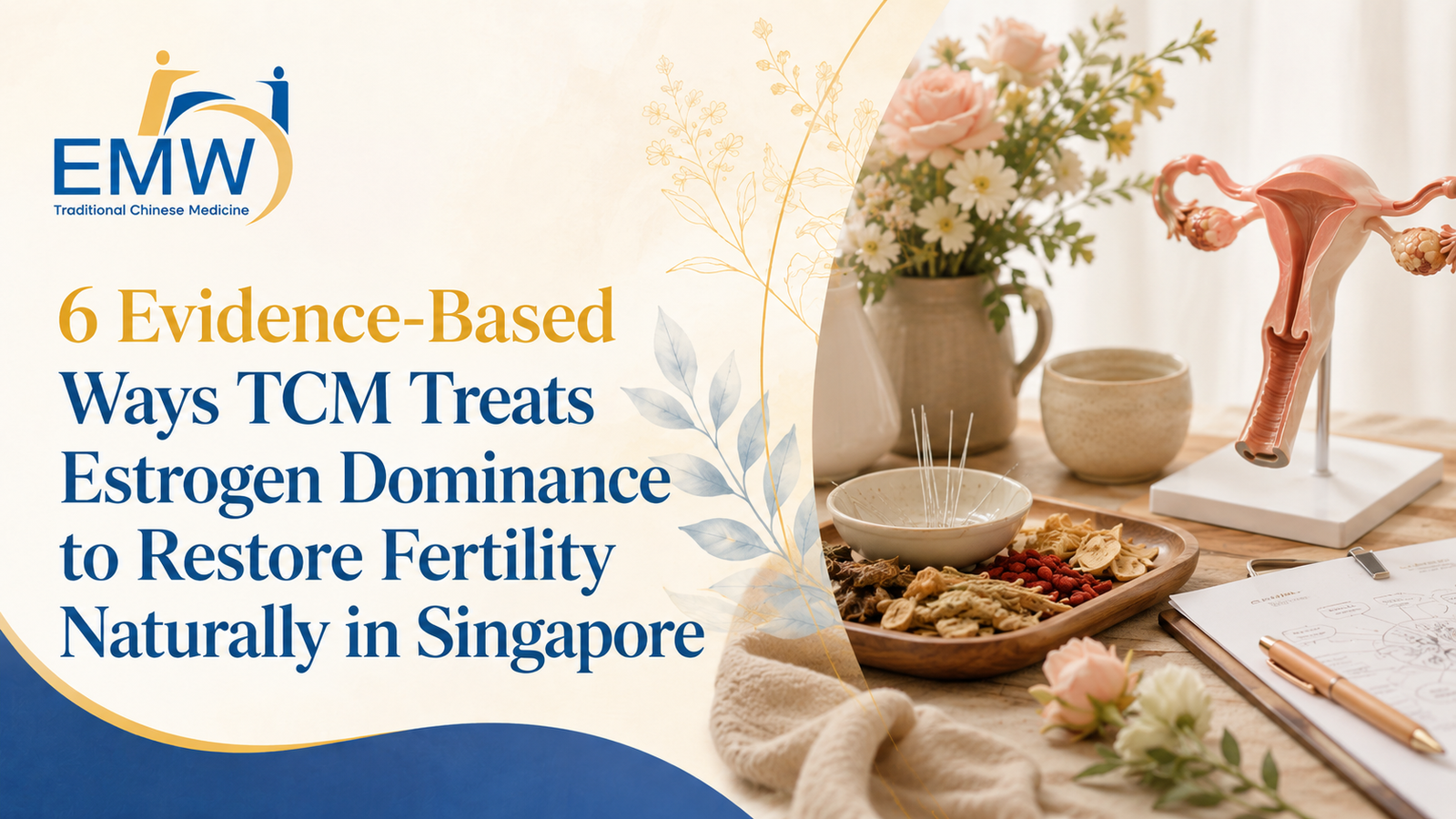
6 Evidence-Based Ways TCM Corrects Estrogen Dominance to Restore Fertility Naturally in Singapore
Estrogen dominance is one of the most prevalent yet underdiagnosed hormonal patterns affecting women’s fertility in Singapore.
It does not simply mean high oestrogen.
It means estrogen that is disproportionately high relative to progesterone, whether because estrogen is elevated, progesterone is insufficient, or hepatic and gut clearance of estrogen is impaired.
The consequences for fertility are significant:
- Fibroid and endometrioma growth
- Impaired implantation through endometrial instability
- Suppressed ovulation in severe cases
- Increased miscarriage risk
- Adenomyosis progression
Many women with oestrogen dominance are told their hormones are normal on a basic panel.
Standard blood tests measure total oestrogen. They do not assess oestrogen metabolism, clearance rates, or the oestrogen-to-progesterone ratio across the cycle.
At EMW TCM, we look deeper.
We assess menstrual patterns, gut function, liver health, stress physiology, and dietary habits to identify the drivers of oestrogen excess and address them systematically.
What Causes Estrogen Dominance?
The four primary drivers of estrogen dominance in clinical practice are:
- Impaired hepatic oestrogen metabolism
- Gut dysbiosis increasing oestrogen recirculation
- Chronic inflammation stimulating aromatase activity
- Progesterone deficiency (relative dominance even with normal oestrogen levels)
Environmental estrogen exposure (xenoestrogens from plastics, pesticides, personal care products) adds further burden in the modern Singapore lifestyle.
6 Evidence-Based Ways TCM Corrects Estrogen Dominance
1. Supporting Hepatic Estrogen Clearance
The liver is the primary site of estrogen metabolism.
Phase 1 liver metabolism converts oestradiol into oestrone.
Phase 2 conjugates these metabolites for elimination via bile and stool.
When liver function is impaired, estrogen recirculates rather than being eliminated.
In TCM, this maps precisely to Liver Qi Stagnation, which is the most common pattern seen in oestrogen dominance.
Key Liver-regulating herbs in TCM include:
- Chai Hu (Bupleurum chinense): the principal herb for Liver Qi regulation
- Bai Shao (Paeonia lactiflora): nourishes Liver Blood while softening Liver Qi
- Yu Jin (Curcuma aromatica): moves Qi and Blood, supports hepatic circulation
Dietary support includes cruciferous vegetables (broccoli, cauliflower, kale) which provide diindolylmethane (DIM), a compound that supports the 2-OH oestrogen metabolic pathway.
Reference: Bradlow HL et al. Indole-3-carbinol and DIM as hormone modulators. Ann N Y Acad Sci. 1999. DOI: 10.1111/j.1749-6632.1999.tb08104.x
2. Restoring Gut Health to Reduce Estrogen Recirculation
The estrobolome, a collection of gut bacteria that metabolise oestrogen, is now well-established in the biomedical literature.
Dysbiosis increases the activity of beta-glucuronidase, an enzyme that deconjugates oestrogen metabolites in the gut, allowing them to be reabsorbed rather than excreted.
Women with constipation, IBS, or dysbiosis effectively have a broken estrogen excretion pathway.
TCM addresses this through:
- Spleen Qi strengthening to improve gut motility and microbiome health
- Damp-clearing herbs to reduce dysbiotic overgrowth
- Dietary plant diversity to feed beneficial bacteria
We consistently see that when bowel regularity improves, estrogen-driven symptoms such as breast tenderness and heavy periods reduce significantly.
Reference: Plottel CS & Blaser MJ. Microbiome and oestrogen metabolism. J Clin Endocrinol Metab. 2011. DOI: 10.1210/jc.2011-0373
3. Reducing Inflammatory Aromatase Activity
Aromatase is the enzyme responsible for converting androgens into estrogens in peripheral tissues.
Chronic inflammation stimulates aromatase activity in fat tissue, endometriotic lesions, and fibroids.
This creates a self-reinforcing cycle: inflammation drives oestrogen excess, and excess oestrogen feeds inflammatory lesions.
In TCM, this corresponds to Damp-Heat or Blood Stasis with internal Heat.
Anti-inflammatory TCM herbs with documented aromatase-inhibiting properties in preclinical research include:
- Pu Gong Ying (Taraxacum officinale): reduces hepatic and systemic inflammation
- Huang Bai (Phellodendron amurense): clears Damp-Heat
- Chi Shao (Paeonia veitchii): cools Blood, reduces inflammatory arachidonic acid pathways
Reference: Leung R et al. Polyphenols and aromatase inhibition. Nutrients. 2019. DOI: 10.3390/nu11082034
4. Regulating the HPO Axis to Restore Progesterone Adequacy
Estrogen dominance is frequently a relative phenomenon caused by inadequate progesterone production rather than absolute estrogen excess.
Improving progesterone output requires a healthy luteal phase, which depends on optimal HPO axis signalling.
Acupuncture has been shown to modulate GnRH pulsatility and LH surge patterns, supporting the corpus luteum formation that drives progesterone production.
In our fertility protocols, pre-ovulatory acupuncture is specifically aimed at ensuring a robust LH surge and healthy corpus luteum development.
Reference: Stener-Victorin E & Wu X. Acupuncture and the neuroendocrine system. Auton Neurosci. 2010. DOI: 10.1016/j.autneu.2009.12.001
5. Resolving Liver Qi Stagnation and Blood Stasis
In TCM clinical practice, virtually every woman with oestrogen dominance presents with Liver Qi Stagnation as a core pattern.
Signs include:
- Premenstrual breast distension and tenderness
- Irritability and emotional tension before menses
- Painful periods with clotted blood
- Sighing frequently and a sense of tightness in the chest
When Liver Qi stagnates over time, Blood Stasis develops.
This explains why women with Liver patterns often go on to develop fibroids, endometriomas, and adenomyosis.
Resolving the Qi and Blood stagnation before it consolidates into structural pathology is one of the most important preventive roles of TCM in hormonal health.
6. Nutritional and Lifestyle Medicine for Estrogen Metabolism
TCM is most effective when integrated with evidence-based nutritional medicine.
At EMW TCM, we provide specific guidance on:
- Cruciferous vegetable intake for DIM pathway support
- Flaxseed (ground) for lignan-based oestrogen modulation
- Reducing alcohol, which impairs hepatic estrogen processing
- Fibre diversity for daily oestrogen elimination via stool
- Reducing endocrine-disrupting plastics in food storage and preparation
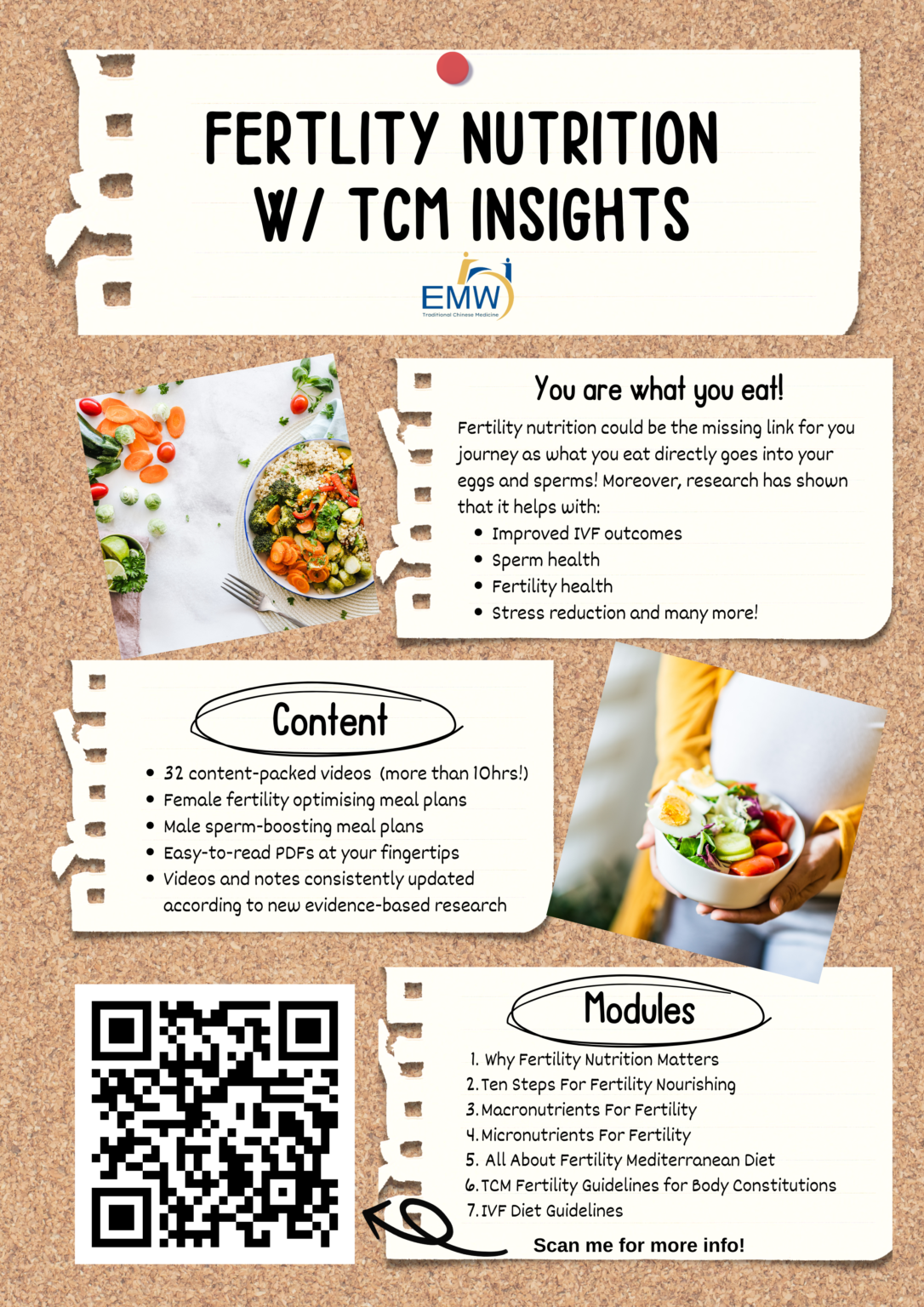
These strategies are detailed in our Fertility Nutrition with TCM Insights course and the Fertility Support Guide.
Who Should Consider TCM for Oestrogen Dominance in Singapore?
You may benefit from evaluation if you experience:
- Heavy, painful, or clotted periods
- Premenstrual breast tenderness and mood changes
- Fibroids or endometriosis diagnosis
- Recurrent implantation failure or early miscarriage
- Short luteal phase with spotting before menstruation
- Hormonal acne and oily skin in the second half of the cycle
Our Approach at EMW TCM
We do not provide generic protocols.
Each patient undergoes root-cause fertility mapping that includes:
- Cycle assessment and pain characterisation
- Tongue and pulse TCM pattern differentiation
- Biomedical review of AMH, AFC, and hormonal panels
- IVF cycle coordination when applicable
- Nutrition and inflammatory load assessment
We are conservative in the post-ovulatory and early pregnancy phases.
We do not use Blood-moving herbs once a transfer has occurred.
Patient safety drives every clinical decision we make.
If you are navigating fertility challenges in Singapore, we are here to support you with clarity, structure, and evidence-informed care.
The Role of Nutrition in TCM Fertility Singapore
Nutrition is a central pillar of fertility care.
At EMW, dietary strategies emphasise:
Whole, minimally processed foods
Adequate protein for hormone production
Anti-inflammatory plant foods
Blood-building nutrients such as iron and folate
Digestive support to enhance nutrient absorption
Unlike generic advice, recommendations are tailored to TCM patterns such as:
Blood deficiency
Dampness
Yang deficiency
Patients can also start with a practical guide here:
https://emwtcm.podia.com/3-ways-to-boost-your-fertility
When Should You Start TCM for Fertility
The earlier TCM is introduced, the more impact it can have.
Ideal timing includes:
3 months before trying to conceive
Before starting IVF
Between IVF cycles
After failed implantation
Even during active IVF cycles, properly timed acupuncture and supportive therapies can still play a meaningful role.
Conclusion
Stress is unavoidable.
Chronic dysregulation is not.
When stress cortisol and fertility are addressed through structured, integrative care, ovulatory rhythm, luteal stability and implantation environment may improve.
The goal is not to eliminate stress.
The goal is to restore resilience.
If you are navigating fertility challenges in Singapore and suspect stress may be contributing, EMW TCM offers evidence-informed, IVF-aligned support grounded in both tradition and modern science.
How EMW TCM Help Your Fertility
From a biomedical perspective, acupuncture for fertility improves ovarian and uterine blood flow, regulates the hypothalamic-pituitary-ovarian axis, lowers cortisol, reduces inflammation, and supports hormonal balance. These effects complement TCM principles and help enhance egg development, implantation, and reproductive function.
1. Comprehensive Assessment
Your first consultation includes:
Cycle assessment
Digestion and hormonal review
Energy and stress evaluation
Sleep and lifestyle factors
Male fertility screening when relevant
2. Evidence-Based TCM Diagnosis
Qi stagnation
Blood deficiency
Spleen Qi weakness
Kidney Yin/Yang imbalance
Liver Qi constraint
Dampness and inflammation
3. Personalised Fertility Treatment Plan
Weekly fertility acupuncture
Customised herbal formulas
Stress reduction strategies
Lifestyle recommendations
TCM Acupuncture for Fertility Treatments
Acupuncture, one of the most researched TCM fertility tools, has been found to influence several physiological pathways related to reproduction.
A review published in Fertility and Sterility (2019) reported that acupuncture may improve blood flow to the uterus and ovaries, modulate stress hormones, and enhance endometrial receptivity. Another meta-analysis in Integrative Medicine Research (2021) concluded that acupuncture used alongside conventional fertility treatment can improve pregnancy outcomes and reduce anxiety levels in women undergoing IVF.
From a clinical standpoint, acupuncture helps regulate the hypothalamic-pituitary-ovarian axis, improving hormone balance and menstrual regularity. It can also reduce cortisol levels, encouraging the parasympathetic or “rest-and-rebuild” state which supports implantation and early pregnancy.
Our Flagship Ebook & Video Course
When to Seek Professional TCM Fertility Help
Fertility is not just a matter of age or hormones. It is a reflection of the body’s internal harmony. Traditional Chinese Medicine provides an integrative and natural way to restore this balance, supporting both physical and emotional readiness for conception.
At EMW TCM Singapore, our team of experienced physicians brings together centuries-old wisdom and modern evidence to guide your fertility journey. Whether you are trying naturally or preparing for IVF, we are here to help you create the best internal environment for new life to begin.
If you have been trying to conceive for more than six to twelve months, experience irregular menses, painful periods, or have been diagnosed with PCOS, endometriosis, or low sperm count, consider a consultation. Professional TCM fertility care aims to correct the underlying imbalance rather than simply forcing ovulation or hormone production.
Check out our links below to book your fertility consultation and begin your holistic journey toward conception.
EMW TCM Clinics
Scotts Medical Centre Branch
9 Scotts Road #10-04, Scotts Medical Centre @ Pacific Plaza,
Singapore 228210
Book Your Appointment With Us Here: +65 89585869
International Building Branch
360 Orchard Road, International Building #02-05/06
Singapore 238869
Book Your Appointment With Us Here: +65 89585869
Our Physicians
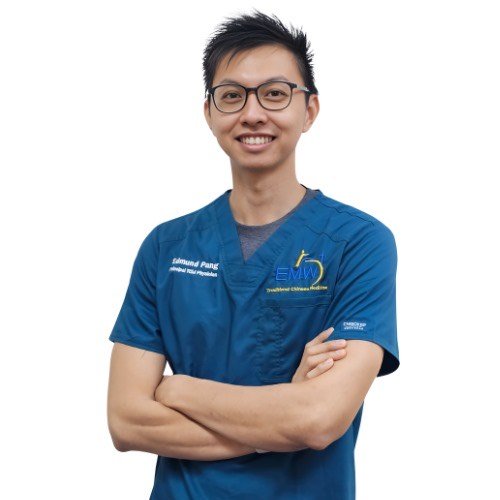
Principal TCM Physician
- M.Med(TCM Gynaecology)
- B.Sc(Hons) Biomedical Sciences
- Dip. Naturopath
- Ayurvedic Therapist(500hrs)
- Registered TCM Physician (Singapore MOH)
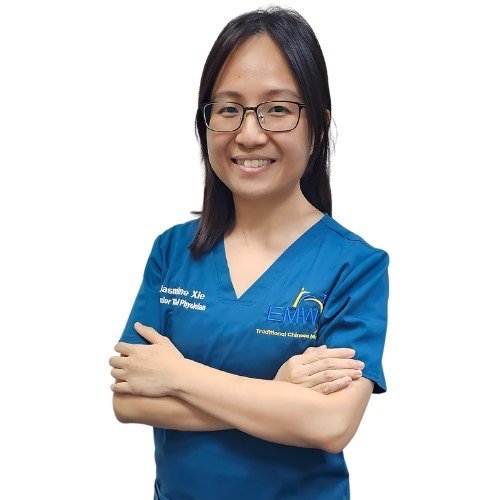
Senior TCM Physician
- M.Med(TCM Acupuncture & Moxibustion)
- B.Sc(Hons) Biomedical Sciences
- Certified Aromatherapist
- Registered TCM Physician (Singapore MOH)

TCM Physician
- M.Med(TCM Gynaecology)
- B.Sc(Hons) Biomedical Sciences
- Registered TCM Physician (Singapore MOH)
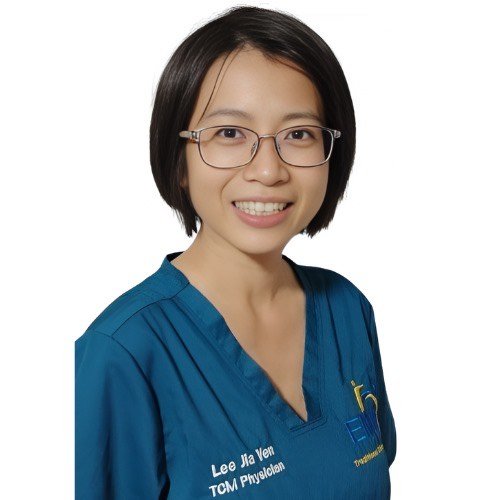
TCM Physician
- B.Med(TCM)
- B.Sc(Hons) Biomedical Sciences
- International Board-Certified Lactation Consultant (IBCLC)
- Registered TCM Physician (Singapore MOH)
References
- Chao JC et al. Antioxidant effects of Lycium barbarum polysaccharides. J Sci Food Agric. 2006. DOI: 10.1002/jsfa.2362
- Stener-Victorin E et al. Reduction of uterine artery blood flow impedance. Hum Reprod. 1996. DOI: 10.1093/oxfordjournals.humrep.a019187
- May-Panloup P et al. Mitochondrial biogenesis and oocyte quality. Hum Reprod Update. 2016. DOI: 10.1093/humupd/dmw006
- Stener-Victorin E & Wu X. Acupuncture effects on the reproductive system. Auton Neurosci. 2010. DOI: 10.1016/j.autneu.2009.12.001
- Tamura H et al. Melatonin and female reproduction. J Obstet Gynaecol Res. 2014. DOI: 10.1111/jog.12317