Why Male Fertility Deserves Equal Attention
Male factor infertility contributes to approximately 40 to 50 percent of infertility cases worldwide. Yet many men in Singapore only begin addressing sperm health after multiple failed IVF or IUI cycles.
This delay is understandable. Sperm parameters can feel abstract, clinical, and emotionally confronting. However, male fertility is dynamic. Unlike ovarian reserve, sperm production renews every 72 to 90 days, making it particularly responsive to targeted medical, nutritional, and lifestyle interventions.
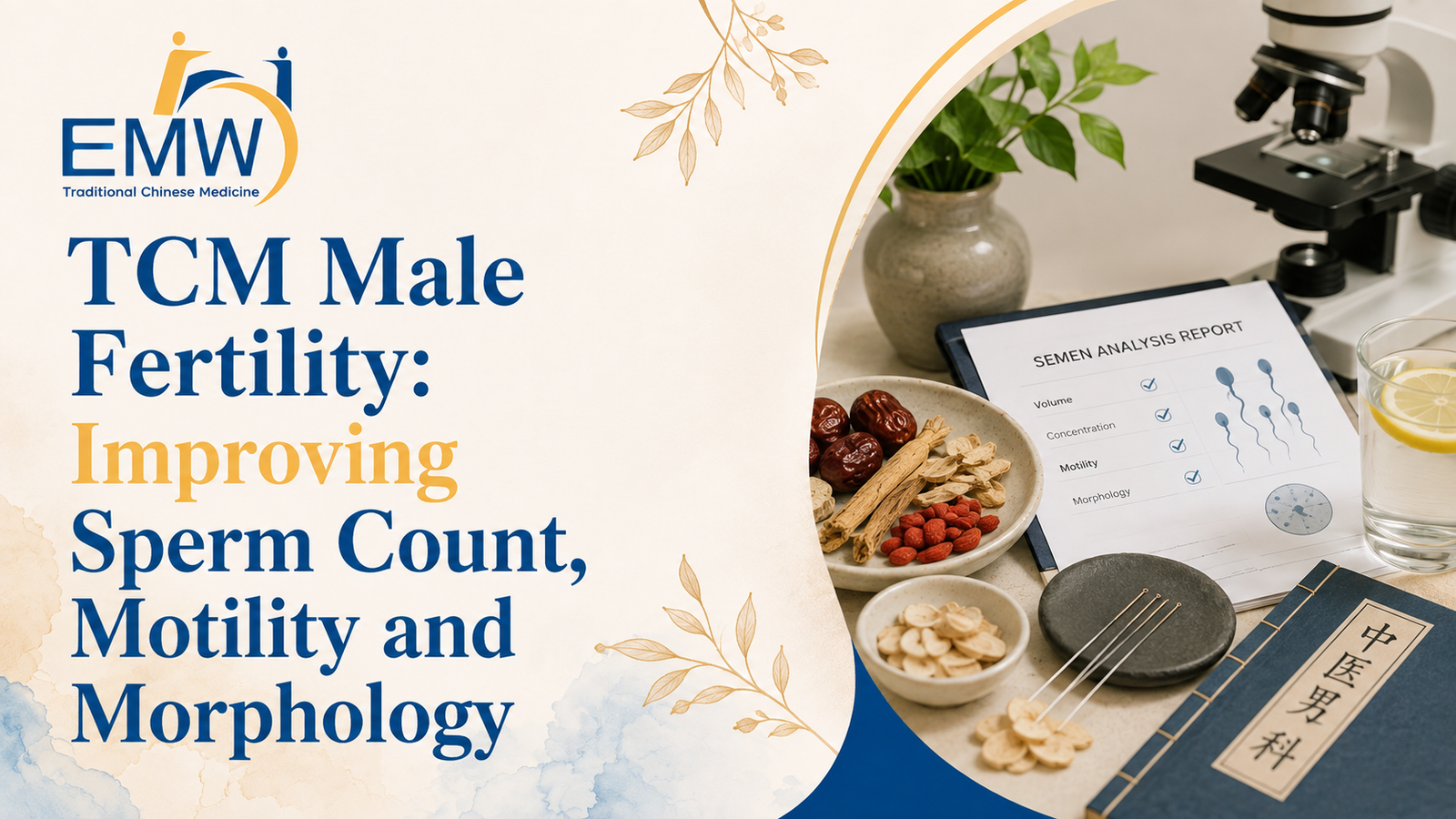
TCM fertility for men offers a structured, physiology-based approach to improving sperm count, motility, and morphology while working alongside conventional urology and fertility care.
At EMW TCM, male fertility is approached with the same clinical depth and diagnostic precision as female fertility. This article explains how Traditional Chinese Medicine supports male reproductive health, translated into modern biomedical language, without hype or unrealistic promises.
Understanding Sperm Health in Modern Terms
Semen analysis typically evaluates three key parameters:
- Sperm count: the concentration of sperm per millilitre
- Motility: the ability of sperm to move efficiently
- Morphology: the percentage of sperm with normal shape
These parameters reflect deeper biological processes, including:
- Testicular blood flow
- Hormonal signalling from the hypothalamic-pituitary-gonadal axis
- Oxidative stress and mitochondrial function
- Inflammation and immune balance
- Nutrient absorption and metabolic health
TCM fertility for men does not treat numbers in isolation. It addresses the physiological systems that produce those numbers.
How TCM Understands Male Fertility Patterns
In Traditional Chinese Medicine, sperm quality is governed primarily by the Kidney system, with important contributions from the Liver and Spleen.
Translated into modern physiology:
- Kidney system: reproductive hormones, spermatogenesis, mitochondrial energy
- Liver system: circulation, oxidative stress regulation, emotional stress processing
- Spleen system: digestion, nutrient absorption, metabolic efficiency
When these systems are out of balance, sperm parameters often reflect the dysfunction.
Common TCM patterns seen in male fertility clinics include:
- Kidney Yang deficiency associated with low count and low motility
- Kidney Yin deficiency associated with DNA fragmentation and poor morphology
- Damp heat associated with inflammation, infections, or abnormal morphology
- Liver Qi stagnation linked to stress-induced motility issues
At EMW TCM, these patterns are not treated with generic formulas. They guide individualised clinical strategies.
What Science Says About TCM and Male Fertility
Oxidative Stress and Sperm Quality
Oxidative stress is one of the most well-established causes of poor sperm parameters. Reactive oxygen species damage sperm DNA, impair motility, and distort morphology.
TCM approaches reduce oxidative stress through:
- Improved circulation and oxygen delivery
- Anti-inflammatory herbal strategies
- Mitochondrial support via nutrition and acupuncture
Peer-reviewed studies show that antioxidant and circulation-focused interventions improve sperm motility and morphology, particularly in idiopathic male infertility.
Hormonal Regulation
Acupuncture has been shown to influence testosterone regulation, gonadotropin release, and autonomic nervous system balance. These effects may support spermatogenesis indirectly.
Rather than forcing hormonal change, TCM aims to restore regulatory balance.
Evidence-Based Research on TCM for Male Fertility
Several studies support the role of TCM modalities in male infertility management.
A systematic review published in Asian Journal of Andrology demonstrated improvements in sperm concentration and motility with TCM interventions, particularly when treatment extended over a full spermatogenic cycle.
DOI: 10.4103/aja.aja_15_18
Another study showed acupuncture’s potential role in improving sperm motility by enhancing scrotal blood flow and reducing oxidative stress.
These findings align with clinical observations when TCM is applied in a structured, medically supervised way.
Why Time Matters: The 90-Day Sperm Cycle
Sperm takes approximately 72 to 90 days to develop. This timeline is critical.
Effective TCM fertility for men requires:
- A minimum 3-month treatment window
- Consistency rather than sporadic sessions
- Alignment with IVF or ICSI timelines if applicable
Short-term interventions rarely change outcomes meaningfully.
At EMW TCM, male fertility plans are designed around this biological reality, especially for couples preparing for IVF cycles.
Acupuncture for Male Fertility: Mechanisms Explained
Acupuncture supports male fertility by:
- Improving testicular and pelvic blood flow
- Modulating the autonomic nervous system
- Reducing systemic inflammation
- Supporting sleep quality and stress regulation
Stress plays a more significant role in sperm quality than many men realise. Chronic sympathetic activation impairs testosterone signalling and increases oxidative damage.
Acupuncture addresses this through physiological, not psychological, pathways.
Herbal Medicine: Precision Over Potency
Chinese herbal medicine is often misunderstood as aggressive or unregulated. In reality, fertility-focused prescriptions are carefully balanced and adjusted based on response.
At EMW TCM:
- Herbs are prescribed only after full assessment
- Formulas are modified as sperm parameters change
- Safety and regulatory compliance are prioritised
Herbal strategies aim to nourish reproductive tissue, improve circulation, and reduce inflammatory burden.
There are no universal “male fertility formulas.”
Nutrition and Lifestyle: Where Male Fertility Is Often Lost
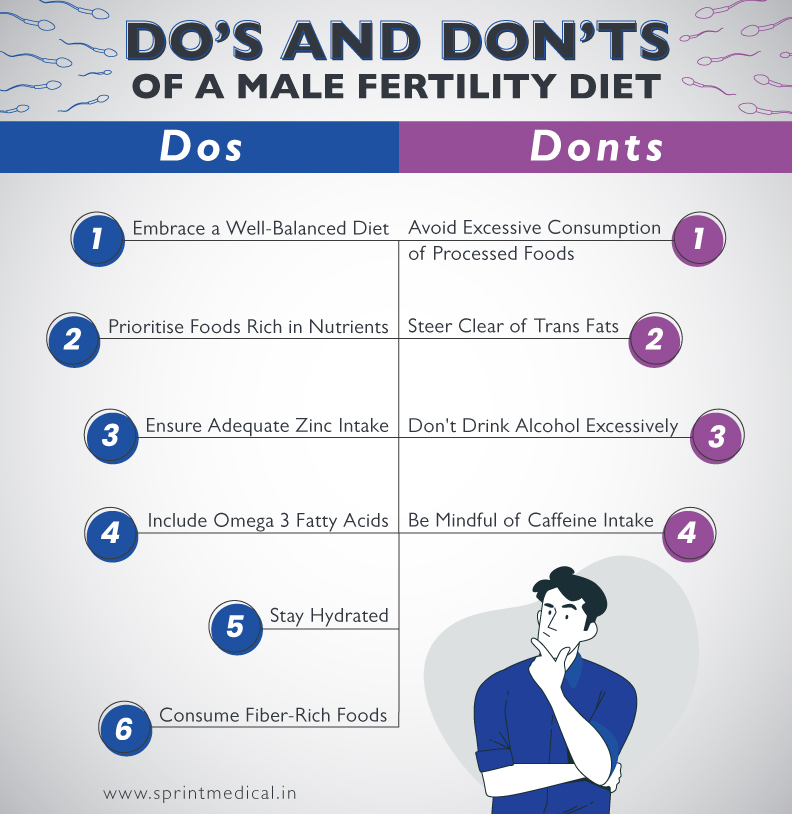
Many male fertility issues stem from lifestyle factors that go unaddressed.
TCM-informed fertility nutrition focuses on:
- Plant-forward, antioxidant-rich foods
- Adequate protein without excessive saturated fat
- Zinc, selenium, and folate-rich whole foods
- Gut health and metabolic balance
Alcohol excess, late-night sleep patterns, heat exposure, and chronic stress are frequently overlooked contributors to poor sperm quality.
At EMW TCM, nutrition counselling is integrated into fertility care rather than treated as optional advice.
Why Men Choose EMW TCM Over Other Clinics
Male patients often seek EMW TCM after being told their options are limited to IVF or ICSI.
What differentiates EMW TCM is:
1. Structured Male Fertility Assessment
Not symptom-based consultations. Root-cause evaluation of sperm parameters, lifestyle, and constitution.
2. IVF and ART Alignment
Treatment plans are designed to support natural conception or ART timelines without conflict.
3. Physician-Led Care
Senior clinicians oversee treatment strategy rather than delegating to protocol-only care.
4. Individualised Treatment Plans
No generic supplements or standard formulas.
5. Ethical, Evidence-Based Communication
No promises, no fear, no exaggerated claims.
This approach allows men to engage in fertility care with clarity and dignity.
Who Benefits Most From TCM Fertility for Men
TCM support is particularly relevant for men with:
- Low sperm count or motility
- Poor morphology
- High DNA fragmentation
- Varicocele-related circulation issues
- Unexplained infertility
It is also valuable for men preparing for IVF or ICSI, where sperm quality directly influences embryo development.
Choosing Male Fertility Support in Singapore
When selecting a clinic, consider:
- Do they understand semen analysis in depth?
- Is treatment time-framed realistically?
- Are nutrition and lifestyle addressed professionally?
- Is care coordinated with fertility specialists?
Male fertility deserves the same clinical seriousness as female fertility.
How EMW TCM Help Your Fertility
From a biomedical perspective, acupuncture for fertility improves ovarian and uterine blood flow, regulates the hypothalamic-pituitary-ovarian axis, lowers cortisol, reduces inflammation, and supports hormonal balance. These effects complement TCM principles and help enhance egg development, implantation, and reproductive function.
1. Comprehensive Assessment
Your first consultation includes:
Cycle assessment
Digestion and hormonal review
Energy and stress evaluation
Sleep and lifestyle factors
Male fertility screening when relevant
2. Evidence-Based TCM Diagnosis
Qi stagnation
Blood deficiency
Spleen Qi weakness
Kidney Yin/Yang imbalance
Liver Qi constraint
Dampness and inflammation
3. Personalised Fertility Treatment Plan
Weekly fertility acupuncture
Customised herbal formulas
Dietary therapy
Stress reduction strategies
Lifestyle recommendations
TCM Acupuncture for Fertility Treatments
Acupuncture, one of the most researched TCM fertility tools, has been found to influence several physiological pathways related to reproduction.
A review published in Fertility and Sterility (2019) reported that acupuncture may improve blood flow to the uterus and ovaries, modulate stress hormones, and enhance endometrial receptivity. Another meta-analysis in Integrative Medicine Research (2021) concluded that acupuncture used alongside conventional fertility treatment can improve pregnancy outcomes and reduce anxiety levels in women undergoing IVF.
From a clinical standpoint, acupuncture helps regulate the hypothalamic-pituitary-ovarian axis, improving hormone balance and menstrual regularity. It can also reduce cortisol levels, encouraging the parasympathetic or “rest-and-rebuild” state which supports implantation and early pregnancy.
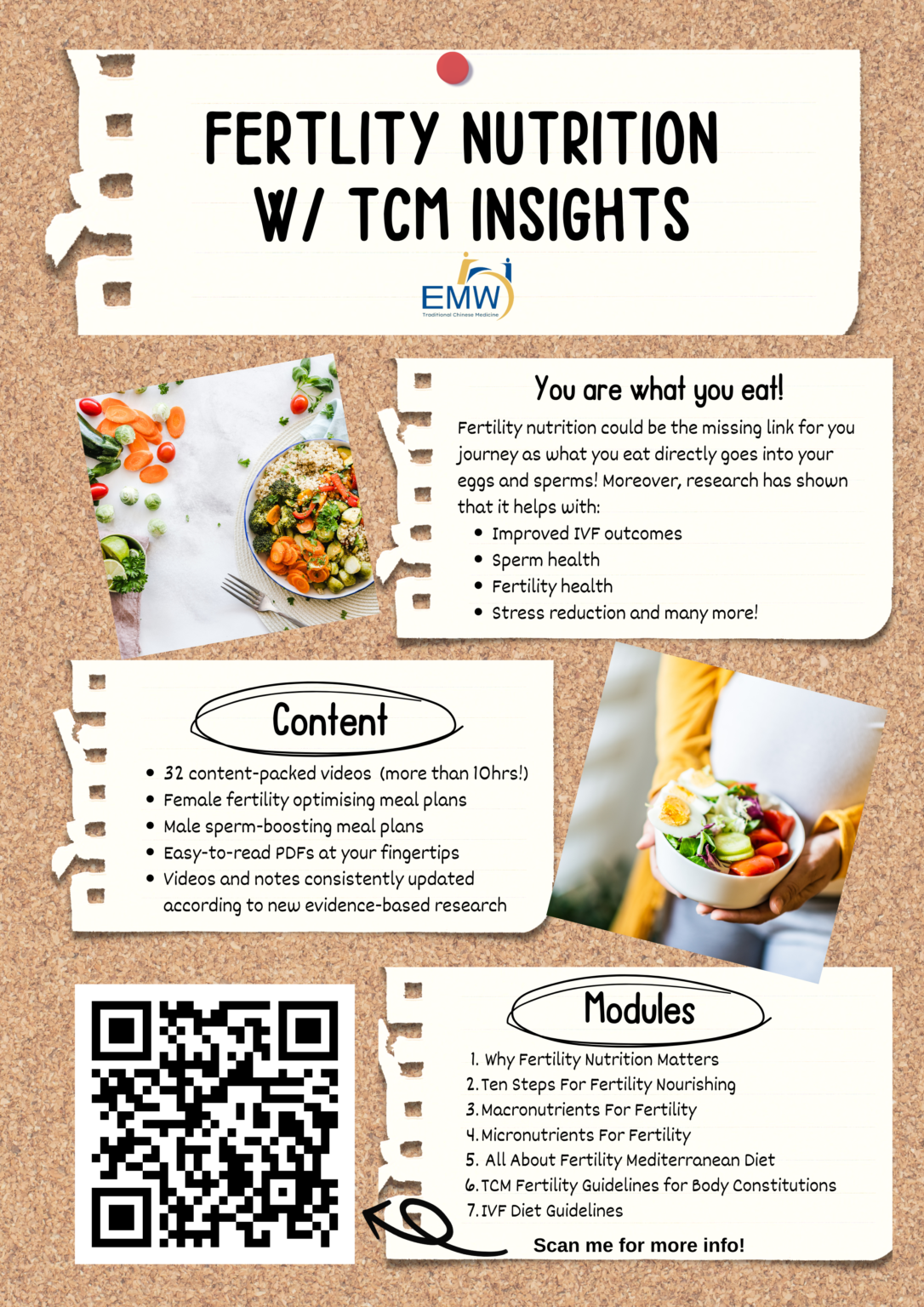
Our Flagship Ebook & Video Course
When to Seek Professional TCM Fertility Help
Fertility is not just a matter of age or hormones. It is a reflection of the body’s internal harmony. Traditional Chinese Medicine provides an integrative and natural way to restore this balance, supporting both physical and emotional readiness for conception.
At EMW TCM Singapore, our team of experienced physicians brings together centuries-old wisdom and modern evidence to guide your fertility journey. Whether you are trying naturally or preparing for IVF, we are here to help you create the best internal environment for new life to begin.
If you have been trying to conceive for more than six to twelve months, experience irregular menses, painful periods, or have been diagnosed with PCOS, endometriosis, or low sperm count, consider a consultation. Professional TCM fertility care aims to correct the underlying imbalance rather than simply forcing ovulation or hormone production.
Check out our links below to book your fertility consultation and begin your holistic journey toward conception.
EMW TCM Clinics
Scotts Medical Centre Branch
9 Scotts Road #10-04, Scotts Medical Centre @ Pacific Plaza,
Singapore 228210
Book Your Appointment With Us Here: +65 89585869
International Building Branch
360 Orchard Road, International Building #02-05/06
Singapore 238869
Book Your Appointment With Us Here: +65 89585869
Our Physicians
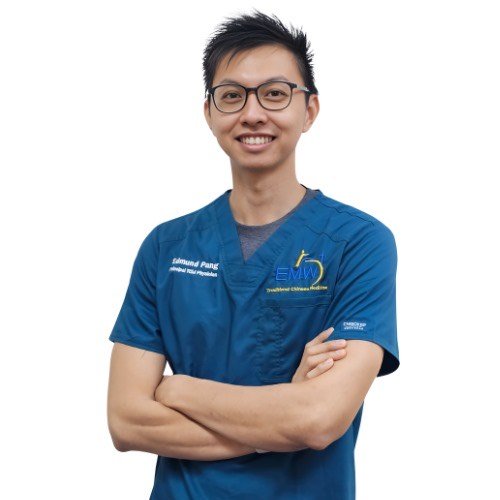
Principal TCM Physician
- M.Med(TCM Gynaecology)
- B.Sc(Hons) Biomedical Sciences
- Dip. Naturopath
- Ayurvedic Therapist(500hrs)
- Registered TCM Physician (Singapore MOH)
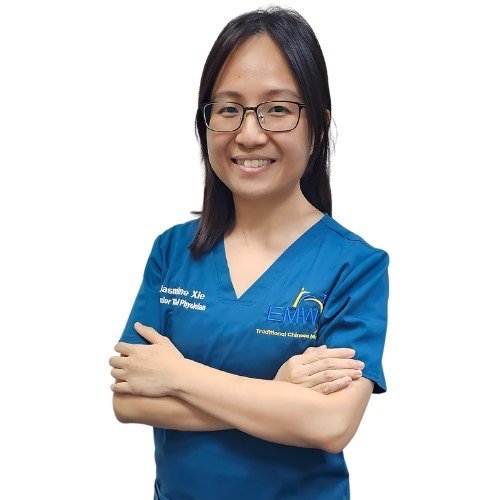
Senior TCM Physician
- M.Med(TCM Acupuncture & Moxibustion)
- B.Sc(Hons) Biomedical Sciences
- Certified Aromatherapist
- Registered TCM Physician (Singapore MOH)

TCM Physician
- M.Med(TCM Gynaecology)
- B.Sc(Hons) Biomedical Sciences
- Registered TCM Physician (Singapore MOH)
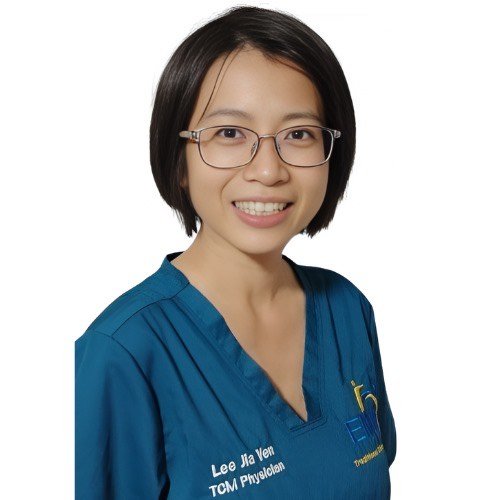
TCM Physician
- B.Med(TCM)
- B.Sc(Hons) Biomedical Sciences
- International Board-Certified Lactation Consultant (IBCLC)
- Registered TCM Physician (Singapore MOH)
References
- Paulus WE, Zhang M, Strehler E, El-Danasouri I, Sterzik K. Influence of acupuncture on the pregnancy rate in patients who undergo assisted reproduction therapy. Fertility and Sterility. 2002. DOI: 10.1016/S0015-0282(02)03165-2
- Smith CA, de Lacey S, Chapman M, Ratcliffe J, Norman RJ, Johnson NP. Effect of acupuncture vs sham acupuncture on live births among women undergoing in vitro fertilization. JAMA. 2018. DOI: 10.1001/jama.2018.18919
- Anderson BJ, Haimovici F, Ginsburg ES, Schust DJ, Wayne PM. In vitro fertilization and acupuncture: clinical efficacy and mechanistic basis. Alternative Therapies in Health and Medicine. 2007. DOI: 10.1016/j.explore.2007.04.001


Pingback: 6 Essential TCM Tips for Sperm Motility, Count and Morphology - EMW TCM