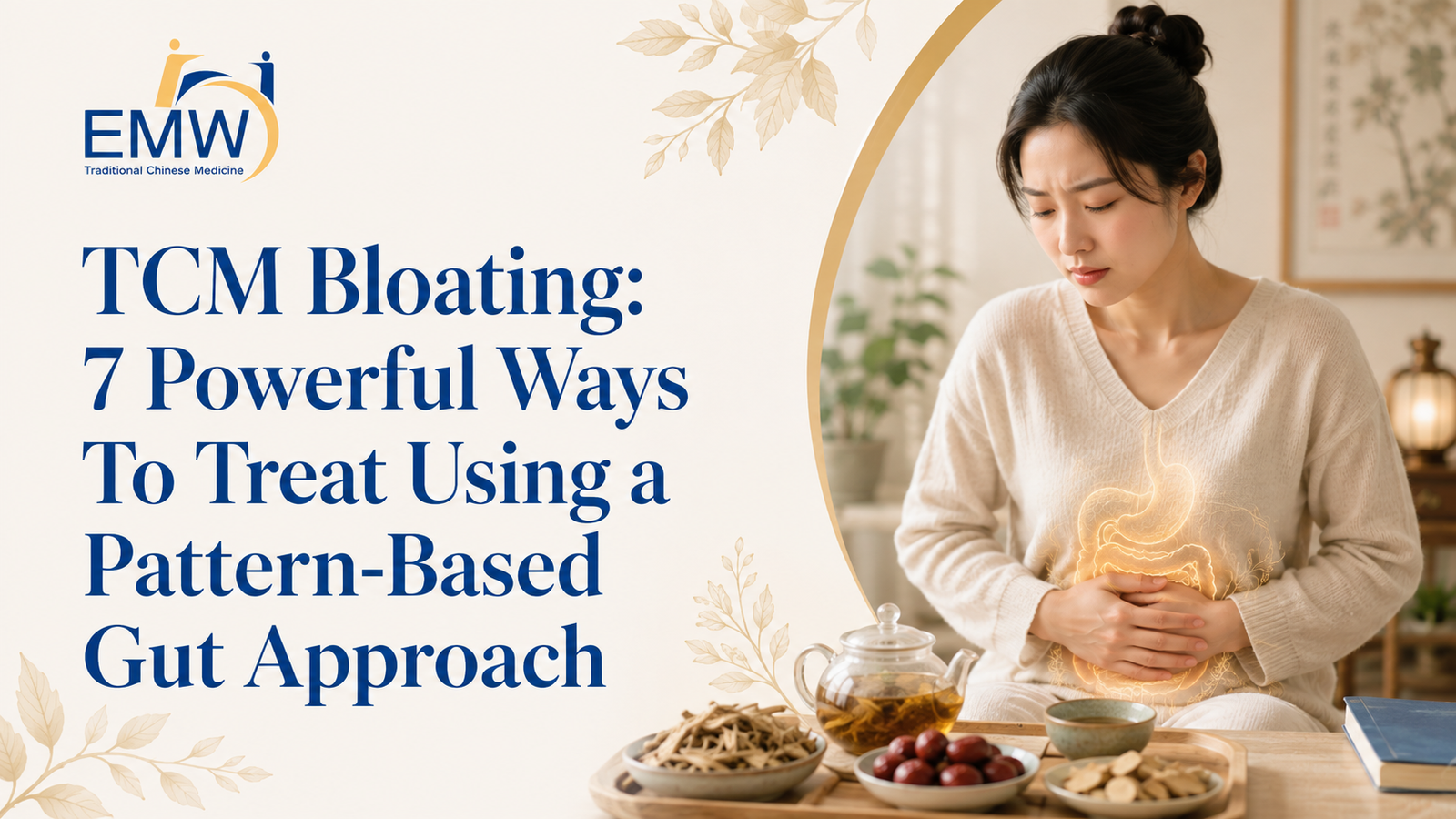
How TCM Treats Bloating Beyond Symptom Relief
Bloating and gas are among the most common digestive complaints seen in Singapore. They are often brushed off as minor issues or managed with antacids, probiotics, or temporary dietary changes. Yet for many adults, bloating persists for years, affecting energy, sleep, mood, hormones, and quality of life.
From a Traditional Chinese Medicine perspective, bloating and gas are never random. They are signs of underlying functional imbalance within the digestive system, particularly involving the Spleen, Stomach, and Liver. This is why a pattern-based approach is essential.
At EMW TCM, bloating is not treated as a standalone symptom. It is understood as part of a broader gut–immune–hormonal system. This integrated view is what separates long-term gut restoration from short-term symptom suppression.
This article explains how TCM treats bloating and gas using pattern differentiation, how this aligns with modern gut science, and why EMW TCM’s approach differs from standard TCM digestive treatments in Singapore.
Why Bloating and Gas Are So Common in Singapore
Singapore’s urban lifestyle creates a perfect storm for chronic digestive issues:
- High stress and long working hours disrupt gut–brain signalling
- Irregular meals and eating late burden digestive capacity
- Cold drinks, raw foods, and processed meals weaken digestive fire
- Chronic inflammation from poor sleep and stress affects gut permeability
From a biomedical standpoint, these factors contribute to altered gut motility, microbiome imbalance, low-grade inflammation, and increased intestinal permeability.
From a TCM standpoint, they weaken the Spleen and Stomach, stagnate Liver Qi, and impair the body’s ability to transform food into usable energy.
This overlap is exactly where a functional TCM approach becomes powerful.
The TCM Digestive Framework Explained Simply
In TCM, digestion is governed by three core systems:
The Spleen
Responsible for transforming food into Qi and Blood. When weak, food stagnates, leading to bloating, fullness, loose stools, and fatigue.
The Stomach
Receives and breaks down food. When disrupted, symptoms include distension, reflux, nausea, and excessive gas.
The Liver
Ensures smooth flow of Qi. Emotional stress causes Liver Qi stagnation, which directly interferes with digestion, especially bloating that worsens under stress.
Bloating and gas occur when these systems lose coordination.
Why One-Size-Fits-All TCM Formulas Often Fail
Many patients in Singapore have tried TCM for bloating but saw limited results. A common reason is formula-driven treatment based solely on symptoms such as stomach pain or diarrhoea.
This approach often uses standard digestive formulas without addressing:
- Underlying inflammation
- Gut barrier dysfunction
- Stress-driven motility issues
- Food sensitivities and eating patterns
At EMW TCM, treatment starts with pattern identification, not symptom labels. Two people with bloating may receive completely different protocols.
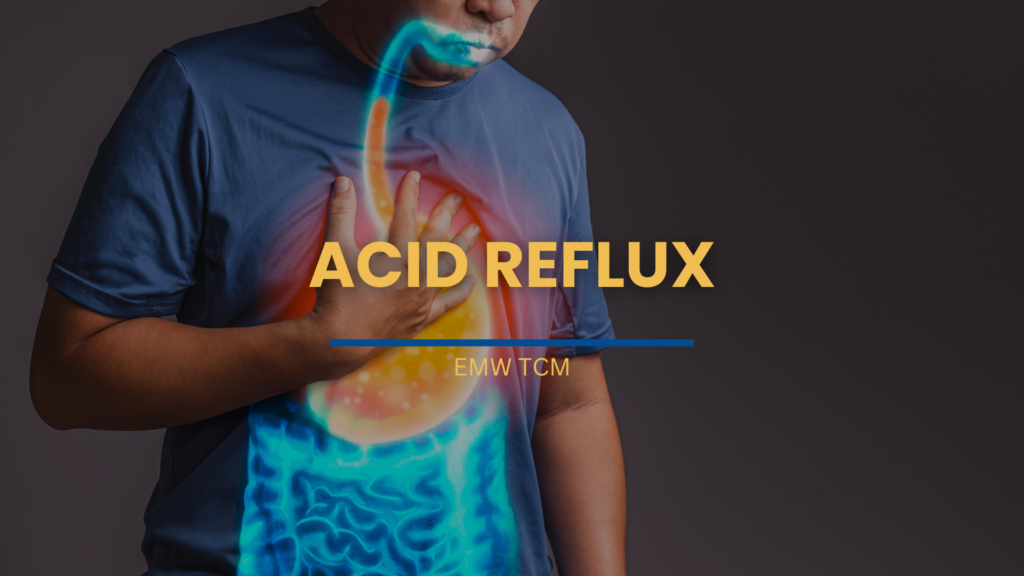
The 5 Most Common TCM Patterns Causing Bloating and Gas
1. Spleen Qi Deficiency
This is the most common pattern seen in chronic bloating.
Symptoms
- Bloating after meals
- Fatigue and brain fog
- Loose stools or incomplete bowel movements
- Worse with cold or raw foods
Modern translation
Reduced digestive enzyme output, impaired motility, microbiome imbalance.
Treatment focus
Strengthen digestion, restore gut resilience, improve nutrient absorption.
2. Liver Qi Stagnation Affecting Digestion
This pattern is extremely common among stressed professionals in Singapore.
Symptoms
- Bloating that worsens with stress
- Gas with chest or rib-side tightness
- Alternating constipation and loose stools
- PMS-related bloating
Modern translation
Gut–brain axis dysregulation, stress-induced motility changes.
Treatment focus
Regulate nervous system input to the gut while supporting digestion.
3. Dampness Accumulation in the Gut
This pattern often develops from years of weakened digestion.
Symptoms
- Heavy, persistent bloating
- Excessive gas with a foul smell
- Sticky stools or mucus
- Brain fog and lethargy
Modern translation
Low-grade inflammation, dysbiosis, increased intestinal permeability.
Treatment focus
Dry dampness gently while rebuilding digestive strength.
4. Cold in the Digestive System
Common in those who consume iced drinks and salads regularly.
Symptoms
- Bloating with abdominal coldness
- Pain relieved by warmth
- Loose stools
Modern translation
Reduced digestive efficiency and slowed motility.
Treatment focus
Warm the gut and restore digestive fire without overstimulation.
5. Heat and Inflammation in the Gut
Often seen with reflux, constipation, and inflammatory conditions.
Symptoms
- Burning sensations
- Acid reflux with bloating
- Dry stools
Modern translation
Mucosal inflammation and altered gut barrier function.
Treatment focus
Reduce inflammation while protecting digestive integrity.
How EMW TCM Treats Bloating and Gas Differently
Most TCM clinics focus on short-term symptom relief. EMW TCM is structured around long-term gut restoration.
Functional Understanding of Gut Inflammation
Bloating is often a downstream sign of intestinal inflammation and permeability. Treatment strategies address this root dysfunction rather than just dispersing gas.
Individualised Herbal Prescriptions
Formulas are customised based on your constitution, diet, stress load, and symptom progression. There is no standard bloating prescription.
Diet as a Therapeutic Tool
Dietary guidance is central, not optional. EMW TCM emphasises warm, plant-forward, anti-inflammatory meals suited to Singapore’s climate and lifestyle.
Integration of Emotional Health
Stress management is embedded into treatment because emotional tension directly disrupts digestion.
Long-Term Gut Repair
The goal is improved resilience, not dependency on herbs or supplements.
Diet Principles for Reducing Bloating the TCM Way
Rather than extreme elimination diets, EMW TCM focuses on sustainable adjustments:
- Warm cooked foods over raw meals
- Plant-based soups, stews, and porridges
- Reduce iced drinks and late-night eating
- Gentle use of spices like ginger and fennel
- Supplements only when food alone is insufficient
This approach supports the microbiome while protecting digestive capacity.

Scientific Evidence Supporting a Pattern-Based Gut Approach
Modern research increasingly supports what TCM has long observed.
Studies show that chronic stress alters gut motility and permeability via the gut–brain axis, contributing to bloating and gas. Low-grade inflammation and microbiome imbalance are now recognised as drivers of functional gastrointestinal disorders.
A key review published in Gastroenterology highlights the role of intestinal permeability and immune activation in functional gut symptoms, supporting the need for root-cause treatment rather than symptom suppression.
When to Seek Help for Chronic Bloating
You should consider a comprehensive gut assessment if bloating:
- Persists despite diet changes
- Worsens with stress
- Is associated with fatigue, skin issues, or hormonal symptoms
- Returns quickly after stopping supplements or medications
Early intervention prevents progression into more complex gut–immune disorders.
Why Patients Choose EMW TCM for Bloating and Gas
Patients come to EMW TCM because they want answers, not temporary fixes.
They value:
- Clear explanations that connect TCM with modern science
- Personalised care plans
- Practical dietary and lifestyle guidance
- A clinic that treats the gut as part of a whole system
If you are looking for a sustainable solution to chronic bloating and gas, explore EMW TCM’s gut health consultations, or book in-clinic care through contact us.
Common TCM Patterns and Causes of Gut Imbalance
Every digestive issue has its root cause and TCM for gut health looks beyond symptoms to identify the underlying energy patterns that disrupt digestion. These imbalances often arise from lifestyle stress, poor dietary habits, or emotional tension that affects the Liver, Spleen, and Stomach systems.
Through identifying your unique pattern, TCM for gut health offers a clear, structured path to healing rather than symptom suppression. The goal is to harmonize internal systems, strengthen the digestive organs, and re-establish natural balance so that energy flows freely again.

When to Seek Treatment for Bloating at EMW TCM?
It is advisable to seek professional assessment if you experience any of the following persistent or recurrent symptoms:
- Abdominal pain that persists for more than three days
- Bloating that occurs consistently after meals or lasts longer than one week
- Indigestion, including sensations of fullness, excessive wind, or frequent hiccups, which in TCM may indicate food stagnation
- Acid reflux (gastroesophageal reflux disease, GERD), characterised by the backflow of stomach acid into the oesophagus
- Changes in bowel habits, including ongoing constipation or diarrhoea
While bloating can be a common and uncomfortable condition, Traditional Chinese Medicine offers an integrated approach to managing digestive health. When factors such as diet, stress, or lifestyle contribute to constipation, a TCM practitioner in Singapore may recommend a tailored combination of herbal therapy, acupuncture, acupressure, and lifestyle modifications to help restore internal balance.
At EMW TCM, our bilingual team of MOH-registered TCM physicians develops personalised treatment plans that take into account each individual’s lifestyle, dietary habits, and underlying health patterns. This approach is further supported by evidence-based research, which suggests that TCM may be effective in providing both symptom relief and long-term digestive support.
If you have any questions or concerns regarding TCM treatment for bloatingor digestive health management, we welcome you to contact us. EMW TCM is committed to delivering personalised, holistic care to support the long-term wellbeing of our patients.bloa
EMW TCM Clinics
Scotts Medical Centre Branch
9 Scotts Road #10-04, Scotts Medical Centre @ Pacific Plaza,
Singapore 228210
Book Your Appointment With Us Here: +65 89585869
International Building Branch
360 Orchard Road, International Building #02-05/06
Singapore 238869
Book Your Appointment With Us Here: +65 89585869
Our Physicians
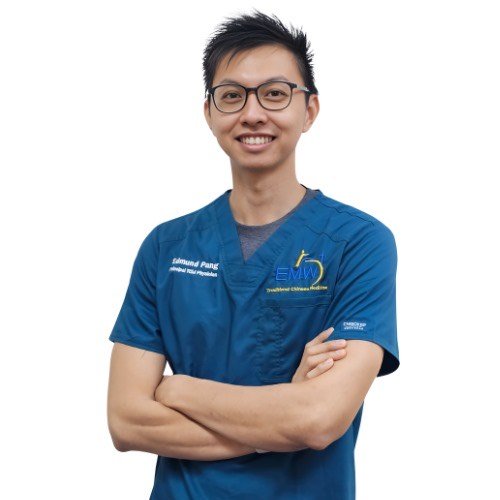
Principal TCM Physician
- M.Med(TCM Gynaecology)
- B.Sc(Hons) Biomedical Sciences
- Dip. Naturopath
- Ayurvedic Therapist(500hrs)
- Registered TCM Physician (Singapore MOH)

Senior TCM Physician
- M.Med(TCM Acupuncture & Moxibustion)
- B.Sc(Hons) Biomedical Sciences
- Certified Aromatherapist
- Registered TCM Physician (Singapore MOH)

TCM Physician
- M.Med(TCM Gynaecology)
- B.Sc(Hons) Biomedical Sciences
- Registered TCM Physician (Singapore MOH)
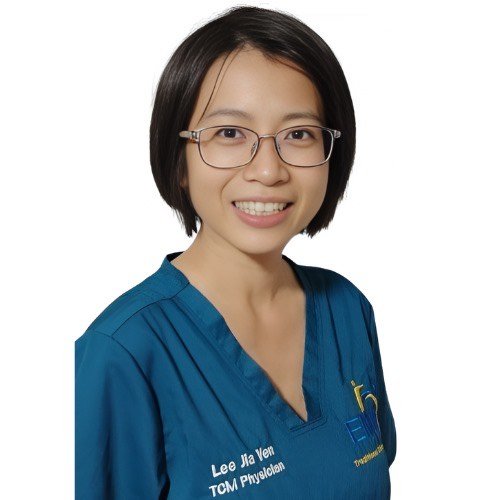
TCM Physician
- B.Med(TCM)
- B.Sc(Hons) Biomedical Sciences
- International Board-Certified Lactation Consultant (IBCLC)
- Registered TCM Physician (Singapore MOH)
References
- Camilleri M. Leaky gut and functional gastrointestinal disorders. Gastroenterology. 2019;156(1):46–58. DOI: 10.1053/j.gastro.2018.09.031
- Mayer EA, Tillisch K, Gupta A. Gut–brain axis and stress effects on digestion. Journal of Clinical Investigation. 2015;125(3):926–938. DOI: 10.1172/JCI76304