Why Acupuncture Is Part of Modern IVF Conversations
In Singapore, more women and couples undergoing IVF are asking a thoughtful question: does acupuncture actually improve IVF outcomes, or is it simply complementary wellness care?
This is an important distinction. IVF patients are often medically informed, emotionally invested, and seeking interventions that are evidence-based, ethical, and aligned with their fertility specialist’s plan.
Acupuncture for IVF success sits at the intersection of Traditional Chinese Medicine and modern reproductive medicine. When applied correctly, it is not a replacement for IVF, but a physiological support that can optimise the internal environment in which IVF takes place.
At EMW TCM, acupuncture is integrated into IVF cycles through a structured, physician-led framework that aligns with ovarian stimulation, egg retrieval, embryo transfer, and luteal support. This article explains what science and TCM actually say, without hype or guarantees.
What Acupuncture Is and Is Not in IVF Care
Acupuncture is not a fertility shortcut, a miracle cure, or an alternative to IVF.
In biomedical terms, acupuncture is a neuromodulatory therapy that influences:
- Blood flow regulation
- Autonomic nervous system balance
- Inflammatory and immune signalling
- Hypothalamic-pituitary-ovarian axis communication
In TCM terms, acupuncture regulates the functional systems traditionally described as Kidney, Liver, Spleen, Blood, Yin, and Qi. These concepts map closely to endocrine signalling, circulation, digestion, mitochondrial health, and stress physiology.
Acupuncture for IVF success works when it is:
- Timed appropriately within the IVF cycle
- Individualised rather than protocol-only
- Integrated with nutrition and lifestyle guidance
- Coordinated with the fertility clinic timeline
This is why clinic philosophy matters.
What the Science Says About Acupuncture for IVF Success
1. Improved Uterine Blood Flow
Several studies demonstrate that acupuncture can reduce uterine artery impedance, improving endometrial blood flow. Adequate perfusion supports oxygen and nutrient delivery to the endometrium during implantation windows.
This is particularly relevant for women with thin endometrium, prior implantation failure, or stress-related vasoconstriction.
2. Nervous System Regulation and Stress Reduction
IVF is physiologically stressful. Acupuncture activates parasympathetic responses and reduces cortisol levels, which may otherwise interfere with reproductive hormone signalling.
Stress reduction is not about relaxation alone. It directly influences GnRH pulsatility, luteal support, and uterine receptivity.
3. Hormonal and Immune Modulation
Emerging evidence suggests acupuncture influences cytokine balance and immune tolerance. This may be relevant in patients with recurrent implantation failure or inflammatory patterns.
TCM frameworks would describe this as regulating Liver Qi, Blood stasis, and Yin deficiency. Biomedically, it reflects immune-endocrine balance.
Landmark IVF Acupuncture Studies Explained Clearly
The Paulus et al. Study (2002)
Women receiving acupuncture immediately before and after embryo transfer had higher clinical pregnancy rates compared to controls.
- Published in Fertility and Sterility
- Demonstrated improved implantation outcomes
- DOI: 10.1016/S0015-0282(02)03165-2
However, later studies produced mixed results. This does not invalidate acupuncture. It highlights that outcomes depend on timing, patient selection, practitioner skill, and integration quality.
Generic, one-off acupuncture sessions do not reflect how acupuncture is used clinically in fertility medicine.
Why IVF Timing Matters More Than Most Clinics Admit
One of the biggest misconceptions is that acupuncture is only useful on embryo transfer day.
At EMW TCM, acupuncture for IVF success is mapped across phases:
Ovarian Stimulation Phase
Focus on follicular blood flow, mitochondrial support, and stress buffering.
Egg Retrieval Recovery
Support inflammation resolution, pelvic circulation, and hormonal recalibration.
Embryo Transfer Window
Nervous system regulation, uterine receptivity, and immune tolerance.
Luteal Phase
Support progesterone response, sleep quality, and implantation stability.
This phased approach reflects both TCM physiology and IVF endocrinology.
TCM Interpretation of IVF Challenges in Modern Language
TCM diagnoses are not labels. They are functional patterns.
For example:
- Kidney Yin deficiency often correlates with diminished ovarian reserve or poor oocyte quality.
- Liver Qi stagnation may reflect stress-related ovulatory dysfunction or implantation difficulty.
- Spleen Qi deficiency maps to digestion, nutrient assimilation, and inflammatory burden.
At EMW TCM, these patterns are translated into modern clinical language so patients understand what is being addressed and why.
This root-cause assessment is one of the reasons patients choose EMW TCM over formula-based clinics.
Why EMW TCM Is Different From Other TCM Clinics in Singapore
Many TCM clinics offer fertility acupuncture. Fewer offer structured IVF-aligned care.
Patients come to EMW TCM because of:
1. Physician-Led Assessment
Every case is reviewed by a senior TCM fertility physician, not delegated to junior staff.
2. IVF-Aware Treatment Planning
Protocols are aligned with stimulation drugs, retrieval timing, and embryo transfer schedules.
3. Integrated Nutrition and Lifestyle Guidance
Food therapy supports digestion, inflammation control, and mitochondrial health. Supplements are secondary.
4. Individualised Treatment, Not Templates
No generic fertility formulas. Every plan reflects age, diagnosis, IVF history, and constitution.
5. Ethical, Evidence-Based Positioning
No guarantees. No fear-based messaging. IVF is respected, not opposed.
This structured integration is what allows acupuncture to support IVF outcomes realistically.
Nutrition and Lifestyle as Part of Acupuncture for IVF Success
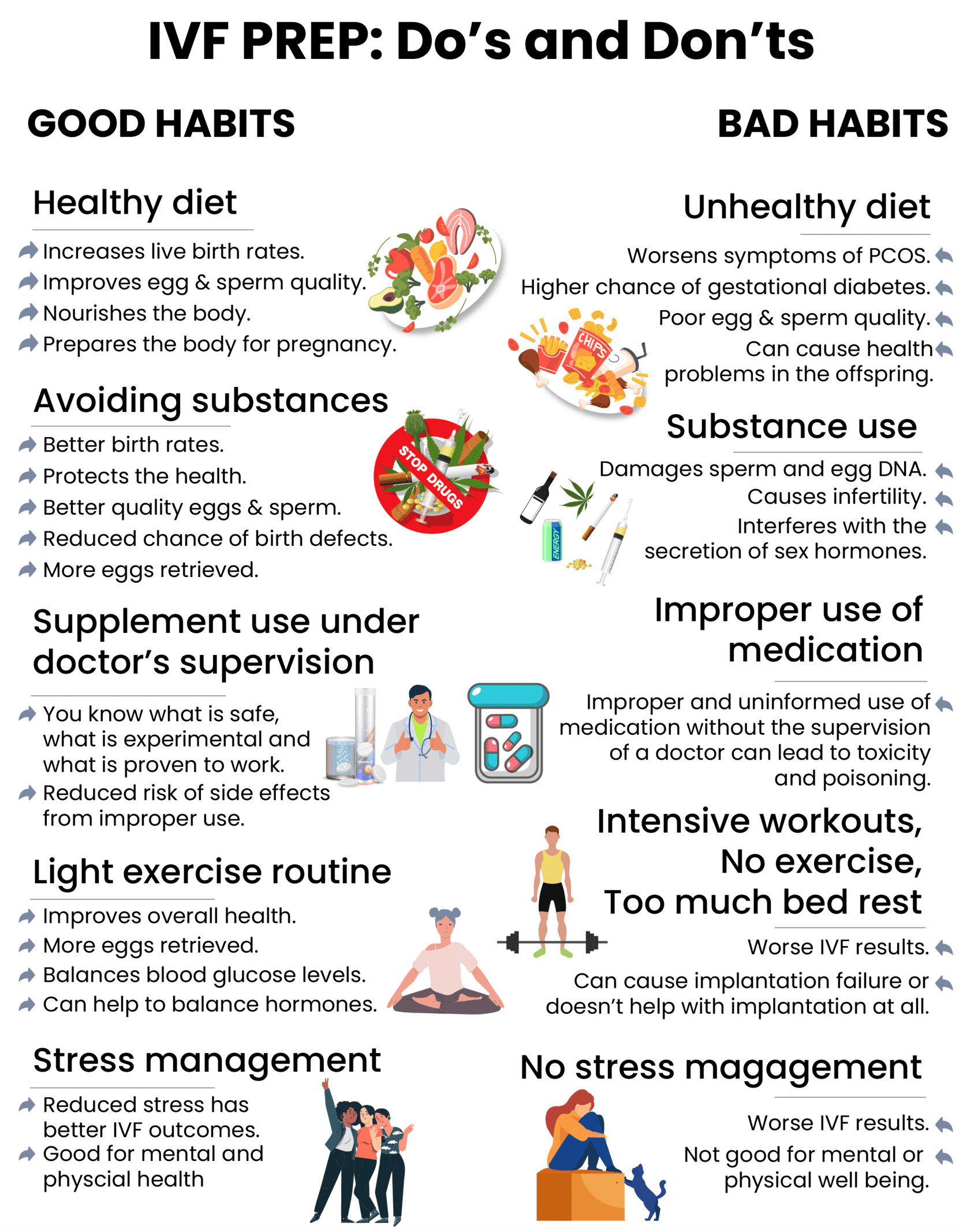
Acupuncture alone is rarely sufficient.
At EMW TCM, fertility nutrition focuses on:
- Plant-forward, whole-food patterns
- Blood and Yin nourishing foods
- Digestive resilience and gut integrity
- Inflammation reduction
This food-first philosophy supports hormonal signalling and egg quality without overstimulation.
Patients often underestimate how digestion and inflammation affect IVF response. TCM has addressed this relationship for centuries.
Who Benefits Most From Acupuncture During IVF
Acupuncture for IVF success is particularly relevant for:
- Women over 35
- Recurrent implantation failure
- Thin endometrium
- High stress or poor sleep during cycles
- Prior poor ovarian response
It may be less impactful if used only once, without assessment, or without integration into the IVF timeline.
What Acupuncture Cannot Do
Ethical care means being clear.
Acupuncture cannot:
- Reverse severe genetic abnormalities
- Replace IVF or ART
- Guarantee pregnancy
- Overcome all age-related decline
What it can do is optimise the internal environment in which IVF operates.
Choosing Acupuncture Support During IVF in Singapore
When evaluating acupuncture clinics, ask:
- Do they understand IVF medications and timelines?
- Is treatment individualised?
- Is nutrition addressed?
- Is there coordination with your fertility specialist?
These questions matter more than how many needles are used.
Why Patients Choose EMW TCM for Fertility Care in Singapore
Patients often tell us they choose EMW TCM because:
- They want structured, personalised fertility care rather than generic treatments
- They value a calm, evidence-based clinical approach
- They want TCM that works with IVF, not against it
- They appreciate clear explanations without false promises
Our focus is not on doing more, but on doing what is appropriate, timely, and clinically justified.
You can explore more educational resources through our Fertility Support Guide
How EMW TCM Help Your IVF Success
From a biomedical perspective, acupuncture for fertility improves ovarian and uterine blood flow, regulates the hypothalamic-pituitary-ovarian axis, lowers cortisol, reduces inflammation, and supports hormonal balance. These effects complement TCM principles and help enhance egg development, implantation, and reproductive function.
1. Comprehensive Assessment
Your first consultation includes:
Cycle assessment
Digestion and hormonal review
Energy and stress evaluation
Sleep and lifestyle factors
Male fertility screening when relevant
2. Evidence-Based TCM Diagnosis
Qi stagnation
Blood deficiency
Spleen Qi weakness
Kidney Yin/Yang imbalance
Liver Qi constraint
Dampness and inflammation
3. Personalised Fertility Treatment Plan
Weekly fertility acupuncture
Customised herbal formulas
Dietary therapy
Stress reduction strategies
Lifestyle recommendations
TCM Acupuncture for Fertility Treatments
Acupuncture, one of the most researched TCM fertility tools, has been found to influence several physiological pathways related to reproduction.
A review published in Fertility and Sterility (2019) reported that acupuncture may improve blood flow to the uterus and ovaries, modulate stress hormones, and enhance endometrial receptivity. Another meta-analysis in Integrative Medicine Research (2021) concluded that acupuncture used alongside conventional fertility treatment can improve pregnancy outcomes and reduce anxiety levels in women undergoing IVF.
From a clinical standpoint, acupuncture helps regulate the hypothalamic-pituitary-ovarian axis, improving hormone balance and menstrual regularity. It can also reduce cortisol levels, encouraging the parasympathetic or “rest-and-rebuild” state which supports implantation and early pregnancy.
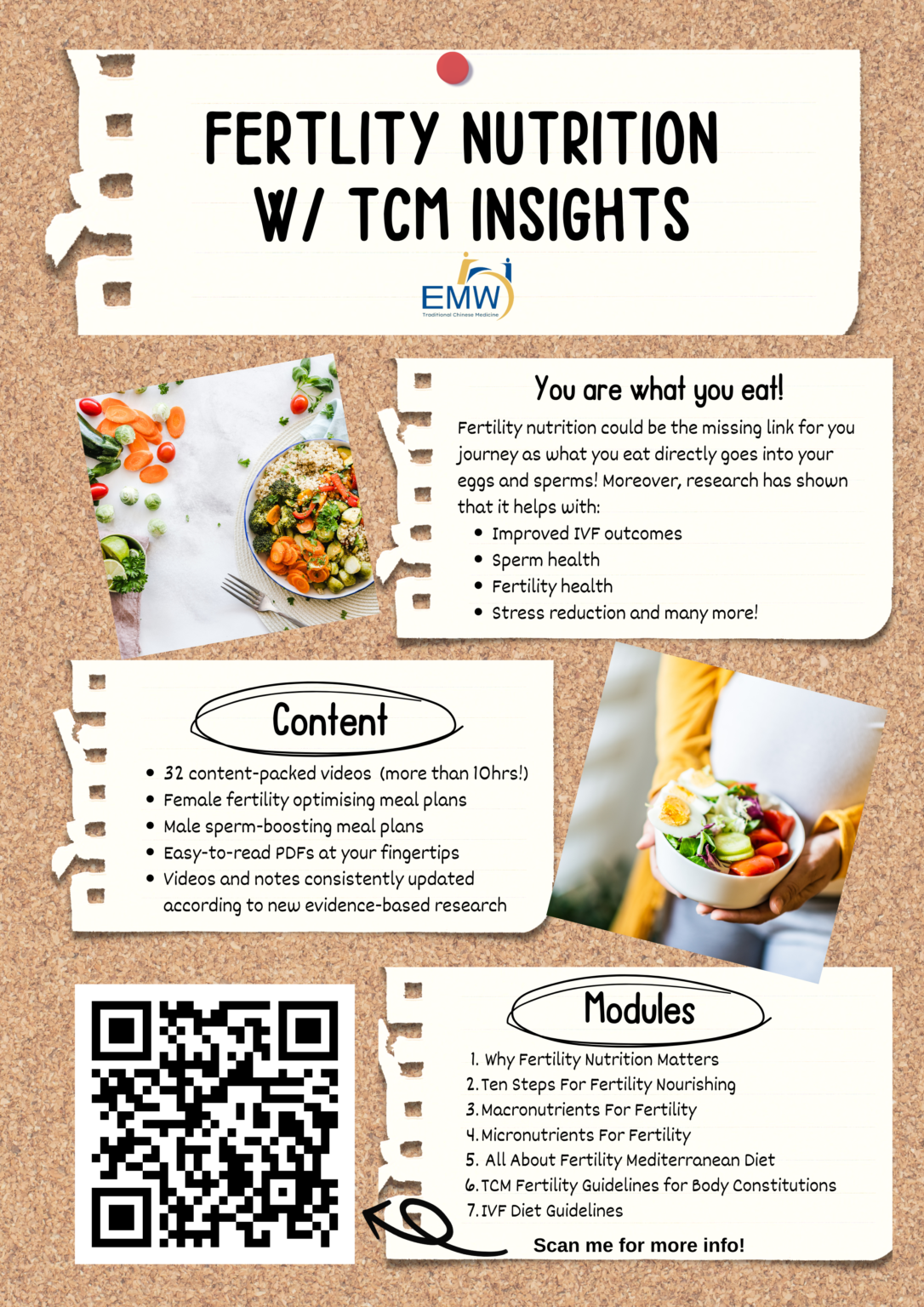
Our Flagship Ebook & Video Course
When to Seek Professional TCM Fertility Help
Fertility is not just a matter of age or hormones. It is a reflection of the body’s internal harmony. Traditional Chinese Medicine provides an integrative and natural way to restore this balance, supporting both physical and emotional readiness for conception.
At EMW TCM Singapore, our team of experienced physicians brings together centuries-old wisdom and modern evidence to guide your fertility journey. Whether you are trying naturally or preparing for IVF, we are here to help you create the best internal environment for new life to begin.
If you have been trying to conceive for more than six to twelve months, experience irregular menses, painful periods, or have been diagnosed with PCOS, endometriosis, or low sperm count, consider a consultation. Professional TCM fertility care aims to correct the underlying imbalance rather than simply forcing ovulation or hormone production.
Check out our links below to book your fertility consultation and begin your holistic journey toward conception.
EMW TCM Clinics
Scotts Medical Centre Branch
9 Scotts Road #10-04, Scotts Medical Centre @ Pacific Plaza,
Singapore 228210
Book Your Appointment With Us Here: +65 89585869
International Building Branch
360 Orchard Road, International Building #02-05/06
Singapore 238869
Book Your Appointment With Us Here: +65 89585869
Our Physicians
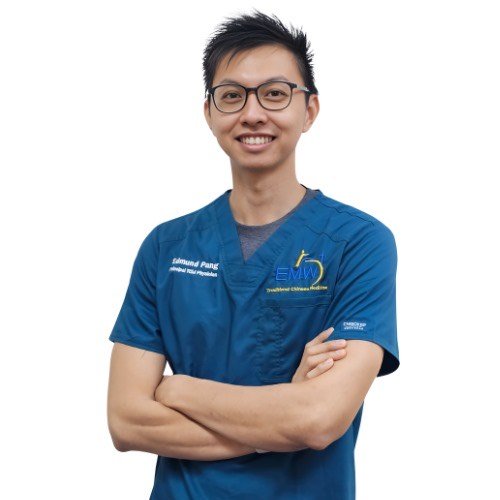
Principal TCM Physician
- M.Med(TCM Gynaecology)
- B.Sc(Hons) Biomedical Sciences
- Dip. Naturopath
- Ayurvedic Therapist(500hrs)
- Registered TCM Physician (Singapore MOH)
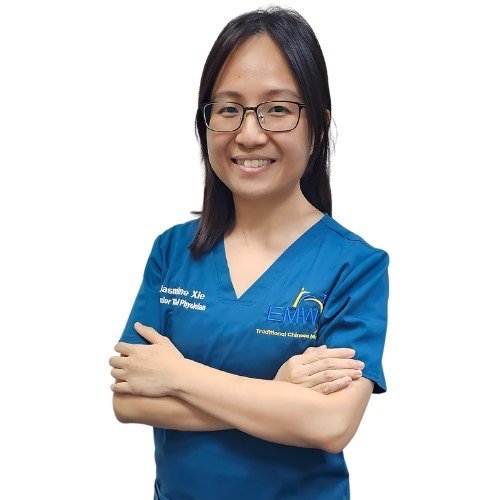
Senior TCM Physician
- M.Med(TCM Acupuncture & Moxibustion)
- B.Sc(Hons) Biomedical Sciences
- Certified Aromatherapist
- Registered TCM Physician (Singapore MOH)

TCM Physician
- M.Med(TCM Gynaecology)
- B.Sc(Hons) Biomedical Sciences
- Registered TCM Physician (Singapore MOH)
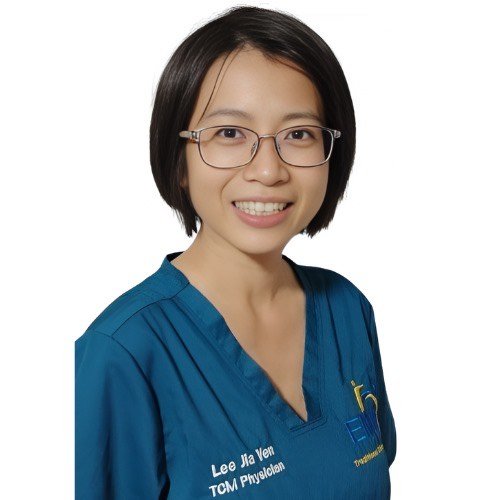
TCM Physician
- B.Med(TCM)
- B.Sc(Hons) Biomedical Sciences
- International Board-Certified Lactation Consultant (IBCLC)
- Registered TCM Physician (Singapore MOH)
References
- Paulus WE, Zhang M, Strehler E, El-Danasouri I, Sterzik K. Influence of acupuncture on the pregnancy rate in patients who undergo assisted reproduction therapy. Fertility and Sterility. 2002. DOI: 10.1016/S0015-0282(02)03165-2
- Smith CA, de Lacey S, Chapman M, Ratcliffe J, Norman RJ, Johnson NP. Effect of acupuncture vs sham acupuncture on live births among women undergoing in vitro fertilization. JAMA. 2018. DOI: 10.1001/jama.2018.18919
- Anderson BJ, Haimovici F, Ginsburg ES, Schust DJ, Wayne PM. In vitro fertilization and acupuncture: clinical efficacy and mechanistic basis. Alternative Therapies in Health and Medicine. 2007. DOI: 10.1016/j.explore.2007.04.001


Pingback: 5 Reasons Acupuncture May Help With Recurrent Miscarriage: A TCM Perspective - EMW TCM
Pingback: 6 Essential TCM Tips for Sperm Motility, Count and Morphology - EMW TCM
Pingback: 5 Critical Causes of Thin Uterine Lining and How to Treat Thin Uterine Lining Naturally in Singapore - EMW TCM
Pingback: TCM Unexplained Infertility Explained: A Complete Evidence-Based Breakdown - EMW TCM
Pingback: Poor Ovarian Response in IVF: 7 Critical Facts to Know Before Your Next Cycle - EMW TCM
Pingback: Natural Conception Singapore: Complete EMW TCM Guide - EMW TCM