5 Surprising Reasons Gut Health and Hormones Are Deeply Connected: A TCM + Biomedical Guide for Singapore
Many patients come to clinic for bloating, constipation, reflux, IBS, acne, PMS, fatigue, or irregular cycles.
They rarely realise these symptoms are connected.
In both Traditional Chinese Medicine and modern biomedical science, gut health and hormones are deeply interdependent. When digestion is weak, hormonal regulation almost always suffers.
In Singapore, where stress, irregular meals, late nights and high inflammatory diets are common, this connection is even more pronounced.
This article explains how gut health and hormones influence each other through both a TCM framework and a biomedical lens, and why structured, root-cause care is essential.
The TCM View: The Spleen Is Central to Hormonal Balance
In TCM, the Spleen system governs:
- Digestion and nutrient transformation
- Blood production
- Dampness metabolism
- Energy distribution
When Spleen Qi is weak, several downstream effects occur:
- Poor Blood formation
- Phlegm and Damp accumulation
- Liver Qi stagnation
- Hormonal irregularity
In modern language, impaired digestion affects nutrient absorption, inflammation regulation, insulin sensitivity, and liver detoxification pathways.
This is why gut health and hormones cannot be treated separately.
At EMW TCM, we often see patients treated for “hormone imbalance” with supplements while their digestion remains chronically bloated, sluggish or inflamed. Without restoring gut integrity, hormonal therapies provide only partial relief.
5 Gut-Hormones Connection
1. The Estrobolome: Your Gut Regulates Oestrogen
One of the clearest biomedical links between gut health and hormones involves the estrobolome.
The estrobolome refers to gut bacteria capable of metabolising oestrogen. If gut microbial diversity is impaired:
- Oestrogen may be recirculated excessively
- PMS may worsen
- Breast tenderness increases
- Fibroids and endometriosis risk may rise
Research shows that dysbiosis alters oestrogen metabolism through beta-glucuronidase activity.
Reference: Plottel CS & Blaser MJ. J Clin Endocrinol Metab. 2011. DOI: 10.1210/jc.2011-0373
In TCM terms, this often corresponds to Damp-Heat or Liver Qi stagnation patterns.
If constipation is present, oestrogen clearance becomes even less efficient. This is why bowel regularity is not a cosmetic issue. It is a hormonal issue.
2. Blood Sugar Stability Shapes Hormonal Signalling
Insulin is a hormone.
When gut inflammation disrupts blood sugar control, the hormonal cascade is affected:
- Increased androgen production
- Acne
- Irregular cycles
- Weight gain around abdomen
- Energy crashes
In TCM, excessive Dampness and Phlegm are often linked to metabolic dysfunction.
A diet high in refined carbohydrates and low in fibre disrupts gut microbiota diversity, which then worsens insulin sensitivity.
This creates a feedback loop where gut health and hormones deteriorate together.
At EMW TCM, we emphasise plant-forward, fibre-rich, digestion-supportive nutrition before layering supplements. Food diversity improves microbial diversity, which improves metabolic stability.
3. Chronic Gut Inflammation Drives Systemic Inflammation
Low-grade intestinal inflammation increases cytokine activity.
This affects:
- Thyroid signalling
- Ovarian function
- Adrenal resilience
- Mood regulation
A 2017 review in Nature Reviews Endocrinology highlights the microbiome as a regulator of endocrine pathways.
Reference: Tremaroli V & Backhed F. Nat Rev Endocrinol. 2017. DOI: 10.1038/nrendo.2017.54
In TCM, inflammation often corresponds to internal Heat or Damp-Heat.
Patients with:
- Acid reflux
- Loose stools
- Chronic bloating
- Foul-smelling gas
often also experience PMS, headaches, irritability, and disrupted sleep.
This is not coincidence. It is the gut-hormone axis in action.
4. The Gut Influences Thyroid Conversion
The thyroid does not operate in isolation.
Up to 20 percent of peripheral T4 to T3 conversion is influenced by gut bacteria.
If microbial balance is impaired:
- Active thyroid hormone production may decrease
- Fatigue worsens
- Cold intolerance increases
- Hair thinning occurs
In TCM, this often presents as Spleen Yang deficiency or Kidney Yang deficiency patterns.
Patients are frequently placed on thyroid medication without addressing digestive weakness. Medication may be necessary, but supporting gut health and hormones together improves overall outcomes.
5. The Gut-Brain Axis Affects Cortisol and Progesterone
Stress alters gut permeability.
Gut inflammation increases cortisol.
Elevated cortisol suppresses progesterone.
This chain reaction explains why chronic stress, IBS, and PMS often coexist.
The gut-brain axis is mediated by:
- Vagus nerve signalling
- Short-chain fatty acids
- Immune cytokines
In TCM, this corresponds to Liver overacting on Spleen patterns.
If you experience:
- Stress-related bloating
- Period pain during busy months
- Sleep disruption before menses
Your gut health and hormones are likely interacting dynamically.
Why Generic Gut Protocols Often Fail
Many patients attempt:
- Random probiotics
- Juice cleanses
- Elimination diets
- Extreme detoxes
Without proper assessment, these may aggravate underlying patterns.
At EMW TCM, we assess:
- Stool patterns
- Tongue and pulse
- Bloating timing
- Menstrual history
- Stress physiology
- Inflammatory symptoms
- Dietary diversity
Our goal is not to suppress symptoms but to restore digestive strength, reduce inflammatory burden, and stabilise hormonal signalling.
This structured model is why patients choose EMW over symptom-based TCM approaches.
Practical Steps to Improve Gut Health and Hormones
1. Prioritise Digestive Warmth
In TCM, cold and raw foods may weaken Spleen function in susceptible individuals.
2. Increase Plant Diversity
Aim for diverse vegetables, legumes, seeds and whole foods to nourish microbiota.
3. Support Bowel Regularity
Daily elimination supports oestrogen clearance.
4. Eat Consistently
Irregular meal timing destabilises insulin and cortisol rhythms.
5. Reduce Ultra-Processed Foods
These disrupt microbial diversity and promote inflammation.
Remember, gut health and hormones improve gradually when the internal environment stabilises.
When Should You Seek Professional Support?
Consider evaluation if you have:
- Persistent bloating
- IBS symptoms
- PMS with digestive changes
- Acne with constipation
- Thyroid symptoms with gut issues
- Chronic fatigue with irregular cycles
In Singapore’s high-stress environment, many patients assume digestive symptoms are “normal.” They are common, but not normal.
Early correction prevents long-term endocrine disruption.
Why Patients Choose EMW TCM for Gut and Hormonal Care
Patients often tell us they appreciate that we:
- Translate TCM patterns into biomedical understanding
- Integrate nutrition before supplements
- Avoid extreme detox protocols
- Provide structured plans
- Monitor progress methodically
We do not chase trends.
We restore physiology.
If you would like structured support for gut health and hormones, you may book a consultation or acupuncture session via WhatsApp at +65 8958 5869.
You may also explore our educational resources:
Fertility Nutrition with TCM Insights
https://emwtcm.podia.com/fertility-nutrition-with-tcm-insights
Fertility Support Guide
https://emwtcm.podia.com/fertility-support-guide
While these resources are fertility-focused, many principles apply to metabolic and hormonal health more broadly.

EMW Gut Health Approach
Gut health and hormones are inseparable.
In TCM, digestion is the foundation of Blood, Qi and Essence.
In biomedicine, the microbiome regulates endocrine, immune and metabolic pathways.
When digestion improves:
- Inflammation reduces
- Hormones stabilise
- Energy improves
- Cycles regulate
- Skin clears
Healing rarely happens through isolated treatment.
It happens through structured, root-cause restoration.
If you are ready to address gut health and hormones together in a thoughtful, evidence-informed way, EMW TCM is here to guide you.
Why Patients Choose EMW TCM for Gut Repair
Patients seek EMW TCM because they want a clear, structured, and evidence-informed approach to gut healing.
They value:
- Individualised herbal prescriptions
- Integration of modern gut science and classical TCM
- Practical dietary and lifestyle guidance
- A focus on long-term gut resilience
If you are exploring TCM herbs for gut repair and want a personalised, clinically grounded plan, book a gut health consultation through whatsapp.
Common TCM Patterns and Causes of Gut Imbalance
Every digestive issue has its root cause and TCM for gut health looks beyond symptoms to identify the underlying energy patterns that disrupt digestion. These imbalances often arise from lifestyle stress, poor dietary habits, or emotional tension that affects the Liver, Spleen, and Stomach systems.
Through identifying your unique pattern, TCM for gut health offers a clear, structured path to healing rather than symptom suppression. The goal is to harmonize internal systems, strengthen the digestive organs, and re-establish natural balance so that energy flows freely again.

When to Seek Treatment for Bloating at EMW TCM?
It is advisable to seek professional assessment if you experience any of the following persistent or recurrent symptoms:
- Abdominal pain that persists for more than three days
- Bloating that occurs consistently after meals or lasts longer than one week
- Indigestion, including sensations of fullness, excessive wind, or frequent hiccups, which in TCM may indicate food stagnation
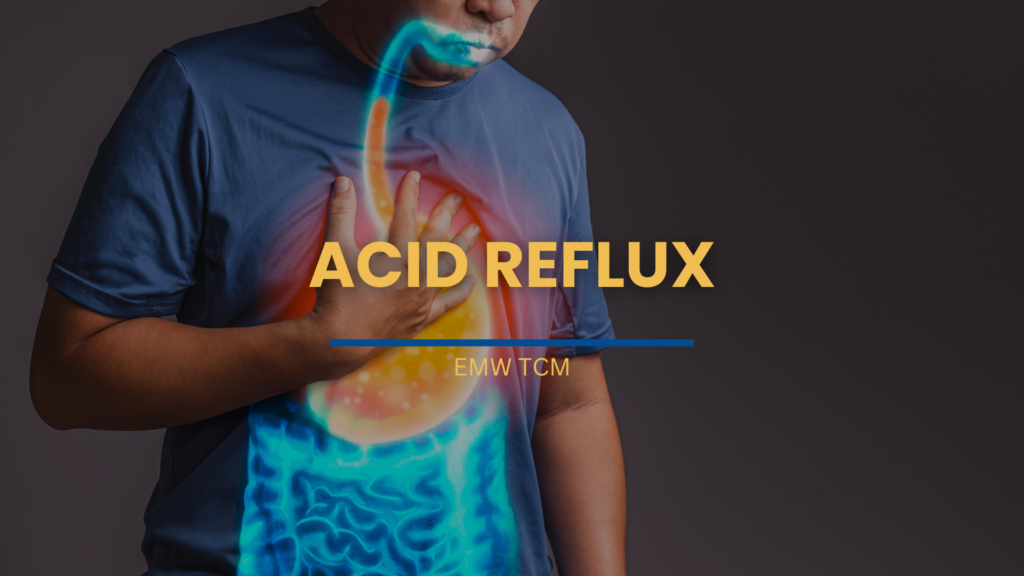
- Acid reflux (gastroesophageal reflux disease, GERD), characterised by the backflow of stomach acid into the oesophagus
- Changes in bowel habits, including ongoing constipation or diarrhoea
While bloating can be a common and uncomfortable condition, Traditional Chinese Medicine offers an integrated approach to managing digestive health. When factors such as diet, stress, or lifestyle contribute to constipation, a TCM practitioner in Singapore may recommend a tailored combination of herbal therapy, acupuncture, acupressure, and lifestyle modifications to help restore internal balance.
At EMW TCM, our bilingual team of MOH-registered TCM physicians develops personalised treatment plans that take into account each individual’s lifestyle, dietary habits, and underlying health patterns. This approach is further supported by evidence-based research, which suggests that TCM may be effective in providing both symptom relief and long-term digestive support.
If you have any questions or concerns regarding TCM treatment for bloatingor digestive health management, we welcome you to contact us. EMW TCM is committed to delivering personalised, holistic care to support the long-term wellbeing of our patients.bloa
EMW TCM Clinics
Scotts Medical Centre Branch
9 Scotts Road #10-04, Scotts Medical Centre @ Pacific Plaza,
Singapore 228210
Book Your Appointment With Us Here: +65 89585869
International Building Branch
360 Orchard Road, International Building #02-05/06
Singapore 238869
Book Your Appointment With Us Here: +65 89585869
Our Physicians

Principal TCM Physician
- M.Med(TCM Gynaecology)
- B.Sc(Hons) Biomedical Sciences
- Dip. Naturopath
- Ayurvedic Therapist(500hrs)
- Registered TCM Physician (Singapore MOH)

Senior TCM Physician
- M.Med(TCM Acupuncture & Moxibustion)
- B.Sc(Hons) Biomedical Sciences
- Certified Aromatherapist
- Registered TCM Physician (Singapore MOH)

TCM Physician
- M.Med(TCM Gynaecology)
- B.Sc(Hons) Biomedical Sciences
- Registered TCM Physician (Singapore MOH)

TCM Physician
- B.Med(TCM)
- B.Sc(Hons) Biomedical Sciences
- International Board-Certified Lactation Consultant (IBCLC)
- Registered TCM Physician (Singapore MOH)
References
- Plottel CS, Blaser MJ. Microbiome and oestrogen metabolism. J Clin Endocrinol Metab. 2011. DOI: 10.1210/jc.2011-0373
- Tremaroli V, Backhed F. Functional interactions between the gut microbiota and host metabolism. Nat Rev Endocrinol. 2017. DOI: 10.1038/nrendo.2017.54